Introduction to Enzyme Cleaners
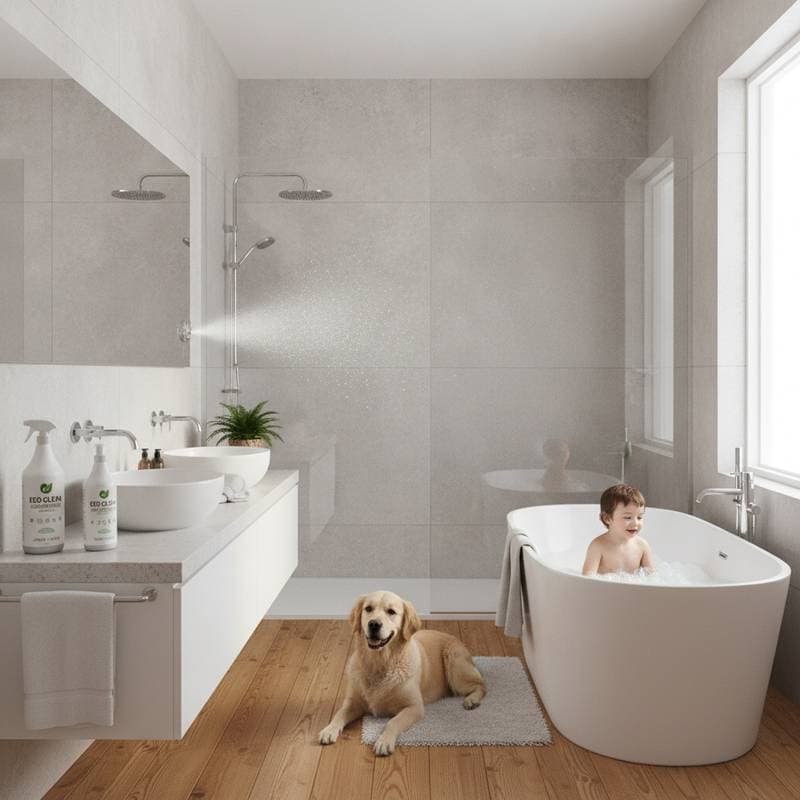
Enzyme cleaners represent a shift toward sustainable household maintenance. Derived from natural proteins, these cleaners break down organic matter through biological processes rather than abrasive or toxic methods. Homeowners benefit from reduced exposure to irritants while achieving thorough results on everyday messes.
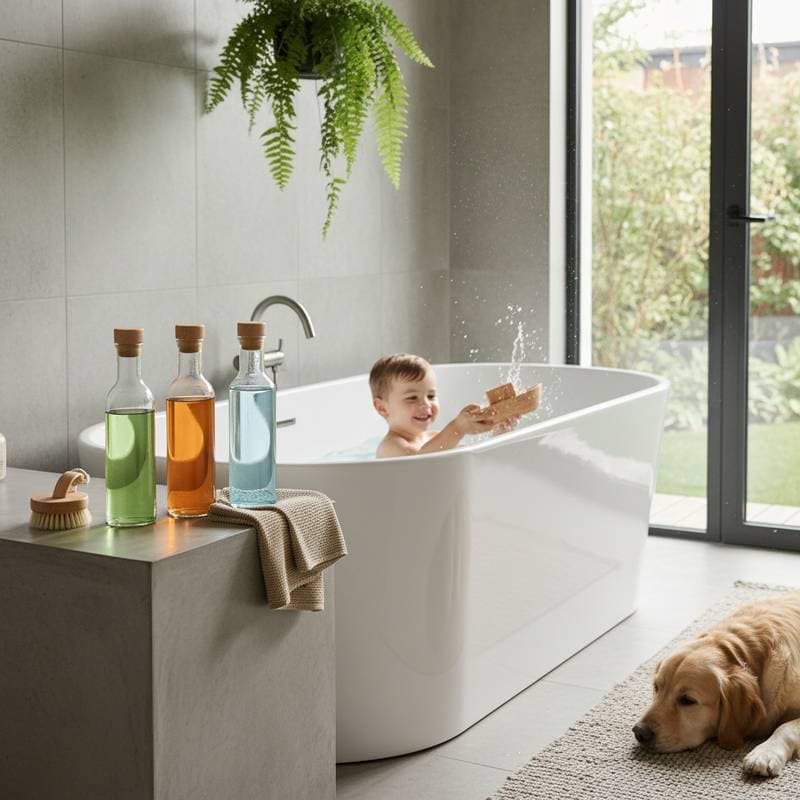
Unlike traditional scrubbers that merely displace dirt, enzymes digest it completely. This approach minimizes residue and prevents re-soiling. Families with sensitive members or pets find particular value in this gentler method.
Safety Considerations
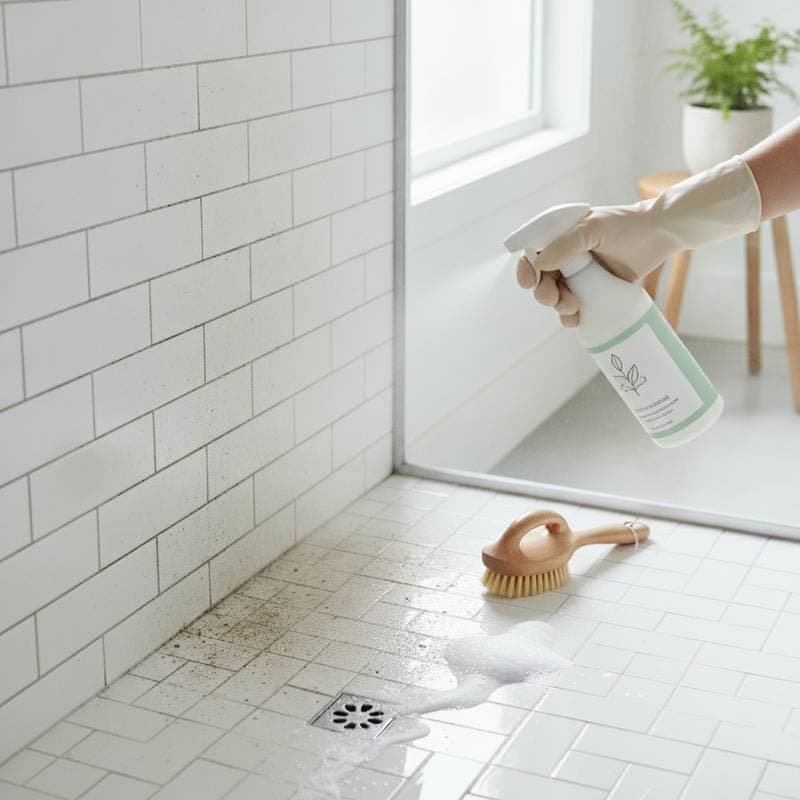
Enzyme cleaners pose fewer risks than chemical alternatives, yet precautions remain essential. Wear gloves during application to protect against potential irritation from formulas containing live bacteria. Store products away from children and pets to maintain household safety.
Step-by-Step Guide to Using Enzyme Cleaners Effectively
1. Identify the Problem Area
Determine whether the stain or buildup consists of organic material. Enzymes excel at processing food residues, grease, pet accidents, or mildew. They prove ineffective against inorganic issues like rust or mineral deposits.
2. Apply Generously
Spray or pour the cleaner to fully saturate the affected area. Manufacturers typically advise against dilution to preserve enzyme activity. Coverage ensures the biological agents reach all targeted spots.
3. Let It Sit
Allow sufficient time for enzymes to digest the material. Light stains may require only 10 minutes, while heavy accumulations demand several hours or overnight treatment. Patience yields the best outcomes.
4. Agitate Lightly
After the dwell period, use a soft microfiber cloth or brush for gentle scrubbing. This action lifts loosened debris without damaging surfaces. Avoid aggressive motions to preserve finishes.
5. Rinse or Wipe Clean
Rinse with warm water to remove dissolved residue. For porous surfaces such as grout or upholstery, blot excess moisture thoroughly. Proper drying prevents new issues like mildew.
6. Repeat if Needed
Stubborn stains or chronic buildup often necessitate multiple applications. Reapply following the initial process for enhanced results. Consistency addresses layered problems effectively.
Common Problems and Solutions
Problem: Incomplete Stain Removal
The cleaner may not have dwelled long enough, or the stain might involve inorganic elements like rust or calcium. Extend the sitting time or select a specialized product for minerals. Reapplication often resolves remaining traces.
Problem: Persistent Odors After Cleaning
Odor-causing organic compounds require extended enzyme action. Maintain dampness in the area and reapply the cleaner. Scents typically dissipate over several hours as breakdown completes.
Problem: Sticky Residue on Surfaces
Leftover cleaner creates this sensation. Wipe the area with fresh water and a clean cloth. Multiple rinses eliminate stickiness entirely.
Problem: Recurring Mold in Bathrooms
Enzymes eliminate organic mold sources but do not address underlying moisture. Enhance ventilation with fans and fix leaks promptly. Combine cleaning with preventive measures for lasting control.
When to Consult a Professional
Enzyme cleaners manage many tasks, yet some situations exceed their scope. Severe mold growth, structural water damage, or ongoing sewer smells demand expert intervention. Professionals possess tools for deep remediation.
For antique furnishings or unique finishes, seek restoration advice before application. Incorrect handling risks irreversible damage. Prioritize caution with valuable items.
Real-World Applications and Outcomes
Professionals frequently rely on enzyme cleaners for diverse challenges. In rental properties, these products restore bathrooms marred by years of use. Restaurants benefit from grease breakdown in kitchens without corrosive aftermath.
Consider a basement laundry plagued by drain odors. Chemical treatments only temporarily masked the issue. An overnight enzyme application cleared the organic blockage, eliminating the smell permanently.
Another scenario involved pet odors embedded in pre-sale carpeting. The team saturated the area, covered it with plastic sheeting for hours, and allowed full penetration. Upon drying, the carpet achieved a neutral scent, aiding the sale without buyer concerns.
These cases illustrate enzyme cleaners' superiority over harsh alternatives when applied with knowledge of their capabilities. Results prove reliable and residue-free.
Pro Tips for Optimal Results
-
Optimize Temperature: Enzymes function best in warm environments. Refrain from application on chilled surfaces to maintain efficacy.
-
Prevent Mixing: Combine enzyme cleaners only with water; avoid bleach, ammonia, or other chemicals, which deactivate the proteins.
-
Proper Storage: Seal containers tightly and shield from sunlight. Protect against extreme temperatures to preserve potency.
-
Initial Testing: Apply to hidden spots on delicate materials first. Observe for 24 hours to confirm compatibility.
-
Routine Maintenance: Schedule applications every few weeks in high-risk areas like drains or pet zones. This strategy curbs accumulation proactively.
Transitioning to Enzyme-Based Cleaning
Adopt enzyme cleaners gradually by substituting them for select products, such as those for bathrooms or kitchens. Observe their performance in reducing fumes and residue. Surfaces remain cleaner longer as root causes vanish.
The primary advantage lies in toxin-free routines. Households with children, pets, or allergy sufferers gain significant health benefits. This change enhances daily living without compromise.
Protecting Home Surfaces Long-Term
Enzyme cleaners contribute to surface longevity by removing contaminants thoroughly. Regular use prevents the degradation caused by chemical abrasion. Invest in these products to sustain your home's appearance and value.
Combine with basic upkeep, like prompt spill treatment, for enduring results. This holistic approach minimizes wear and extends the life of floors, fixtures, and fabrics.