The Rise of Enzyme Cleaners in Modern Homes
Many people encounter frustration with cleaning products that promise much but deliver little. A product labeled as environmentally friendly might leave behind residue, while another boasts germ-killing power yet produces irritating fumes. This dissatisfaction drives a search for alternatives that clean thoroughly without compromising health or the environment. Enzyme cleaners address these issues effectively.
These products have transitioned from specialty stores to everyday use. Their popularity stems from a combination of scientific efficacy and environmental benefits. Homeowners now recognize enzyme cleaners as a reliable option that redefines cleanliness.
Understanding Enzyme Cleaners
Enzyme cleaners rely on biological enzymes to degrade organic substances. These enzymes function as catalysts that target and dismantle dirt at a molecular level. Unlike products that merely cover odors or residues, enzyme cleaners eliminate the underlying causes.
- Protease enzymes degrade proteins found in food residues, blood, and perspiration.
- Lipase enzymes break down fats and oils, ideal for kitchen grease.
- Amylase enzymes process starches, such as those in dried sauces.
- Cellulase enzymes manage plant-based materials like grass or mud stains.
Upon application, the enzymes activate and work until the mess dissolves. They then deactivate naturally, leaving no harmful remnants. This process ensures surfaces remain clean without artificial scents.
Factors Driving Their Popularity
The surge in interest for enzyme cleaners reflects broader trends in sustainable living. Consumers increasingly scrutinize product ingredients for impacts on health, pets, and ecosystems. Awareness of these effects prompts a shift away from conventional options.
Standard cleaners frequently contain bleach or ammonia, which irritate skin and contribute to water pollution. Enzyme cleaners offer a biodegradable, non-toxic alternative suitable for children, animals, and delicate surfaces like stone or wood. Their safety profile enhances their appeal.
Real-world performance further bolsters their reputation. Tests and user experiences demonstrate that enzyme cleaners surpass many superficial green products. They neutralize odors completely, a key advantage for pet owners dealing with persistent smells like cat urine.
Scientific Principles at Work
Enzymes serve as proteins that speed up chemical reactions. In cleaning applications, they convert complex organic compounds into simpler, rinsable forms. This targeted action proves more efficient than surface-level methods.
Consider a greasy stovetop. Surfactants in traditional cleaners lift the grease, but enzymes decompose it into water-soluble particles. This approach extends to embedded stains in fabrics or grout, penetrating areas inaccessible to other products.
The microscopic efficacy of enzymes makes them ideal for carpets, upholstery, and laundry. They achieve deep cleanliness that enhances longevity and hygiene.
Applications Throughout the Home
Enzyme cleaners demonstrate versatility across various spaces. Their adaptability allows for broad use without specialized products.
Kitchens
They effectively remove food spills and grease from counters, sinks, and appliances. Application prevents odor buildup in refrigerators and dishwashers, maintaining a fresh environment.
Bathrooms
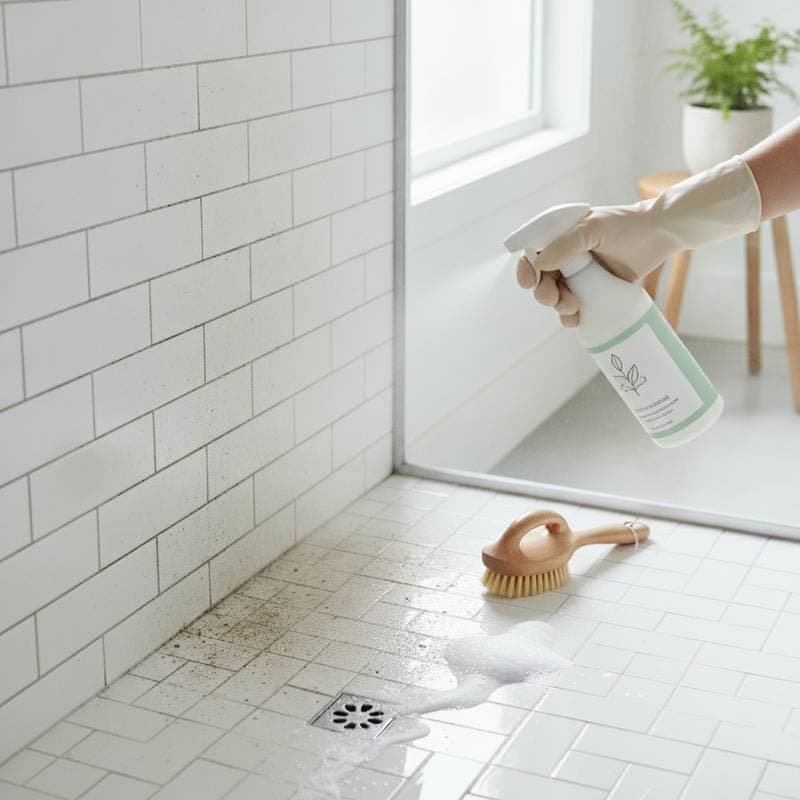
These cleaners dissolve soap scum, urine residues, and mildew on tiles and grout. Safe use around fixtures ensures thorough sanitation without damage.
Laundry Areas
Pre-treating stains with enzyme cleaners enhances washing results. They excel on protein stains such as sweat or blood, reducing the need for multiple washes.
Living Spaces
Sprays target pet accidents or spills on carpets and furniture. By digesting residues, they eliminate lingering odors effectively.
Outdoor Settings
Apply to patio items, bins, or compost areas to control smells. The formula harms neither plants nor soil, supporting eco-friendly practices.
Benefits for Health and Environment
The environmental advantages of enzyme cleaners lie in their biodegradability. They decompose naturally, avoiding contamination of water sources. Absence of volatile organic compounds reduces indoor air pollution.
Healthier homes result from this choice, particularly for allergy sufferers or pet households. Concentrated formulas allow dilution, extending product life and minimizing waste.
Over time, users save costs and reduce packaging disposal. This practical efficiency aligns with sustainable habits.
Evaluating Homemade Options
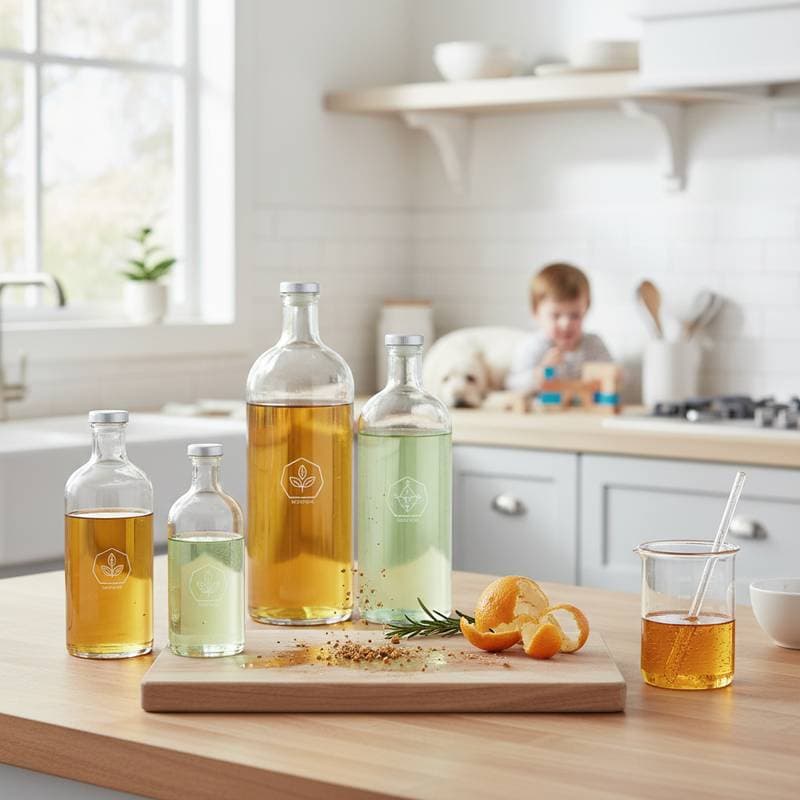
Online recipes for DIY enzyme cleaners using fruit peels and sugar appeal to those seeking natural solutions. Fermentation yields a mild cleaner for simple tasks. However, these lack the precision of commercial blends.
Professional products feature stabilized enzymes for consistent results. For basic needs, homemade versions provide an accessible entry point, though they may underperform on heavy stains.
Addressing Common Misconceptions
Several myths surround enzyme cleaners, warranting clarification.
- They do not disinfect; they remove organic matter that harbors bacteria. Pair with a disinfectant for full sanitation.
- Activation requires time; allow products to dwell on stains for optimal effect.
- Applications extend beyond pets to include kitchen and laundry tasks.
- Initial costs appear higher, but concentration ensures longer use than dilute alternatives.
Understanding these points aids informed selection.
Selecting an Appropriate Product
Prioritize labels detailing enzyme types and targeted uses, such as pet odors or proteins. Steer clear of added fragrances or dyes that undermine purity.
Consider surface compatibility; multi-purpose options suit general needs, while specialized formulas address specific challenges. Verify safety for materials like hardwood before use.
Integrating into Daily Cleaning
Adopting enzyme cleaners streamlines routines by consolidating products. Fewer items simplify storage and application.
Begin with one area, such as the kitchen, to build familiarity. Maintain a ready spray for spot treatments. Consistent use prevents accumulation of residues.
Store in cool conditions to preserve enzyme potency. Treat them as standard tools for both routine and intensive tasks.
Alignment with Design Principles
Cleanliness influences the sensory experience of a home. Enzyme cleaners support this by avoiding residues that dull surfaces or introduce odors.
They protect materials like stone, wool, or wood, preserving aesthetic and tactile qualities. This compatibility fosters a balanced, mindful living space.
Achieving Sustainable Cleanliness
Transitioning to enzyme cleaners yields noticeable improvements in freshness and ease. Test on persistent issues like stains or odors to observe results.
This shift promotes health, efficiency, and environmental care. Select enzyme cleaners to enhance your home's vitality through informed, effective maintenance.