Sonic Cleaners End Bathroom Scrubbing Forever
Every homeowner understands the frustration of bathroom cleaning. Individuals scrub, rinse, and repeat, yet soap scum, water spots, and mildew persist. Traditional methods demand significant effort because they depend on manual force rather than targeted action. A emerging technology now offers relief. Sonic cleaning, or ultrasonic cleaning, revolutionizes deep cleaning for bathrooms in homes.
Limitations of Traditional Cleaning Methods
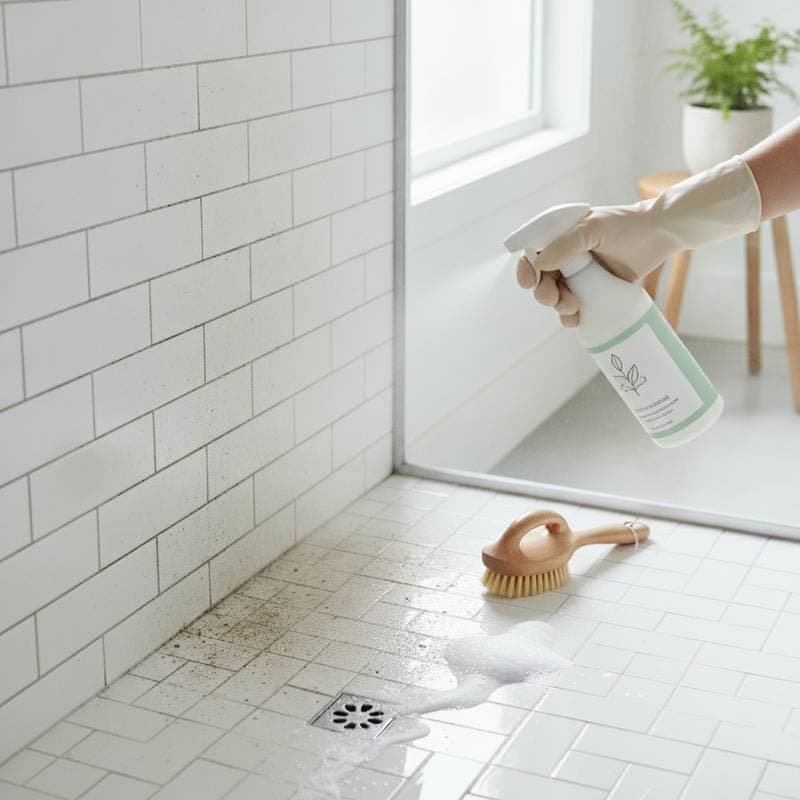
Consider an afternoon spent battling soap residue on shower glass or grime near faucet bases. Manual scrubbing accesses only visible surfaces. It fails to eliminate microscopic layers embedded in grout lines, corners, or beneath fixtures. Even potent cleaners often displace dirt rather than eradicate it.
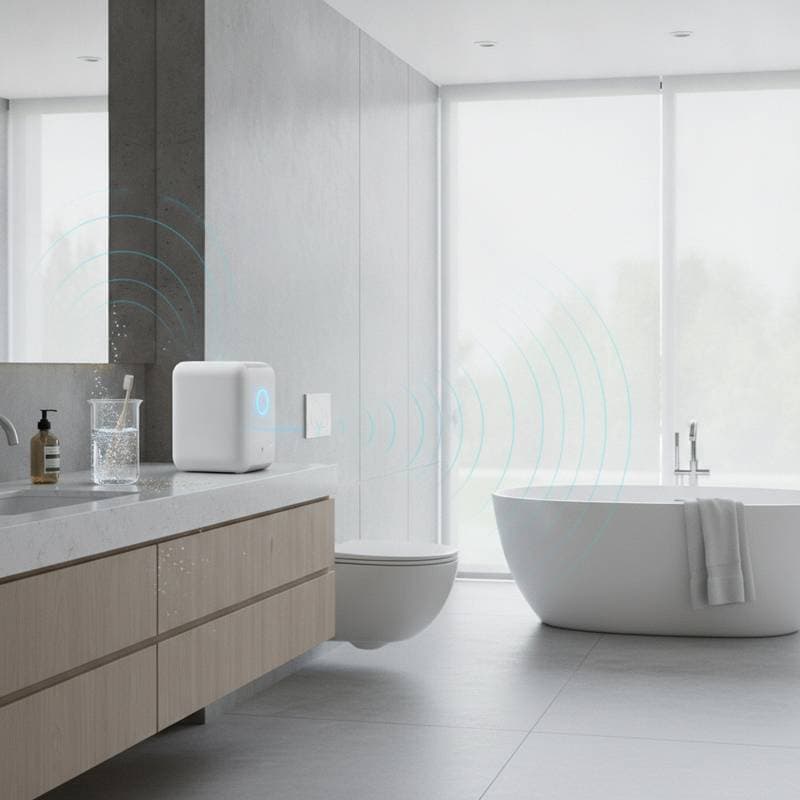
Professionals have employed ultrasonic devices for years to sanitize tools, jewelry, and medical instruments. This approach now extends to household applications through specialized cleaners. Unlike friction-based techniques or abrasive chemicals, sonic cleaning harnesses sound waves and water for superior results.
The Mechanism of Sonic Cleaning
Applications of Sonic Cleaning in Bathrooms
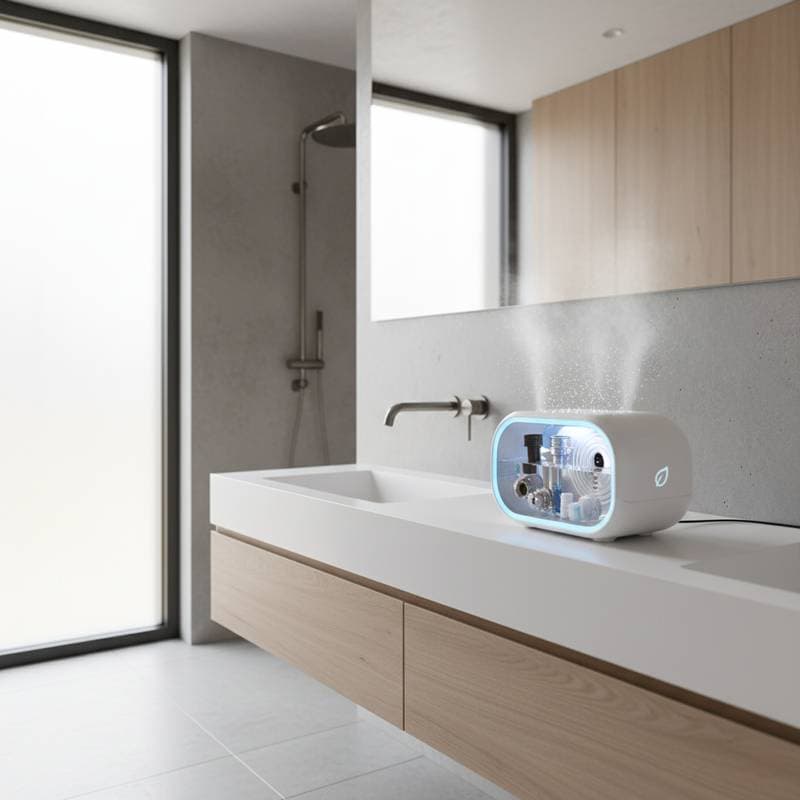
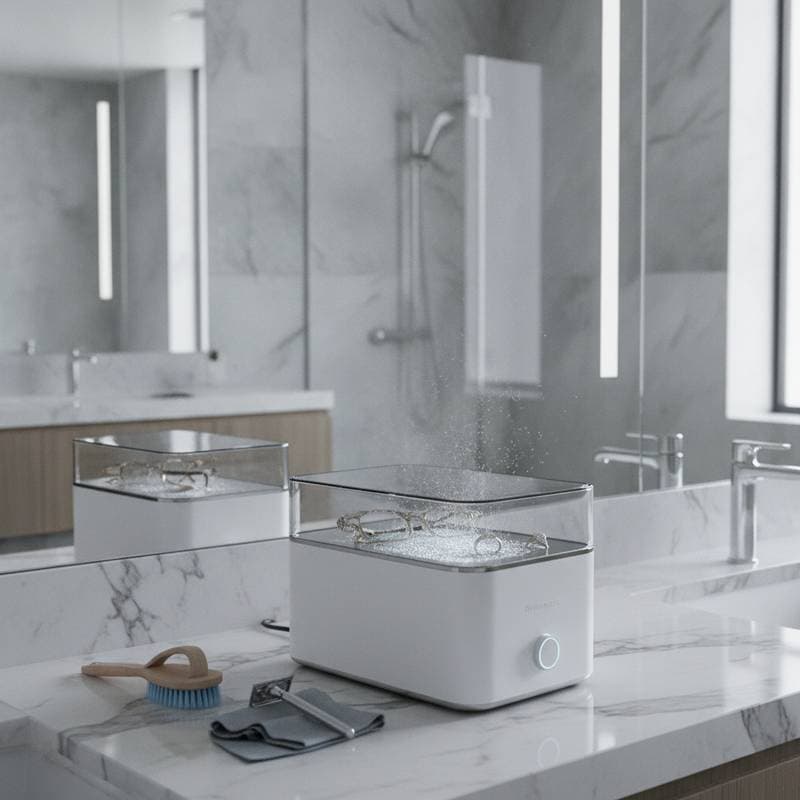
Sonic technology extends beyond jewelry or eyewear to practical bathroom uses. It tackles various items effectively. Specific examples include:
- Faucet handles and aerators: Dissolve mineral deposits that impede water flow and reduce efficiency.
- Toothbrush heads and razors: Remove bacterial residues and soap films in seconds.
- Showerheads: Clear clogs to restore optimal spray patterns and pressure.
- Drain covers and small hardware: Extract accumulated grime from hard-to-reach areas.
- Grout brushes and accessory tools: Sanitize for repeated use without cross-contamination.
For broader surfaces such as shower enclosures or sinks, portable sonic wands provide a solution. These devices emit ultrasonic vibrations directly, enabling users to sweep over tiles, fixtures, and countertops with ease.
Preparation for Sonic Cleaning
Select the appropriate device based on intended tasks. Tabletop units suit small objects, whereas wands excel in surface treatments. Essential items include:
- Stable power supply: Units connect to standard electrical outlets.
- Pure water or diluted mild detergent: Harsh substances interfere with bubble formation.
- Safety gear like gloves and goggles: Precautions against splashes and electrical hazards remain advisable.
- Lint-free cloths for post-cleaning: Rinse and dry components promptly to avoid residue marks.
Operation requires little expertise. Familiarity with basic appliances suffices. Determine cycle durations through trial; begin with brief sessions and inspect results.
Potential Challenges and Avoidance Strategies
Sonic cleaners excel within specified parameters but cannot remedy severe deterioration. Homeowners occasionally encounter issues such as:
- Incompatible solutions: Bleach or acidic vinegar may corrode the unit or diminish performance.
- Excessive loading: Bubbles require unobstructed paths; overcrowding hampers effectiveness.
- Neglected upkeep: Rinse the tank after uses to avert internal deposits.
- Unrealistic expectations: The process cleans accumulations but does not restore damaged finishes like scratches or rust.
Address corrosion or failing grout through professional intervention. Ultrasonic methods complement, rather than substitute, foundational repairs and sealants.
Benefits for Everyday Home Use
With extensive experience in home repair, remodeling, and upkeep spanning two decades, this technology addresses a critical need. It spans the divide between superficial wipes and intensive overhauls. Ultrasonic precision sustains elevated hygiene levels using reduced labor and eco-friendlier agents. Individuals with skin sensitivities or respiratory concerns benefit particularly from minimized chemical exposure.
Strategies for Optimal Results
- Initiate with minor tests. Clean a single toothbrush head or faucet part to gauge outcomes.
- Limit cycle times. Three to five minutes often suffices for routine accumulations.
- Opt for distilled water. This choice minimizes spotting on polished metals.
- Ensure complete drying. Pat dry and allow air circulation to eliminate moisture traps.
- Maintain storage hygiene. Empty and flush the unit post-session for longevity.
Integrating Sonic Cleaning into Routines
Incorporate sonic cleaning as a staple practice once its efficacy becomes evident. Schedule monthly sessions for upkeep or weekly in busy households. Consistent application preserves fixture appearances and slashes overall cleaning durations.
The ultimate value lies in reclaimed time and reduced physical strain. Delegate the intensive labor to acoustic energy, bypassing prolonged soaks in irritants. This approach exemplifies intelligent home care: leveraging innovation for streamlined, reliable outcomes.