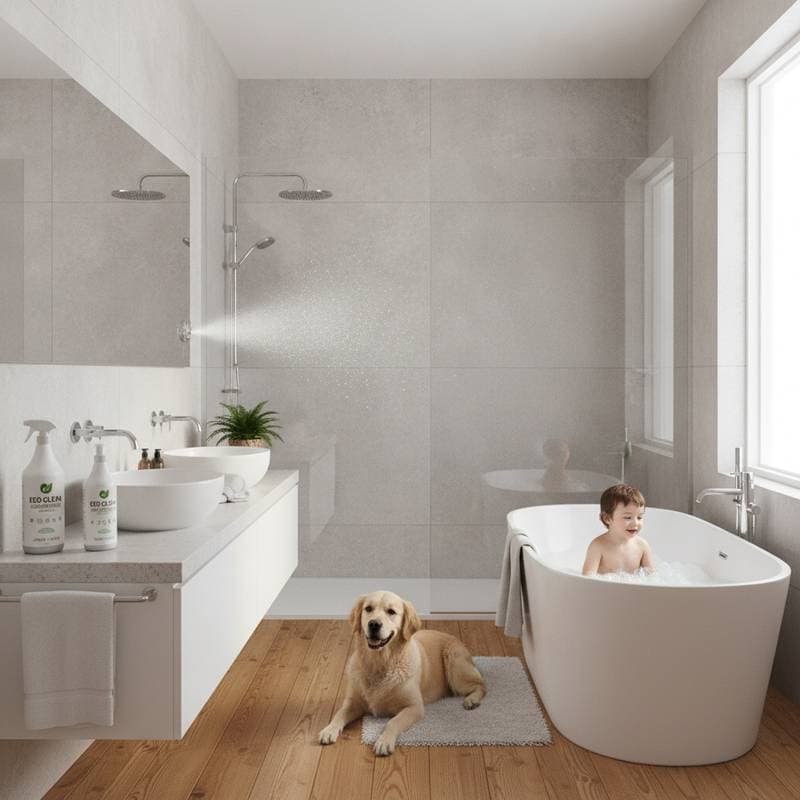
Unlock the Power of Chemical-Free Steam Cleaning
One stands in the cleaning aisle, surrounded by bottles that promise fresh scents, deep cleans, and germ elimination. Many of these products carry warning labels that highlight potential risks to health and the environment. For those seeking an alternative to achieve a spotless home without chemical exposure, steam cleaning provides a superior solution. This method relies on heated water vapor to deliver powerful, natural results across various surfaces.
The Science Behind Steam Cleaning Effectiveness
Steam forms when water reaches temperatures around 212 degrees Fahrenheit, transforming into vapor that expands and infiltrates microscopic spaces. This process dislodges embedded dirt, dissolves grease, and disrupts bacterial structures without requiring detergents. The high heat ensures that 99 percent of common household germs succumb, offering reliable sanitation.
Ideal Applications for Steam Cleaning
Steam cleaning extends beyond basic floor maintenance, revealing versatility in multiple areas. Begin with high-traffic zones to observe immediate improvements, then expand to other surfaces for comprehensive results.
1. Hard Surface Floors:
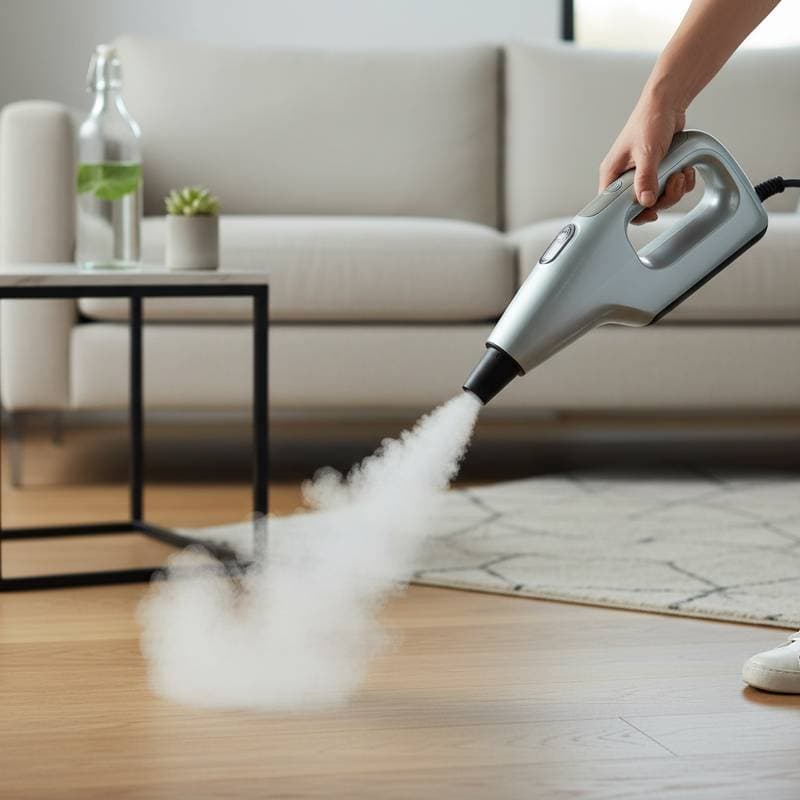
Apply steam to tile, sealed hardwood, vinyl, or stone to extract grime from grout and eliminate sticky residues. Direct the vapor along edges and corners in kitchens, allowing surfaces to air-dry in under five minutes for a polished finish.
2. Bathroom Fixtures:
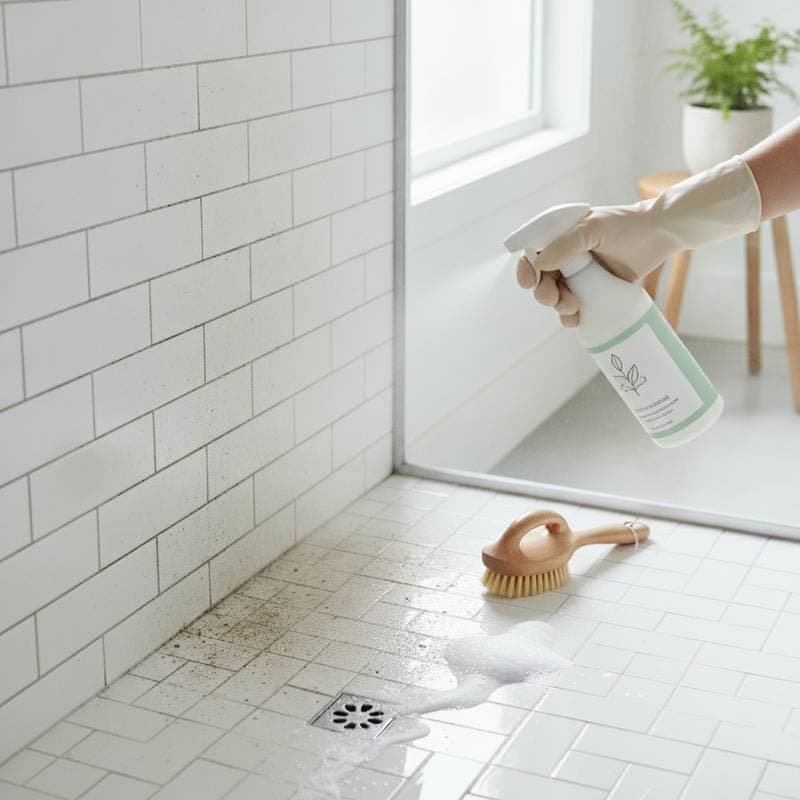
Target soap scum and mildew on shower enclosures, wall tiles, and fixtures with steady steam application. Follow with a microfiber cloth to capture dislodged particles, restoring brightness without prolonged manual effort.
3. Upholstery and Textiles:
Revitalize curtains, sofa cushions, and mattresses by steaming to remove odors and restore vibrancy. Conduct a patch test on inconspicuous areas for delicate fabrics, maintaining a distance of two inches during application to prevent moisture overload.
4. Kitchen Surfaces:
Address grease accumulation on stovetops, oven exteriors, and exhaust fans with targeted bursts. Clean refrigerator gaskets, cabinet handles, and sink basins to disrupt bacterial growth in moist environments.
5. Glass Elements:
Employ a steam cleaner with a squeegee attachment on windows and mirrors to achieve streak-free clarity. Hold the tool at a 45-degree angle and wipe immediately for optimal results.
6. High-Touch Areas:
Sanitize doorknobs, switch plates, and electronic remotes with short steam pulses. This practice reduces invisible contaminants, enhancing overall household hygiene.
Advantages of a Chemical-Free Approach
Adopting steam cleaning transcends mere product savings; it fosters a safer indoor atmosphere. Surfaces remain free of residues, protecting children and pets from irritants during play. Indoor air quality improves without the introduction of artificial scents or volatile compounds.
Environmentally, this method minimizes plastic packaging waste and prevents chemical runoff into waterways. The process simplifies preparation: fill the reservoir, allow brief heating, and proceed. Users eliminate concerns over product compatibility or hazardous interactions.
Selecting an Optimal Steam Cleaner
Evaluate steam cleaners based on specific household demands to ensure long-term satisfaction. Consider these factors during the decision-making process.
1. Design Type:
Opt for handheld units for targeted tasks on appliances or fixtures. Choose upright models for expansive floor coverage. Versatile hybrids accommodate diverse needs with interchangeable components.
2. Water Reservoir Capacity:
Select larger tanks for extended sessions in spacious homes, reducing interruptions. Compact reservoirs suit quick interventions, prioritizing portability and ease of storage.
3. Accessory Variety:
Prioritize devices with multiple nozzles, brushes, and pads. Include a window squeegee, grout tool, and floor mop to adapt the unit for comprehensive cleaning.
4. Performance Specifications:
Seek models reaching 220 degrees Fahrenheit or higher for superior sanitization. Quick heat-up times under 30 seconds facilitate efficient multi-room sessions.
5. Upkeep Practices:
Employ distilled water in hard-water regions to avoid scale deposits. Rinse the unit post-use and store in a dry location to prolong durability.
Debunking Steam Cleaning Misconceptions
Address prevalent doubts to encourage confident adoption of this technique.
Misconception 1: Potential Floor Damage
Proper application on sealed materials poses no risk. Avoid prolonged exposure by maintaining constant motion, allowing vapor to evaporate naturally.
Misconception 2: Inadequate Sanitization
Steam at elevated temperatures eradicates bacteria and allergens effectively for residential settings. While not equivalent to clinical sterilization, it suffices for everyday hygiene maintenance.
Misconception 3: High Initial Cost
Quality units recoup investment through eliminated purchases of disposables and solutions. Calculate savings over one year to recognize the economic value.
Integrating Steam Cleaning into Daily Habits
Incorporate steam cleaning as a routine element rather than an occasional event. Schedule weekly floor refreshes in busy zones, post-meal counter treatments, and periodic textile updates. This consistent approach sustains cleanliness with minimal effort.
Households with animals benefit from odor neutralization without residue concerns. Family members participate safely, distributing tasks without exposure to irritants.
Preserving Home Aesthetics Through Steam
Steam cleaning aligns with interior design integrity by avoiding abrasive agents. Maintain marble or granite polish without etching, and preserve fabric colors free from lingering scents. This gentle efficacy extends material longevity, honoring original selections.
Transform living spaces into serene retreats, where purity enhances sensory experience. The outcome reflects not only visual appeal but also tangible well-being from uncompromised cleanliness.