Enzyme Cleaners Conquer Stubborn Bathroom Grime
Most people have faced the challenge of spending a Saturday scrubbing the bathroom with every available cleaner, only to find soap scum still adhering to glass, grout appearing dingy, and a persistent musty odor remaining. This experience proves frustrating. Recently, a significant shift has occurred in bathroom cleaning methods. The key innovation involves enzyme cleaners, which gain popularity on social media for addressing grime that conventional products fail to eliminate. These cleaners fulfill their promises effectively.
Why Enzyme Cleaners Gain Popularity
Recent cleaning videos often feature individuals applying foamy liquids to drains or spraying them on stained grout, resulting in grime dissolving in an apparently magical manner. The underlying science proves straightforward and intriguing. Enzyme cleaners employ natural proteins to decompose organic materials such as soap residue, body oils, mildew, and drain buildup.
The Chemistry Behind Enzyme Cleaners
Enzyme cleaners distinguish themselves through blends of multiple enzyme types, each specialized for particular tasks.
- Proteases decompose protein-based stains, including body oils and mildew.
- Amylases address starches and carbohydrate residues from soaps and shampoos.
- Lipases manage fats and grease, ideal for slippery shower walls.
- Cellulases tackle plant-based grime, such as mold or soap scum on natural surfaces.
Upon encountering their targets, these enzymes activate immediately. The reaction converts complex molecules into smaller, water-soluble components that rinse away with ease. The resulting surfaces achieve cleanliness not only visually but also microscopically.
Optimal Applications in the Bathroom
Bathrooms present challenges due to moisture, warmth, and organic accumulation. Enzyme cleaners excel in these environments. Consider the following areas where they deliver substantial improvements:
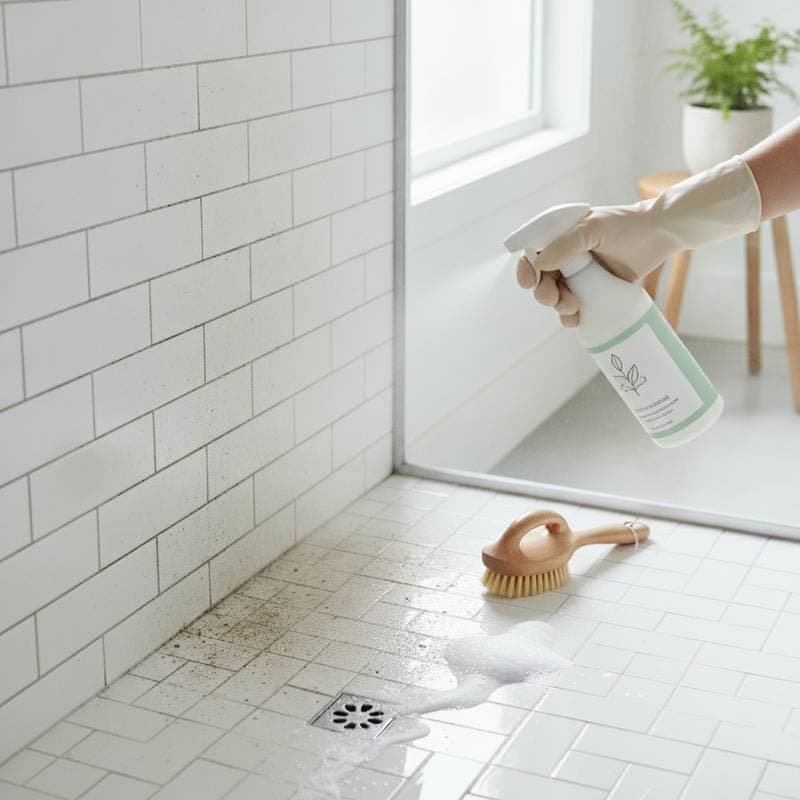
- Grout and Tile: Conventional cleaners may lighten stains, but enzymes consume the organic matter responsible for discoloration. Grout restores to its original color without intensive scrubbing.
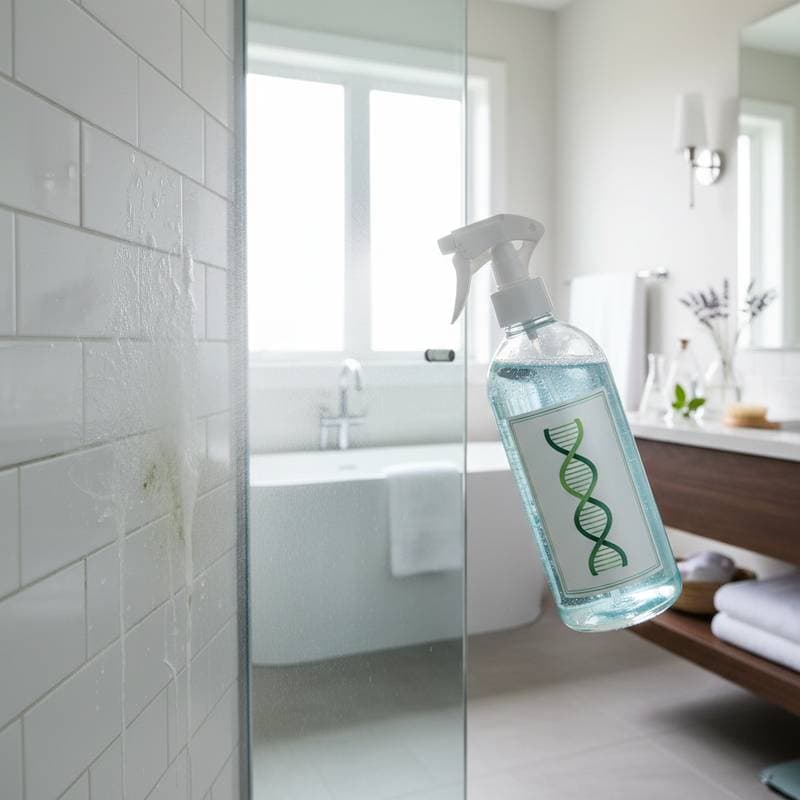
- Shower Doors: Soap scum consists primarily of fats and minerals. Enzymes degrade the fats, simplifying residue removal from textured glass.
- Toilets: These cleaners neutralize odor sources more effectively than bleach by addressing organic contributors directly.
- Drains: Enzyme cleaners prevent clogs through regular use and avoid pipe corrosion due to their natural composition.
- Floors and Corners: Water accumulation fosters bacteria and mildew. Enzyme applications inhibit slimy residue formation.
Factors Driving Their Viral Spread
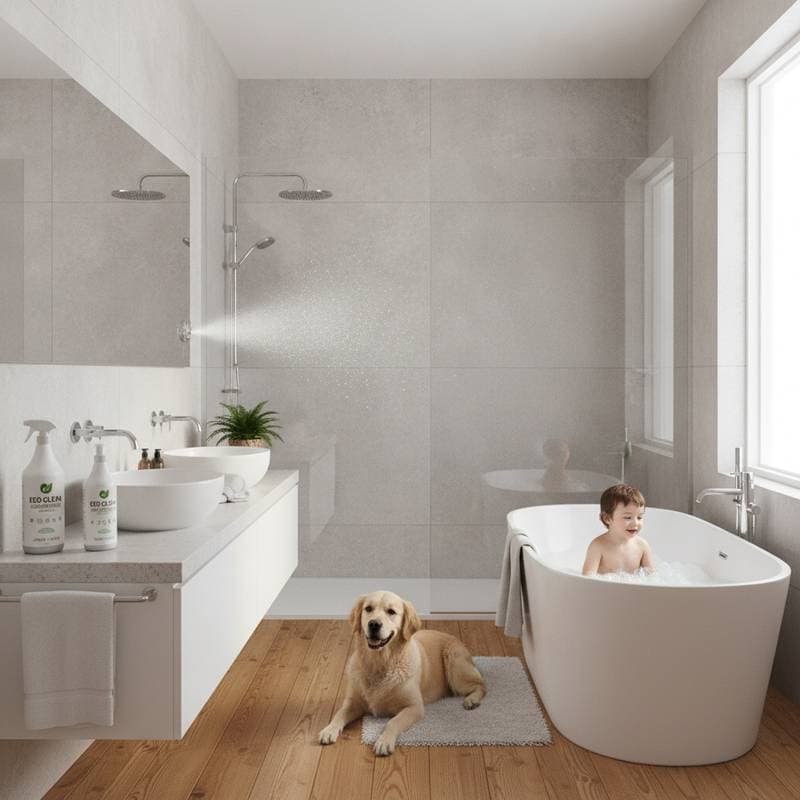
Observing grime disappear provides satisfaction, and enzyme cleaners offer this visual reward. Their popularity stems from broader appeal. Consumers grow weary of chemical fumes and overpowering scents in many bathroom products. Enzyme cleaners qualify as non-toxic, biodegradable, and safe around pets and children. This suitability supports sustainable cleaning without compromising efficacy.
The reduced effort required enhances their value. Less scrubbing yields superior outcomes over multiple applications, as enzymes persist in action. This approach favors consistency over force, providing a sense of efficiency.
Effective Usage Guidelines
For those new to enzyme cleaners, success depends on patience and correct application. Unlike bleach or acids, they require time for deeper, enduring results. Follow these steps:
- Prepare the surface. Remove loose dirt first to allow enzymes to target embedded issues.
- Allow dwell time. Permit the product several minutes to react. For heavy buildup, overnight application yields significant improvements.
- Maintain moisture. Enzymes require dampness to remain active. Mist treated areas, such as grout or tile, to prevent drying.
- Rinse thoroughly. After enzyme action, rinse or wipe surfaces. Expect smoother textures and fresher scents immediately.
- Apply routinely. Weekly use prevents recurrence and sustains freshness.
Addressing Common Misconceptions
Trends attract misunderstandings. Clarify these points:
Misconception 1: They lack strength for severe grime.
In reality, their gentleness toward surfaces accompanies potent reactions. Full effects simply require additional time.
Misconception 2: They eliminate the need for other cleaners.
Enzyme cleaners excel with organic buildup but not mineral deposits or rust. Combine with mild acids for comprehensive care.
Misconception 3: They prove costly.
Initial prices may exceed alternatives, but lower usage volumes and prolonged action lead to savings.
Misconception 4: They carry vinegar-like odors.
Contemporary versions feature subtle natural scents or remain unscented, avoiding reliance on fragrances.
Selecting an Appropriate Enzyme Cleaner
Shopping requires discernment to identify effective options. Prioritize labels detailing enzyme types, indicating solid formulation knowledge. Multi-enzyme products suit bathrooms, given the variety of grime encountered.
Consider packaging: concentrates promote economy and minimize waste, while sprays offer convenience. Eco-focused individuals should seek biodegradable, cruelty-free certifications.
For experimentation, prepare a basic homemade version with fruit scraps, sugar, and water. This yields milder results than commercial products but demonstrates the principles effectively.
Enhancing Bathroom Design Through Cleanliness
Cleanliness influences spatial perception profoundly. Even exquisitely tiled bathrooms with ideal lighting lose appeal amid grime or odors. Enzyme cleaners maintain surface integrity, extending the lifespan of design elements.
Gleaming shower doors, vibrant grout, and neutral scents foster a serene, spa-like ambiance. Removing dulling buildup improves light reflection, color accuracy, and overall freshness. This extends beyond hygiene to cultivate inviting atmospheres.
Establishing a Sustainable Cleaning Routine
Adopting enzyme cleaners transforms bathroom maintenance from a task into a seamless practice. Time shifts from scrubbing to appreciation. Families benefit from this efficiency, renters preserve spaces without chemical damage, and sustainability enthusiasts achieve straightforward environmental gains.
Begin modestly if hesitant: apply to shower drains or grout for two weeks. Observe resolution of persistent issues.
Implementing Enzyme Cleaners for Lasting Results
Enzyme cleaners represent an intelligent, sustainable evolution in home maintenance. They safeguard surfaces, health, and schedules.
Ventilate the area, select a suitable applicator, and test these cleaners. Witness the ease of sustained cleanliness and recognize the value of this transition.