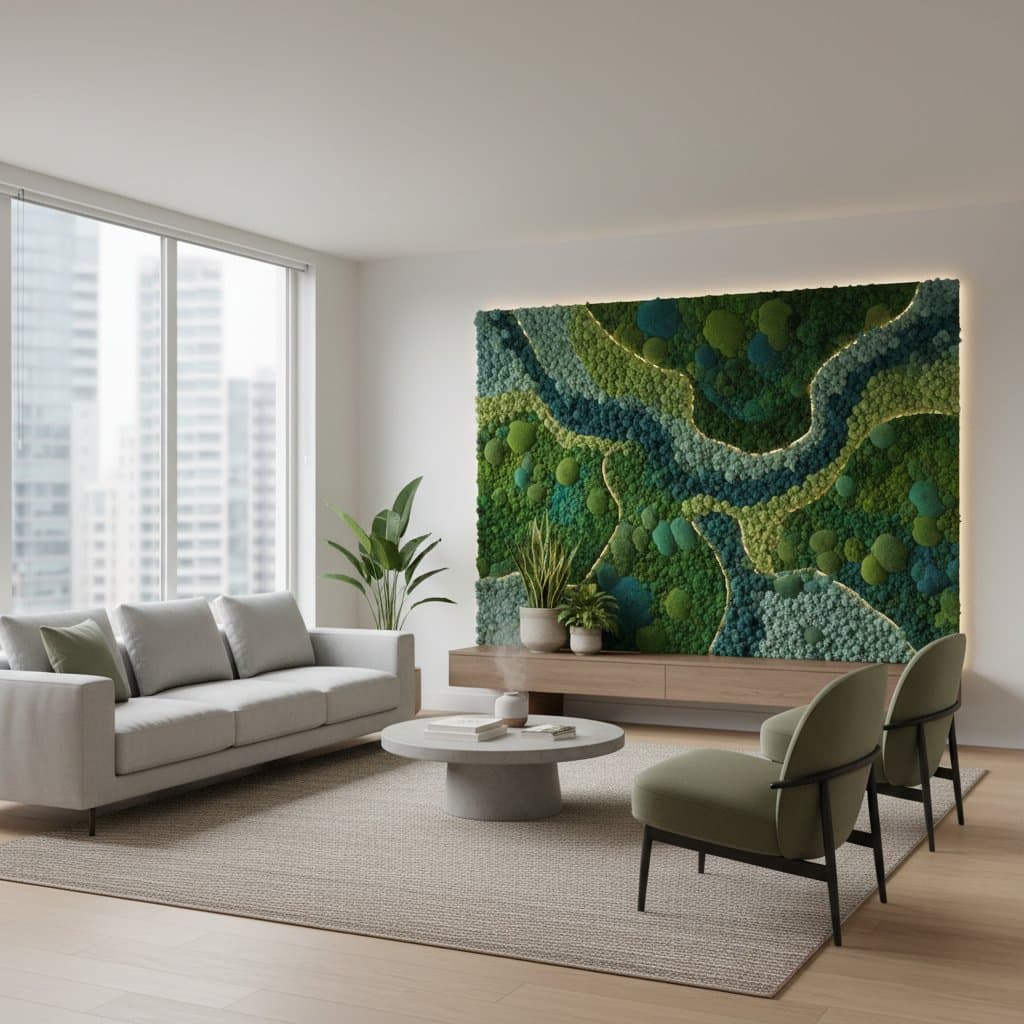
Transform Front Yards with Moss and Living Walls
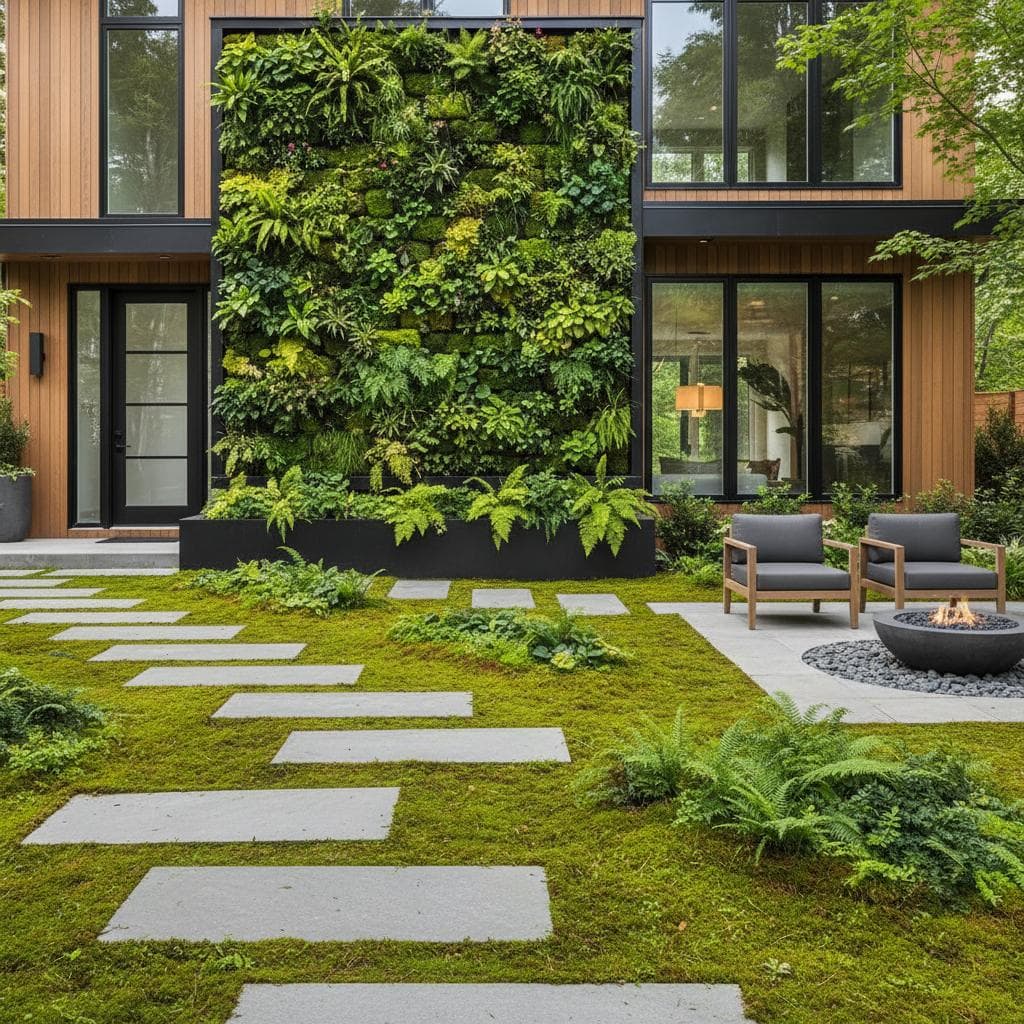
Envision a front yard evolved from mundane grass into a vibrant mosaic of soft greens. Soft moss cushions the ground, while a living wall ascends the entryway, infusing the space with vitality. The atmosphere turns crisp and tranquil, endowing the home with an enchanting allure that captivates passersby. Moss and living walls serve as nature's subtle creators of peace and elegance.
Front yards function as welcoming gateways to residences, but conventional lawns require constant watering, feeding, and upkeep. Moss and living walls provide an innovative substitute that merges timeless appeal with contemporary style. They introduce varied textures, layers, and artistic flair to compact outdoor areas.
Why Moss Enhances the Contemporary Front Yard
Moss represents simplicity in the plant kingdom. It demands minimal resources while delivering substantial benefits. Without roots, mowing, or fertilizers, moss flourishes in challenging spots like shaded or moist areas that often appear barren. Properly cultivated, it develops into a plush, ground-covering layer that moderates temperatures and dampens noise for a soothing sensory encounter.
Selecting Appropriate Moss Varieties
Moss species vary in their preferences and growth habits. Certain types favor dense shade under trees, whereas others tolerate intermittent light. Success depends on aligning the moss with site-specific conditions.
- Sheet moss produces a smooth, plush expanse suitable for paths between pavers or shaded earth.
- Cushion moss builds compact, rounded clusters that introduce relief and volume to planting zones.
- Rock cap moss adheres well to rocks and masonry, ideal for ornamental stone elements.
- Fern moss displays a delicate, frond-like form and accommodates moderate illumination in partly shaded locations.
In arid regions, focus on humid microclimates such as those near fountains or eaves. Regular light spraying sustains moss vitality in suboptimal settings.
Constructing a Living Wall: Vertical Gardening Innovation
Moss animates the horizontal plane, but living walls elevate greenery skyward. These structures convert bare surfaces into dynamic plant communities. They function as barriers for seclusion, acoustic dampeners, or evolving artworks attuned to seasonal changes.
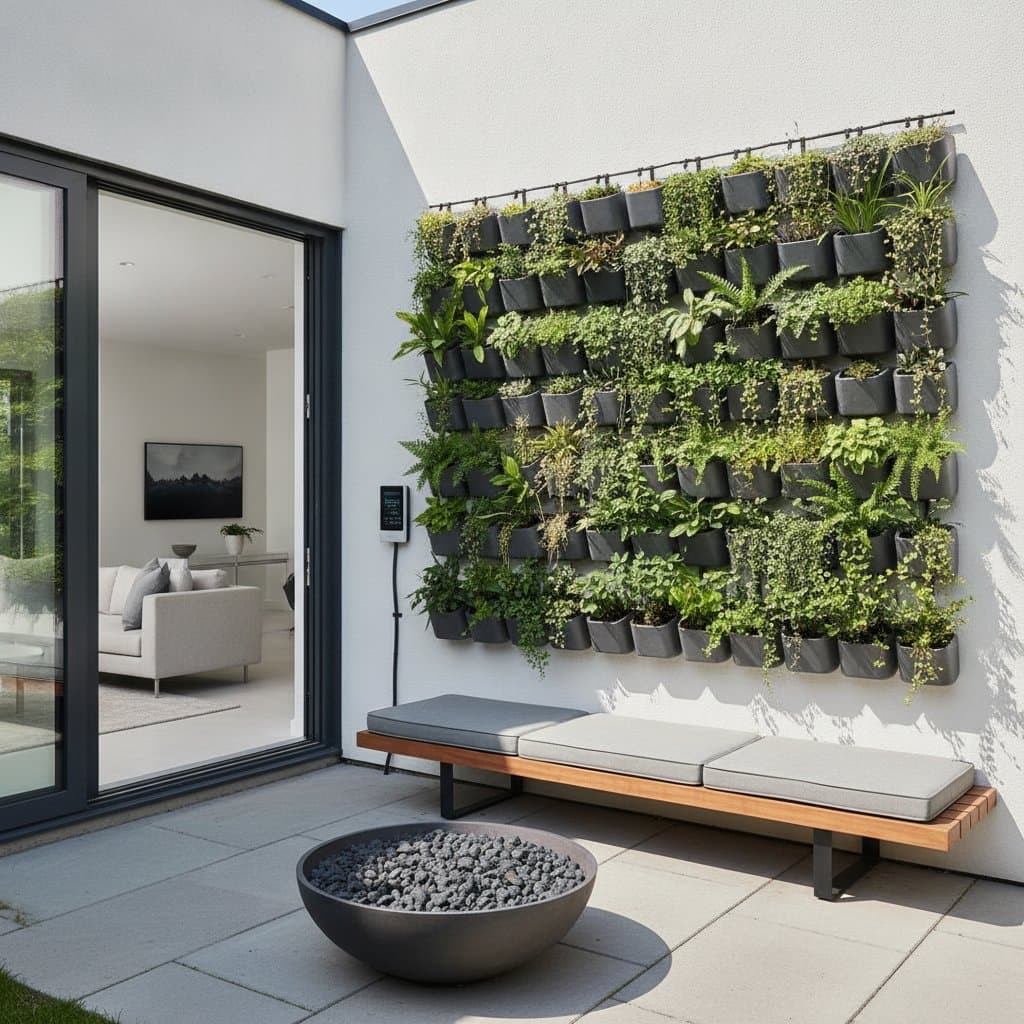
Living walls range from basic setups to sophisticated installations. Options include soil-filled modules with cascading flora or soilless hydroponic arrays that supply sustenance via roots. Versatility defines this method, allowing adaptation to diverse exposures from full light to deep shadow.
Designing an Effective Living Wall
Prior to assembly, evaluate the wall's integration with the broader yard. Assess solar access, airflow patterns, and adjacent features. Shaded northern orientations suit ferns, ivies, and mosses, whereas sunlit southern faces support drought-tolerant choices like sedums, culinary herbs, and blooming climbers.
Consider these design concepts:
- Layered composition: Mix foliage forms and hues for a patchwork visual dynamic.
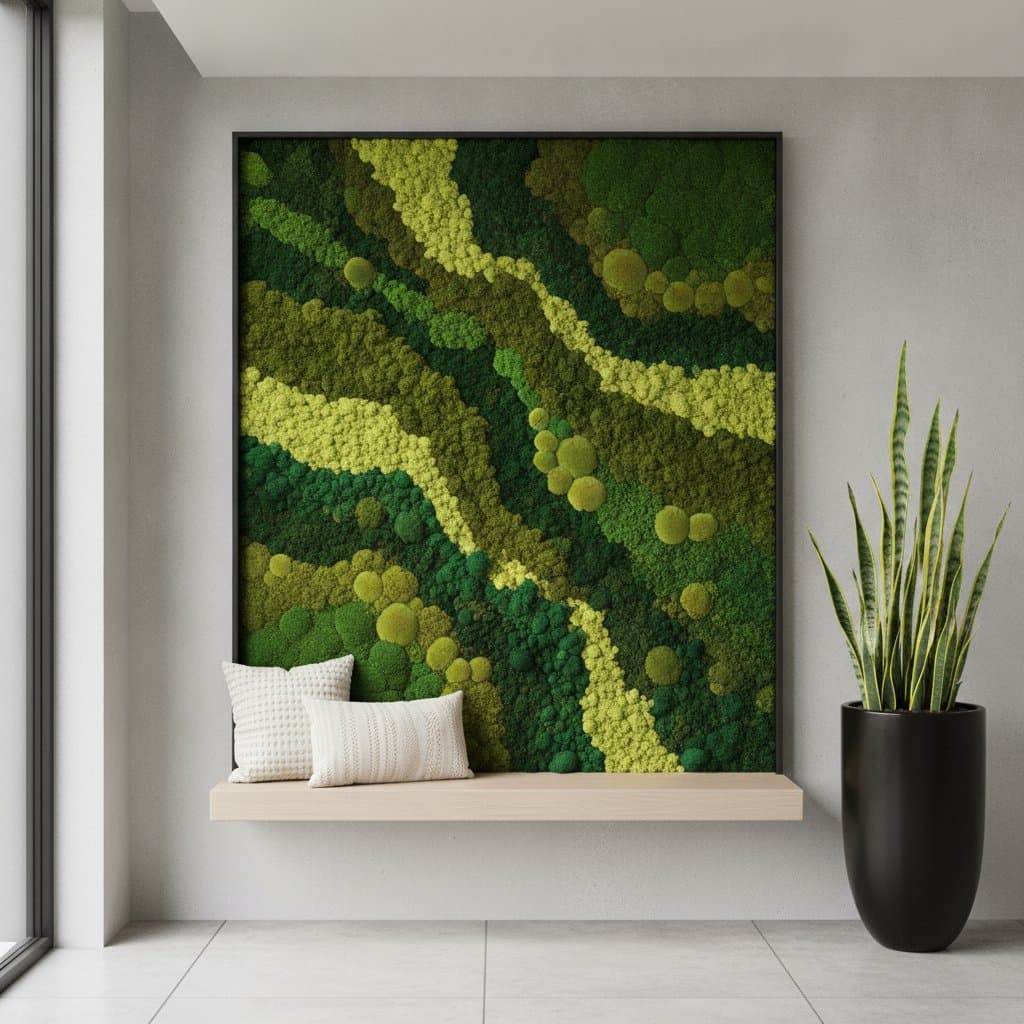
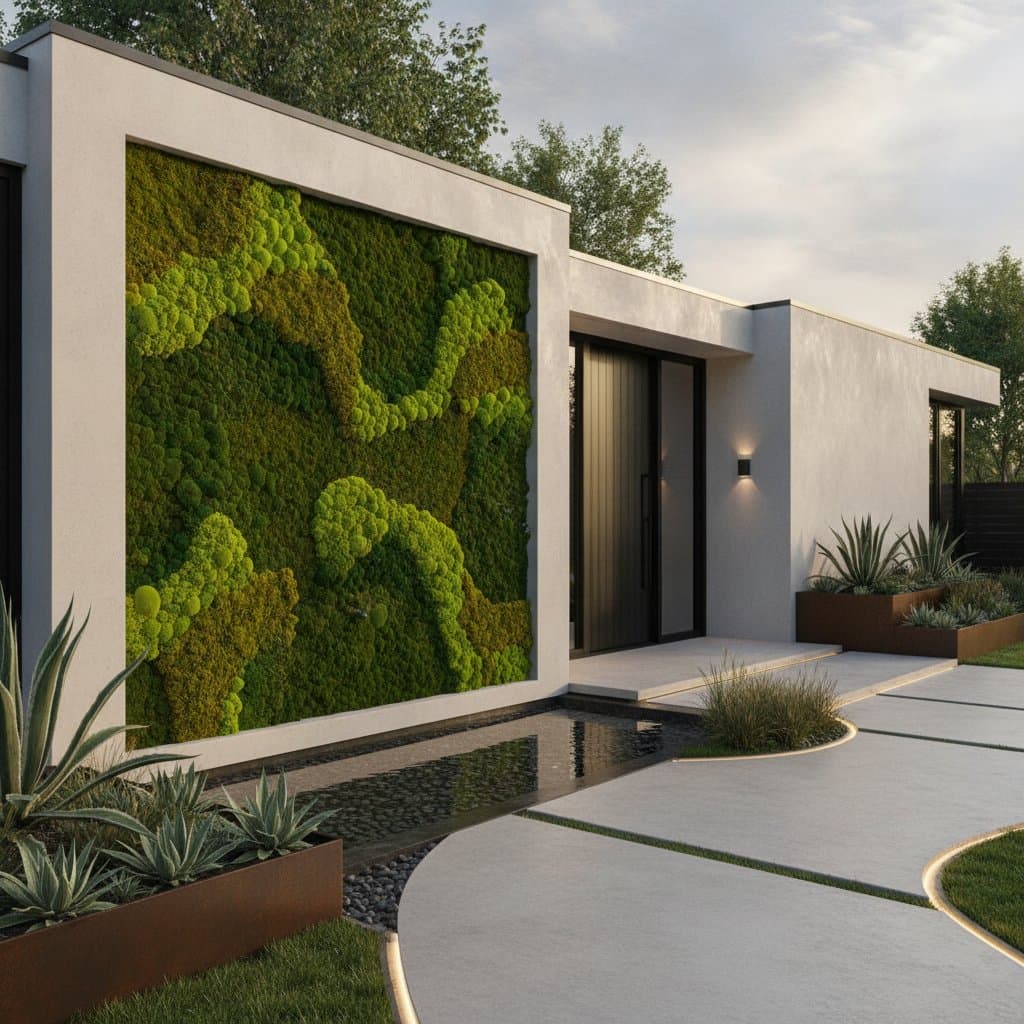
- Moss integration: Arrange moss types into motifs or tonal shifts on the facade.
- Functional greenery: Incorporate edibles such as basil, rosemary, and chives for aesthetic and utilitarian value near entrances.
- Wildlife attractor: Feature blooms to draw pollinators, fostering neighborhood ecology.
Sustainable Materials and Bases
The substrate for moss gardens and living walls holds equal importance to the vegetation. Opt for eco-friendly options like recycled timber, natural rock, or renewable bamboo to harmonize with plantings. Such choices develop patina over years, enhancing organic cohesion.
For securing moss, forgo synthetic glues. Prepare a biological slurry of blended moss, water, and yogurt or kefir to promote spore adhesion on substrates including slate, terracotta, or mortar. This technique, though experimental in appearance, yields reliable results through steady nurturing.
Guide to Establishing a Moss Carpet
- Clear the area. Eliminate weeds, litter, and unstable dirt. Moss thrives on firm, mildly acidic bases.
- Balance soil acidity. For alkaline grounds, apply elemental sulfur or sphagnum lightly to foster suitability.
- Source moss ethically. Harvest from personal property (avoiding conservation areas) or procure from reputable, eco-conscious vendors.
- Spread the slurry. Pulverize moss pieces with liquid and dairy, then apply evenly like a coating.
- Maintain hydration. Spray gently each day initially until colonization occurs.
- Allow establishment. Post-rooting, intervene only with sporadic watering in droughts.
Guide to Assembling a Basic Living Wall
- Choose the structure. Select a rigid frame of lumber or alloy with compartments for soil retention.
- Line the assembly. Install impermeable backing to shield the surface, followed by permeable geotextile for substrate support.
- Incorporate watering. Fit a low-flow emitter network for uniform hydration.
- Select compatible flora. Group varieties with aligned hydration and luminosity requirements.
- Position plants. Embed specimens firmly in voids, enveloping root zones completely.
- Secure the unit. Fasten via robust hardware to the target surface.
- Observe development. Prune excesses and refresh underperformers to sustain vigor.
Integrating Moss and Living Walls for Optimal Effect
Compelling yards unite ground-level and upright elements seamlessly. A moss-lined walkway culminating in a verdant vertical display welcomes visitors into an enveloping haven. This combination ensures fluid progression, elevating modest thresholds to refuges.
Employ moss for foundational stability and walls for vertical emphasis. A moss-clad footing stabilizes towering greenery, smoothing the earth-to-structure shift. Incorporate subtle fountains or pebble accents to evoke fluidity and resonance.
Maintaining the Natural Greenery
Established moss and living walls demand far less than turf equivalents. Moss benefits from steady dampness and indirect rays. Infrequent sprinkling suffices in arid periods; limit foot traffic to preserve structure.
Living walls require periodic checks on conduits and selective trimming to avert density issues. Swap faltering plants promptly to uphold form and fullness. Use organic amendments sparingly, favoring brewed compost or weakened kelp solutions for non-toxic feeding.
Professional Perspectives on Sustained Vitality
Landscape architect Marissa Green, celebrated for city-native designs, emphasizes routine vigilance over exhaustive efforts. "Small, regular care keeps the system balanced. You don’t need to overhaul it every season, just pay attention to how it responds to light and water."
This approach aligns with guiding natural progression rather than imposing order. Moss and living walls exemplify such evolution, maturing into richer, more nuanced forms across cycles.
Advantages Beyond Aesthetics: Well-Being and Ecology
Greenery-rich front yards extend past visual enhancement. They cultivate restorative settings that uplift mental states and concentration. Studies indicate that plant proximity alleviates tension and sharpens cognition, framing the household in tranquility.
Ecologically, living walls moderate thermal gain, curb urban heat, and shelter pollinators. Moss installations purify atmospheres and temper local climates organically. Collectively, they build resilient biomes benefiting inhabitants and surroundings alike.
Implementing Your Vision
Crafting a moss and living wall yard lies within reach for novices. Initiate with site assessment, inventive planning, and nature-attuned execution. Commence modestly, perhaps with a shaded moss patch or trial panel, scaling as proficiency builds. Their inherent flexibility accommodates evolving needs, locales, and visions.
Awaken daily to light piercing verdant strata, moisture beading on fronds, and subtle biotic whispers. This represents true harmony with the outdoors.