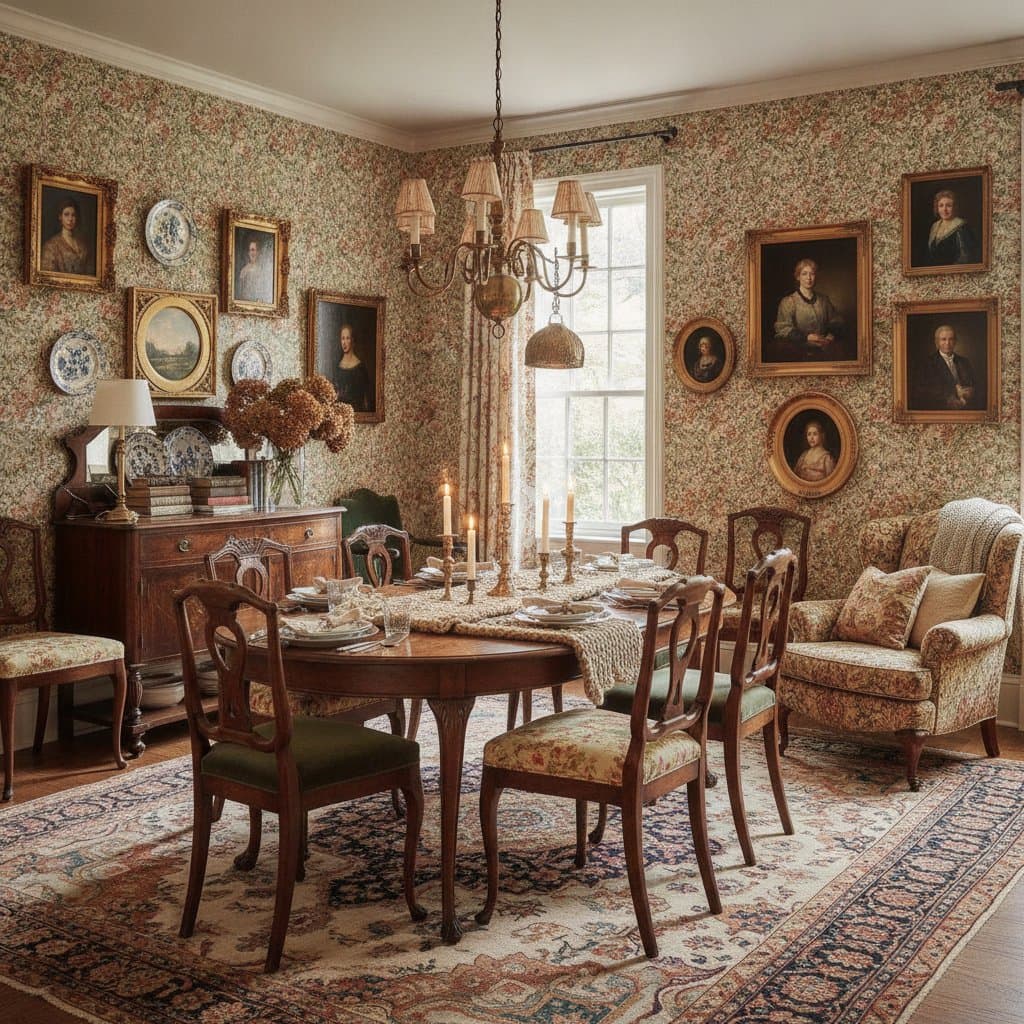
Acoustic Panels That Silence Dining Room Echoes
Acoustic Panels as Art: Creating Quiet Dining Rooms with Style
Hosting a dinner party where guests strain to hear conversations across the table highlights the challenges of poor acoustics. Hard surfaces such as glass tabletops, wooden floors, and tiled walls create an environment that amplifies noise, turning a pleasant meal into a fatiguing experience. Homeowners often tolerate this issue in open-concept designs, yet acoustic panels offer a practical solution that integrates seamlessly with decor, serving as both sound absorbers and decorative elements.
Understanding the Impact of Dining Room Noise
Dining rooms suffer from excessive noise due to prevalent sound-reflective materials. Hardwood flooring reflects low-frequency sounds, while large windows and bare walls cause mid-range echoes from voices. This combination leads to overlapping speech, increased vocal strain, and a less welcoming atmosphere, even in visually appealing spaces.
How Acoustic Panels Function in Everyday Spaces
These panels consist of porous materials like fiberglass or foam encased in fabric, designed to trap mid-to-high frequency sounds associated with human dialogue. By dissipating sound energy, they diminish reverberation times, allowing clearer communication without altering the room's volume. Effective results require strategic coverage of 20 to 30 percent of reflective surfaces.
In dining areas, sound paths typically involve parallel walls and ceilings. Positioning panels on opposing walls interrupts these paths, while acoustic clouds suspended from the ceiling target overhead reflections, particularly beneficial in vaulted or open layouts. Testing with a simple clap reveals hot spots where echoes persist, guiding precise placement.
Integrating Style and Sound Control
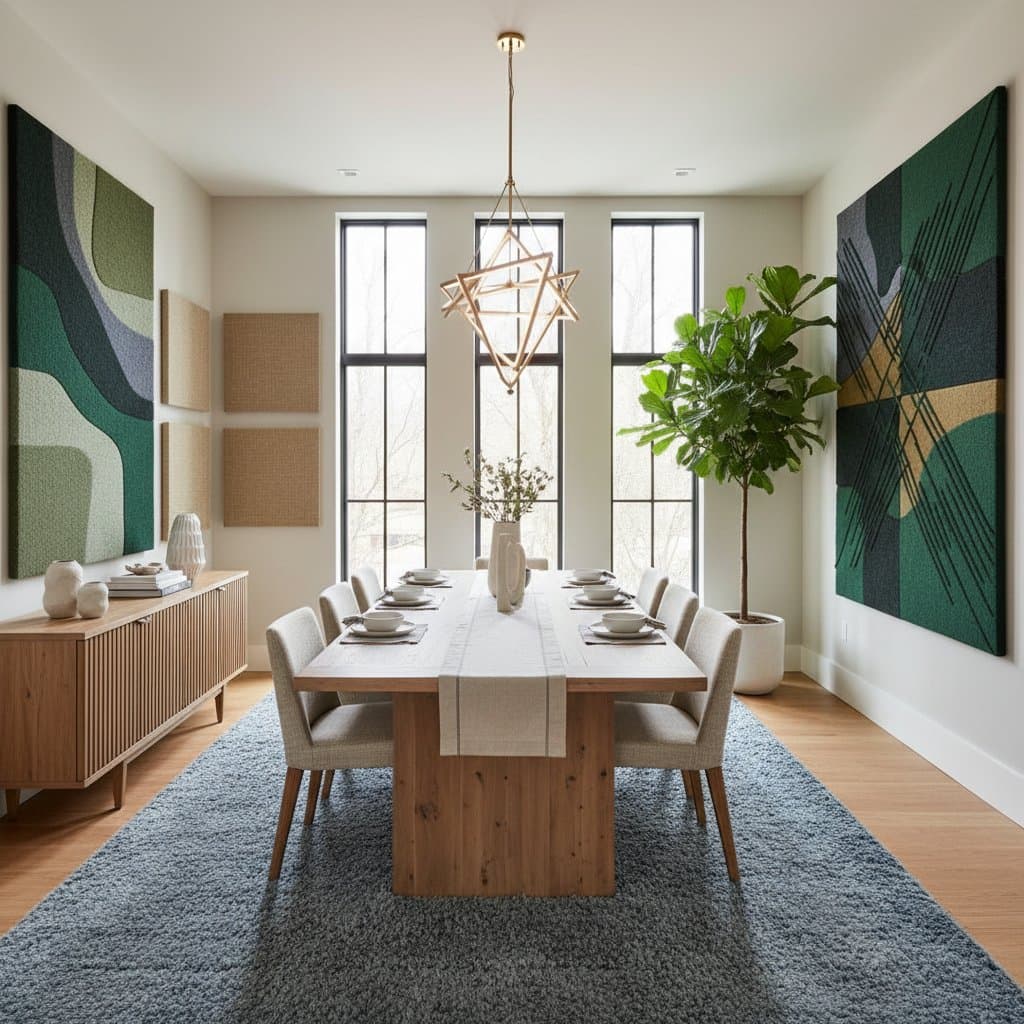
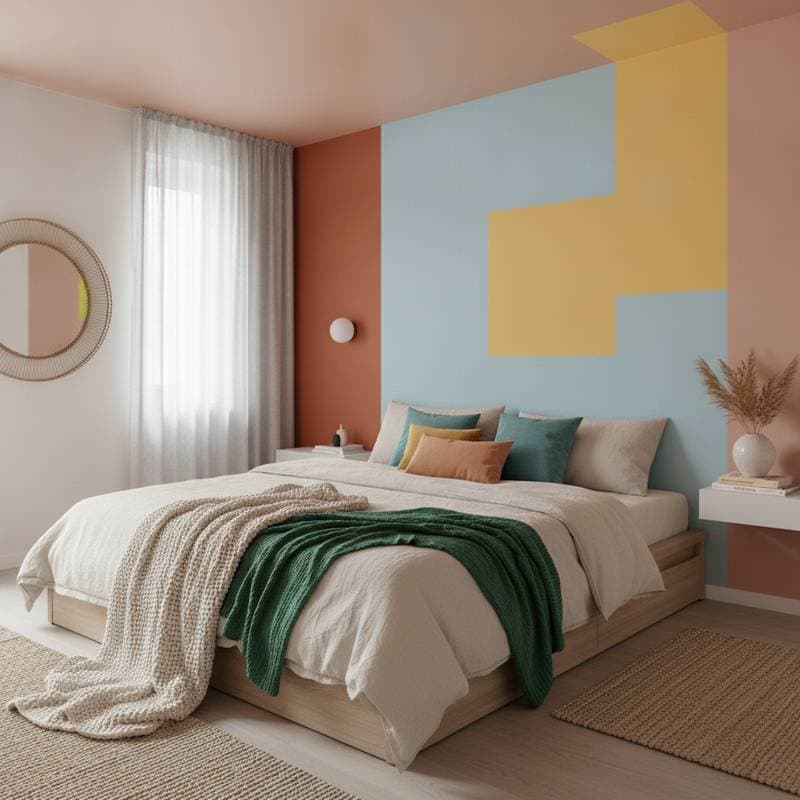
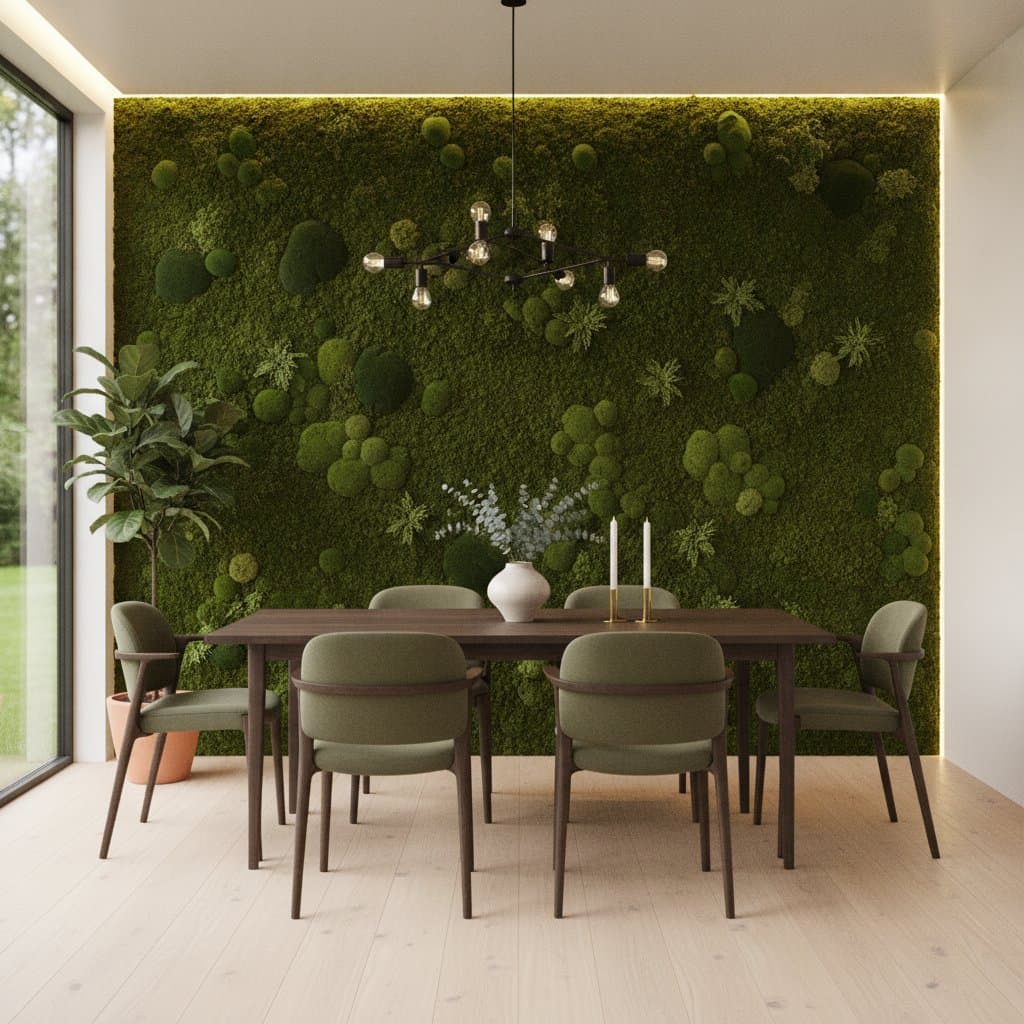
Contemporary options include panels wrapped in linen, velvet, or leather, available in neutral tones or bold hues to complement existing palettes. Custom printing allows incorporation of abstract patterns, landscape images, or family photos, transforming them into personalized gallery pieces. Framed versions with wooden or metal borders enhance a formal aesthetic.
For understated elegance, select panels that mimic wall textures or paint colors, blending invisibly until needed. Create visual interest by arranging panels in asymmetrical clusters or linear grids above seating areas. Such configurations not only dampen noise but also draw the eye, elevating the room's overall design.
Preparing for Successful Installation
Begin by assessing the room's dimensions and identifying primary reflective zones, such as the longest uninterrupted wall or the area above the table. Gather tools including a tape measure, laser level, adhesive hooks or Z-clips, and a power drill with appropriate bits. Scan for electrical wiring or plumbing using a stud finder to prevent accidents.
For multiple panels, arrange them on the floor to preview the layout, ensuring even distribution and alignment with furniture. Consider the room's lighting; panels with subtle sheen can reflect ambient glow without glare. If renting, opt for removable adhesives to avoid surface damage.
Step-by-Step Installation Guidance
Clean the installation surface thoroughly to ensure adhesion, then mark positions with pencil using a level for precision. Secure brackets into wall studs where possible for stability, spacing fasteners every 16 inches on larger panels. Attach the panel by aligning clips and pressing firmly until locked.
When installing several units, anchor the central piece first, then proceed symmetrically outward, verifying plumb lines at each step. Fabric-covered panels demand careful handling; use lint-free cloths to prevent oils from hands transferring during positioning. Allow 24 hours for adhesives to set before testing acoustics.
Ceiling applications involve wire grids or impaling clips rated for overhead loads. Measure drop distances to maintain clearance from light fixtures, and enlist a second person for safe maneuvering. Professional assistance proves invaluable for complex mounts, safeguarding against structural risks.
Avoiding Pitfalls in Acoustic Treatments
Undercovering surfaces represents a frequent oversight; isolated small panels yield negligible improvements. Calculate needs based on room volume: for a 200-square-foot space, target 40 to 60 square feet of panel coverage distributed evenly. Placement too high ignores seated ear levels, around 36 to 48 inches from the floor.
Neglect maintenance leads to diminished performance over time. Dust accumulation on fabric reduces absorption efficiency, so schedule quarterly vacuuming with low-suction tools. In moisture-prone areas, select panels with vinyl backings or sealed edges to resist humidity effects.
Achieving Lasting Acoustic Harmony
Implementing these panels fosters a dining environment where discussions unfold effortlessly, enhancing social connections. The transformation extends beyond silence, infusing spaces with intentional design that reflects personal taste. Begin with targeted additions to experience incremental benefits, gradually refining the setup to suit evolving needs.