Skill Level: Intermediate. Those with basic experience in woodworking or painting can handle most projects here.
Outcome: A welcoming, long-lasting dining space that combines traditional craftsmanship with modern functionality.
Why Dining Rooms Matter Again
In many homes, dining rooms once gathered dust as storage spots or waited for holiday use only. Grandmillennial style changes that by turning them into lively centers for family meals and conversations. This revival honors the joy of shared time at the table, strengthening connections through simple, everyday rituals.
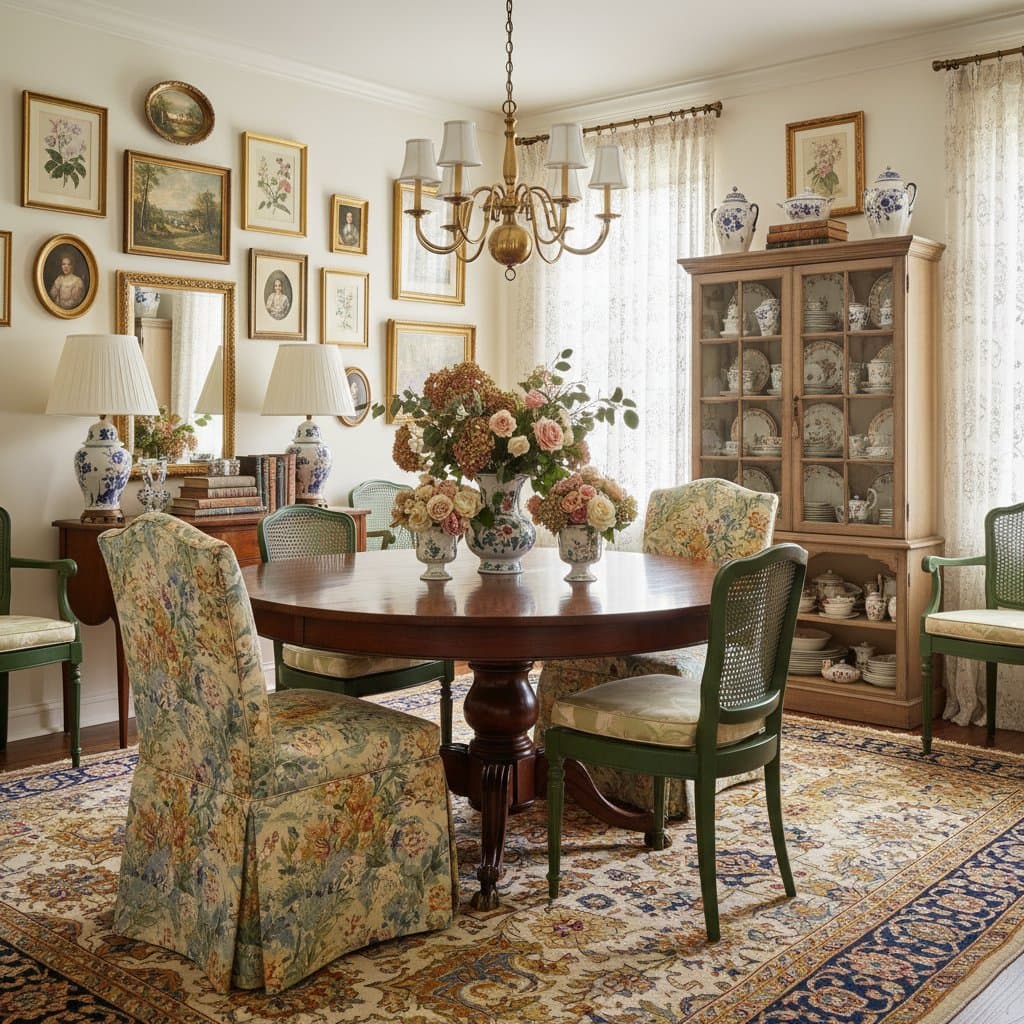
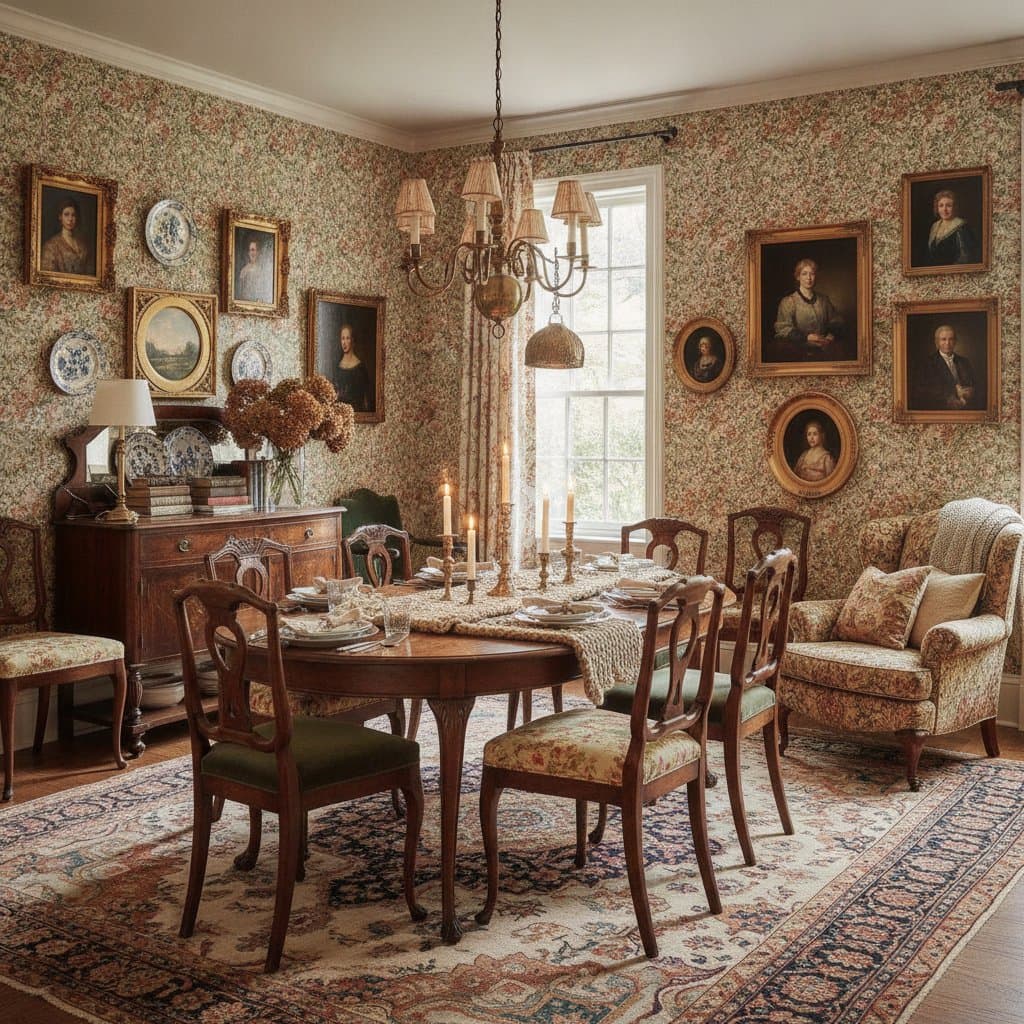
Traditional setups relied on sturdy wood tables, heavy drapes, and hand-stitched linens to make ordinary dinners feel special. Grandmillennial design builds on this by adding softer colors, mixed materials, and a touch of whimsy. Picture an antique sideboard filled with sleek modern dishes or classic chairs reupholstered in floral patterns; the magic lies in how these old and new elements blend effortlessly.
DIY or Hire a Pro? Choosing the Right Path
- Refinishing or painting furniture pieces
- Hanging wallpaper or adding fabric panels
- Replacing chair cushions
- Building simple shelves or wainscoting
When to Call in Experts:
- Structural fixes on antique cabinets
- Electrical work for lights or sconces
- Complex upholstery involving springs or tufting
With the right tools and patience, you can manage most visual updates on your own. Prepare surfaces carefully by stripping old finishes completely, then sand in stages to protect the wood. Rushing this step often leads to uneven paint or damage, so take time for clean, professional results.
Step-by-Step Guide to Your Grandmillennial Dining Room
1. Assess What You Already Have
Start by examining your current furniture and decor. Solid wood items usually deserve a refresh rather than replacement. Check for loose joints, wobbly legs, or worn finishes, and fix them with wood glue and screws. Well-maintained vintage pieces outlast cheap new ones in durability and charm.
2. Prepare and Refinish Surfaces
Strip away old paint or varnish using a chemical stripper or sandpaper. Begin with 120-grit sandpaper to remove bulk, then switch to 220-grit for smoothness. Wipe away all dust before applying primer, paint, or stain. Choose warm tones like light oak or deep walnut for authenticity, or soft neutrals such as cream or pale blue to keep the look airy and true to the style.
3. Add Pattern and Texture to Walls
Wallpaper sets the room's tone with its bold designs. Look for florals, subtle geometrics, or chinoiserie patterns that nod to classic elegance. Apply it sparingly, perhaps just on an accent wall or inside cabinet doors, to avoid overwhelming the space. Fabric panels behind open shelves offer a softer, removable option that adds depth without commitment.
4. Update Chair Upholstery
Reupholstering chairs provides quick impact with big rewards. Remove old fabric and foam, then cut new pieces to fit exactly. Choose durable fabrics like chintz prints, stripes, or jacquard weaves in coordinating colors, and staple them securely for a smooth finish. This step personalizes the seating while tying into the room's overall palette.
5. Layer Lighting for Ambiance
Lighting shapes the mood, so start with a statement chandelier in brass or crystal. Add table lamps or wall sconces around the edges for even illumination. Select bulbs with warm white light (around 2700K) to enhance coziness, and opt for LED versions to save energy without sacrificing glow.
6. Style Thoughtful Displays
Fill shelves and tabletops with family heirlooms like china plates, silverware, or etched glassware. Mix in fresh elements such as woven baskets or handmade pottery for contrast. Arrange greenery, like potted herbs or dried branches, to bring natural texture and connect the space to its traditional roots.
Budget-Friendly Strategies
You do not need to spend a fortune to achieve grandmillennial elegance. Hunt for deals at flea markets, estate sales, or online marketplaces where solid wood furniture sells cheaply. Imperfections on the surface rarely affect the core strength, and a weekend of sanding and painting can turn finds into focal points. Reuse what you have, and invest only in high-impact items like quality fabric or hardware.
Tips for Polished, Lasting Results
- Mix Textures Thoughtfully: Combine smooth wood with soft linens and metallic accents to create visual interest.
- Edit for Impact: Let key pieces shine by avoiding clutter; less often means more elegance.
- Scale to Your Space: In smaller rooms, choose compact tables and slim chairs to maintain flow.
- Maintain Finishes Regularly: Dust with microfiber cloths and reapply sealant yearly to keep surfaces vibrant.
- Welcome Imperfection: Focus on quality materials that age gracefully, adding authentic patina over time.
Keeping the Warmth Alive
Once complete, your grandmillennial dining room becomes a hub for memories and meals. It honors craft traditions while adapting to modern life, growing richer with each story it holds. This design choice reminds us that true style endures, built on respect for materials and the hands that shape them.