Gen Z Revives Chintz: Grandmillennial Dining Trends
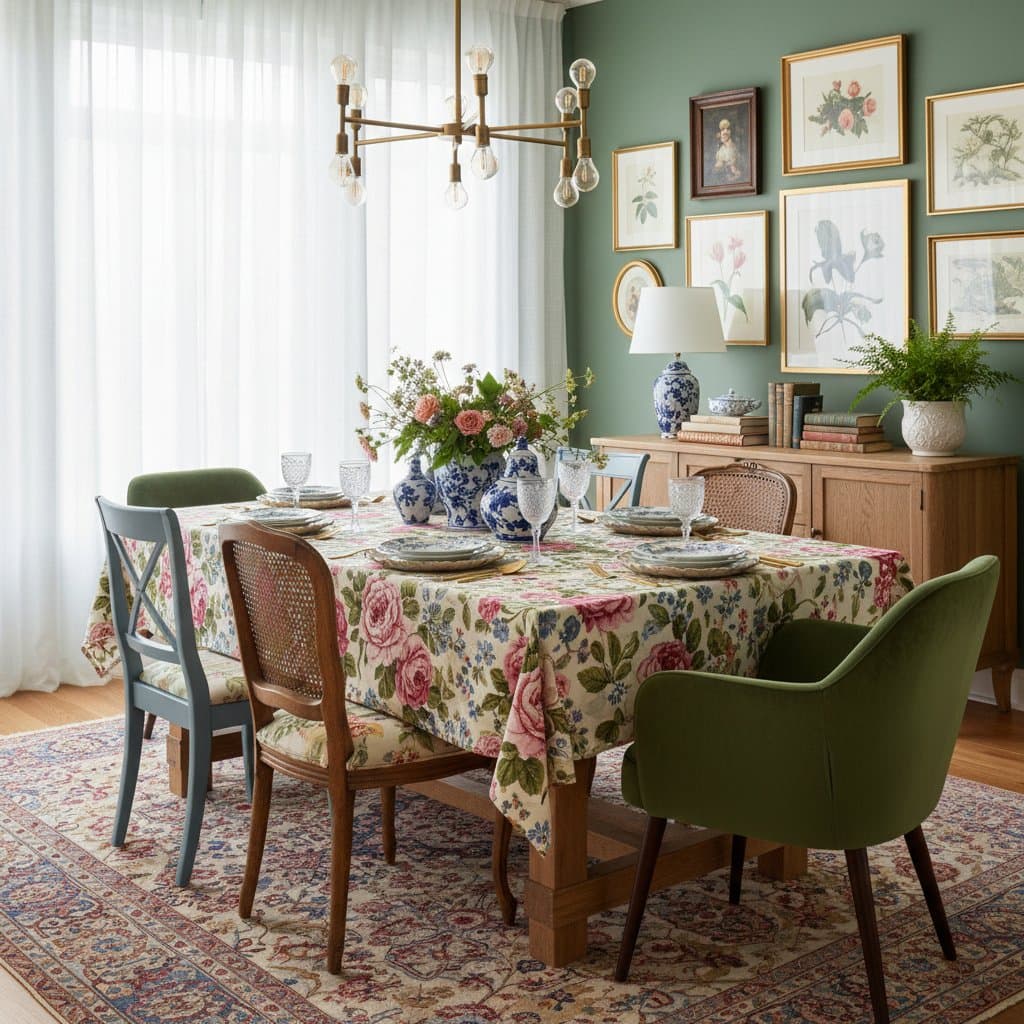
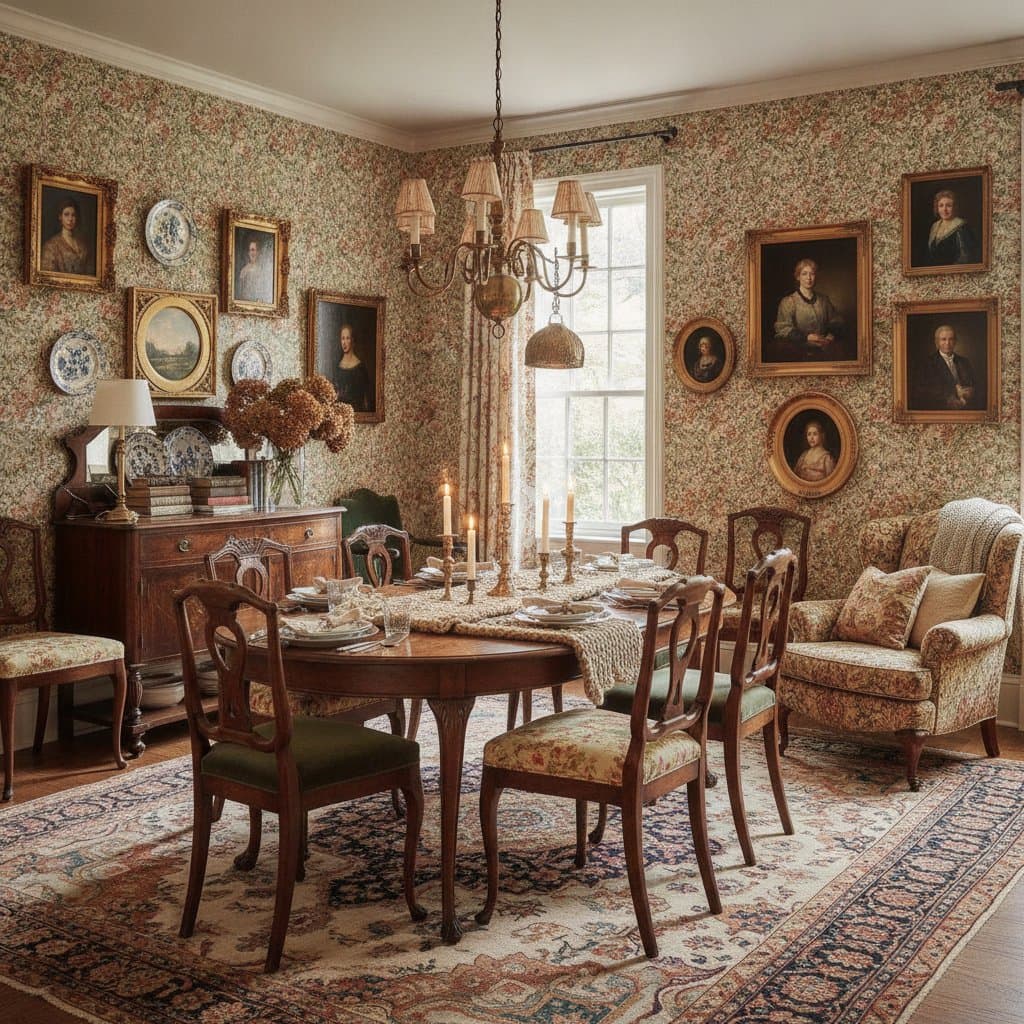
When chintz patterns began appearing in dining rooms across social media, the sight prompted a moment of recognition. These designs recalled floral fabrics from past generations, evoking memories of family gatherings and familiar scents. Yet the contemporary versions differ markedly. They integrate bold patterns with fresh elements, creating spaces that honor nostalgia without appearing dated. Surprisingly, the trend originates from Gen Z individuals, who bring innovative perspectives to traditional motifs.
Professionals in home design observe numerous revivals over time, from mid-century modern to farmhouse styles. The grandmillennial movement stands apart, particularly in dining areas. It emphasizes genuine comfort and a subtle defiance of minimalism, fostering environments that resonate on an emotional level.
The Appeal of Pattern and Personality
A Personal Shift Toward Tradition
Chintz once seemed excessive for personal spaces, rooted in memories of overly patterned furnishings from childhood. Preferences leaned toward neutral woods and simple fabrics. Research for a design publication changed that perspective.
Sample chintz placemats transformed a plain table setting during a photoshoot. The patterns elevated basic dishware and infused the area with vitality. Gradually, additions like a chintz runner and varied floral linens followed. Thrifted teacups completed the evolution, turning experimentation into an appreciation for layered warmth.
Reasons Gen Z Adopts Grandmillennial Elements
Conversations with emerging designers reveal a desire for authenticity among younger clients. One Brooklyn professional noted that individuals in their twenties seek patterns evoking family traditions and early memories. Uniformity in design fatigues them.
The style provides reassurance through its deliberate pace and personal depth. Unlike fleeting trends, elements like chintz and porcelain endure, suitable for inheritance and longevity. Gen Z refreshes these by incorporating them sparingly alongside modern features.
A floral-upholstered seat might accompany a streamlined table, or patterned walls could border polished concrete. This fusion respects heritage while aligning with current tastes, yielding harmonious results.
Incorporating Chintz Thoughtfully in Dining Areas
Those interested in the trend may hesitate, fearing an outdated appearance. Begin modestly to test compatibility. Restraint ensures patterns enhance rather than dominate.
-
Introduce textiles first. Opt for linens, cushions, or napkins in chintz. These items allow easy adjustments.
-
Blend eras. Pair antique fabrics with current forms. A modern table supports floral treatments if colors harmonize.
-
Apply wallcoverings selectively. Limit chintz paper to a single surface or upper wall section for focused impact.
-
Incorporate neutral bases. Balance patterns with plain dishware or simple accents to provide visual relief.
-
Welcome asymmetry. Inherited items and varied motifs add narrative charm. Precision yields to organic appeal.
The Deeper Connection to Nostalgia
Design trends mirror societal emotions, and grandmillennial dining captures a yearning for bonds. Tables reminiscent of family meals evoke gatherings, regardless of the menu.
Chintz embeds history in its design, suggesting generosity and extended conversations. Younger owners prioritize experiential spaces, reviving dinner rituals with collected glassware and deliberate setups. Dining areas reclaim significance as hubs of interaction.
Benefits of Traditional Design in Practice
Beyond aesthetics, the revival offers utility. Chintz materials resist stains and wear effectively. Printed cloths conceal mishaps, and patterned drapes mask daily traces.
Adaptation sustains relevance, much like enduring narratives. Current chintz appears in versatile fabrics with enhanced care options, ideal for active households.
Insights from Everyday Applications
Reader accounts highlight the trend's accessibility. A Queens resident reupholstered inherited chairs in florals, inspiring regular hosted events. Another discovered a budget tablecloth that anchored her room's theme.
Such experiences underscore design's role in self-expression. Grandmillennial aesthetics encourage sentimentality, bridging past and present.
Strategies for a Contemporary Edge
Avoid dated impressions by refining presentation. Consider these approaches refined through practice:
-
Vary pattern size. Larger motifs suit modern sensibilities and expand perceived space in compact areas.
-
Unify with color. Echo a key shade from the chintz in other elements like flooring or decor for cohesion.
-
Select modern illumination. Distinctive fixtures elevate classic textiles.
-
Integrate organic materials. Wood or woven accents temper floral intensity with grounded texture.
-
Refine selectively. Eliminate excess patterns to restore equilibrium.
Embracing Heritage in Daily Life
Initial skepticism gave way to enthusiasm in a modest home setting. A chintz runner, refreshed cabinet, and eclectic dishware now define the space. Imperfections enhance its authenticity.
Visitors note the welcoming atmosphere. The approach values accumulated layers, crafting environments that reflect personal journeys.
Steps to Integrate the Style Personally
Transformation requires no major changes. Select a single item that sparks joy, such as a patterned tray or cushion. Allow it to influence subsequent choices.
Renters benefit from temporary solutions like adhesive wall treatments. Affordable sourcing through secondhand channels supports experimentation. Focus remains on blending sentiment with timeliness.
Reconsider floral elements with openness. The revival extends beyond visuals to evoke delight and continuity in living spaces.