Key Points
- Artistic acoustic panels integrate aesthetics and acoustics to convert chaotic dining areas into peaceful venues ideal for meaningful dialogue.
- Soundproofing extends beyond commercial settings; homeowners increasingly incorporate these solutions for guest entertainment or intimate family gatherings.
- Strategic placement and material selection significantly impact noise levels, enabling customized acoustic management in any space.
- Acoustically enhanced artwork elevates functional elements into decorative highlights that boost overall room design.
- Simple maintenance and adaptable installations ensure these panels suit dynamic interiors while preserving both style and sound control.
The Emergence of Sound-Aware Dining Design
Open-concept floor plans, sleek minimalist finishes, and durable surfaces such as glass, marble, and concrete have long defined modern interiors. These elements, though visually appealing, often intensify echoes and reverberations in both residential and commercial spaces. As a result, professionals in design and architecture have observed a surge in requests for environments that maintain beauty while promoting acoustic tranquility.
Integrating Artistry with Acoustic Performance
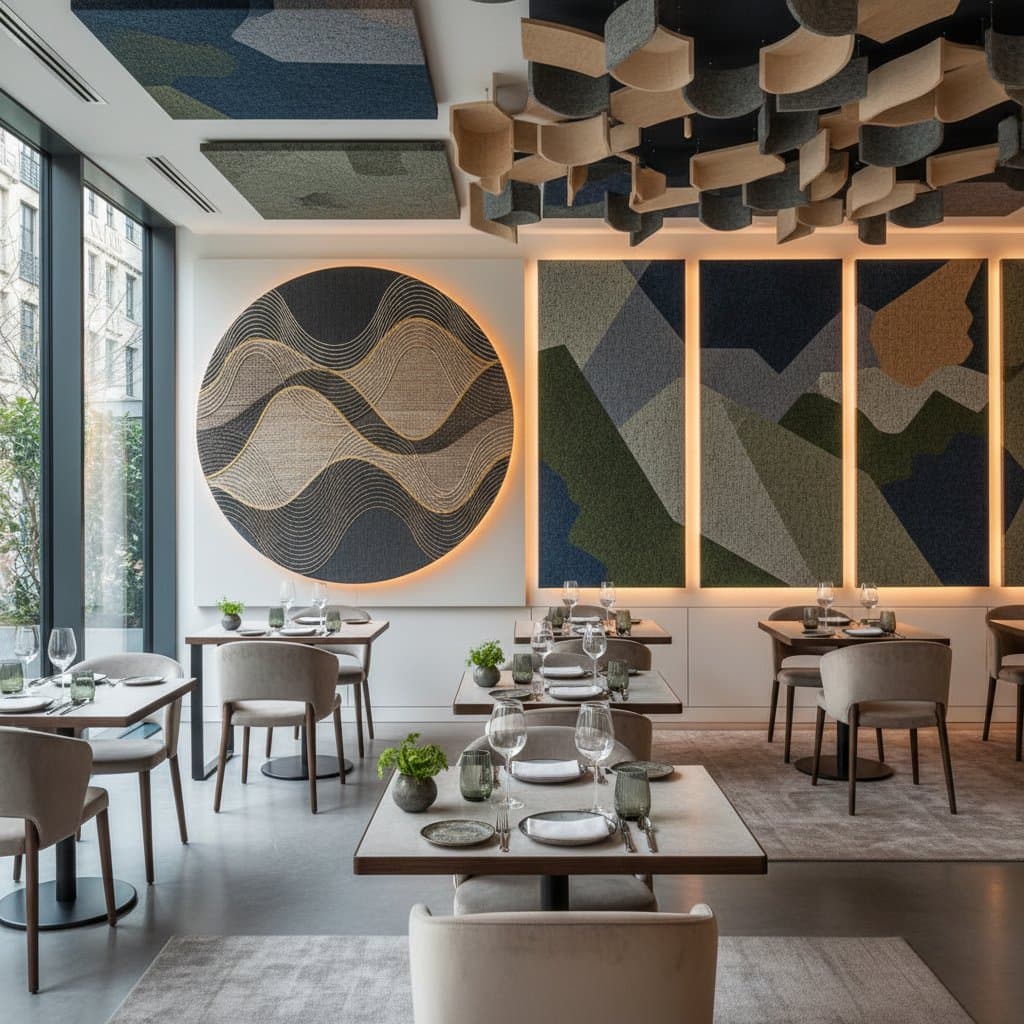
Historically, sound management remained concealed, integrated into flooring or structural elements without drawing attention. Current design philosophies emphasize exposure and integration. Artistic acoustic panels now serve as focal points, exemplified by collections of bold geometric patterns on absorbent substrates or expansive murals on tensioned fabrics that mitigate echoes.
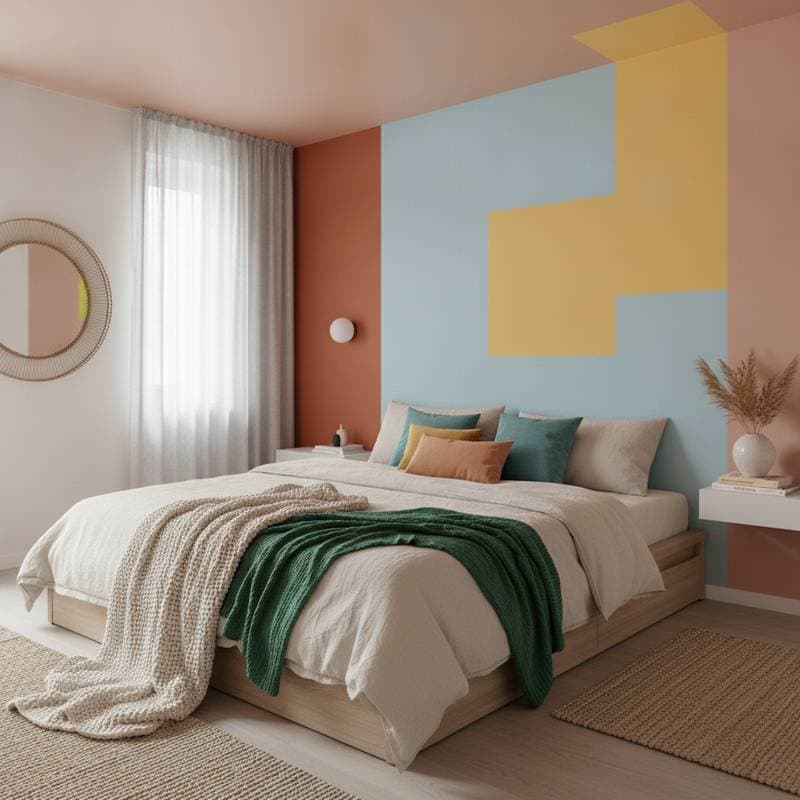
Professionals partner with visual artists to develop tailored series aligned with thematic visions. For instance, a coastal-inspired dining area might incorporate panels in gentle azure tones with wave motifs, whereas an industrial-style room could feature matte black panels etched with metallic accents. Each installation appears as a deliberate artistic choice, seamlessly woven into the broader decor narrative.
Interior designer Marissa Nolan noted in a recent discussion, “Clients used to associate acoustic panels solely with professional audio environments. Now they request integrations in dining and lounge areas, recognizing that subdued sound contributes to an elevated sense of indulgence.”
Embracing Quiet Luxury in Everyday Spaces
Quiet luxury embodies refined elegance through subtlety, quality craftsmanship, and measured restraint, a concept resonating across interior design and fashion realms. Acoustic panels align seamlessly with this ethos, demonstrating meticulous care for sensory harmony. They underscore a dedication to holistic comfort, where visual and auditory elements coalesce to create inviting atmospheres.
In restaurant settings, this approach influences patron dynamics: guests extend their visits, engage more deeply in discussions, and experience smoother service interactions. Within households, such enhancements promote stronger familial bonds during meals, free from disruptive ambient noise. Ultimately, effective sound design cultivates mindfulness, transforming routine dining into moments of genuine connection.
Perspectives from Acoustics Professionals
Acoustic consultant David Lin addresses common misunderstandings about noise mitigation. “Complete sound isolation proves unnecessary for most applications,” he states. “The priority lies in achieving audible clarity through reflection control, which artistic panels accomplish effectively without overcomplicating the environment.”
Architectural sound designer Kim Ortega emphasizes perceptual influences. “Visual cues like plush textures or intricate patterns prime occupants for relaxation,” she observes. “This anticipation enhances the subjective experience of acoustics, amplifying the panels’ practical benefits.”
These observations reveal that acoustic effectiveness extends beyond measurable decibels; it shapes emotional responses and spatial perceptions in profound ways.
Allocating Resources for Acoustic Enhancements
Costs for artistic acoustic panels fluctuate based on fabrication materials, personalization levels, and mounting requirements. Standard configurations offer accessible entry points, while custom commissions involving artistic input incur premium pricing. Nevertheless, these solutions deliver superior return on investment relative to comprehensive overhauls or invasive soundproofing measures.
Experts advocate a phased strategy, beginning with high-impact zones such as ceilings over primary seating or walls adjacent to noise sources like open kitchens. In compact dining enclosures, perimeter wall treatments yield optimal results. This methodical progression permits assessment of acoustic improvements, facilitating informed decisions for subsequent expansions.
Consider evaluating panel density: for moderate echoes, 20 to 30 percent wall coverage suffices, whereas lively spaces may require up to 50 percent. Pairing with complementary elements, such as area rugs or fabric dividers, amplifies outcomes without excessive expenditure.
Sustaining Acoustic and Aesthetic Harmony
Preserve the balance of form and function through targeted practices:
-
Periodically update panel designs or reposition them to maintain visual interest and adapt to seasonal themes.
-
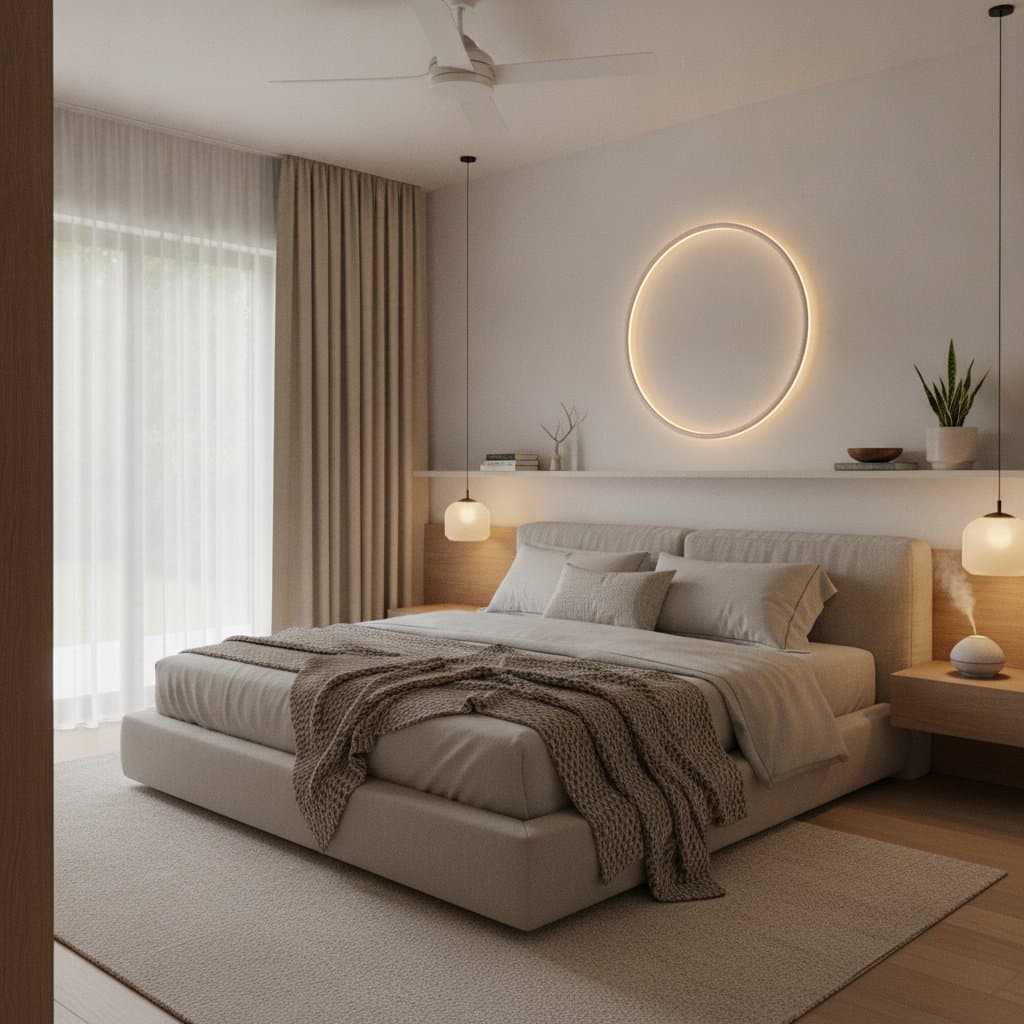
Complement installations with complementary soft elements, including cushioned seating or layered drapery, to achieve multifaceted sound diffusion.
-
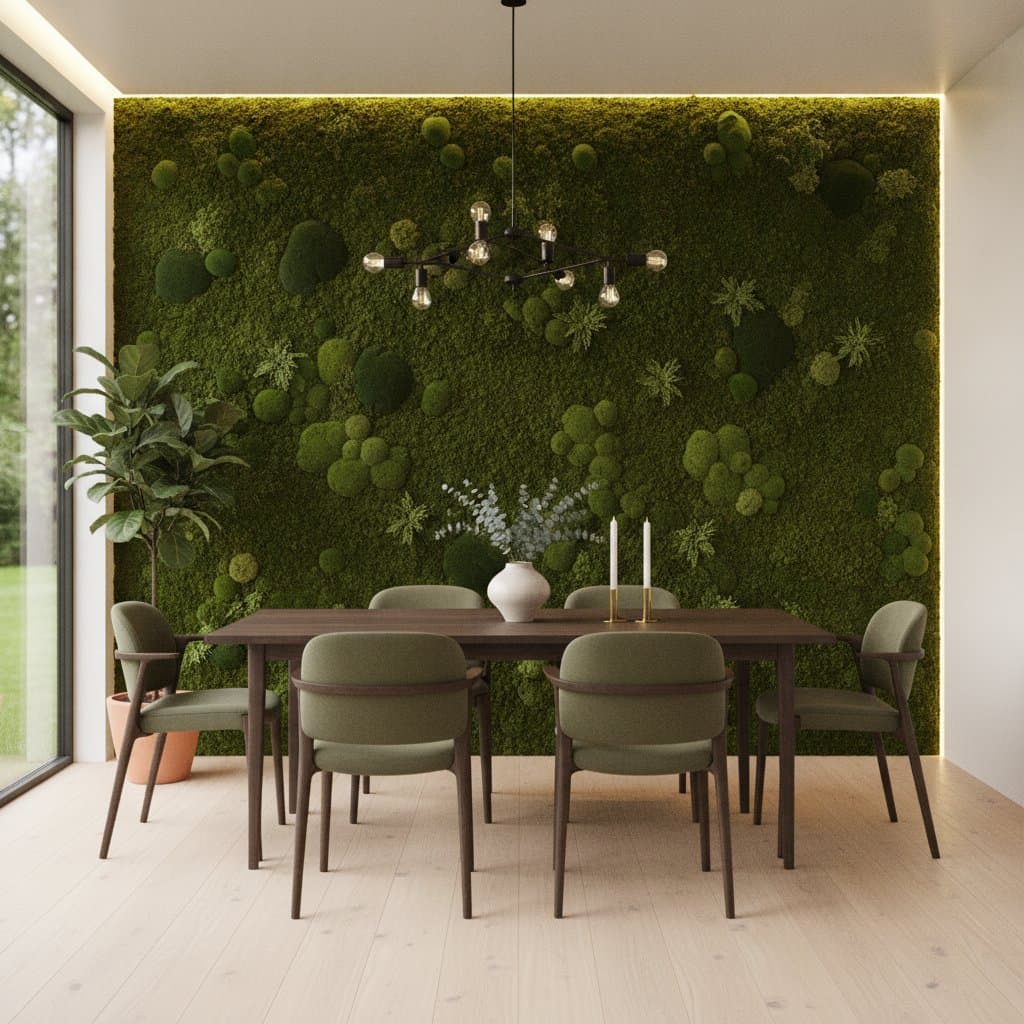
Employ ambient illumination to accentuate surface details, positioning panels as intentional design anchors.
During renovations, integrate acoustic planning from the outset: map reflective zones early and align furniture configurations accordingly. This proactive integration avoids retroactive adjustments, ensuring enduring performance.
The adoption of artistic acoustic panels not only refines immediate dining experiences but also future-proofs spaces against evolving lifestyle demands. By prioritizing sensory equilibrium, these elements foster environments where every gathering thrives in clarity and composure.