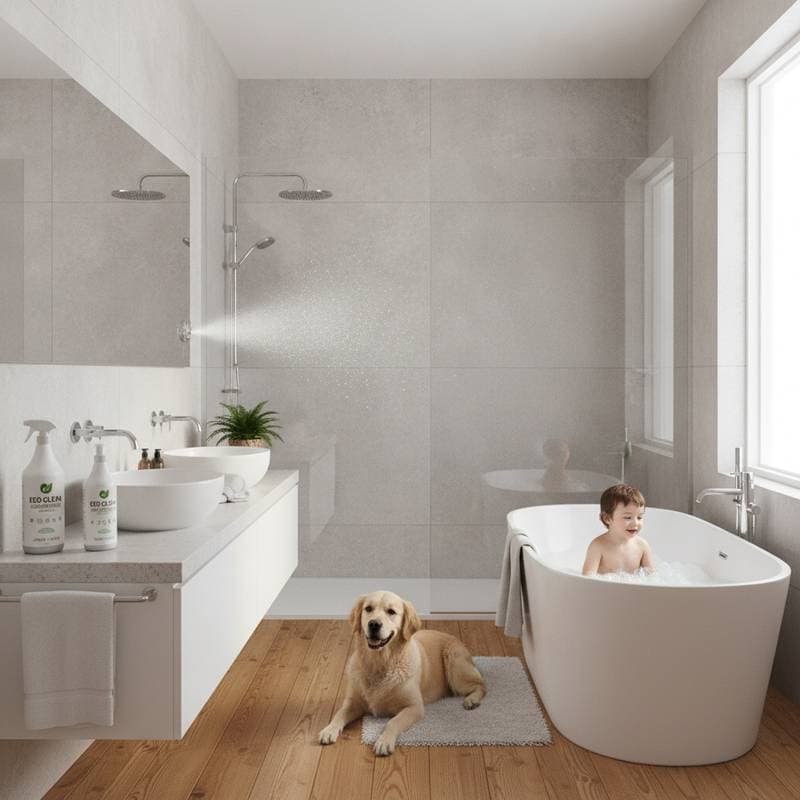
Natural Enzyme Cleaners That Remove Pet Odors Effectively
Sharing a home with pets often brings unexpected odors from accidents, muddy paws, and other messes. Traditional sprays typically mask these smells with fragrances that fade quickly. Enzyme cleaners address the root cause by breaking down organic material at the molecular level.
These solutions provide a safe, sustainable choice for households that want to avoid harsh chemicals.
Key Takeaways
- Enzyme cleaners remove pet odors by breaking down organic materials at the molecular level.
- They remain safe for children and pets when used as directed.
- Specific enzymes target proteins in urine or fats in food spills.
- Natural formulas serve as eco-friendly alternatives to synthetic sprays.
- Thorough application and adequate dwell time ensure complete odor removal.
The Problem with Traditional Cleaners
Many commercial sprays rely on alcohol and perfumes that cover odors temporarily. The underlying bacteria stay active, so smells return within hours or days. These products can also irritate sensitive respiratory systems in both pets and children.
Switching to enzyme-based options eliminates the cycle of reapplication.
What Are Enzyme Cleaners?
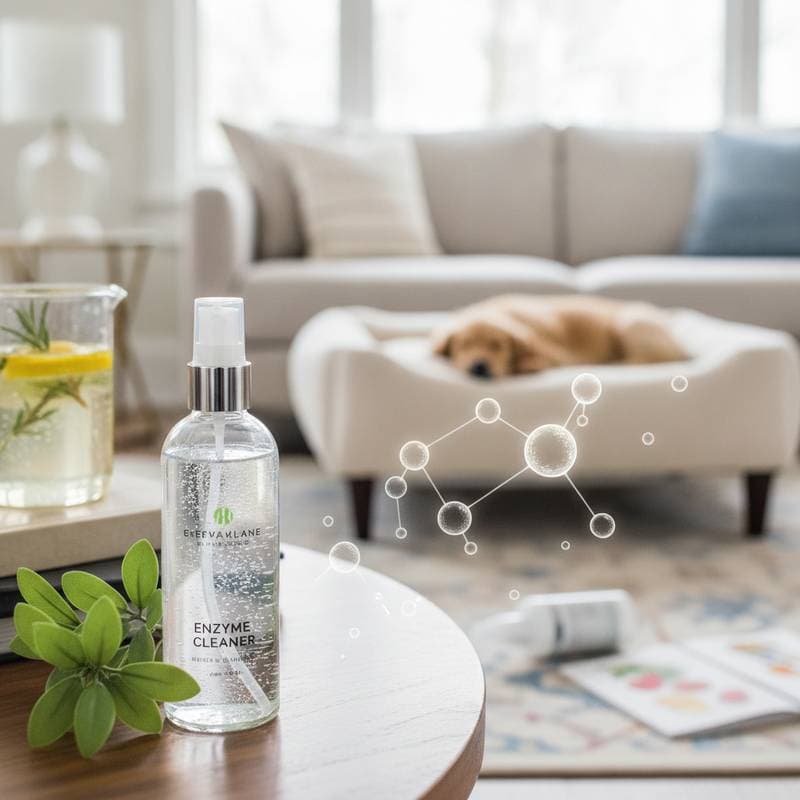
Enzyme cleaners contain proteins that accelerate the breakdown of organic compounds. When applied to urine, vomit, or feces, the enzymes digest the molecules responsible for stains and odors. The result is water, carbon dioxide, and other harmless byproducts.
Different enzymes address different substances. Protease breaks down proteins in urine and blood. Amylase targets starches from food. Lipase dissolves fats and oils. Multi-enzyme blends handle varied pet messes on multiple surfaces.
Why Enzyme Cleaners Work Better on Pet Odors
Enzyme formulas penetrate carpet fibers, padding, and other porous materials. Standard cleaners often stop at the surface, leaving bacteria below. Enzyme action continues until the organic source is fully digested.
Test results on jute rugs and upholstery show that odors disappear permanently once the enzymes complete their work.
Choosing the Right Natural Enzyme Cleaner
Select products labeled enzyme-based and biodegradable. Avoid added fragrances that may encourage pets to remark treated areas. Check concentration levels so one bottle serves both heavy and routine cleaning.
Consider these factors before purchase:
- Surface compatibility. Test on a small section of hardwood or fabric first.
- Enzyme profile. Prioritize protease and lipase for pet waste.
- Dilution options. Concentrates reduce long-term cost.
- Packaging. Refillable containers minimize plastic waste.
The Science Behind Odor Elimination
Pet odors arise when bacteria consume urea, proteins, and fatty acids. Enzyme cleaners interrupt this process by dismantling the compounds before bacteria can produce volatile gases. Activity persists after the surface appears dry.
The chemical change prevents recurrence rather than merely neutralizing the current smell.
Common Applications for Pet Owners
- Carpets and rugs: Saturate the area, allow full dwell time, and air dry without early blotting.
- Hard floors: Apply a diluted solution to remove invisible residues that attract repeat visits.
- Pet bedding: Add the cleaner to the wash cycle to remove embedded odors.
- Upholstery: Mist lightly, blot excess, and let sit several hours before airing.
- Litter boxes and crates: Spray after washing to neutralize residual scent.
Keep both a concentrated version for accidents and a ready-to-use dilution for daily maintenance.
DIY Natural Enzyme Cleaner Options
A basic homemade version uses citrus peels, brown sugar, and water. Combine the ingredients in a sealed container, loosen the cap periodically to release gas, and strain after several weeks of fermentation. The resulting liquid works on light jobs such as paw prints and bedding refresh.
Commercial formulas remain stronger for set-in stains.
Safety and Storage Tips
Follow label dilution instructions and never mix enzyme cleaners with bleach or vinegar. Store bottles in a cool, dark cabinet to preserve enzyme activity. Keep products out of reach of children and pets as a standard precaution.
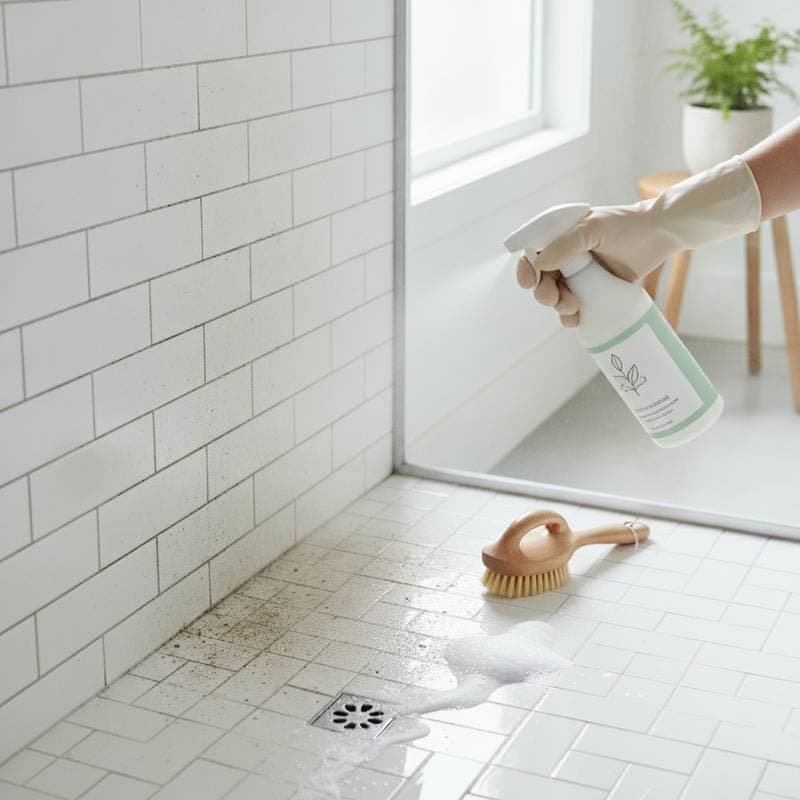
Wear gloves during cleanup to maintain hygiene.
Expert Advice for Long-term Odor Control
Treat accidents immediately to limit penetration depth. Maintain a small spray bottle in a convenient location for quick response. Wash pet bedding weekly and vacuum high-traffic areas to reduce odor buildup over time.
A combination of daily natural vinegar sprays and targeted enzyme treatments balances freshness and effectiveness.
Global Inspiration: Natural Cleaning Traditions
Fermented fruit peels have long served cleaning roles in rural regions. Similar practices appear in compact urban households where space limits ventilation. These methods demonstrate that enzyme-style cleaning aligns with longstanding resource-efficient habits.
Living with a Fresher, Healthier Home
Consistent use of enzyme cleaners leaves fabrics and air neutral rather than perfumed. Pets show less interest in previously soiled spots. Families notice improved daily comfort without added chemical exposure.