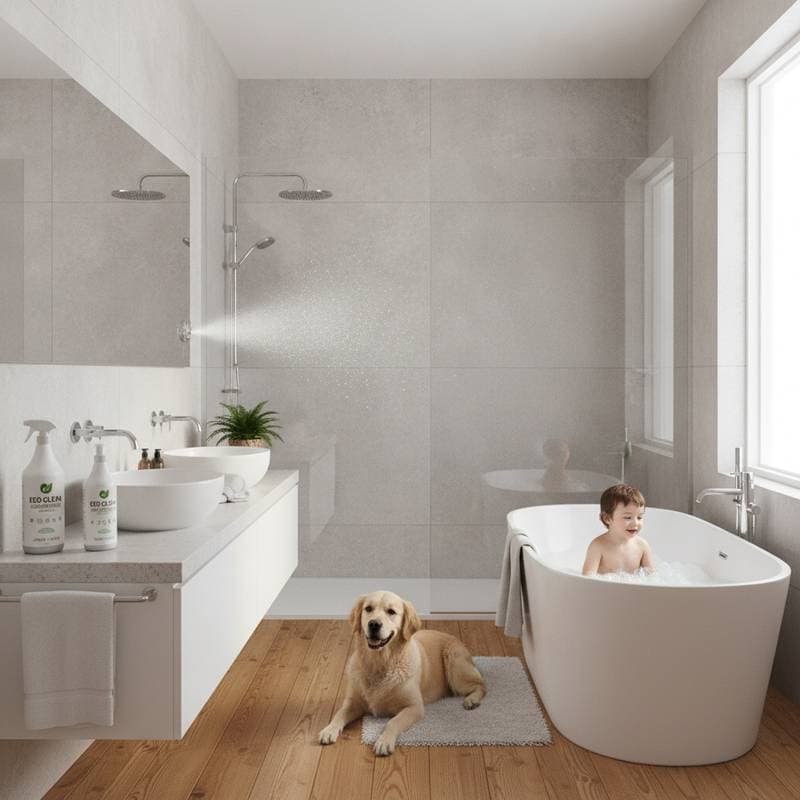
The Rise of Enzyme Cleaners in Bathroom Maintenance
Imagine a bathroom that serves as a peaceful retreat, featuring ambient lighting, soft linens, and pristine surfaces ready for relaxation. Yet persistent challenges such as soap scum, mildew growth, and lingering drain smells often disrupt this ideal. Enzyme cleaners address these issues effectively, gaining widespread attention on social media platforms like TikTok for their natural approach to deep cleaning.
These products function by harnessing biological processes to eliminate buildup at its origin. Users share compelling transformations, from murky fixtures to gleaming ones, highlighting the cleaners' ability to deliver results that align with modern preferences for sustainability and safety.
Understanding the Biological Mechanism of Enzyme Cleaners
The Appeal of Enzyme Cleaners on Social Media
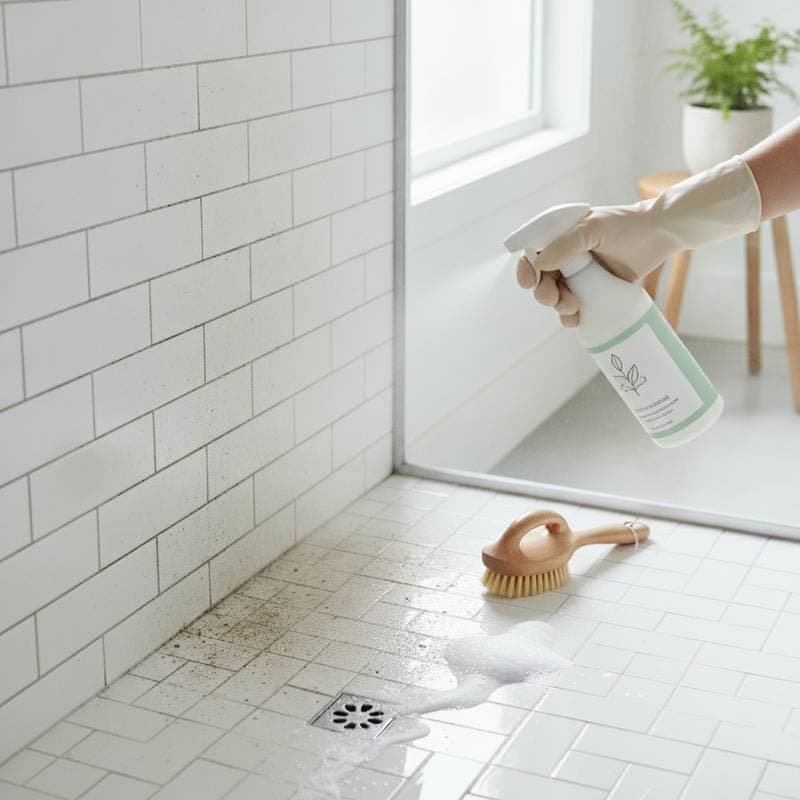
Social media platforms favor content that showcases immediate, visually striking outcomes, and enzyme cleaners fit this mold perfectly. Videos often capture the gradual clearing of stained tiles or the elimination of clogs, drawing millions of views from viewers seeking efficient home solutions. The non-toxic nature of these cleaners appeals to health-conscious audiences, including parents and pet owners concerned about chemical exposure.
Biodegradability ensures that enzyme cleaners align with environmental goals, as they break down into harmless components without harming aquatic life. This aspect resonates with the growing online community focused on zero-waste living and green practices. Creators frequently emphasize how these products support broader sustainability efforts, such as reducing plastic waste from disposable wipes.
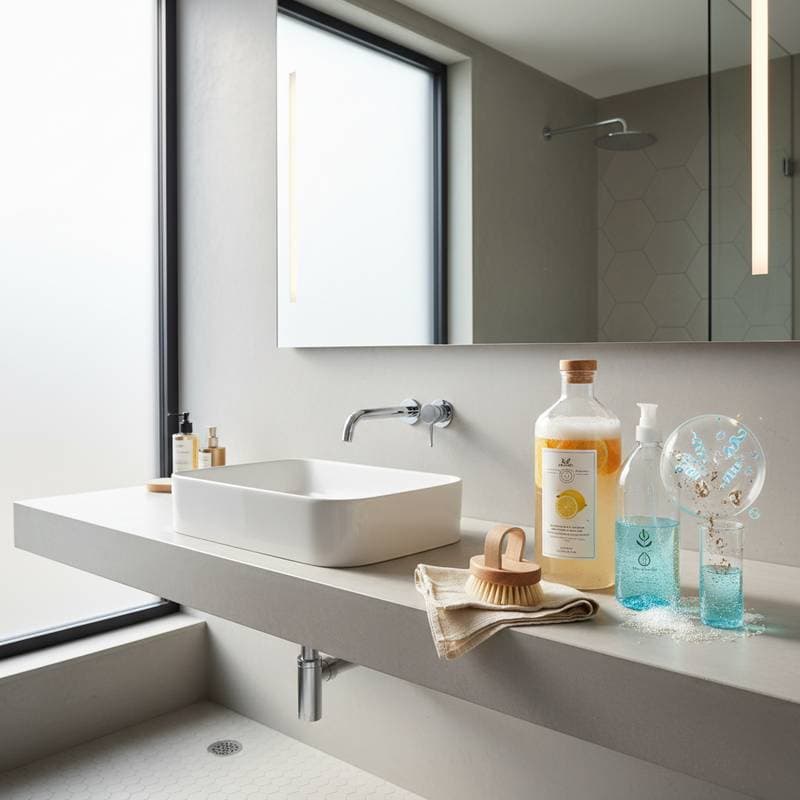
The DIY element adds an engaging layer to their popularity. Many users experiment with homemade versions using fruit peels, brown sugar, and water to cultivate natural enzymes through fermentation. This process, which takes a few weeks, empowers individuals to create customized cleaners tailored to specific needs, fostering a sense of accomplishment and innovation.
Step-by-Step Guide to Applying Enzyme Cleaners
Effective use of enzyme cleaners requires understanding their time-dependent action, as they operate through biological digestion rather than instant dissolution. Begin by preparing the area to maximize contact with the solution. This methodical approach ensures optimal results and minimizes effort over time.
Follow these steps for bathroom applications:
-
Clear surface debris: Use warm water and a soft cloth to remove loose dirt from tiles, sinks, or tubs. This prevents enzymes from being diluted by excess particles.
-
Apply the cleaner: Pour or spray the enzyme solution directly onto targeted areas, such as drain openings, grout lines, or soap-dished fixtures. Ensure thorough coverage, especially in hidden crevices where buildup accumulates.
-
Allow sufficient dwell time: Let the product sit for at least 30 minutes to several hours, depending on the severity of the grime. For overnight treatment on tough stains, cover the area with plastic wrap to retain moisture and enhance enzyme activity.
-
Rinse and inspect: Flush with warm water and wipe surfaces clean. Observe any remaining residue and reapply if necessary for complete digestion.
-
Incorporate into routine: Use weekly to prevent recurrence. For drains, introduce the cleaner monthly to maintain flow and neutralize odors proactively.
This protocol not only cleans but also conditions surfaces against future adhesion of soils. Over time, consistent application leads to noticeably reduced maintenance demands.
Benefits and Integration of Enzyme Cleaners into Daily Life
Enzyme cleaners stand out for their compatibility with eco-conscious routines, replacing aggressive chemicals that can damage fixtures or irritate skin. They perform comparably to commercial alternatives in removing tough stains while preserving the integrity of materials like natural stone or sealed wood. Availability in various forms, from concentrated liquids to pods, accommodates different user preferences and storage needs.
For those preferring homemade options, a basic recipe involves layering citrus peels in a jar with sugar and water, then sealing it to ferment for four weeks. Strain the resulting liquid for use, diluting as needed. This method repurposes waste and introduces natural scents without artificial additives.
Adopting enzyme cleaners transforms bathroom care from a chore into a sustainable practice. They promote long-term hygiene by addressing root causes of grime, ensuring spaces remain inviting and fresh. Through their gentle yet powerful action, these cleaners exemplify how natural solutions can meet the demands of modern living.