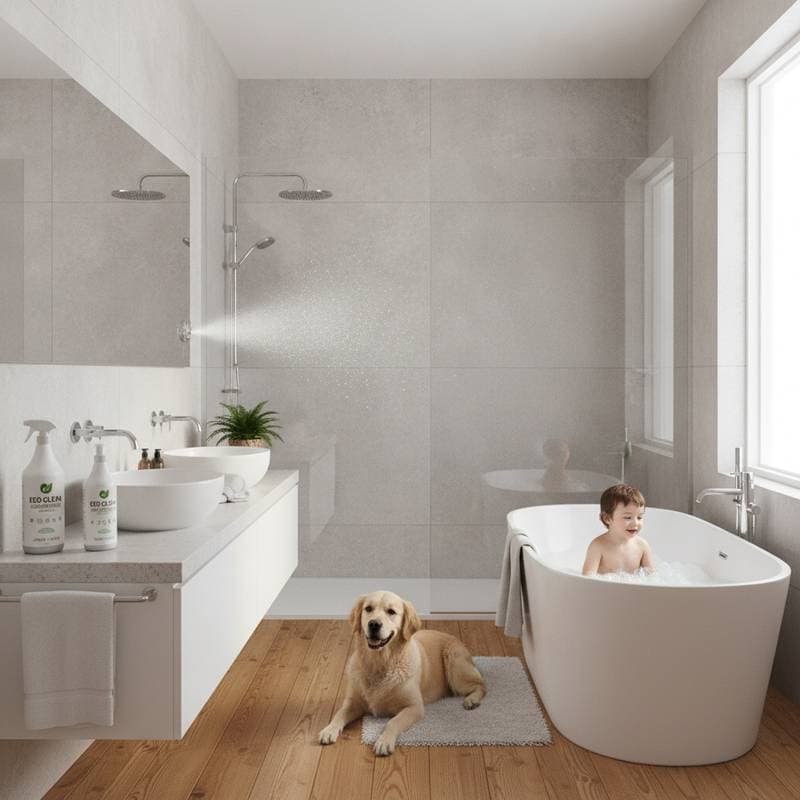
Eco Steam Cleaning: Revamp Bathrooms Chemical-Free
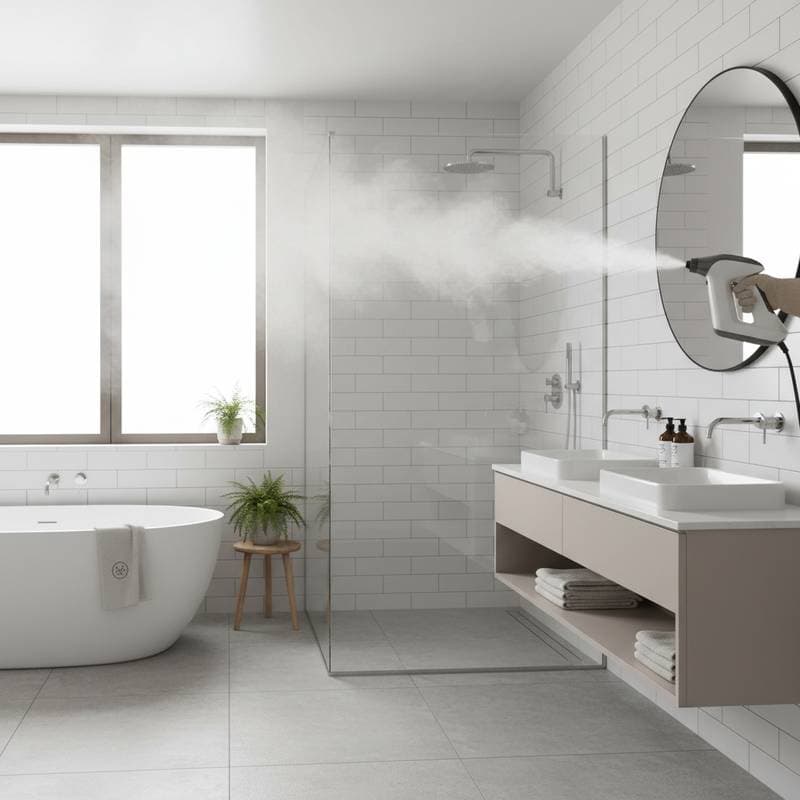
Steam cleaning represents a powerful, natural approach to bathroom sanitation. High-temperature vapor penetrates surfaces to dissolve dirt, bacteria, and buildup without relying on synthetic chemicals. This technique suits modern homes focused on health and sustainability, delivering thorough results with minimal environmental impact.
Key Benefits
- High-temperature steam disinfects surfaces and lifts grime effectively, eliminating the need for chemical-based products.
- The method excels on tile, grout, glass, and metal fixtures, reaching into porous areas beyond the scope of conventional cleaners.
- Water usage remains low compared to traditional washing, while chemical waste decreases and indoor air quality improves.
- Correct preparation and application yield optimal outcomes and safeguard surfaces from potential harm.
Consistent use promotes lasting hygiene, environmental responsibility, and simplified upkeep routines.
Assessment: Determining Suitability for Steam Cleaning
Prior to initiating the process, assess surface compatibility with moist heat. Steam cleaning proves ideal for durable, non-porous materials commonly found in bathrooms.
Suitable surfaces include:
- Ceramic or porcelain tiles
- Grout lines, particularly those that are unsealed or stained
- Glass elements such as shower doors and mirrors
- Chrome or stainless-steel hardware
- Glazed porcelain items like toilets, bathtubs, and sinks
Steer clear of unsealed wood, painted walls, wallpaper, or heat-sensitive materials prone to warping or delamination. When in doubt, apply steam to a hidden test spot first. Consult manufacturer specifications for fixtures and fittings, since certain coatings may fade under intense heat.
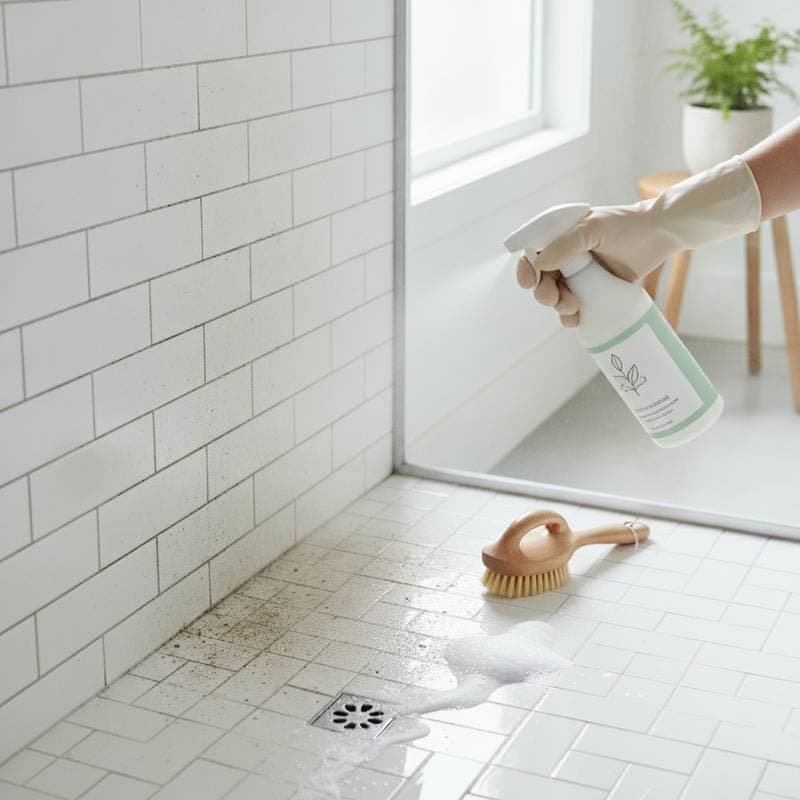
Gauge the level of accumulated residue at the outset. Substantial layers of soap scum or mineral deposits often demand repeated applications. Visible mold responds to steam, which eradicates spores, yet persistent discoloration might necessitate follow-up scrubbing with natural agents like baking soda post-steaming.
Implementation: Step-by-Step Steam Cleaning Process
1. Fill and Heat the Steam Cleaner
Select distilled water to avoid mineral deposits in the unit's boiler. Follow the device's guidelines to fill the reservoir, then permit it to build pressure. Indicator lights on most models signal readiness for operation.
2. Start with High Areas
Address mirrors and upper shower panels initially. Equip the cleaner with a squeegee attachment, direct steam in steady streams, and remove moisture with a microfiber cloth. Proceed from ceiling height downward, allowing gravity to direct dislodged debris.
3. Clean Tile Walls and Grout
Fit a narrow brush attachment for precision. Aim steam directly into grout seams, advancing deliberately to maximize thermal penetration. Heat and pressure together disintegrate ingrained filth; follow up by wiping to capture released particles. For resistant stains, apply baking soda to grout prior to steaming, amplifying the loosening effect.
4. Sanitize Fixtures and Hardware
Employ a precision nozzle for taps, knobs, and crevices. Steam targets microbial growth on high-contact zones. Buff with a cloth while the area retains warmth, yielding a clear, polished surface.
5. Deep Clean the Shower or Tub
Maintain a distance of 2 to 3 inches between the nozzle and surface to control moisture levels. Employ sweeping motions that overlap for uniform coverage. Concentrate intense steam pulses on drains to break apart soap residues and organic films; if traces linger, gently abrade with a nylon brush afterward.
6. Refresh Toilets and Sinks
Direct the detail nozzle toward hinges, edges, and hidden undersides harboring dirt. The steam's heat provides natural sterilization free of additives. Conclude by drying with a cloth to avert spotting.
7. Address Floors and Baseboards
Attach a mop head for floor treatment. Advance at a measured pace, ensuring steam dwells long enough for disinfection. Permit full evaporation before applying any sealants, as trapped dampness can compromise finishes.
8. Final Drying and Inspection
Deploy dry microfiber towels across all areas to eliminate lingering condensation. Inspect crevices, borders, and fixture backs for residual dampness. Activate the ventilation fan for a minimum of 20 minutes to facilitate thorough drying.
Maintenance: Keeping Bathrooms Fresh and Chemical-Free
Sustain cleanliness between intensive sessions through targeted daily and weekly routines. These steps curb accumulation and prolong the efficacy of steam cleaning.
- Daily Ventilation – Operate the exhaust fan following each shower to expel excess humidity.
- Regular Wiping – Pass a dry microfiber cloth over shower panels and mirrors after use.
- Weekly Light Steam – Perform brief steaming sessions to refresh key areas without a complete overhaul.
- Preventive Grout Care – Seal grout lines with a water-based product every few months to resist staining.
- Filter Maintenance – Routinely clean or replace ventilation filters to minimize moisture buildup.
Such habits uphold a hygienic environment and protect grout, hardware, and surfaces over extended periods.
Pro Tips for Optimal Results
- Divide the bathroom into manageable zones to manage moisture and heat distribution effectively.
- Position microfiber cloths within reach to swiftly address any pooling water.
- Wait for surfaces to cool fully before handling them manually.
- Select attachments suited to each material, preventing abrasions or damage.
- Store the steam cleaner in a dry location and drain the tank post-use to inhibit rust.
These strategies extend equipment durability and ensure reliable performance.
Cost and Environmental Considerations
Steam cleaning curtails ongoing costs linked to chemical purchases. Beyond the upfront cost of the device, expenses limit to distilled water refills. Exposure to harmful volatile compounds diminishes, benefiting respiratory health and air purity.
Environmentally, the approach avoids chemical discharge into sewers. It likewise cuts down on plastic packaging from single-use products. Paired with water-efficient plumbing and robust airflow, steam cleaning contributes to an overall green bathroom regimen.
Homeowners benefit from reduced labor and material needs in the long run. Heat-driven cleaning shortens effort required for scrubbing, fostering efficiency and fiscal prudence.