Why Microcement Transforms Bathroom Design
Envision entering a bathroom where surfaces blend without interruption, much like water flowing over smooth stone. Walls transition fluidly into floors, showers integrate with vanities, and light reflects off a continuous expanse that conveys modernity and natural harmony. Microcement delivers this effect through its innovative application, turning standard bathrooms into tranquil retreats.
Understanding Seamless Design Principles
Microcement consists of a thin, cement-based overlay that adheres directly to existing substrates such as tiles, wood, or concrete. Professional applicators prepare the surface by cleaning and priming, then layer the microcement in multiple coats, typically three to five, allowing each to cure before the next. This process eliminates the need for demolition, reducing renovation time to as little as one week for a standard bathroom.
Balancing Natural Elements with Contemporary Style
Microcement draws from concrete's inherent strength while offering textures that replicate natural materials like limestone or terracotta. Artisans achieve varied finishes by adjusting the mix ratio or burnishing techniques during application, creating subtle depth that enhances tactile appeal. In bathrooms, this quality counters the sterility of traditional tiles, fostering a warmer environment.
Neutral palettes dominate microcement options, with shades ranging from cool slate grays to warm earth tones. These colors diffuse light softly, minimizing harsh shadows and promoting a sense of spaciousness. Pair the surface with natural wood accents or potted greenery to amplify the organic feel, resulting in a space that invites relaxation.
Prioritizing Sustainability and Durability
Microcement aligns with eco-conscious practices by reusing existing structures, thereby conserving resources and minimizing waste. A single application layer measures just two to three millimeters thick, far less material than full replacements require. This approach lowers the carbon footprint associated with manufacturing and transporting new fixtures.
Once sealed with a protective polyurethane topcoat, the surface withstands daily exposure to water, humidity, and mild chemicals. It resists chipping and fading, often lasting 15 to 20 years with proper care. For cleaning, opt for pH-neutral solutions; avoid abrasive pads to preserve the finish's integrity.
Exploring Versatile Applications
Beyond floors and walls, microcement extends to custom fixtures like integrated sinks or curved shower benches. Designers tint the material to match specific visions, incorporating metallic flecks for subtle shimmer or matte finishes for understated elegance. This versatility accommodates diverse styles, from minimalist urban lofts to cozy countryside homes.
In compact bathrooms, the continuous surface visually expands the area by removing visual breaks. For larger layouts, it unifies elements, creating focal points such as a monolithic vanity that anchors the room. Consult a certified installer to assess feasibility, ensuring structural support for heavier applications like bathtubs.
Maintenance and Care Essentials
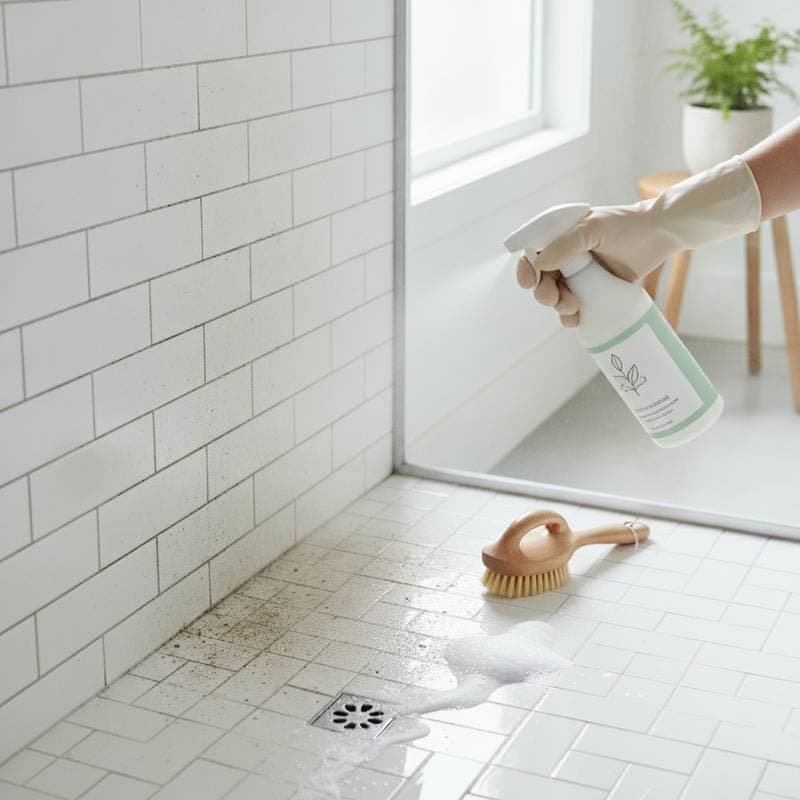
To maximize microcement's benefits, follow a straightforward care routine. Seal the surface annually with a breathable protector to enhance water resistance. Address spills immediately with a soft cloth to prevent etching from acidic substances like citrus cleaners.
Regular inspections reveal any wear early; touch-ups involve spot-applying a matching coat, blending seamlessly with the original. This proactive approach sustains the material's performance, keeping the bathroom pristine over time.
Achieving Lasting Bathroom Harmony
Integrating microcement elevates bathrooms into functional sanctuaries that blend form and utility. Homeowners gain a durable, low-maintenance space that evolves with personal tastes through simple recoloring options. Consider starting with a professional consultation to visualize outcomes, unlocking the full potential of seamless design in your home.