Sonic Tools Revolutionize Bathroom Cleaning
Cleaning a bathroom once felt like an insurmountable weekly task. Scrubbing grout lines, rinsing the tub, and confronting persistent films proved futile despite repeated efforts with brushes, sprays, and manual labor. In areas with hard city water, such as Staten Island, mineral deposits exacerbate the challenge. Researching cleaning innovations led to a video demonstrating sonic cleaning on jewelry, where accumulated grime dissolved rapidly. This prompted consideration of applying similar technology to bathroom surfaces.
The Science of Sonic Cleaning
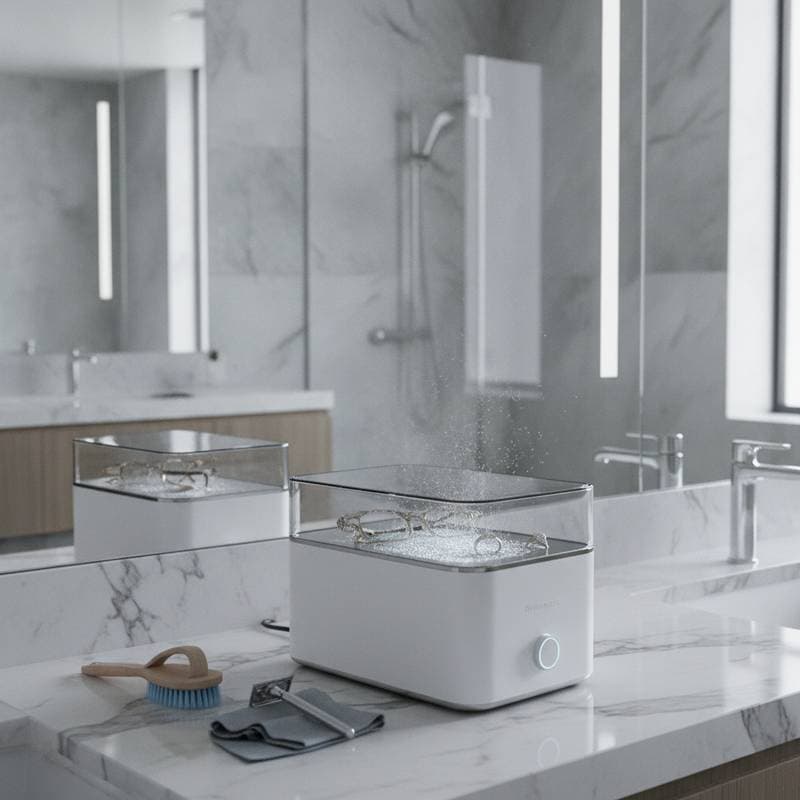
Initial experimentation involved a sonic tool designed for eyeglasses. Filling it with warm water and submerging old rings revealed decades of buildup vanishing in moments. This success highlighted the potential for sonic waves to address microscopic crevices in bathroom fixtures.
Limitations of Traditional Scrubbing Methods
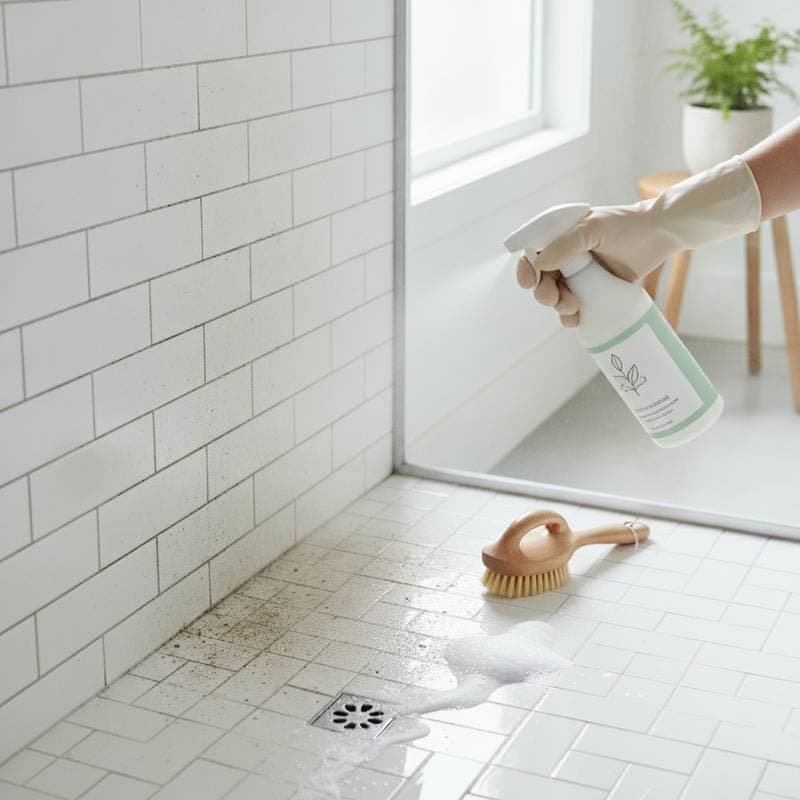
Conventional scrubbing depends on mechanical friction, where pressure and motion aim to remove accumulations. However, bathroom surfaces often feature micro-textures inaccessible to sponges or brushes. Soap residues, toothpaste splatters, and mildew embed into pores and corners beyond the reach of manual tools.
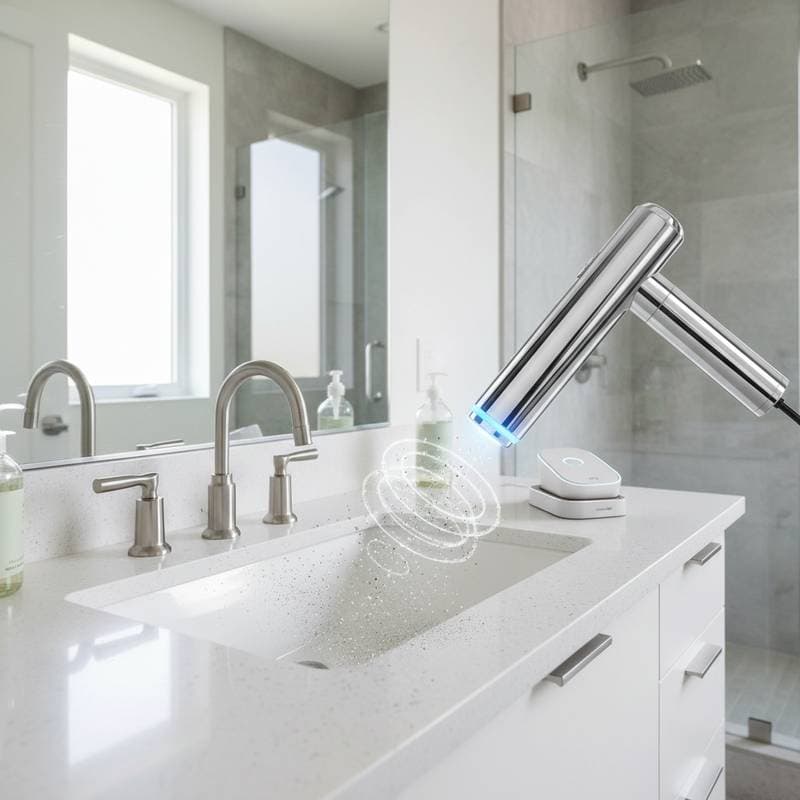
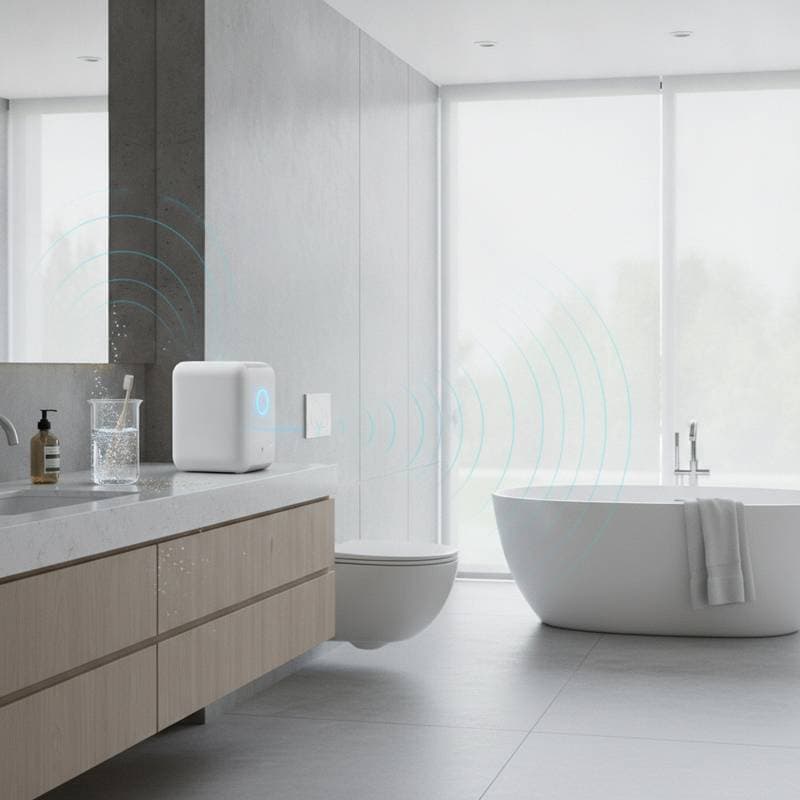
Sonic tools operate through rapid vibrations that sever the adhesion between contaminants and surfaces. This mechanism excels on faucet bases, shower door tracks, and sink seams. Even compact handheld devices access tight spaces previously requiring fine brushes like toothbrushes.
Testing numerous cleaning products as part of professional writing reveals that many fail to deliver promised relief. Sonic tools stand out by providing thorough results that enhance cleaning efficacy in innovative ways.
Implementing Sonic Tools for Bathroom Cleaning
For those new to sonic cleaning, begin with targeted applications to build familiarity. The following routine emerged from practical testing:
-
Select appropriate tools. Compact ultrasonic cleaners suit jewelry and small items, while handheld sonic scrubbers address broader surfaces. Employ both for comprehensive coverage; the ultrasonic model sanitizes razor heads, tweezers, and detachable faucet components, whereas the handheld version handles tiles and fixtures.
-
Prepare a mild solution. Harsh chemicals prove unnecessary. Combine a few drops of dish soap with warm water for effective cleaning. For added disinfection, incorporate one teaspoon of white vinegar.
-
Process in sections. Commence with the sink area. Submerge the sonic scrubber head in the solution and glide it along the faucet, drain, and countertop edges. The vibration produces a distinctive, reassuring hum.
-
Rinse and dry thoroughly. After treating a section, flush with warm water and buff with a microfiber cloth. The resulting luster often exceeds expectations.
-
Utilize specialized attachments. Many sonic scrubbers include interchangeable heads. Designate one for grout lines and another for the toilet base to optimize precision.
Additional Advantages of Sonic Cleaning
A primary benefit lies in reduced physical exertion. Wrists previously fatigued after thirty minutes of tile scrubbing now require only guidance for the vibrating head. Time efficiency materializes as well; tasks that demanded a full morning now conclude in under half the duration.
Hygiene improves significantly, as sonic action removes not only visible dirt but also bacteria and biofilm adhering to damp surfaces. This leads to diminished odors and a healthier environment. Extend the application to sanitizing makeup brushes and nail tools, observing residue dispersal in the solution for visual confirmation of cleanliness.
Insights from Practical Application
Early trials included setbacks. Applying a sonic cleaner to a bathroom mirror demonstrated incompatibility with thin glass under vibration. Similarly, prolonged contact on grout risks fragmentation. Sonic tools demand controlled use to harness their power safely.
While sonic methods simplify deep cleaning, they complement rather than supplant daily maintenance. Regular wiping remains essential, with sonic applications elevating periodic deep cleans to superior standards.
Selecting Tools for Your Bathroom
In apartments or compact bathrooms, a rechargeable handheld sonic scrubber suffices. Larger or high-traffic spaces benefit from pairing it with a countertop ultrasonic cleaner for synergistic results.
Affordable options appear in home improvement stores and online platforms. Premium pricing does not correlate with performance; consistent use prevents severe buildup regardless of model.
Achieving Lasting Cleanliness
Upon completing a session with sonic tools, the tub's transformation prompted admiration from family members, who assumed hours of labor when mere minutes sufficed. This underscores the appeal of innovative cleaning strategies.
Sonic cleaning reframes bathroom maintenance from a burden to an efficient practice. For those overwhelmed by persistent grime, integrating sonic technology delivers simplicity, speed, and satisfaction in restoring pristine conditions.