Project Overview
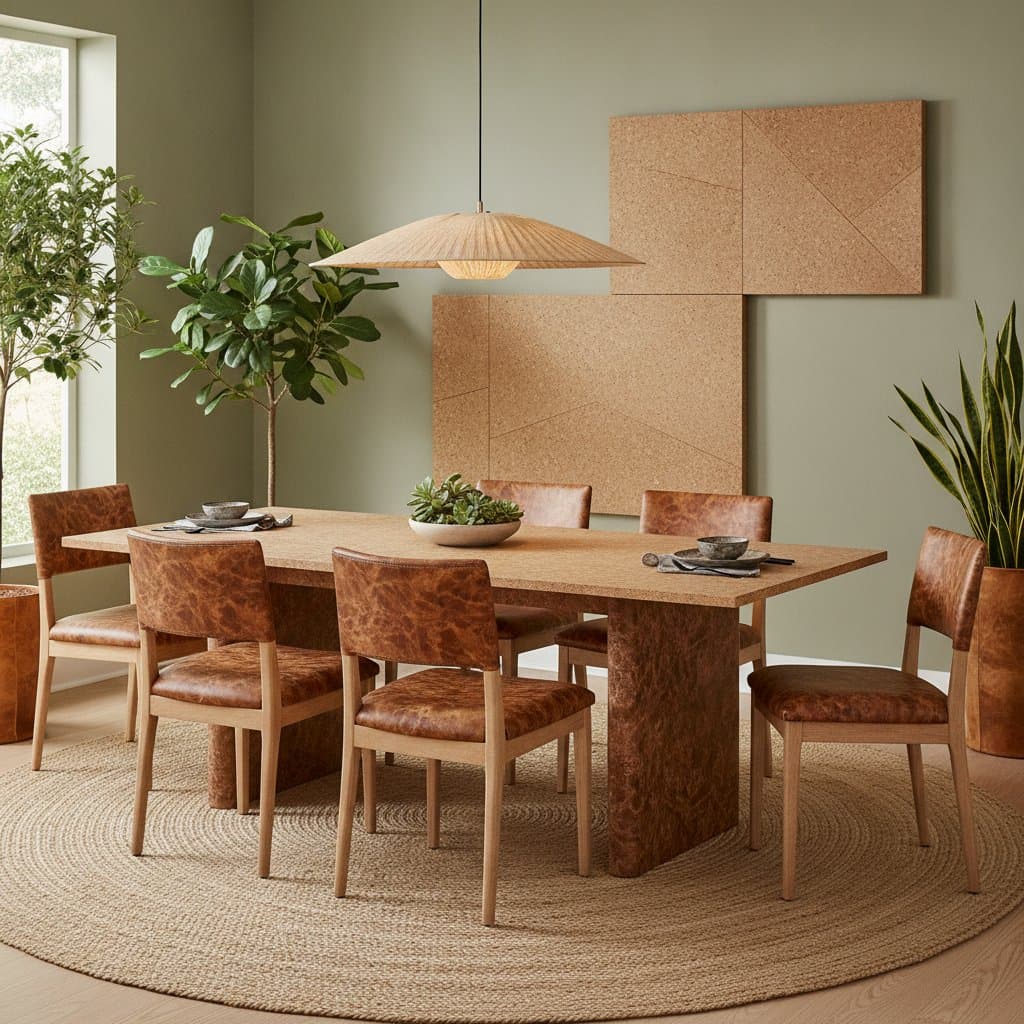
Mushroom leather and cork offer practical options for creating a dining room that emphasizes natural textures and responsible material choices. These alternatives provide durability comparable to conventional options while avoiding the environmental drawbacks of animal leather or tropical hardwoods. The approach suits intermediate skill levels and requires one to two days of active work plus additional time for finishes to cure.
Costs remain moderate when sourcing ready made pieces or working with raw sheets. Both materials suit households seeking toxin free surfaces that age well over time.
Materials and Tools
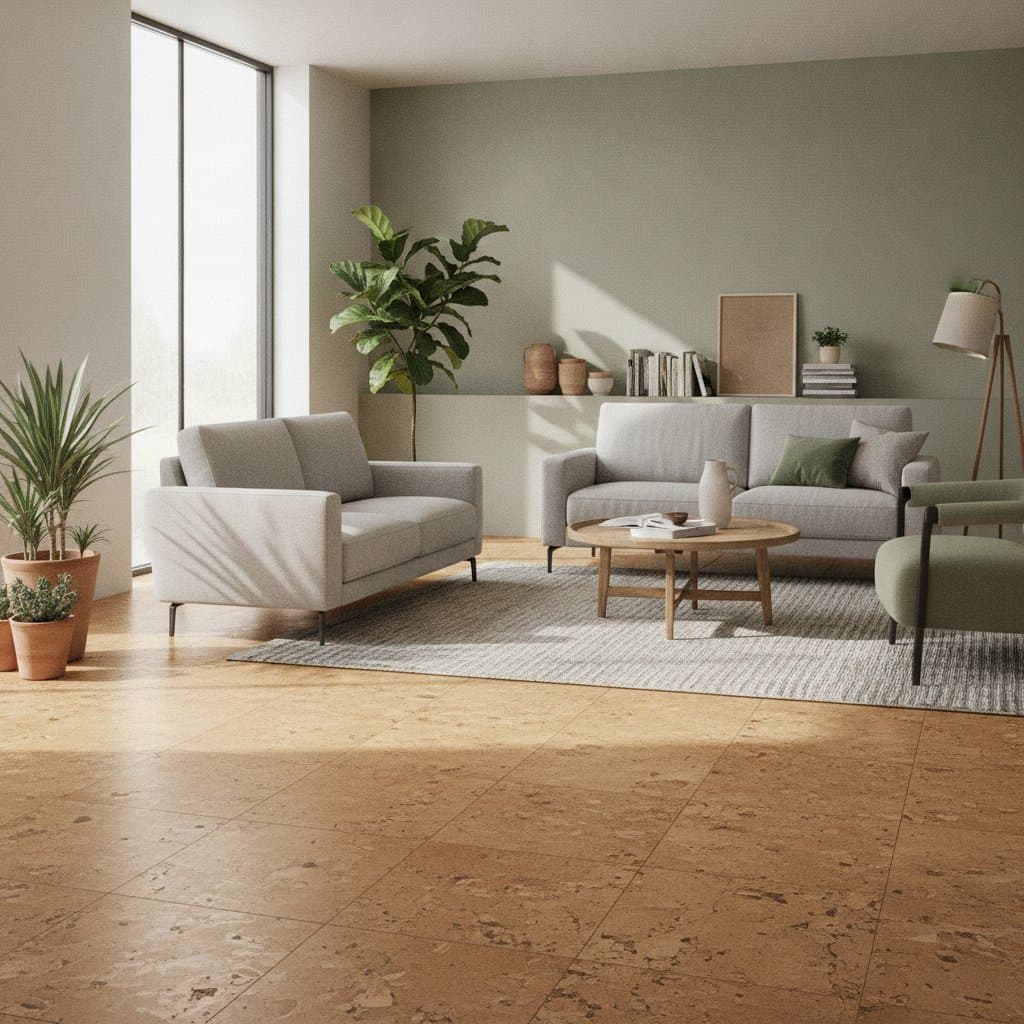
Select mushroom leather sheets for upholstery on chair backs or decorative panels. Pair them with cork sheets or tiles for table tops, wall accents, or seat cushions. Use an eco friendly adhesive formulated for natural fibers along with water based polyurethane or plant derived oil to seal cork surfaces.
Achieving Professional Results
Allow all adhesives and sealers to cure fully before placing furniture into service. Inspect cork installations for air pockets while the adhesive remains workable and press them flat. For mushroom leather, maintain even tension across seams to avoid bunching.
Source certified cork from Forest Stewardship Council suppliers and mushroom leather from producers that document low chemical use. These steps ensure surfaces withstand daily dining use without premature wear.
Cost Planning
Mushroom leather prices now align with mid range fabrics, while cork stays widely affordable. Selective application, such as cork accents on table surfaces only or mushroom leather limited to chair backs, controls expenses without sacrificing appearance. Bulk raw sheets or supplier offcuts further reduce outlays for smaller items like coasters and placemats.
Pairing the materials with reclaimed frames extends service life and keeps total investment reasonable.
Health and Sustainability Factors
Both materials release no volatile compounds, making them appropriate for spaces shared with children or pets. Verify that any topcoats meet food contact standards before use on dining surfaces. Production of mushroom leather consumes limited water and energy, and the material breaks down naturally at end of life.
Cork harvesting leaves trees intact to continue sequestering carbon, supporting forest ecosystems. These choices reduce dependence on petroleum based synthetics or animal products.
Practical Techniques
Acclimate all sheets indoors for twenty four hours before cutting or adhesion. Replace blades frequently when trimming cork to prevent ragged edges. Stretch mushroom leather uniformly from multiple directions during upholstery to maintain consistent grain.
Sand lightly between finish coats on existing tables for a refined surface. Reserve trimmed pieces for drawer liners or wall art to minimize waste.
Extending Service Life
Regular dusting with a soft cloth preserves the natural finish on both materials. Reapply oil or polyurethane to cork every two years in high traffic areas. Address minor scuffs on mushroom leather with gentle heat from a hair dryer followed by light pressure.
These habits maintain warmth and texture while supporting long term value in a sustainable dining space.