Key Principles of Japandi Gardens
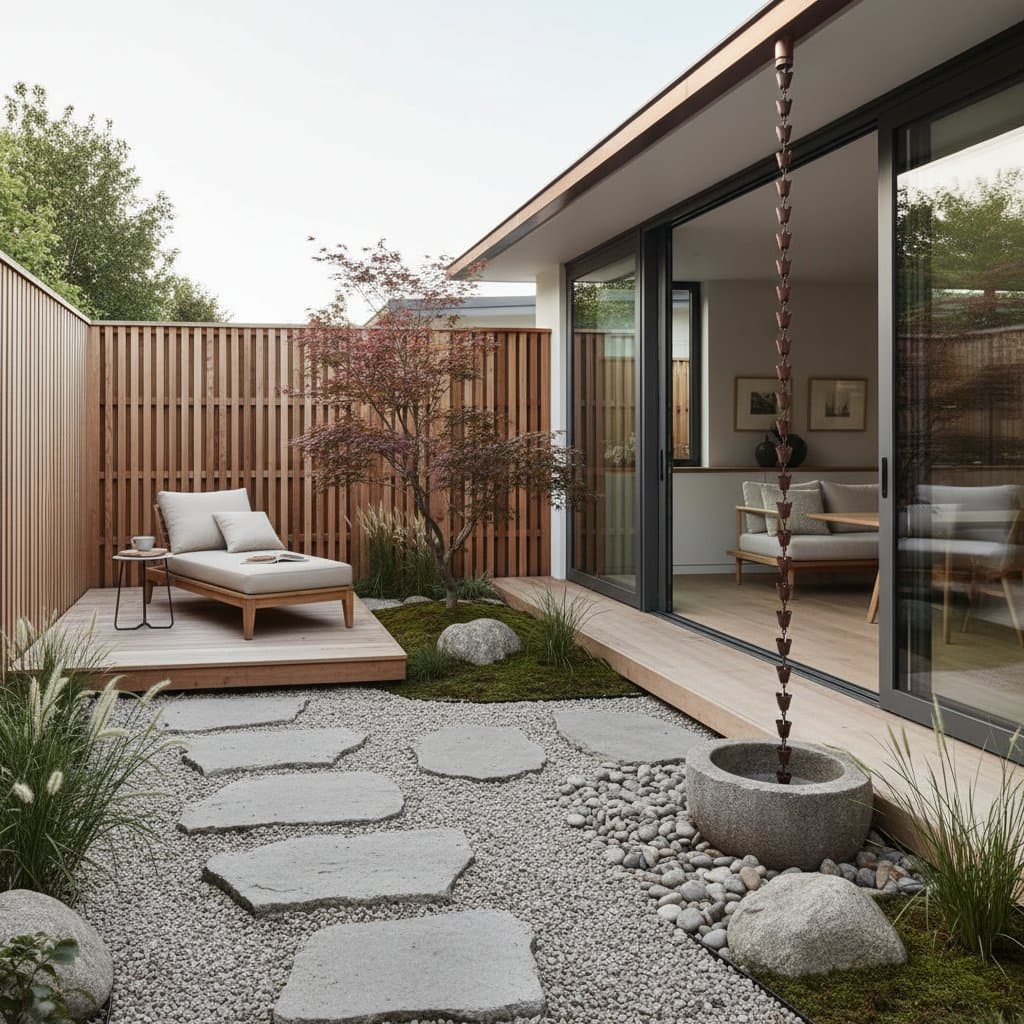
Japandi gardens combine the tranquil essence of Japanese Zen with the practical approach of Scandinavian design to create a balanced, modern aesthetic. These spaces prioritize usability, tactile experiences, and serene environments rather than strict symbolic forms. Natural materials such as wood, stone, and subtle plantings establish harmony through deliberate simplicity.
Unlike traditional Zen gardens, Japandi designs encourage active participation in daily life and deep sensory engagement. They commit to sustainable practices and purposeful minimalism, making them ideal for contemporary outdoor settings that align with values of authenticity and environmental care.
Origins in Cultural Traditions
Zen gardens, historically called karesansui, originated as spaces for meditation and spiritual reflection. In these designs, every stone, raked gravel pattern, and pruned evergreen carries deep meaning. They function mainly as visual prompts for contemplation, viewed from afar to avoid direct interaction.
Selecting Materials for Textural Balance
Materials serve as the core of a Japandi garden. Choose light-colored wood for benches, rough-hewn stones for edging, woven natural fibers for seating, and matte-finish ceramics for planters. These choices form a unified palette that invites both touch and sight.
Stick to a muted color scheme drawn from nature, including pale grays, soft beiges, and gentle greens. Select plants for their shape and texture over vibrant colors. For example, combine the fine branches of a Japanese maple with the soft fronds of ferns, upright bamboo with resilient Nordic evergreens, or leaves featuring silvery undersides. This layering creates an organic feel achieved through careful selection.
Lighting should be soft and indirect. Opt for functional options like solar lanterns along paths or wall-mounted fixtures that cast gentle glows. These elements direct foot traffic while maintaining privacy, inviting visitors to pause and notice details such as light dappling through foliage or patterns on water surfaces.
Embracing Sustainability Through Mindful Choices
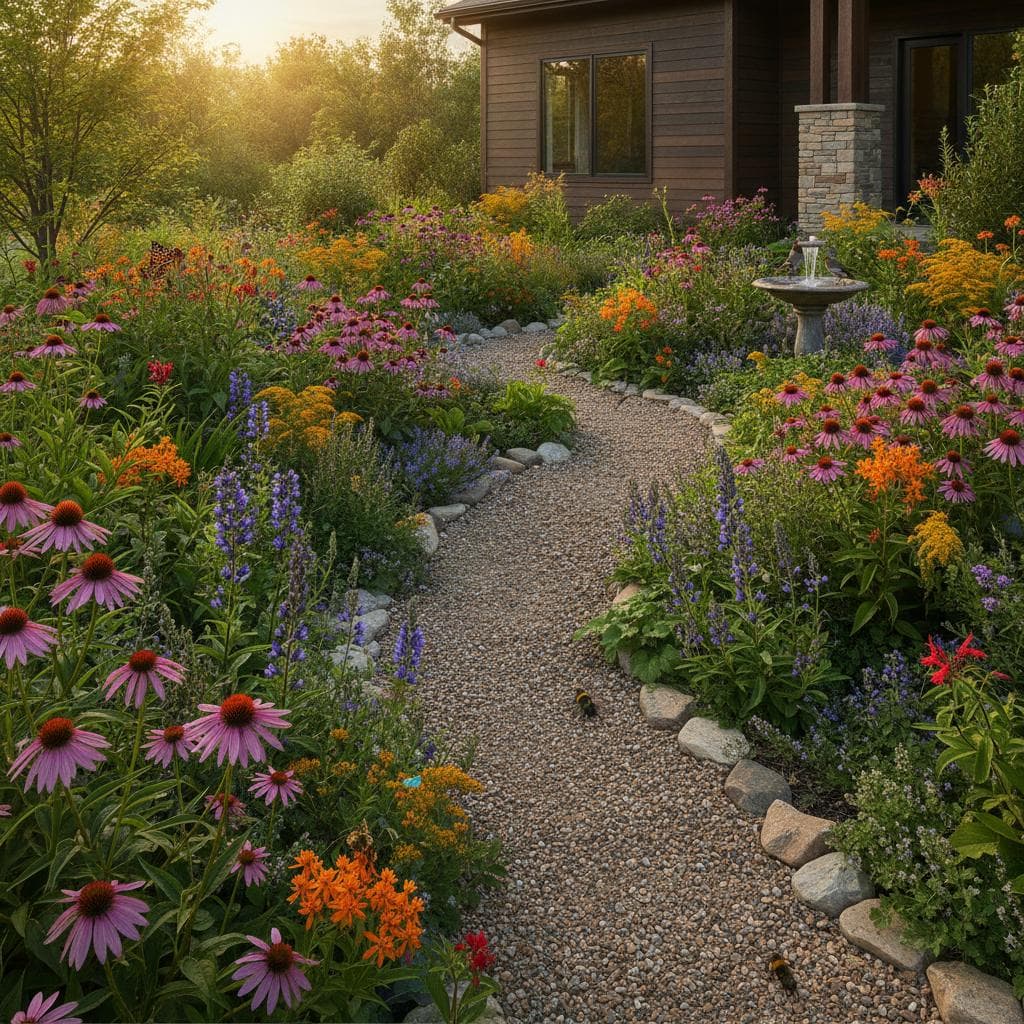
Modern landscaping demands attention to ecological effects. Japandi principles support this by advocating restraint and harmony with nature's cycles. Use drought-resistant plants to cut water needs, source species native to your region or well-adapted to it, and incorporate reclaimed wood or stone.
The Scandinavian influence stresses efficient resource use, while Zen philosophy emphasizes respect for change and transience. Include features like weathered wooden benches or uneven gravel paths that age gracefully. Such elements highlight the garden's ongoing dialogue with its surroundings, resisting the push for constant replacements.
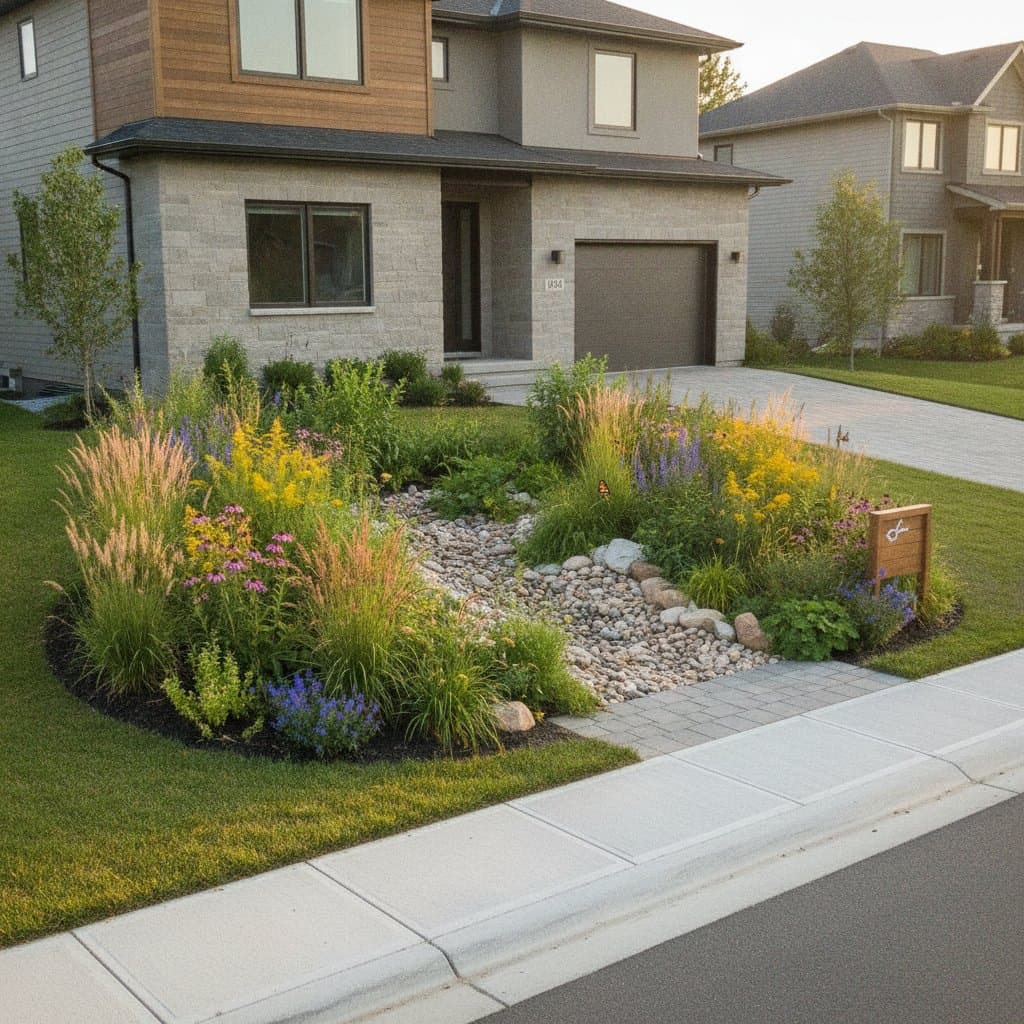
Assess your site's conditions to apply these ideas effectively. Test soil for drainage to ensure plant health, add rain barrels for subtle water features, and install permeable paving to manage stormwater. These steps preserve resources and build long-term durability.
Insights from Landscape Professionals: Crafting Spaces for Routine Reflection
Landscape architects describe Japandi gardens as blended retreats that unite calm with utility. This balance captures the style's fundamental contrast. Designs avoid dramatic focal points, favoring fluid paths that reveal small, personal areas like a reading corner under tree branches.
Texture drives the composition over ornamentation. Combine rough granite with smooth slate for varied depth. Water elements stay simple, such as a slim stream's quiet flow instead of grand waterfalls. Furnishings feature low, unobtrusive pieces like chairs that merge with the ground.
This approach turns garden time into mindful practice. Without distractions, the space heightens awareness of small moments: wind through leaves, cool stones underfoot, or the scent of rain on soil. Experts suggest beginning modestly, perhaps with one sensory path, to develop this engaging depth over time.
Integrating Japandi Elements into Your Outdoor Space
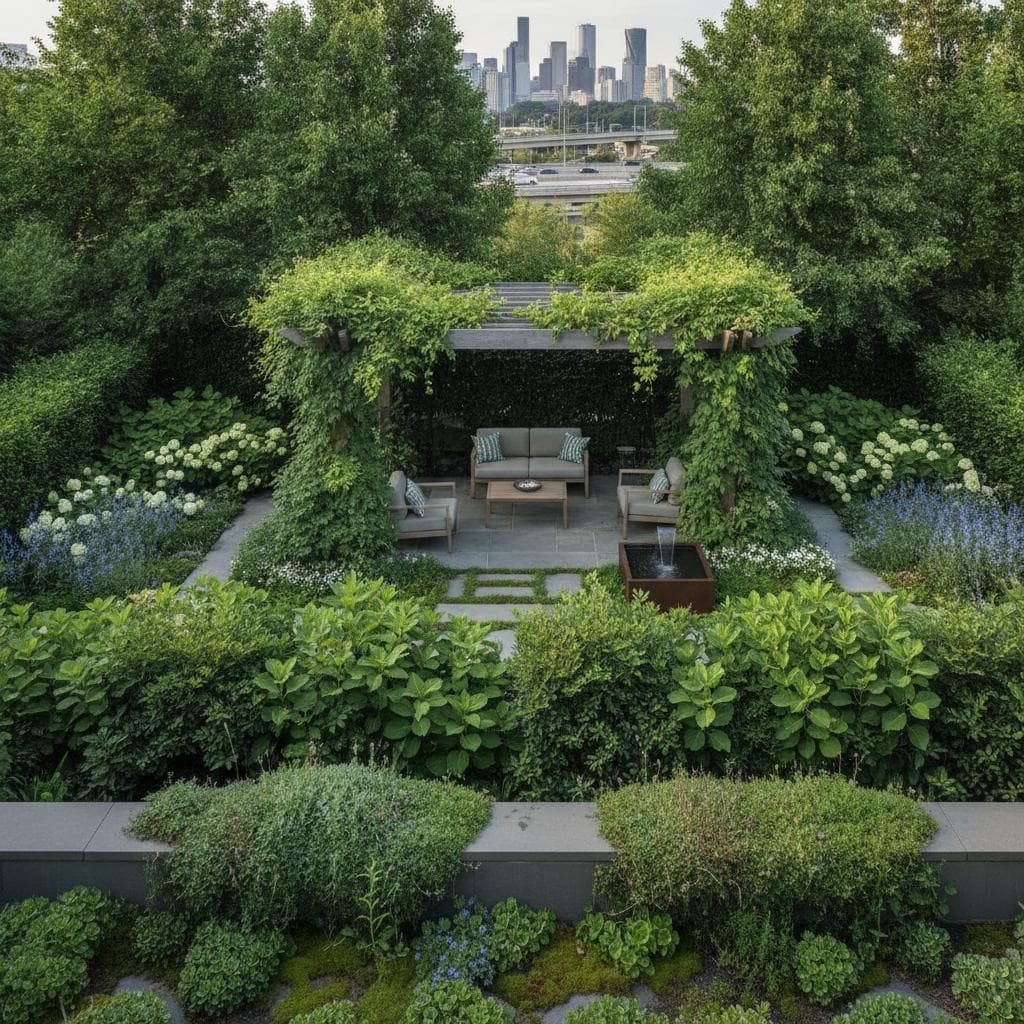
You do not need a complete overhaul to add Japandi touches. Start by evaluating your yard: pinpoint sunny spots for contemplation seats or wind-protected nooks. Replace high-maintenance flowers with reliable options like hostas, sedges, or ornamental grasses that thrive with little care.
Pick durable materials that gain patina from use, such as raw cedar borders or natural fieldstones for highlights. Place a basic water basin by the entrance for soothing sounds and focal interest. Gradually, these changes create areas for rest, gentle movement, or casual dining, boosting daily wellness.
Benefits of Cultivating Balance in Your Garden
A thoughtfully designed Japandi garden offers enduring gains past its visual appeal. Its clean arrangement promotes mental focus, while hardy elements lower upkeep demands. Sustainable choices advance ecological responsibility.
Those who create these spaces often note greater regard for seasonal shifts, forging stronger ties to nature. In essence, this style converts standard yards into meaningful home extensions, nurturing ongoing peace and energy.