Key Points
- Gravel gardens provide a durable, low-maintenance option compared to traditional lawns, reducing time spent on upkeep, water usage, and overall expenses.
- Effective soil preparation and selection of appropriate plants ensure the garden's longevity and performance.
- This landscaping method suits residents in arid or water-restricted areas, as well as those pursuing eco-friendly yard designs.
- Homeowners can tackle most installations over a weekend using standard tools and readily available supplies.
Project Overview
Working Time: 1 to 2 days
Total Time: 1 week, allowing for initial plant rooting
Skill Level: Beginner to intermediate
Estimated Cost: Moderate, varying with selections for plants and gravel varieties
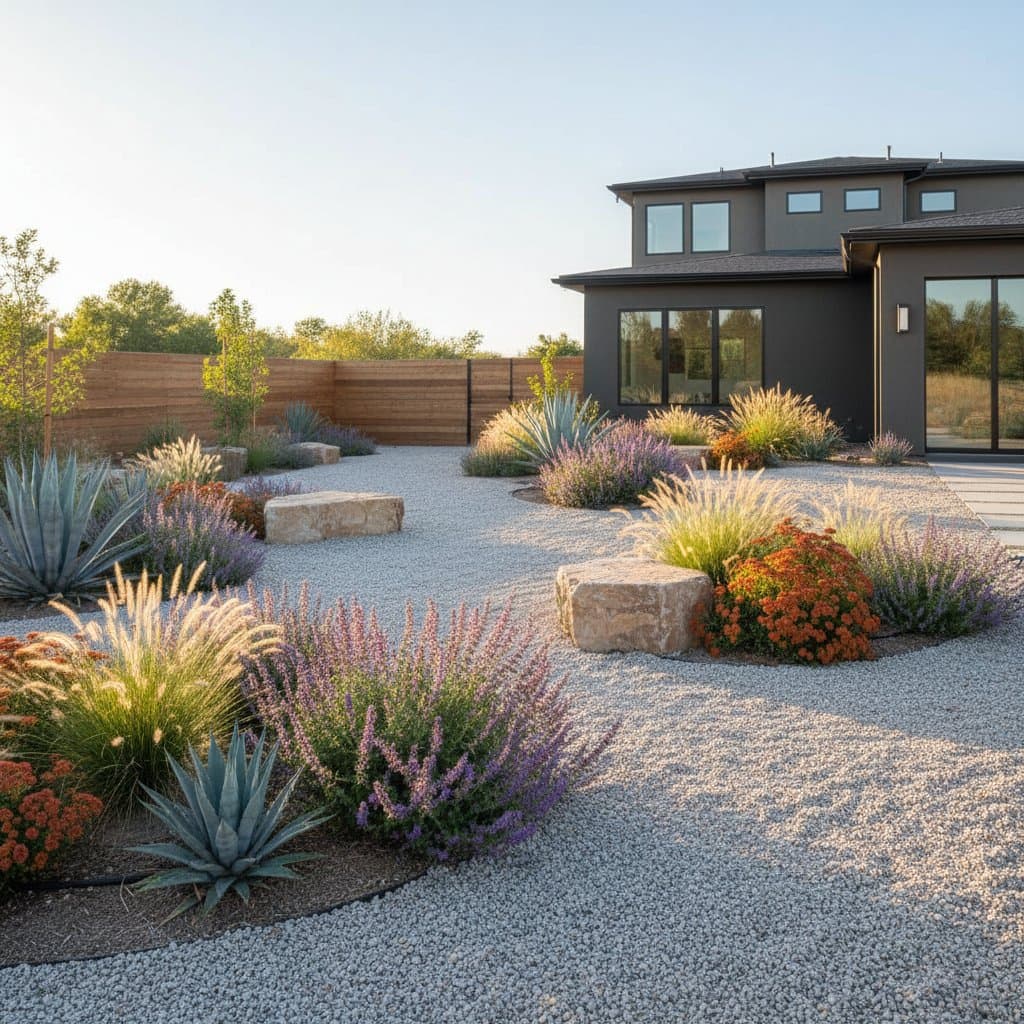
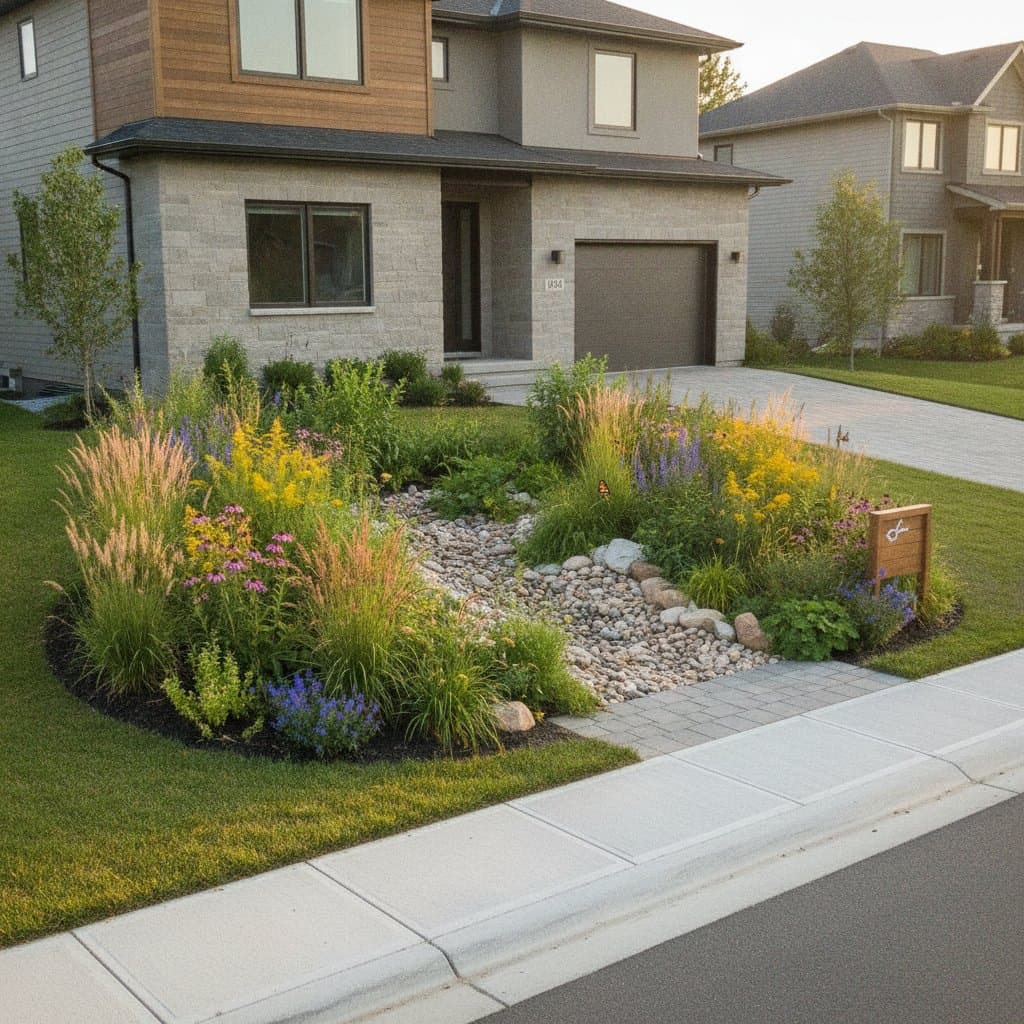
Homeowners increasingly turn to gravel gardens for an attractive outdoor space that demands far less effort than conventional turf. This style emerged from the need for practical solutions and has evolved with thoughtful aesthetics to blend toughness, environmental benefits, and ease of care. A well-executed gravel garden withstands dry spells, minimizes routine chores, and maintains a lively, multifaceted look throughout the seasons.
When to DIY or Consult a Professional
Most enthusiasts can handle a gravel garden project independently. Tasks such as soil leveling, fabric installation, and gravel distribution require only basic skills. Planning for water flow and positioning plants presents the primary hurdles.
Opt for professional input if the site features uneven slopes, persistent puddles, or complex underground utilities. Landscape architects or soil experts can address these issues efficiently. For standard yards, however, diligent planning makes this a fulfilling endeavor that yields professional results.
Materials and Tools
Materials:
- Crushed stone gravel or rounded pea gravel, steering clear of fine limestone varieties that pack down excessively
- Heavy-duty weed barrier fabric or permeable landscape cloth
- Drought-resistant plants including lavender (Lavandula spp.), yarrow (Achillea millefolium), sedum (Sedum spp.), and native bunchgrasses like blue fescue (Festuca glauca)
- Organic compost or a sandy loam soil amendment for better percolation
Tools:
- Flat-edged rake and sturdy shovel
- Durable wheelbarrow for transporting materials
- Sharp garden shears for trimming
- Narrow hand trowel for precise planting
- Garden hose with adjustable nozzle or large watering can for settling plants
Select gravel in neutral tones like gray or beige to complement various plant palettes. For larger areas, calculate coverage at three to four inches deep to suppress weeds effectively.
Step-by-Step Process
-
Plan Your Layout
Outline the space on paper or digitally, marking pathways, planting beds, and standout features. Evaluate natural drainage patterns by observing runoff during light rain. Design with a subtle crown in the center to direct water away from low spots.
-
Prepare the Ground
Clear away sod, roots, and debris using a sod cutter if needed. Till the soil to a depth of six to eight inches, breaking up compacted layers. Incorporate two to three inches of compost into clay-heavy soils to promote aeration and root penetration.
-
Install the Weed Barrier
Unroll the fabric over the cleared area, securing it with landscape pins every two feet. Overlap seams by six to eight inches and seal with fabric tape to block weed seeds. Precisely cut holes sized to the root balls of planned plants.
-
Plant Strategically
Select species adapted to local conditions, such as USDA zones 6 through 9 for lavender and yarrow. Position plants in clusters for visual impact, maintaining 12 to 18 inches between specimens to foster air circulation and expansion. Saturate the root zones immediately after placement to encourage deep rooting.
-
Add Gravel
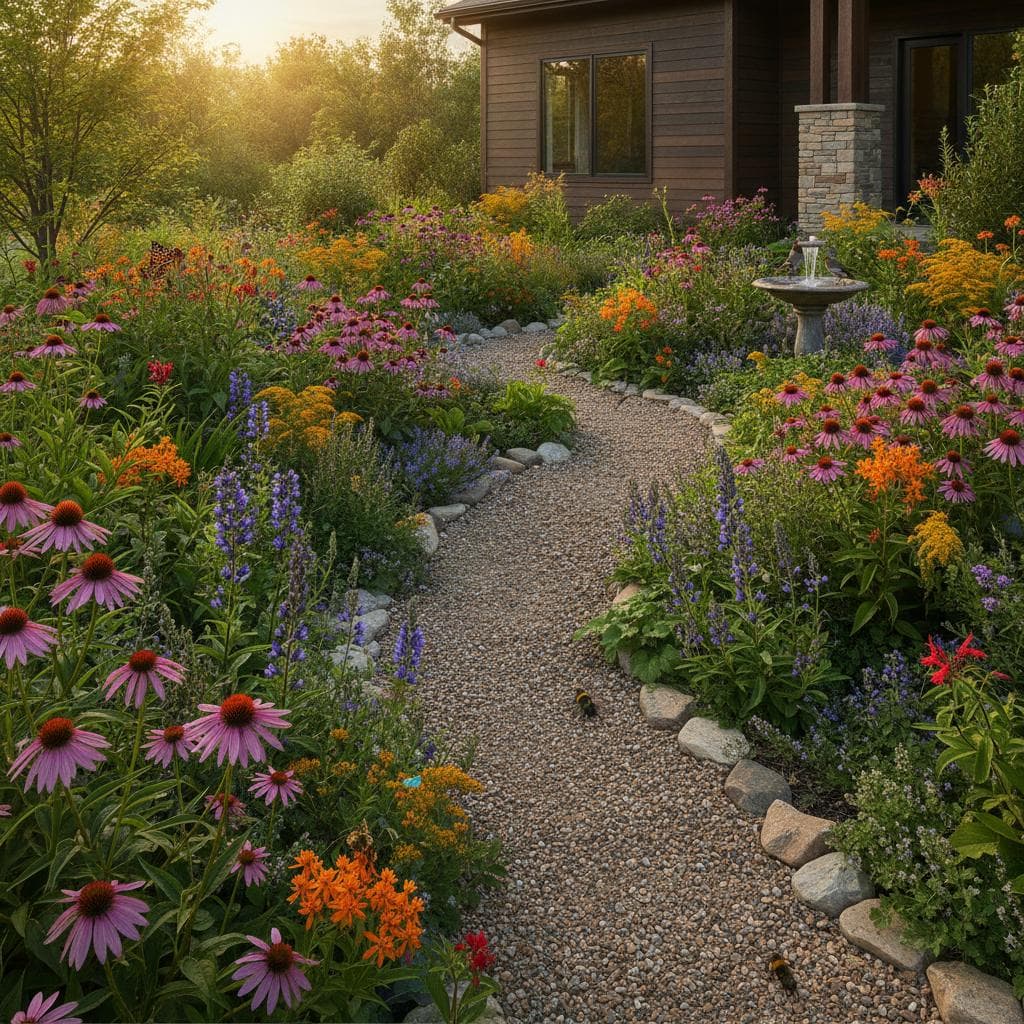
Distribute the gravel layer uniformly to a two- to three-inch thickness, avoiding direct contact with plant stems to prevent rot. Rake gently to even the surface and sculpt borders along walkways or fences. This mulch layer retains moisture and deters weed germination.
-
Water and Settle
Apply a gentle, thorough watering to embed the gravel and eliminate voids around new plants. Monitor soil moisture for the first two weeks, then transition to infrequent, deep irrigations only during prolonged dry periods. Established gardens often rely on natural rainfall alone.
Quality Control and Maintenance
An effective gravel garden appears neat and withstands weed pressure with basic oversight. Conduct quarterly checks to redistribute shifted gravel and remove emerging weeds by hand. Refresh the gravel topping every three to five years to preserve coverage and curb appeal.
Steer clear of herbicides, as they disrupt beneficial microbes and risk plant damage. Instead, a light annual mulching with organic matter sustains soil vitality. In colder climates, cover tender perennials with breathable fabric during harsh winters to protect against frost heave.
Pro Tips for Success
- Opt for gravel blends with varied grain sizes, from fine dust to one-inch pieces, to create a stable walking surface that resists erosion.
- Cluster plants by hydration requirements, such as pairing sedum with succulents in drier zones and grasses in slightly moister pockets.
- Incorporate oversized rocks or sculpted boulders as anchors to add depth and mimic natural outcrops.
- Forego quick-release fertilizers; apply compost tea or worm castings sparingly in spring for steady nourishment without excess growth.
Enhance biodiversity by including pollinator-friendly additions like bee balm (Monarda spp.) or salvia, which draw butterflies and support local ecosystems.
Sustaining Long-Term Beauty
Gravel gardens flourish with restrained intervention, demanding far less attention than mowed turf. After the initial setup, focus on light pruning in late winter and surface grooming as needed. This approach not only conserves resources but also crafts a resilient space that evolves gracefully over time.
Homeowners report satisfaction from the instant transformation and enduring performance. By investing in quality materials and sound techniques, you secure a landscape that embodies sustainability, saves hours weekly, and delights with its understated elegance season after season.