The Rise of Edible Yards Amid Soaring Food Costs
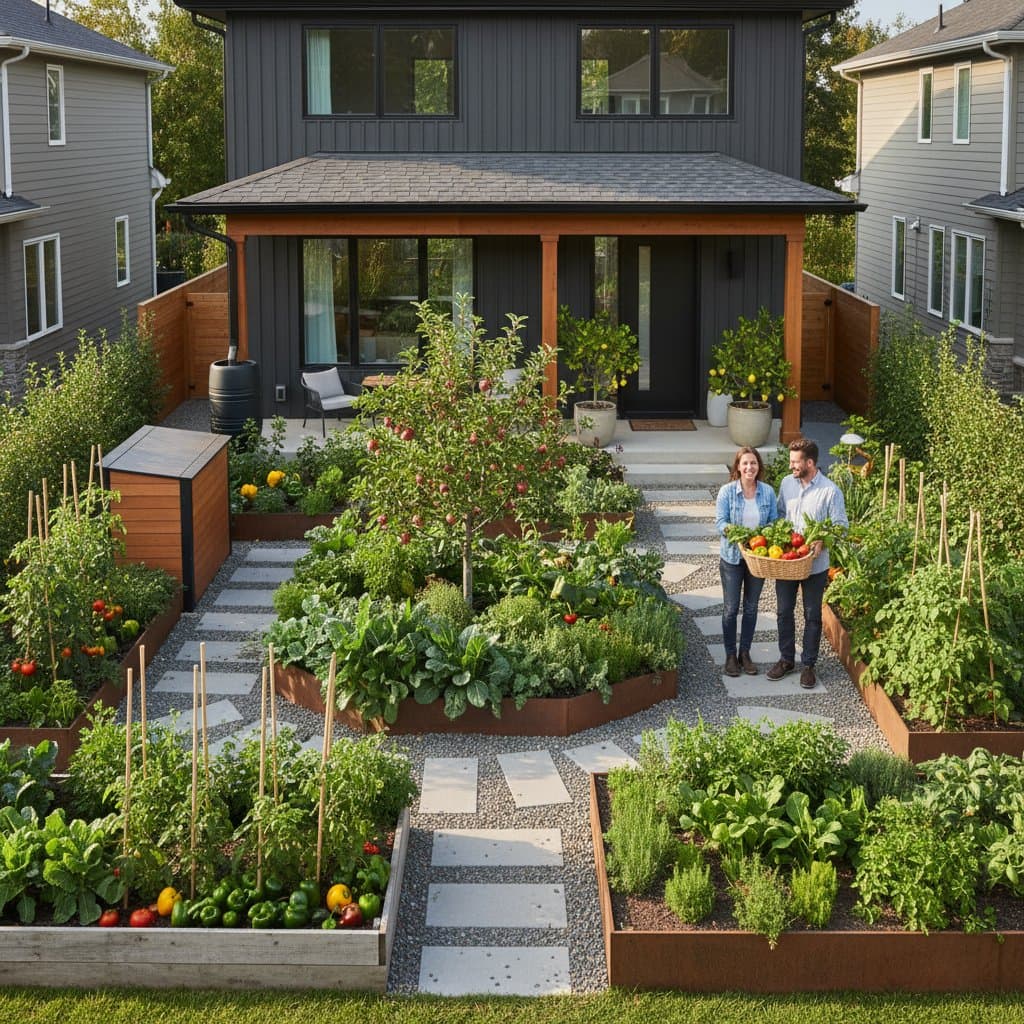
Visualize a front yard where neat grass gives way to vibrant rows of kale, interspersed with marigolds and clusters of cherry tomatoes catching the sunlight. The aroma of fresh basil replaces that of mown turf. In communities nationwide, homeowners are exchanging sterile lawns for productive spaces that yield both beauty and sustenance.
This transformation redefines outdoor living. It shifts focus from mere decoration to practical nourishment, aligning with broader goals of sustainability and self-reliance.
Shifting from Ornamental Lawns to Productive Spaces
The classic manicured lawn has long represented tidiness and status. However, escalating grocery expenses and heightened environmental consciousness prompt a reevaluation. Homeowners now explore how yards can provide food alongside visual appeal.
Drivers Behind the Lawn-to-Garden Transition
Financial incentives play a key role. As produce prices increase, cultivating food at home offsets costs. A single season's harvest from a modest plot can yield hundreds of dollars in savings on fresh greens and herbs.
The benefits extend further. Tending plants fosters a bond with natural cycles and offers fulfillment from hands-on cultivation. Harvesting homegrown lettuce or a ripe tomato provides immediate gratification and superior flavor compared to store-bought options.
Sustainability concerns amplify the appeal. Traditional lawns consume vast amounts of water, often up to 30 percent of household usage, along with fertilizers and fuels for mowing. Edible alternatives demand fewer resources, minimize chemical inputs, and bolster biodiversity by attracting beneficial insects.
Homeowners increasingly challenge outdated restrictions, proving that verdant, food-producing yards rival any formal garden in sophistication.
Principles for Crafting an Edible Landscape
No advanced skills are necessary to convert a lawn into a food-producing haven. Success hinges on harmonizing productivity with design. First, assess sunlight exposure: track shadows over several days to identify full-sun zones for heat-loving crops like tomatoes and peppers, reserving partial shade for greens such as spinach or parsley.
Incorporate raised beds or sinuous borders to enhance drainage and aesthetics. These structures prevent soil compaction and allow for efficient planting.
Employ layering techniques to build depth. Position a compact apple tree as a focal point, underplant with low-growing edibles like thyme or mint, and edge with vibrant options such as lavender or chives. This combination of varying heights, foliage textures, and hues creates a dynamic, naturalistic scene.
If a complete overhaul feels overwhelming, begin modestly. Dedicate a 4-by-8-foot strip to starter crops and scale up annually as confidence builds.
Sustainable Maintenance Practices for Thriving Edibles
Edible gardens encourage eco-friendly care routines. Enrich soil with organic matter like homemade compost or well-rotted manure, applied at a rate of two inches per season. This method boosts nutrient levels without synthetic additives.
Apply mulch layers of wood chips or grass clippings to two inches deep, which conserves soil moisture, inhibits weed growth, and decomposes to further feed the earth.
Leverage companion planting for natural pest management. Position marigolds near root vegetables to repel soil nematodes, plant basil alongside tomatoes to ward off hornworms, and use nasturtiums as traps for aphids, drawing them from vulnerable plants.
Optimize irrigation with targeted systems. Install drip lines that supply water at the root level, reducing evaporation by up to 50 percent and minimizing leaf wetness to curb fungal issues. Supplement with rain barrels to capture rooftop runoff, providing a free, chemical-free supply during droughts.
Fostering Community Through Visible Gardens
Initial concerns about neighbor approval often prove unfounded. Edible front yards typically invite positive interactions. Passersby inquire about bean varieties climbing trellises or pause to appreciate blooming dill attracting butterflies.
These displays educate children on food origins and occasionally lead to collaborative picking sessions. What starts as an individual endeavor frequently evolves into neighborhood exchanges of surplus produce or gardening advice.
In some areas, groups convert communal lots into shared plots. Residents collaborate on planting, maintenance, and distribution, strengthening bonds and amplifying collective yields.
Steps to Launch Your Own Edible Yard
Embarking on this project begins with defined objectives. Aim to cut food expenses by targeting high-value crops like salad greens, which regrow multiple times per season, or prioritize biodiversity with pollinator-friendly herbs.
Draft a basic site plan, factoring in local hardiness zones. Select varieties adapted to your region, such as heat-tolerant basil for warmer climates or cold-hardy kale for northern gardens.
Prepare the site methodically. Cover grass with overlapping cardboard sheets topped by six inches of compost; this sheet-mulching technique kills turf naturally over weeks without tilling. For immediate results, slice under sod with a spade and flip it grass-side down.
Plant a diverse assortment: intersperse fast-maturing radishes, harvestable in 30 days, with perennials like asparagus that yield for years. Include aromatic herbs to enhance both cuisine and garden allure. Maintain accessible paths, at least two feet wide, for convenient reaching and balanced composition.
Benefits of Embracing an Edible Landscape
This movement transcends economic responses. It embodies a return to ingenuity and stewardship. Homeowners demonstrate that landscapes can sustain life while captivating the senses, yielding harvests that nourish body and spirit alike.