From Aesthetic to Edible
Edible landscaping merges ornamental and productive elements seamlessly. Consider using kale as edging, allowing strawberries to cascade along borders, or substituting fruit trees for non-bearing varieties. Such designs maintain year-round visual interest while maximizing utility.
In Paris, townhouse gardens often pair lavender with artichokes in shared beds, yielding striking visuals and aromas. French rural traditions further illustrate this by interweaving herbs, lettuces, and beans among blooms, producing a balanced, naturalistic effect.
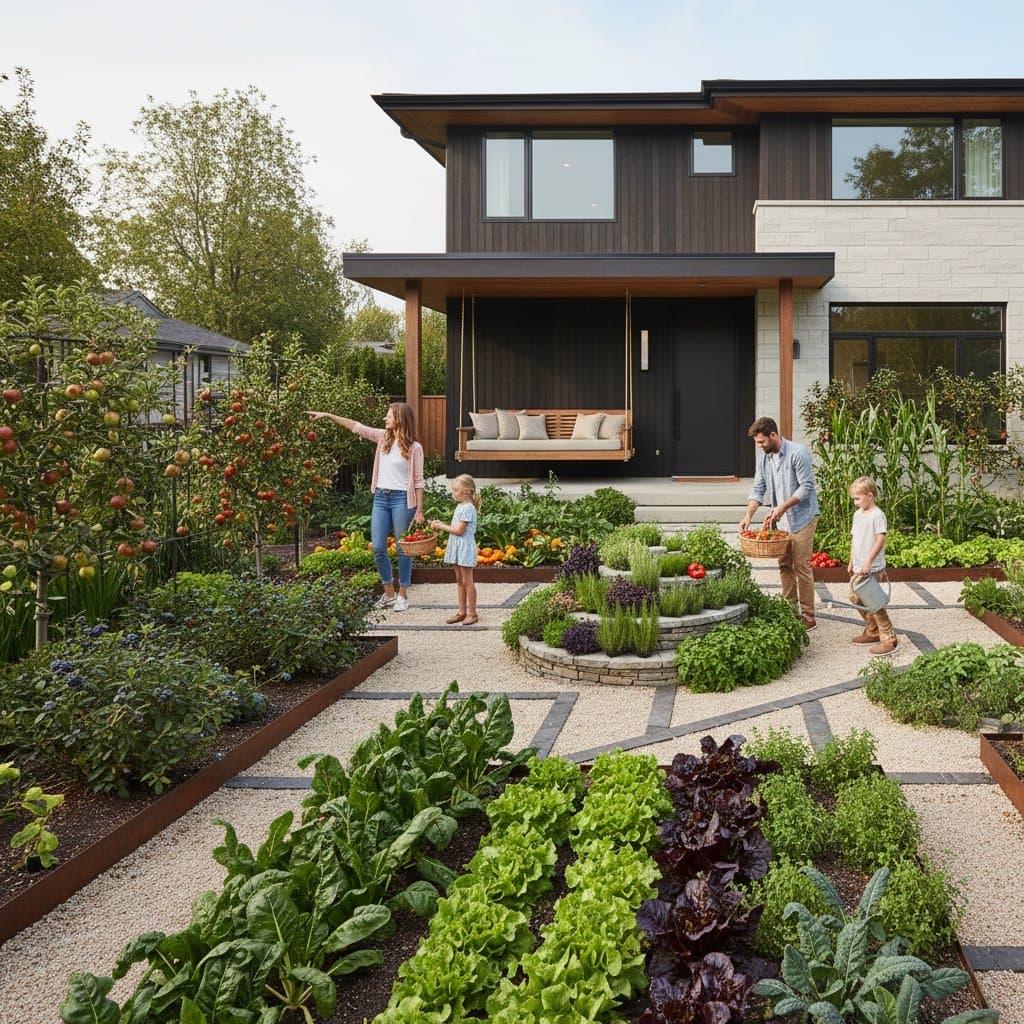
Modern adaptations bring this harmony to diverse settings, proving edible gardens suit any front yard.
Why Families Embrace Front Yard Gardens
Busy schedules leave families seeking efficient solutions to rising costs and educational gaps. Front yard gardens address these by supplying homegrown food and demonstrating agricultural basics directly.
In a compact Brooklyn setup, three planters of basil and cherry tomatoes offered lessons in cultivation far surpassing market visits. Children developed patience, accountability, and satisfaction from harvesting their efforts.
Child psychologist Dr. Emma Lewis observes that joint gardening promotes mindfulness and eases childhood stress. "Children involved in growing food show greater willingness to consume vegetables. They also gain self-assurance from caring for living plants," she explains.
Community Connection
Visible gardens spark interactions. Neighbors inquire about maturing tomatoes or vining cucumbers, leading to shared knowledge and excess yields.
In a Cotswolds village, one family cultivates peas on fences, herbs at entrances, and berries along paths. They periodically place surplus in gate-side baskets, nurturing both personal sustenance and neighborhood bonds.
Expert Advice for Successful Edible Front Yards
Edible designs demand planning that balances form and function. Experts emphasize gradual implementation and site-specific choices.
1. Start Small and Observe
Landscape architect Jason Tran recommends selecting two or three compatible edibles initially. "Begin with herbs or greens suited to your climate, then scale up based on performance. Successful gardens develop over time," he advises.
For limited areas, employ vertical methods. Install trellises for climbers, wall-mounted pots for herbs, or suspended baskets for trailing plants to optimize space.
2. Mix Ornamentals and Edibles
Varied textures and hues sustain appeal. Pair purple basil with soft blooms, or use Swiss chard for bold foliage and framework. Incorporate edible flowers such as nasturtiums or calendulas for color pops that draw pollinators.
Japanese urban gardens exemplify this through precise, layered arrangements of vegetables and flowers. This disciplined approach prevents a haphazard appearance, ensuring elegance in confined spaces.
3. Choose Plants for Your Lifestyle
Select low-effort options for demanding routines. Perennial herbs like thyme, rosemary, and sage thrive with basic care. Berry shrubs such as blueberries or currants offer long-term yields with infrequent trimming.
Renters benefit from containers that relocate easily and adjust to light variations, maintaining productivity amid transitions.
4. Plan for Seasons
Sustain engagement across months with diverse plantings. Combine winter-hardy kale and spinach with heat-tolerant tomatoes and peppers. Include evergreen edibles or shrubs for winter framework.
Garden consultant Laura Chen suggests succession planting. "Harvest lettuce, then reseed promptly. This keeps soil productive and ensures steady output," she recommends.
5. Focus on Soil Health
Vital soil supports thriving edibles. Incorporate compost routinely and forgo synthetic fertilizers. Organic enhancers like seaweed solutions or vermicompost boost nutrients while preserving soil life.
Address compacted or nutrient-poor ground with raised beds. These structures promote neatness, faster warming, and precise soil management.
Global Inspirations for Edible Beauty
Cultural practices worldwide offer blueprints for refined edible designs. Adapt these to craft personalized front yards.
French Potager Tradition
The potager integrates edibles with formal layout. Symmetrical rows of produce, herbs, and flowers feature gravel walks and clipped hedges for polish.
Rural French examples treat gardens as aesthetic extensions of residences. Precisely positioned lettuces and trained vines inspire pride, translating seamlessly to contemporary front yards.
English Cottage Abundance
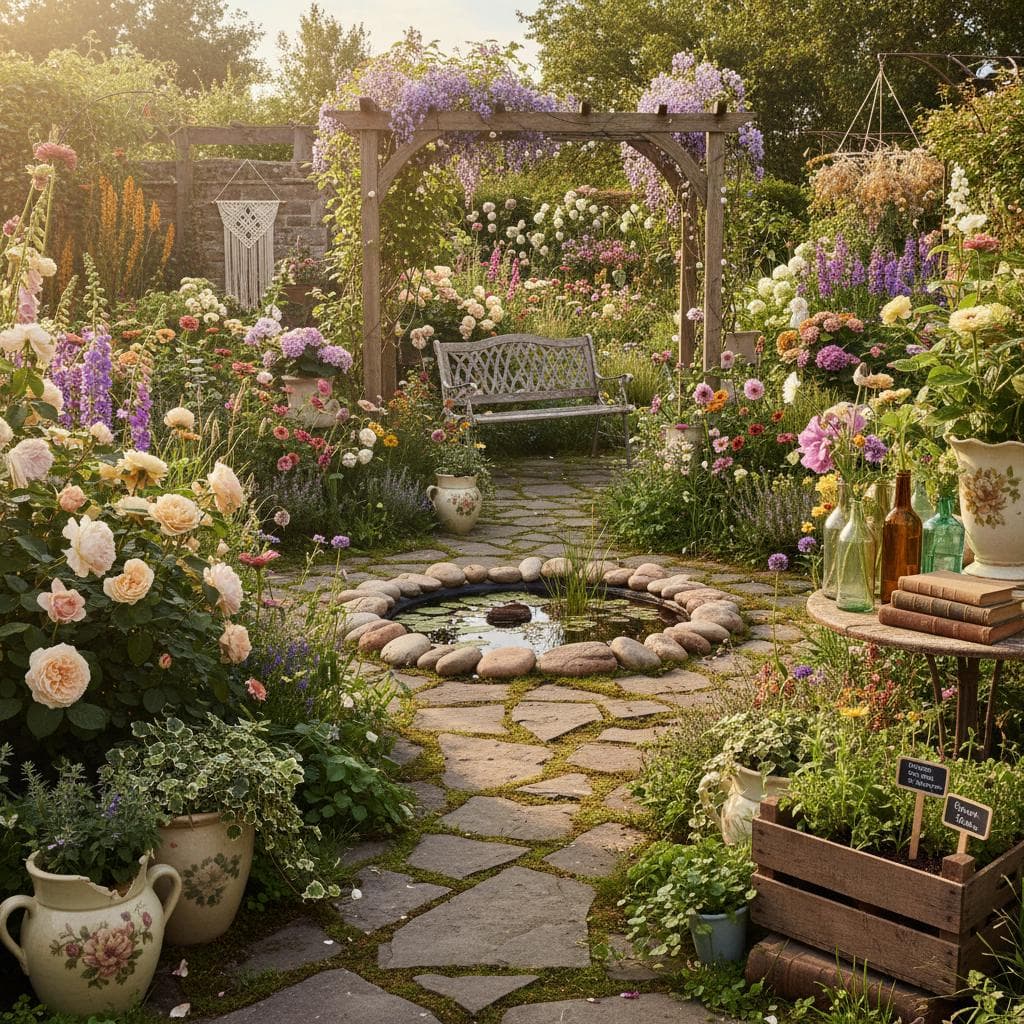
Cottage styles mix edibles and ornamentals freely. Apples share space with roses, herbs occupy gaps, evoking welcoming profusion.
This informal method suits families favoring organic vibes. Its diversity provides buffers against crop losses.
Urban Japanese Precision
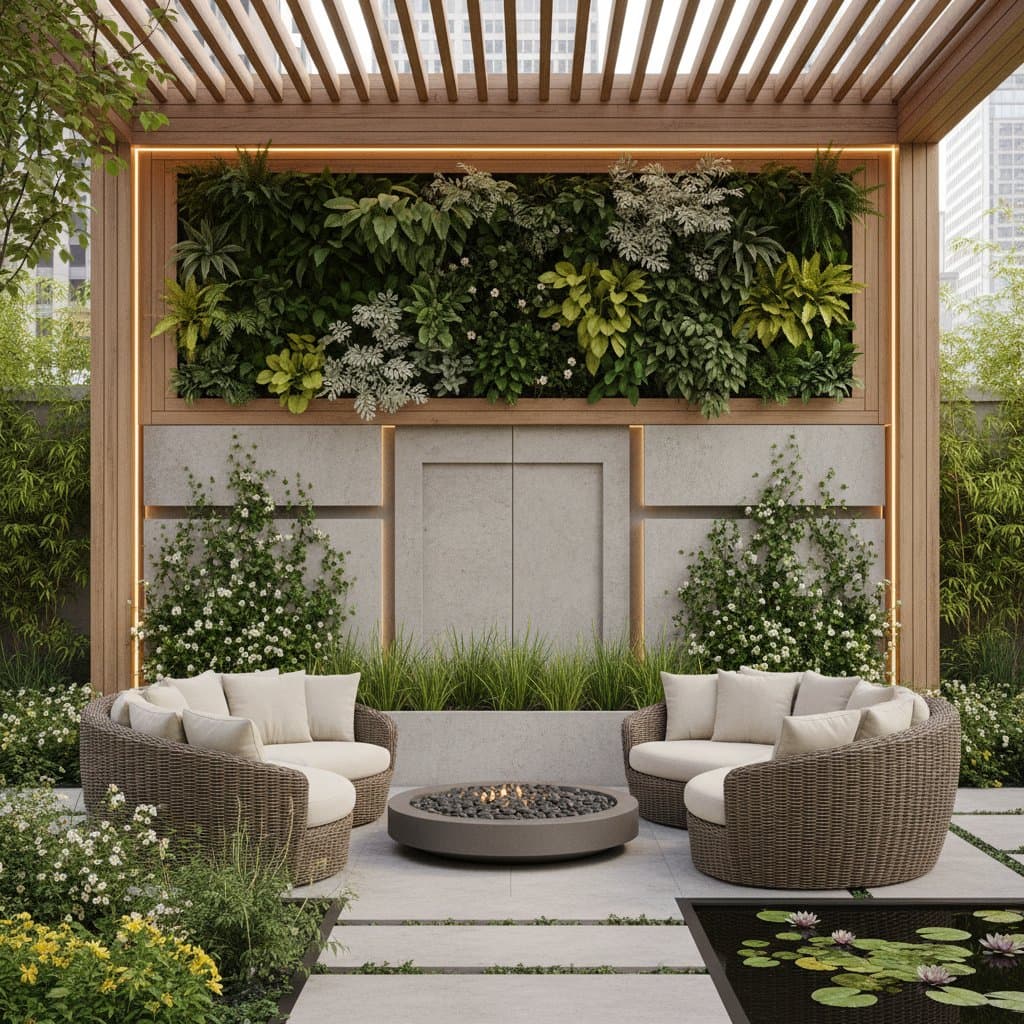
Compact Japanese gardens layer plants efficiently in raised frames and vertical systems. Select few varieties yield serene productivity.
Urban residents learn from this minimalism: small areas produce substantially without disorder.
Balancing Curb Appeal and Productivity
Concerns about messiness or diminished value prove unfounded with intentional design. Edibles like structured rosemary or dwarf fruit trees add definition, while ground covers refine edges.
Edible landscaping designer Maya Richardson views gardens as dynamic installations. "Design a front yard that sustains you while rivaling professional showcases," she urges.
Apply edging, mulch layers, and color repetition for unity. Framed lettuces gain sophistication through such techniques.
Integrating Pathways and Seating
Position a compact table amid herbs or a seat under fruit canopy to encourage pauses. These elements elevate practicality to sociability, enriching the space.
Steps to Launch Your Edible Front Yard
Initiate change by prioritizing utility and delight over mere street view. Follow these actions for progress:
- Evaluate conditions. Track sunlight patterns and drainage over a week.
- Map the layout. Outline paths, beds, and focal points on paper.
- Introduce herbs first. Plant mint, chives, or parsley for quick, resilient starts.
- Build verticality. Add trees or shrubs for scale and enclosure.
- Maintain order. Apply mulch, trim as needed, and refresh underperformers.
- Distribute yields. Share extras to cultivate goodwill and feedback.
These gardens yield savings, skills, and connections, proving front yards can sustain lives holistically.