Edible Yards: Revolutionizing Front Landscapes by 2026
Key Points
- Homeowners increasingly replace conventional grass lawns with edible plants that deliver both visual appeal and fresh produce.
- This movement integrates sustainable practices, thoughtful design, and greater self-reliance in outdoor spaces.
- Industry experts indicate that edible landscaping enhances property values while minimizing ongoing maintenance expenses.
- Landscape designers craft front yards that incorporate fruit trees, herbs, and vegetables for striking visual effects.
- Nationwide communities adopt the no-lawn approach as a meaningful lifestyle choice and environmental commitment.
Picture the Scene
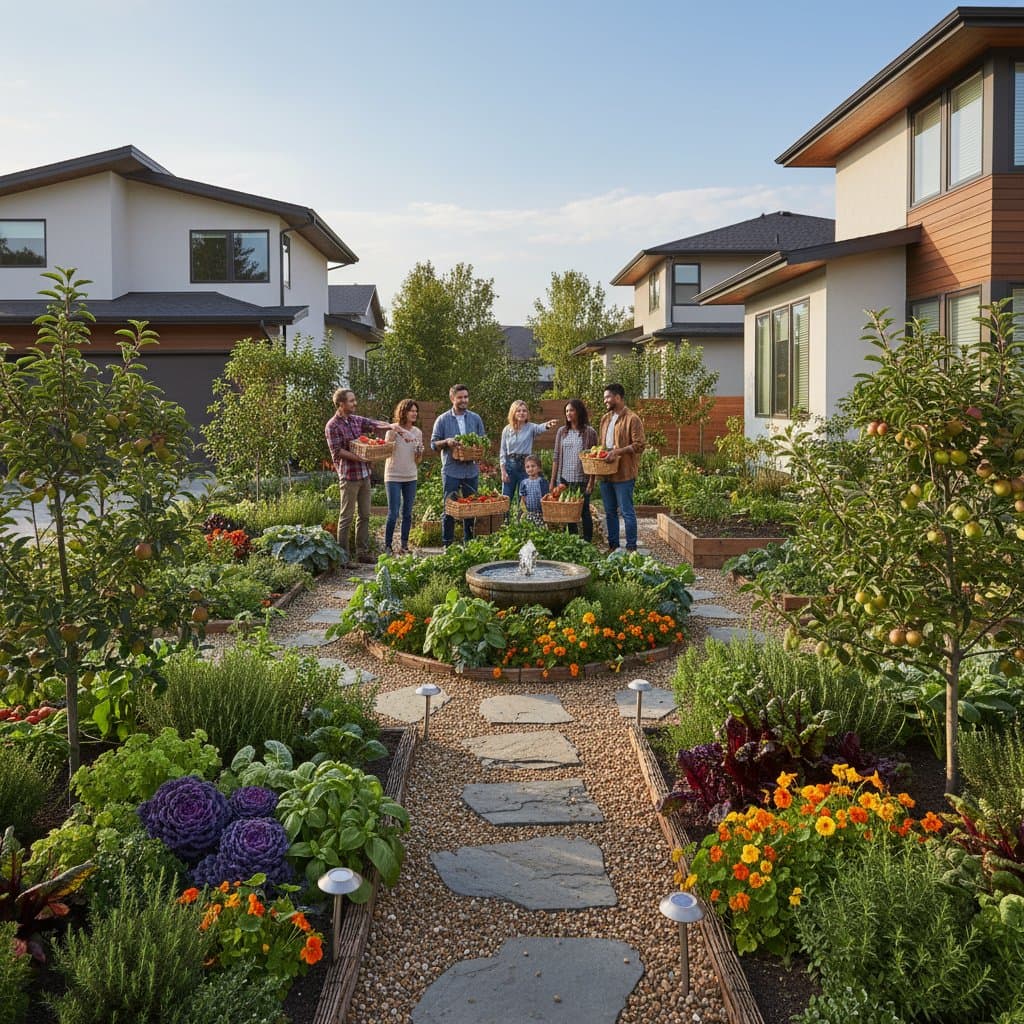
Imagine arriving in a serene neighborhood where homes glow under the afternoon sun. Rather than uniform expanses of trimmed grass, vibrant beds of kale flourish alongside lavender-edged paths, and tomato vines climb trellises next to tall sunflowers. A young child reaches for a ripe strawberry along the sidewalk, while a neighbor trades a handful of basil for crisp cucumbers. These former lawns now serve as productive pantries, all while maintaining an inviting beauty.
The Cultural Shift Toward Edible Design
From Aesthetic to Edible
Contemporary edible landscaping elevates beyond outdated, haphazard vegetable plots. It draws on established principles of ornamental garden design, such as balancing textures, colors, and heights for cohesive layers. Consider purple basil paired with multicolored Swiss chard, or blueberry shrubs creating a hedge accented by rosemary's aromatic edging.
Landscape architect Miguel Serrano, specializing in edible features for city properties, emphasizes visual balance. "We plan edible yards like art installations," he states. "There is rhythm, repetition, and contrast. You might have a fig tree as a focal point, with mint and thyme weaving through the base like living ground cover."
Such arrangements provide enjoyment for the senses and the palate.
The No-Lawn Movement Gains Ground
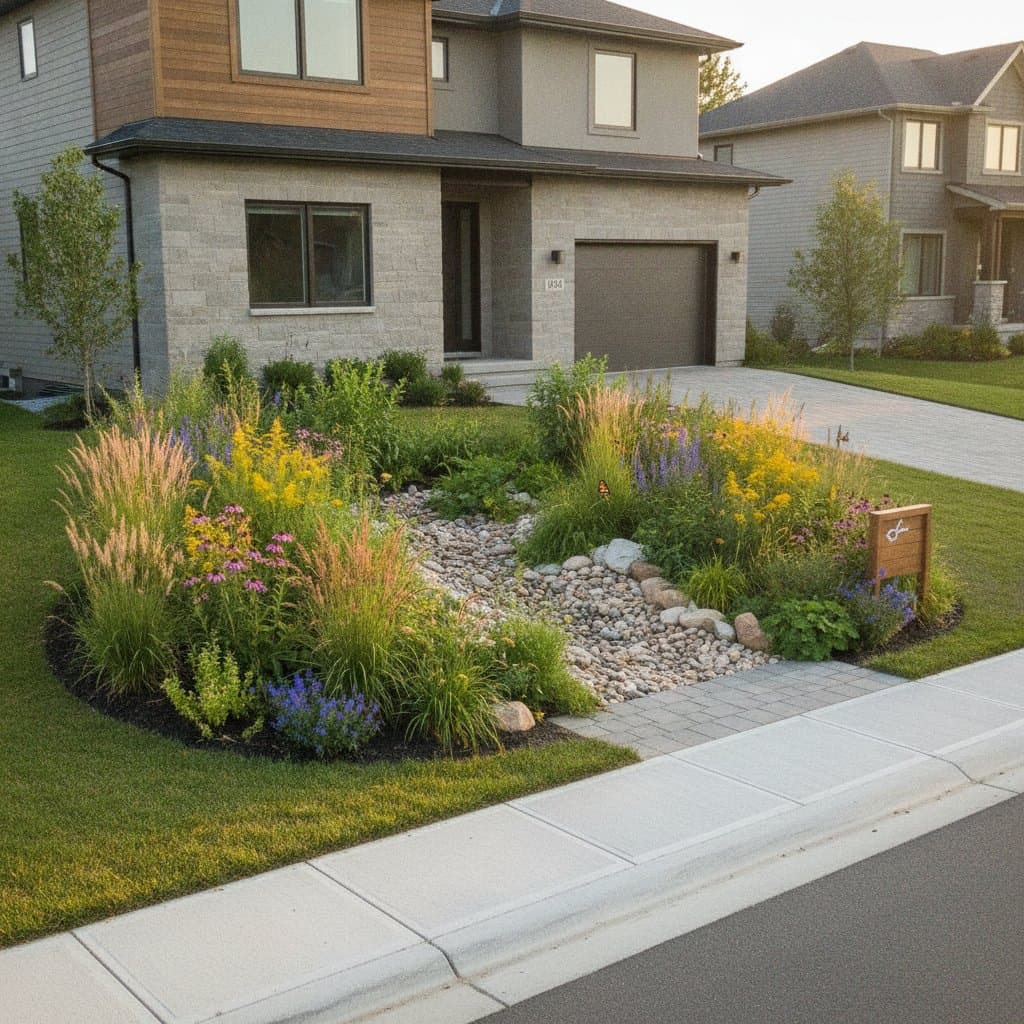
Growing environmental concerns propel the no-lawn initiative forward. Traditional grass demands substantial irrigation, synthetic fertilizers, and regular mowing, straining resources. In contrast, edible landscapes conserve water and bolster pollinator habitats, often proving simpler to manage after initial establishment.
Regions with dry climates show keen adoption, substituting lawns with water-efficient fruit trees like pomegranates and olives, supported by efficient drip irrigation. City dwellers innovate with space-saving raised beds and vertical setups that perform well in confined areas.
The no-lawn ethos also conveys social values. A front yard alive with edible elements signals dedication to sustainability, ingenuity, and autonomy. It conveys to the community, "This household engages actively with its surroundings."
Economic and Practical Benefits
Initial costs for converting a lawn to edibles may appear daunting, yet specialists highlight substantial long-term gains. Productive yards yielding herbs, fruits, and vegetables offset hundreds of dollars in annual grocery expenses. They mitigate stormwater issues and decrease summer cooling bills through shading from trees and climbing vines.
Real estate agents report rising buyer interest in such features. "It is a luxury with purpose," notes Tasha Nguyen, an expert in green properties. "People want outdoor spaces that feed them while looking refined. It is no longer fringe. It is aspirational."
Edible yards further bridge individuals with their food sources. Gathering ingredients from one's front yard cultivates awareness of consumption habits. This hands-on cultivation, even modestly scaled, revives a profound connection to the natural world that many seek.
Designing with Purpose and Personality
Edible yards allow for diverse styles without sacrificing cohesion. Some opt for sleek, modern layouts with rectangular raised beds outlined in clean concrete. Others embrace informal cottage gardens featuring meandering trails and abundant herb clusters. Effective designs align with individual tastes while accounting for regional weather and soil types.
Professionals advise incremental beginnings. Introduce a cluster of berry shrubs or a line of kitchen herbs to refresh an area without daunting novices. Blend perennials such as asparagus or artichokes with seasonal annuals to ensure ongoing productivity. Employ companion planting, like tomatoes alongside marigolds, to promote healthier plants and added visual interest.
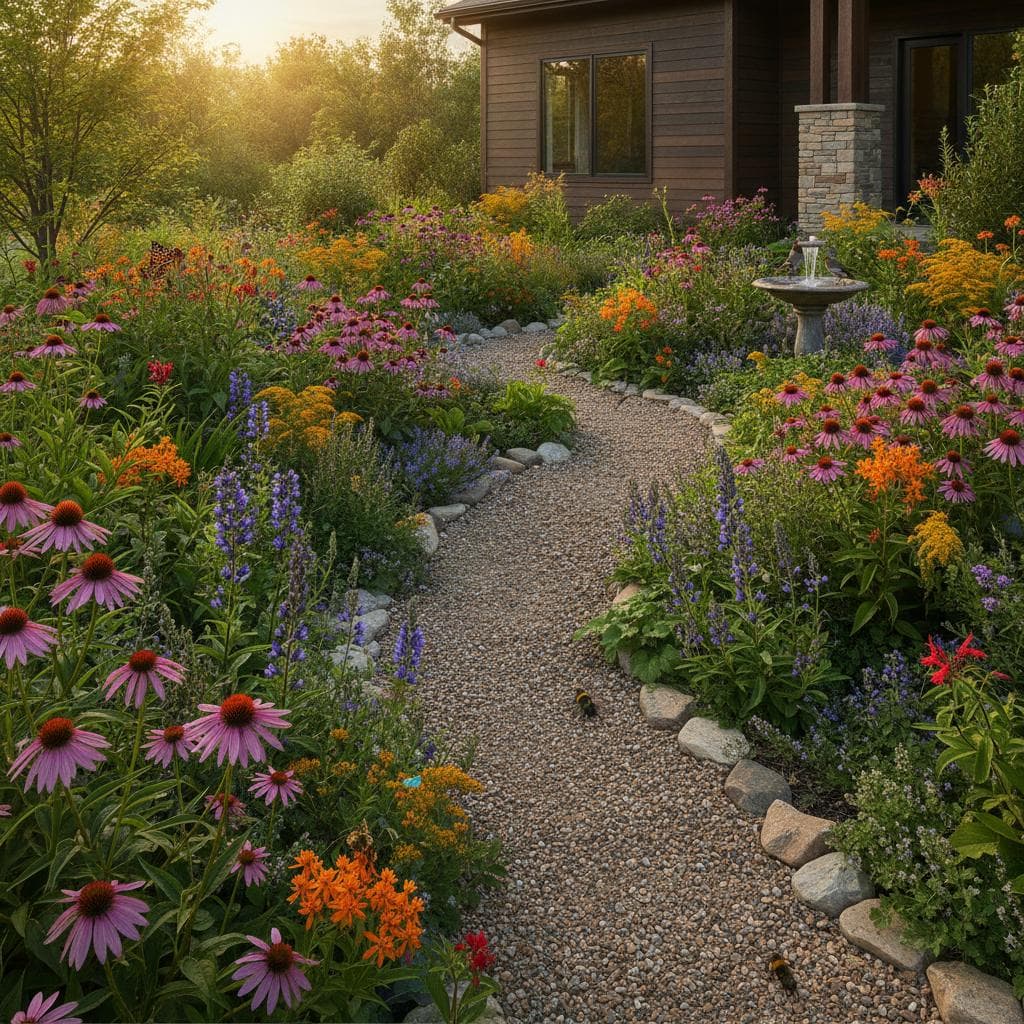
Strategic color selection enhances appeal. Robust green kale offsets sunny nasturtiums, and violet eggplants introduce bold form. Edible blooms like calendula and borage deliver vivid hues that draw in bees and butterflies, supporting the garden's vitality.
Community and Cultural Momentum
The proliferation of edible landscapes reshapes not only solitary properties but collective neighborhoods. Initiatives like seed exchanges, guided garden tours, and digital discussion groups foster a collective drive. Local governments increasingly revise regulations that previously limited front-yard edibles, acknowledging benefits to regional ecology and social bonds.
Influential personalities amplify visibility by sharing their edible garden photos online. This trend evolves into narrative sharing about lifestyle, underscoring sustainability, innovation, and planetary stewardship. Audiences encounter more than flora; they witness declarations of principle and thoughtful living.
Making It Happen
Individuals prepared to overhaul their lawns benefit from these foundational steps.
-
Plan for function and form. Approach the yard as an evolving design endeavor. Draft a basic layout addressing sun exposure, drainage patterns, and circulation routes.
-
Choose the right plants. Prioritize options adapted to your locale. Indigenous edible plants typically demand less care and invite helpful wildlife.
-
Think long term. Invest in perennials like berry shrubs or fruit trees, which develop gradually but deliver reliable harvests and enduring framework.
Routine care simplifies as the system stabilizes. Apply mulch to suppress weeds, incorporate compost for nutrient enhancement, and rely on pollinators to perpetuate growth. Gradually, the yard shifts from task to partnership with the environment.
Harvesting Lasting Rewards
Edible yards transcend temporary trends. They embody a fresh vision of beauty intertwined with utility in everyday landscapes. By converting lawns into sources of nourishment, homeowners inspire broader change, turning personal spaces into beacons of possibility.