AI Robots Revolutionizing Yard Care by 2026
Homeowners often face the chore of maintaining an overgrown lawn on a pleasant afternoon. The task involves mowing, edging, and possibly aerating, yet the noise and effort deter many from starting. AI-powered yard robots eliminate these hassles by managing the yard independently, allowing more time for relaxation.
These advanced machines surpass earlier models that relied on random paths and boundary wires. Equipped with sensors, computer vision, and machine learning, they adapt to specific yard conditions. The result is efficient, professional-level care without human intervention.
Key Features of AI Yard Robots
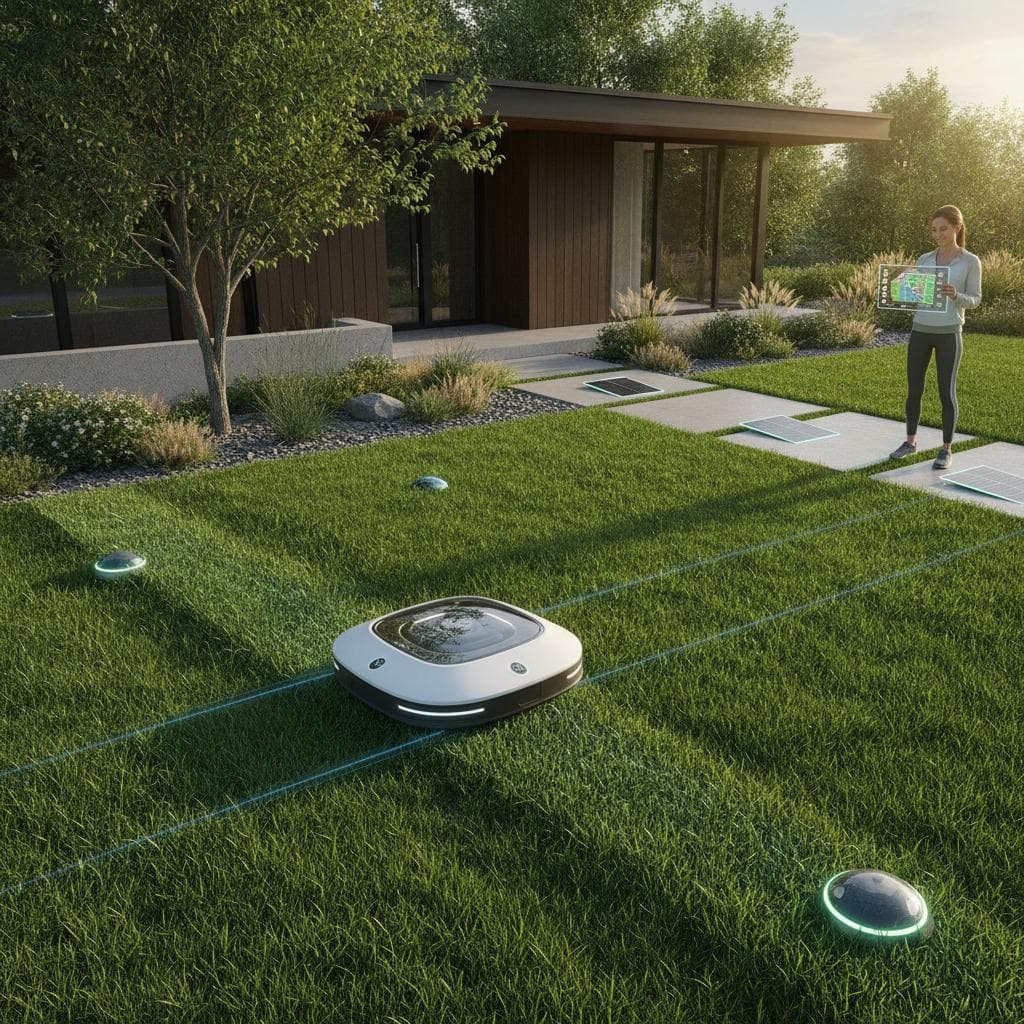
AI yard robots distinguish themselves through intelligent navigation and customization. They employ cameras and LiDAR to map lawns accurately, identifying grass length variations and obstacles in real time. For instance, they avoid delicate plants by creating virtual boundaries via mobile apps.
Comprehensive Yard Maintenance Capabilities
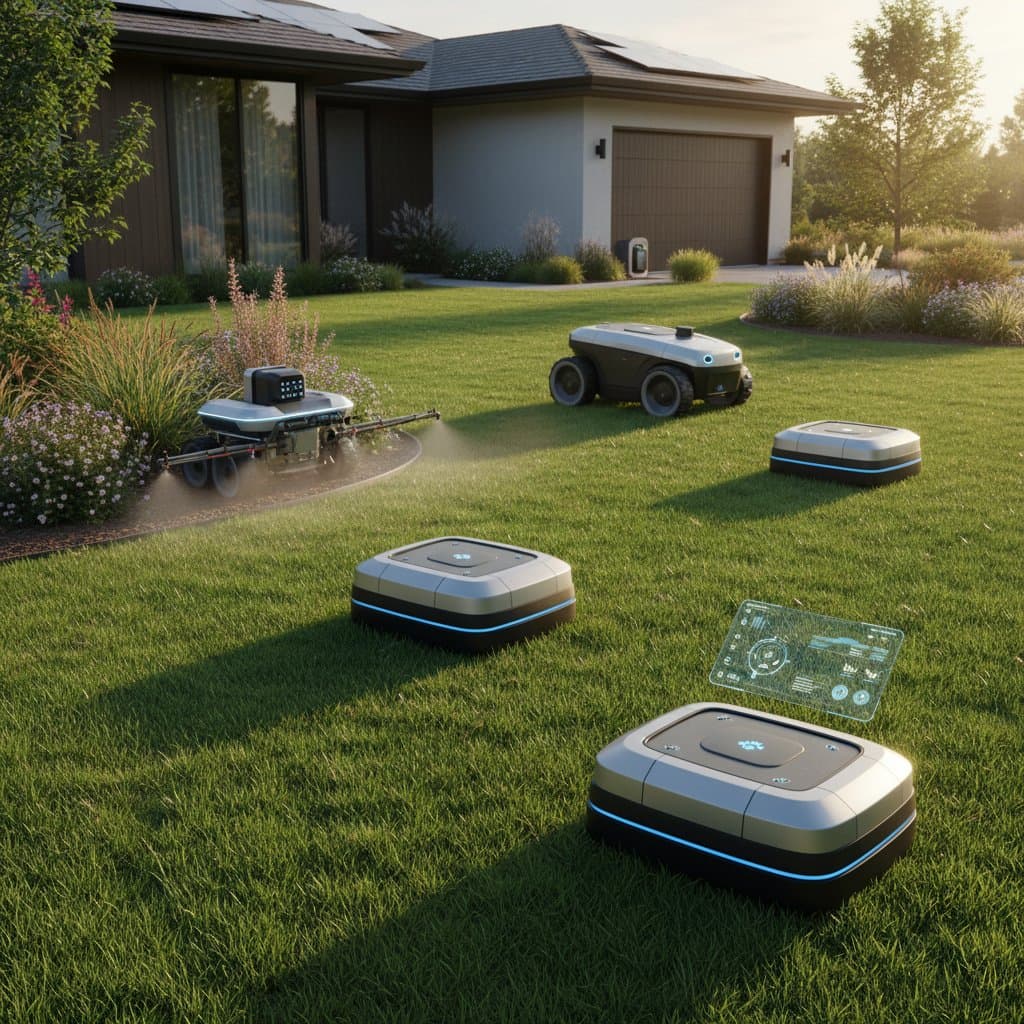
Modern systems extend functionality beyond basic mowing to include edging, leaf removal, and fertilization. Companion devices analyze soil pH and nutrient levels, applying targeted treatments only where deficiencies exist. This prevents over-fertilization and supports balanced ecosystems.
Imagine a coordinated setup: the primary robot mows while a secondary unit collects clippings for composting. If moisture levels drop, it activates zone-specific watering through connected sprinklers. Such integration minimizes manual oversight and maximizes resource efficiency.
For busy professionals or those with expansive properties, this setup provides round-the-clock vigilance. It replaces sporadic professional services with reliable, on-demand performance, often at lower long-term costs.
Aesthetic and Functional Design Innovations
Design plays a crucial role in seamless yard integration. Contemporary robots feature streamlined shapes in earth tones that camouflage among foliage. Charging stations tuck away in sheds or under decking, maintaining visual appeal.
Durability matches their elegance with robust, IP-rated enclosures against rain and debris. All-wheel drive systems conquer slopes up to 45 degrees and navigate tight corners without damage. Regular software updates enhance performance, ensuring adaptability to changing landscapes.
These elements combine to create tools that enhance rather than intrude on outdoor aesthetics. Homeowners can focus on creative landscaping, knowing the technology supports their vision without visual clutter.
Environmental Benefits of AI Yard Care
Electric operation eliminates fuel consumption, cutting carbon emissions by up to 90 percent compared to gas mowers. Mulching blades finely chop grass, returning nutrients to the soil and eliminating bagging needs. This closed-loop process reduces landfill waste significantly.
Water conservation features optimize usage through real-time data. Sensors detect evaporation rates and adjust irrigation accordingly, potentially saving thousands of gallons annually. Quiet operation, often below 60 decibels, preserves neighborhood tranquility.
Overall, these robots foster eco-conscious habits. They enable precise pest management via early detection, reducing chemical reliance. The cumulative impact supports biodiversity in home landscapes.
Investment and Practical Considerations
Upfront costs for premium models range from $1,500 to $5,000, reflecting advanced capabilities. However, savings accrue from eliminated fuel purchases, reduced maintenance, and avoided landscaping fees. Payback periods typically span two to three years for average households.
Budget-friendly options start at $800 for basic mowers, with add-ons for expanded functions. Modular designs allow gradual upgrades, such as adding GPS modules for larger yards. Financing plans from manufacturers ease initial barriers.
Time savings translate to intangible benefits. Reclaimed weekends enable family activities or garden expansions, elevating quality of life. Evaluate yard size and terrain during selection to match features with needs.
Addressing Potential Challenges
Initial setup requires mapping the yard, a process completed in under an hour using the app. Routine maintenance includes blade sharpening every 20 hours and sensor wiping after use. These steps ensure optimal performance with minimal effort.
Privacy concerns arise from camera and GPS use, but leading brands employ end-to-end encryption and local processing options. Users control data retention, deleting logs as needed. Opt for models with offline modes for added security.
Reliability improves with each generation. Advanced algorithms handle complex terrains, learning from initial runs to refine paths. In tests, navigation accuracy reaches 99 percent after one week, rivaling human precision.
Integrating AI into Your Landscape Vision
Adopting AI yard robots shifts focus from upkeep to enjoyment. Design landscapes with confidence, incorporating winding paths or diverse plantings that the robot navigates effortlessly. This freedom sparks innovation in outdoor spaces.
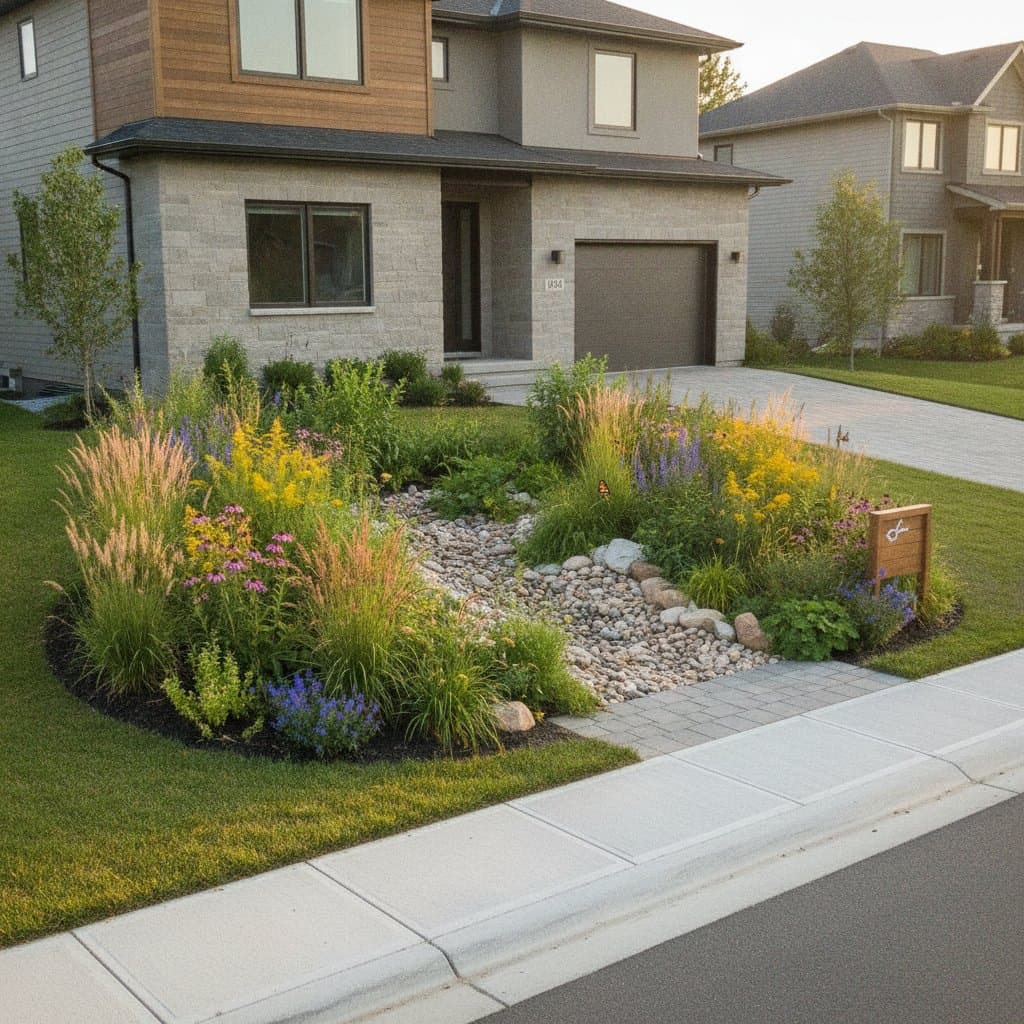
Sustainability gains momentum as automated efficiency frees resources for regenerative practices. Plant native species or install wildlife habitats, knowing maintenance occurs seamlessly. The technology amplifies personal connections to nature.
To begin, survey your yard for coverage needs and review model specifications. Test app interfaces for usability, and consider trial periods offered by retailers. With the right choice, your yard becomes a thriving, low-effort sanctuary by 2026.