Why AI Lawn Robots Are Reshaping Front Yards
I once believed that mowing the lawn qualified as exercise. Each weekend, I retrieved the traditional push mower, assured myself the task would proceed swiftly, and then emerged sweaty, irritable, and reflective about my decisions. The humidity in Staten Island exacerbates the challenge, and my front yard often appeared uneven despite precise alignment of rows. When a friend described her robotic lawn mower, I responded with skepticism. I struggled to extend Wi-Fi coverage to the back deck. How could a robot manage a lawn effectively?
My First Encounter With a Lawn Robot
Curiosity prevailed. I borrowed her mower for a weekend, intending to demonstrate its shortcomings. I imagined it becoming trapped beneath hydrangeas or straying toward the street. Instead, the device navigated the yard methodically and silently. It produced neat lines, mulched clippings finely to nourish the soil, and operated without interruption. I observed from the window, coffee in hand, as if witnessing a diligent miniature landscaper.
How AI Lawn Robots Actually Work
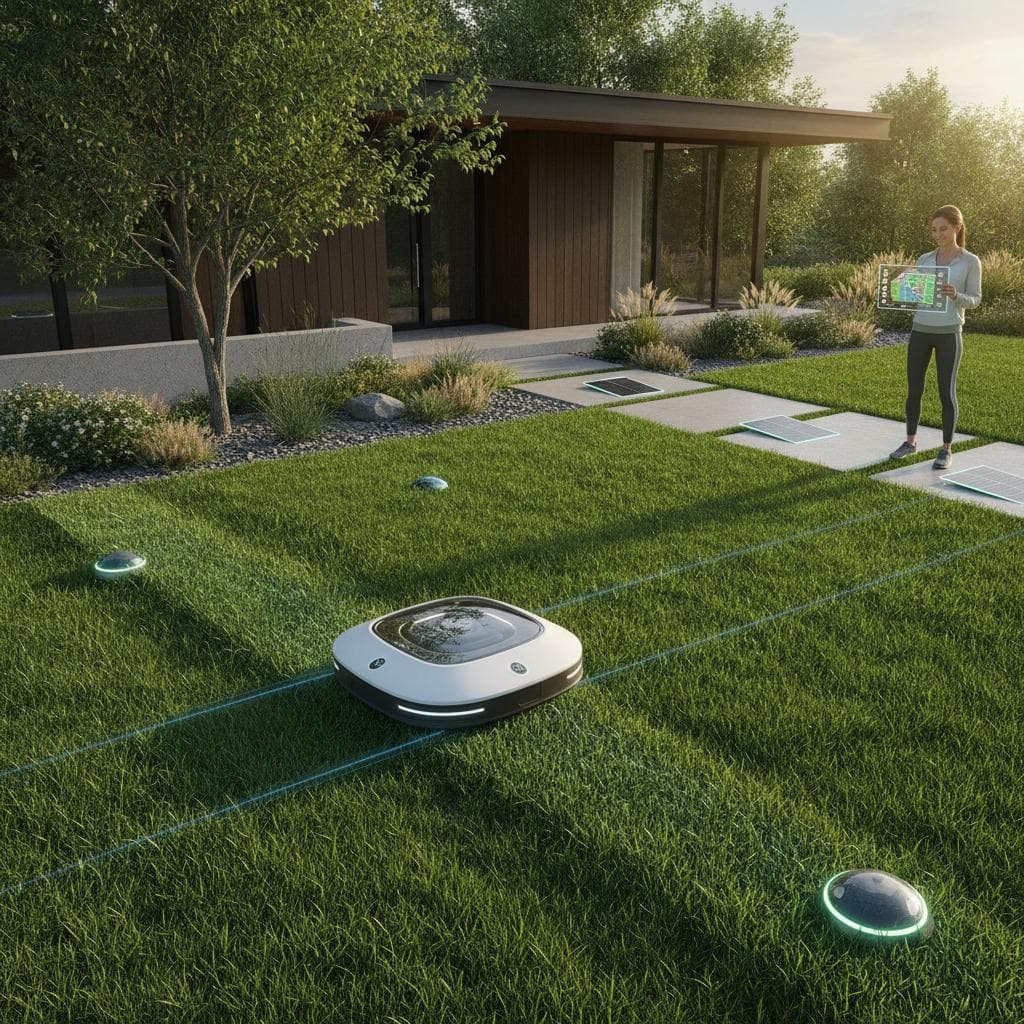
These devices resemble compact, low-profile units at first inspection. Internally, they employ sensors and mapping algorithms to comprehend lawn boundaries and terrain. Many models identify obstacles, adapt mowing paths dynamically, and return to charging docks independently. Integration with smartphone applications enables users to program sessions, monitor activity, and receive notifications.
For individuals who overlook mowing before social gatherings, this functionality proves invaluable. Contemporary robots manage inclines up to 35 degrees, maneuver around garden features, and perform frequent light cuts to sustain optimal grass height. Rather than infrequent heavy trims, they foster a lush, uniform surface comparable to a well-maintained carpet.
Advanced models incorporate GPS for larger properties or weather integration to pause operations during rain. Boundary wires, often included, define safe zones, while virtual mapping eliminates the need for physical installation in premium versions. These features ensure precise coverage, reducing missed spots and promoting even growth.
Real-World Benefits and a Few Limitations
Consistency represents the primary advantage. My yard achieves unprecedented balance, allowing Saturday mornings for writing rather than manual labor. The subdued noise level suits professional environments; the robot operates during video calls without disruption.
Energy efficiency contributes further value. These machines consume less power than gas mowers and promote healthier soil through mulching, which recycles nutrients. Homeowners report reduced water usage, as frequent mowing encourages deeper root systems. In urban settings like mine, they minimize exposure to allergens and pollutants from traditional equipment.
However, challenges exist. Initial setup demands time, particularly with obstacles like trees or irregular terrain. Boundary wire installation requires careful planning for non-experts, potentially necessitating professional assistance. Robots handle mowing effectively but cannot remove weeds or trim edges; manual intervention remains essential for those tasks.
Occasional maintenance, such as blade sharpening every few months, ensures longevity. Battery life varies by model, with some requiring daily charging for extensive lawns. Weather extremes, like heavy dew or thick thatch, may temporarily hinder performance.
Living With a Smarter Yard
Adapting to robotic assistance transformed my interaction with the yard. Dread associated with maintenance dissipated. Yard care now integrates seamlessly into daily life, operating unobtrusively. The grass maintains vitality, weekends remain flexible, and additional time supports creative endeavors. Neighbors inquire about potential landscaping services, unaware of the automated solution.
This shift extends to environmental awareness. By reducing fuel consumption and emissions, AI robots align with sustainable practices. They encourage observation of yard health, prompting adjustments like targeted fertilization based on app data.
Steps to Integrate a Lawn Robot Into Your Routine
Consider your yard size and layout when selecting a model. Entry-level units suit small, flat areas, while robust options handle complex terrains. Review compatibility with smart home systems for enhanced control.
Begin installation by mapping the area and securing boundaries. Test runs allow refinement of schedules, such as daily sessions during peak growth seasons. Monitor performance via the app and perform routine checks to optimize results.
The transition yields more than aesthetic improvements. It restores balance to home life, emphasizing enjoyment over obligation. Embrace this technology to reclaim time and cultivate a thriving outdoor space.