Moss Walls and Living Facades Reshape Garden Trends
Standing in a narrow Paris courtyard, surrounded by ivy-covered walls that pulsed with vitality, sparked a shift in perspective on gardening. Traditional gardens expand horizontally across available land, but vertical options climb upward to claim overlooked spaces. This approach has gained traction worldwide, appearing on compact balconies in London and rustic patios in the Cotswolds. Moss walls and living facades now appeal to everyday homeowners who seek greenery amid limited square footage, moving beyond exclusive use in luxury hotels or sustainable architecture.
Key Takeaways
- Vertical gardens redefine small-space cultivation by integrating plants into walls and facades for maximum efficiency.
- Moss walls provide low-maintenance options that suit indoor and outdoor environments with minimal sunlight requirements.
Living facades enhance air purification, thermal insulation, and visual interest in urban and rural settings.
Practical adaptations, such as modular systems, enable renters and families to install these features without permanent alterations.
These designs promote biodiversity by supporting pollinators and reducing urban heat islands.
Why Vertical Greenery Is Rising
Urban environments restrict access to expansive outdoor areas, yet the human need for natural surroundings persists. Moss walls and living facades address this gap by transforming vertical surfaces into verdant expanses. London-based designer Clara Jensen notes, "Living walls restore a sense of tranquility and tactile richness that urban residents crave intensely."
These installations merge architectural elements with natural landscapes, yielding designs that feel contemporary yet restorative. In New York City apartments, vertical gardens deliver the essence of a full garden while preserving floor space for living. Observations from the French countryside reveal moss thriving on stone walls naturally, a tradition that informs modern applications. Designers now replicate this organic growth using hydroponic systems or felt pockets to secure plants, ensuring stability in diverse climates.
From Eco Statement to Everyday Design
Initially positioned as environmental innovations, moss walls have evolved into versatile design elements adaptable to various aesthetics. They complement farmhouse warmth or minimalist lines equally well. Moss requires no soil, minimal irrigation, and indirect light, positioning it as a practical choice for households with demanding routines.
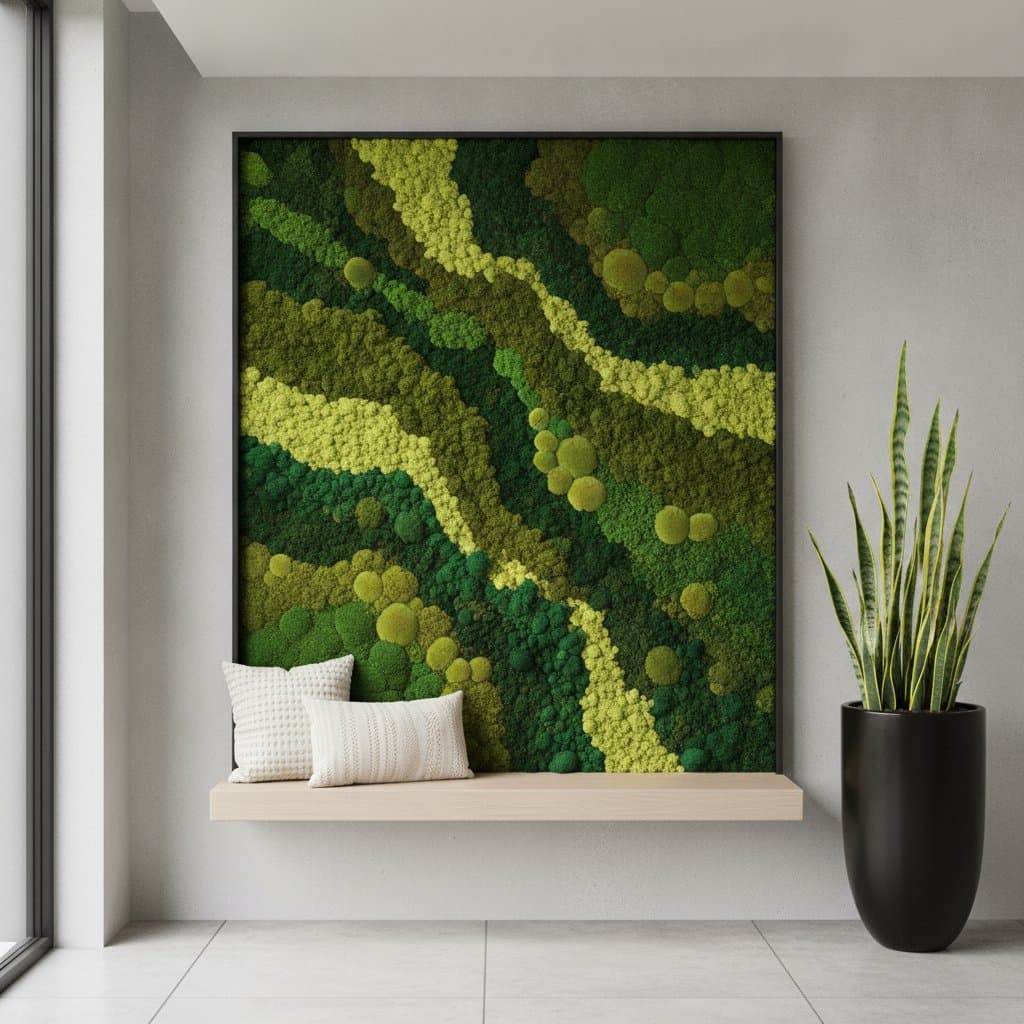
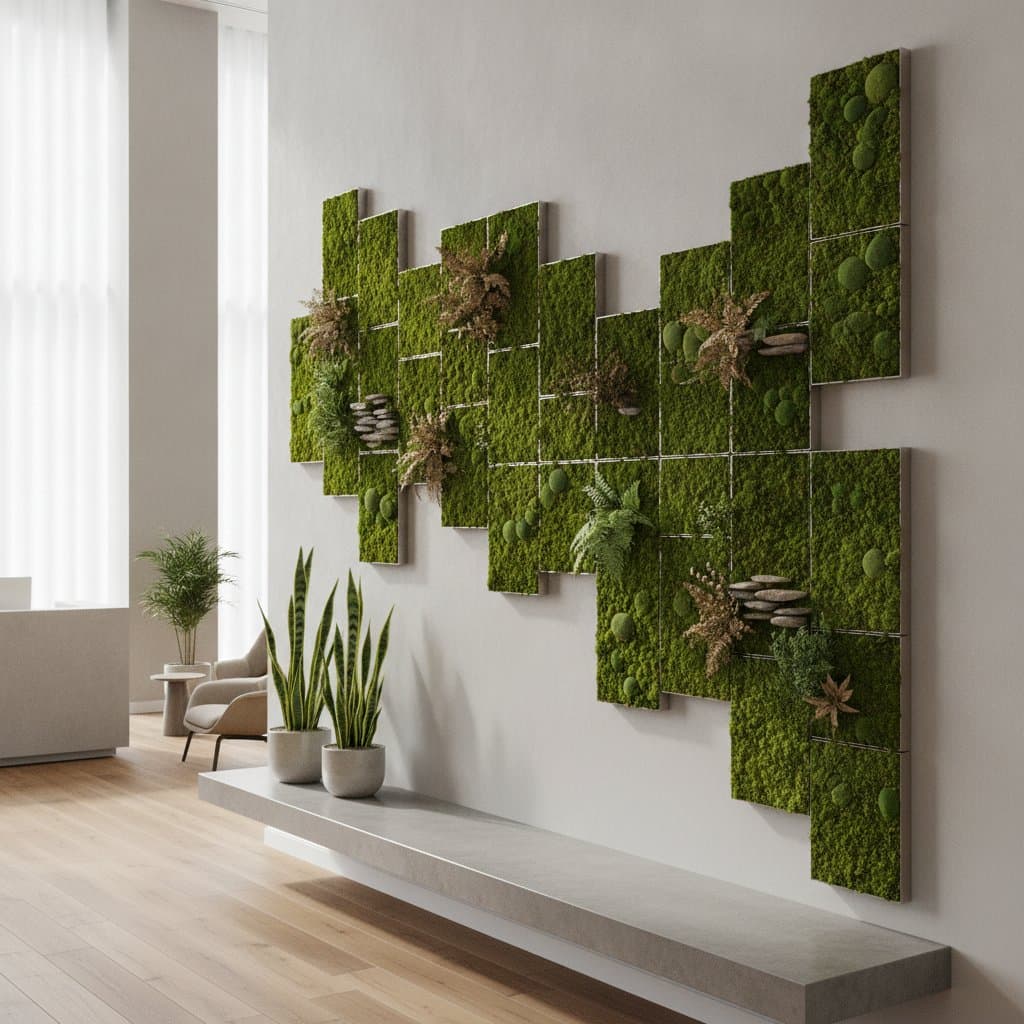
Interior stylist Amelia Rowe observes that "moss installations elevate mundane hallways or neglected corners into dynamic highlights." Homeowners increasingly opt for preserved moss panels, which demand no ongoing care yet mimic the soothing presence of fresh plants. To install one, select a moisture-resistant backing like cork or foam, attach it with adhesive hooks, and layer moss varieties such as sphagnum or reindeer for texture variation. This method suits beginners and delivers immediate impact without complex tools.
Living Facades That Work for Real Life
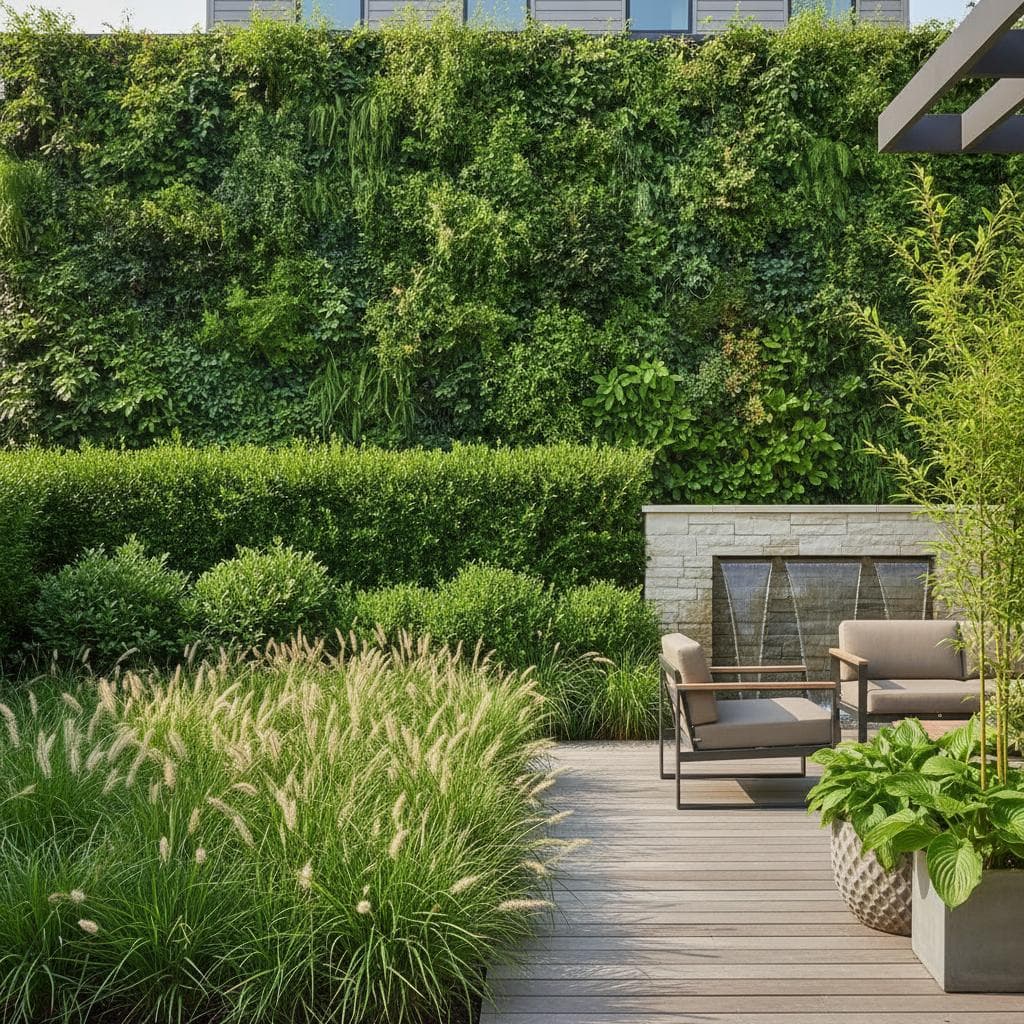
Living facades extend vertical gardening principles to exterior applications, cladding full building faces or modest patio barriers. Their appeal transcends appearance; they function as natural barriers that moderate temperatures. In warmer months, foliage shades surfaces to lower cooling needs, while in cooler seasons, it traps heat to improve energy efficiency.
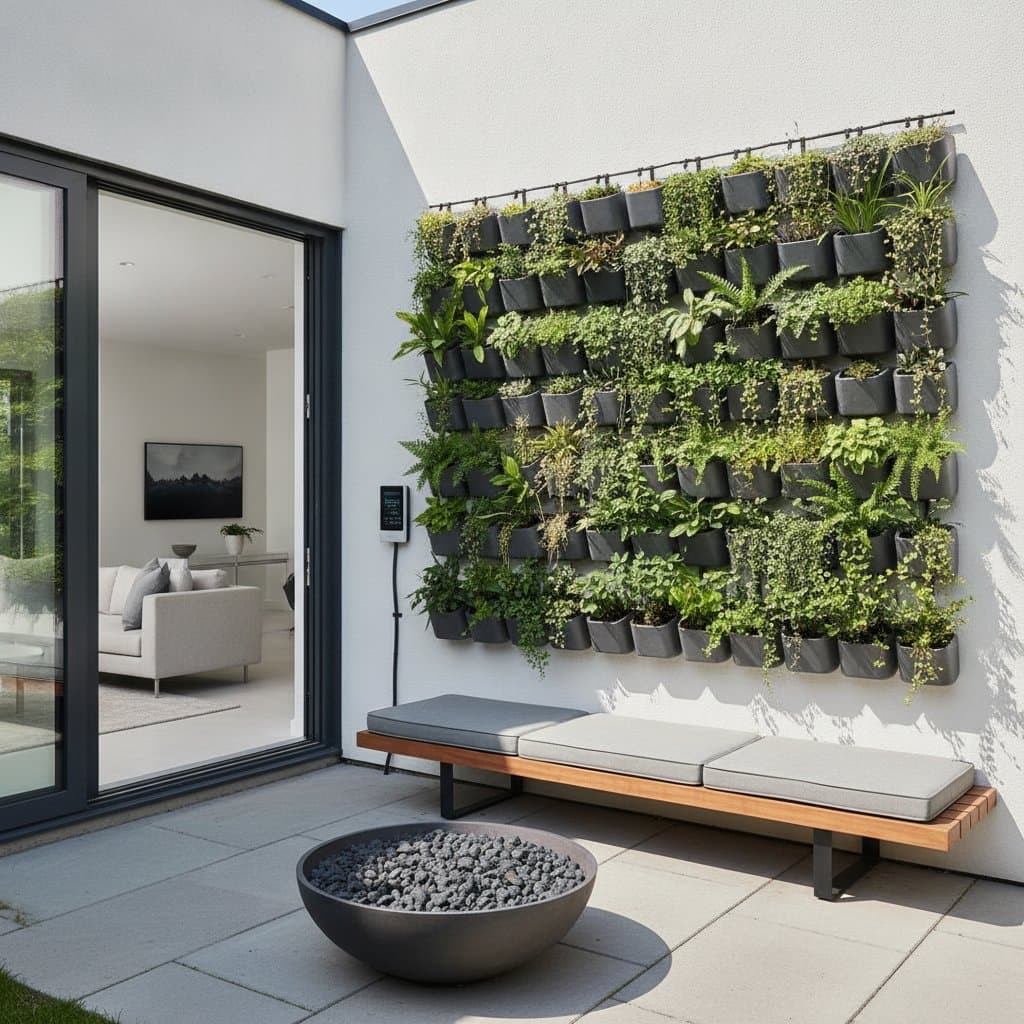
After relocating from a New York apartment to a Cotswolds cottage, a family installed a living facade with trailing ivy, ferns, and culinary herbs. This setup not only delighted children observing bee activity but also supported local wildlife. Renters benefit from modular planters that detach for relocation or seasonal updates, using lightweight frames filled with peat-free compost. Secure these with tension wires or brackets rated for outdoor durability, and incorporate drip irrigation lines for consistent moisture without daily attention.
Bringing the Look Home
Implementing a moss wall or living facade demands no comprehensive overhaul. Begin with a simple framed moss panel in an entryway, measuring 24 by 36 inches for noticeable presence without overwhelming the space. Alternatively, assemble a vertical herb garden on a balcony using stacked pots or pocket organizers, selecting sun-tolerant varieties like basil and thyme.
Layer plants with contrasting textures, such as feathery ferns alongside broad-leafed succulents, to create depth. Employ robust wall brackets or expandable trellises that promote airflow and simplify maintenance. For time-constrained individuals, preserved moss or high-quality artificial alternatives replicate the lush effect with zero upkeep, ideal for high-traffic areas like kitchens.
Integrating Nature for Lasting Benefits
Moss walls and living facades foster a deliberate bond with the natural world, prompting pauses to observe subtle changes in growth and light. They demonstrate that vibrant environments emerge from ingenuity rather than vast areas. Residents of city high-rises or rural dwellings alike discover enhanced well-being through these upward-reaching designs, which purify air, insulate homes, and invite daily moments of renewal.