Building a Strong Foundation: Nourish the Soil
Healthy soil serves as the essential base for a thriving edible landscape. Start by adding organic materials like kitchen scraps, fallen leaves, and grass clippings to the ground. As these items break down, they create nutrient-dense humus that promotes strong root development and vigorous plant growth.
Apply mulch in thick layers to protect and enrich the soil. Spread two to three inches of straw, wood chips, or shredded leaves around the base of plants. This method retains moisture, suppresses weeds, and releases nutrients slowly as the material decomposes over time.
Incorporate companion planting to enhance plant health naturally. Place basil near tomatoes to deter pests such as hornworms. Add marigolds to combat soil nematodes, and position garlic to keep aphids away from delicate greens like lettuce.
Transitioning from Lawn to Edible Landscape
Converting a traditional lawn into an edible garden requires a methodical approach to avoid overwhelm. Begin small to gain confidence and assess what works in your specific environment before expanding.
Evaluate the site thoroughly before planting. Look for spots that receive at least six hours of sunlight each day, suitable for sun-loving edibles like peppers and berries. Conduct a simple soil test to check pH levels and drainage, then choose plants that match those conditions, such as acid-loving blueberries for acidic soil.
Use sheet mulching to smother the grass without digging or herbicides. Lay down overlapping sheets of cardboard to block light, add three to four inches of compost on top, and cover with a layer of mulch. This process decomposes the lawn into rich soil over several months while preventing new weeds.
Introduce structural plants first to establish the framework. Plant dwarf varieties of fruit trees, such as compact apples or figs, and berry bushes like raspberries in key positions. As these establish, add perennials including rosemary, thyme, and strawberries to fill in the understory and create layers.
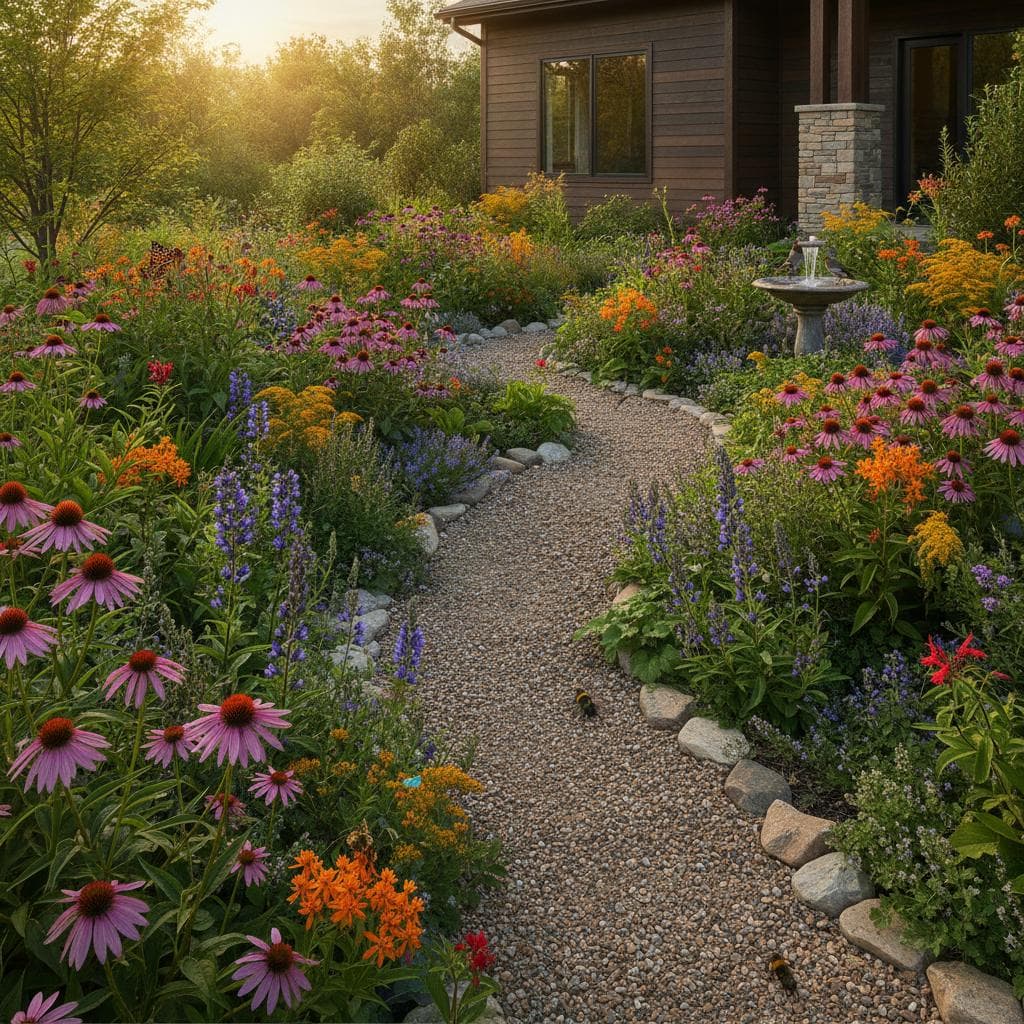
Create clear pathways and borders to maintain accessibility. Line trails with gravel for drainage, flat stones for stability, or reclaimed wood edging for definition. These features direct movement, reduce soil compaction, and give the garden a polished appearance.
Observe and adjust as the garden develops. Keep a journal of sunlight patterns throughout the day, soil moisture after rain, and visits from pollinators. Shift plants to shadier or sunnier areas if needed, and tweak irrigation based on dry spells or heavy rains.
Through these steps, the yard shifts from a water-intensive lawn to a self-sustaining edible space. The upfront work leads to reduced maintenance and abundant harvests in the years ahead.
Fostering Community Through Edible Yards
Edible front yards create opportunities for neighborhood interaction that go beyond personal gain. The colorful array of fruit-laden branches and fragrant herb patches often sparks curiosity from neighbors walking by. These encounters lead to exchanges about growing techniques, seasonal harvests, or simple recipes inspired by what they see.
Involve children in the garden to teach them about food sources firsthand. Let them harvest ripe strawberries or snip fresh basil leaves, connecting them to the cycle of planting and eating. Such activities build appreciation for nature and encourage healthy habits from a young age.
Establish sharing practices to build goodwill. Place a small basket or box near the sidewalk for extras like surplus zucchini or herbs, with a sign inviting neighbors to take what they need. This gesture turns individual efforts into shared resources, strengthening community bonds and promoting local food resilience.
Maintaining Your Edible Ecosystem
Once established, an edible landscape integrates care into everyday routines with minimal disruption. Build a compost system using yard waste and kitchen scraps to recycle nutrients back into the soil. Apply the finished compost as a top dressing around plants every spring to maintain fertility without commercial fertilizers.
Prune trees and shrubs lightly to focus growth on edibles. Remove dead or crossing branches from fruit trees in late winter, directing energy toward developing buds and fruits. For herbs, trim back leggy growth to encourage bushier, more productive plants.
Rotate annual vegetables to preserve soil health and manage pests. Plant legumes like peas or beans in one bed to fix nitrogen, then follow with nutrient-demanding crops such as broccoli or corn the next season. This cycle prevents soil exhaustion and breaks pest life cycles naturally.
Monitor the ecosystem's balance for subtle cues. Notice if bees cluster around lavender more than other flowers, and plant more of those favorites. Watch for berries spreading via runners, and relocate them to prevent overcrowding while expanding the harvest area.
Incorporate harvesting into daily life for fresh, immediate rewards. Gather salad greens in the morning for lunch, or pick cherries for afternoon snacks. This routine sustains the garden's energy while providing consistent nourishment and satisfaction.
Realizing the Rewards of Edible Design
An edible front yard embodies thoughtful care for the environment, personal well-being, and social connections. It reduces dependence on purchased produce by supplying fresh options right outside the door, aligning daily life with sustainable practices. The mix of textures, colors, and scents from edibles and flowers offers year-round visual interest that changes with the weather and seasons.
Savor the direct benefits of your efforts, from the taste of a just-picked peach to the aroma of crushed mint leaves. Share cuttings or recipes with friends, extending the garden's impact. This design harmonizes beauty and utility, delivering lasting enrichment to home and surroundings.
Steps to Launch Your Project
Start your edible landscape with a small, manageable plot to test ideas and build momentum. Choose easy-to-grow options like oregano or blueberries that tolerate various conditions and provide early successes. Gather tools such as a trowel, gloves, and a notebook to track what thrives.
Sketch a basic plan on paper, noting sun exposure and water access. Source plants from local nurseries for varieties suited to your climate, and prepare the soil as outlined earlier. Plant in phases over weeks to spread the work and observe growth.
As the garden takes shape, celebrate small milestones like the first sprout or bloom. Adjust based on real-world results, such as adding shade cloth for heat-sensitive herbs. This iterative process ensures steady progress toward a vibrant, productive front yard that nourishes body and spirit.