Rain Gardens: An Eco-Friendly Solution for Yard Drainage Issues
Water pooling in yards after rainfall often seems inevitable, particularly in areas like Staten Island with dense soil. Persistent puddles not only damage lawns but also contribute to broader environmental concerns such as local flooding and water pollution. Rain gardens offer a practical, sustainable alternative that captures and filters runoff, transforming problematic areas into attractive, functional landscapes.
Identifying Drainage Problems in Your Yard
Observe how water behaves during storms to pinpoint issues. Runoff from roofs, driveways, and impervious surfaces often overwhelms compacted soil, leading to standing water that harms grass, breeds insects, and erodes paths. This excess flow carries contaminants like fertilizers and oils directly into storm drains, exacerbating waterway pollution.
Understanding the Design of a Rain Garden
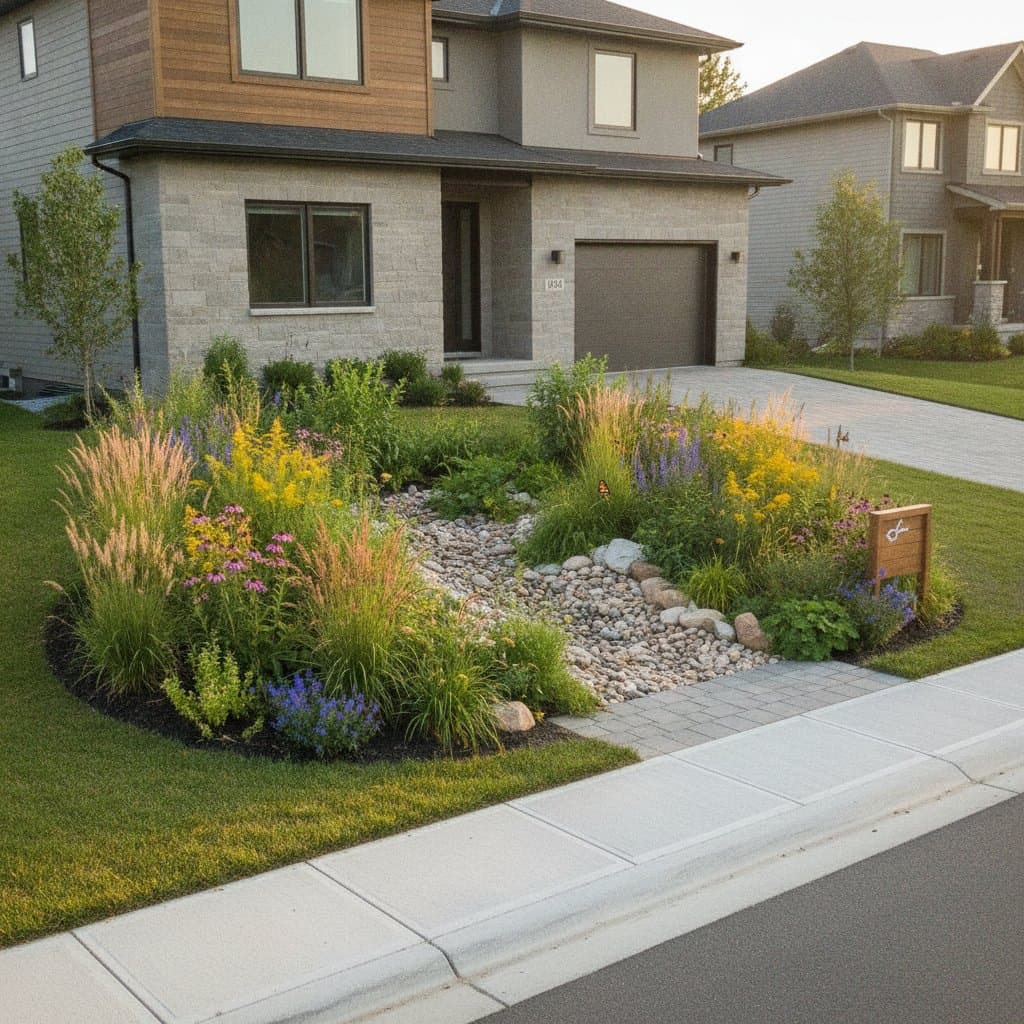
A rain garden functions as a shallow depression engineered to collect and absorb stormwater. Unlike ponds or wetlands, it drains completely within 48 hours, preventing stagnation. Native plants and amended soil layers work in tandem to trap sediments and break down pollutants through natural processes.
Site selection proves crucial for effectiveness. Position the garden at least 10 feet from foundations to avoid structural damage, and ensure it lies downslope from primary water sources such as downspouts. Visiting local demonstration sites or consulting extension services provides valuable insights into adapting designs to regional conditions.
Step-by-Step Planning and Installation
Begin by mapping water flow patterns in your yard. Measure the impervious surface area contributing runoff; the rain garden should cover approximately one-third of that space to handle volume adequately. For a typical driveway and roof setup, this might translate to a 6-by-10-foot oval basin.
Excavation requires careful preparation. Dig to a depth of 6 to 8 inches, creating gentle slopes for even water distribution. Incorporate a 2-inch sand layer at the base to enhance permeability, followed by a mix of native soil and compost for nutrient support. After installation, the first rainfall tests the system's efficiency, with water contained and absorbed rather than spreading uncontrollably.
Selecting Plants for Optimal Performance
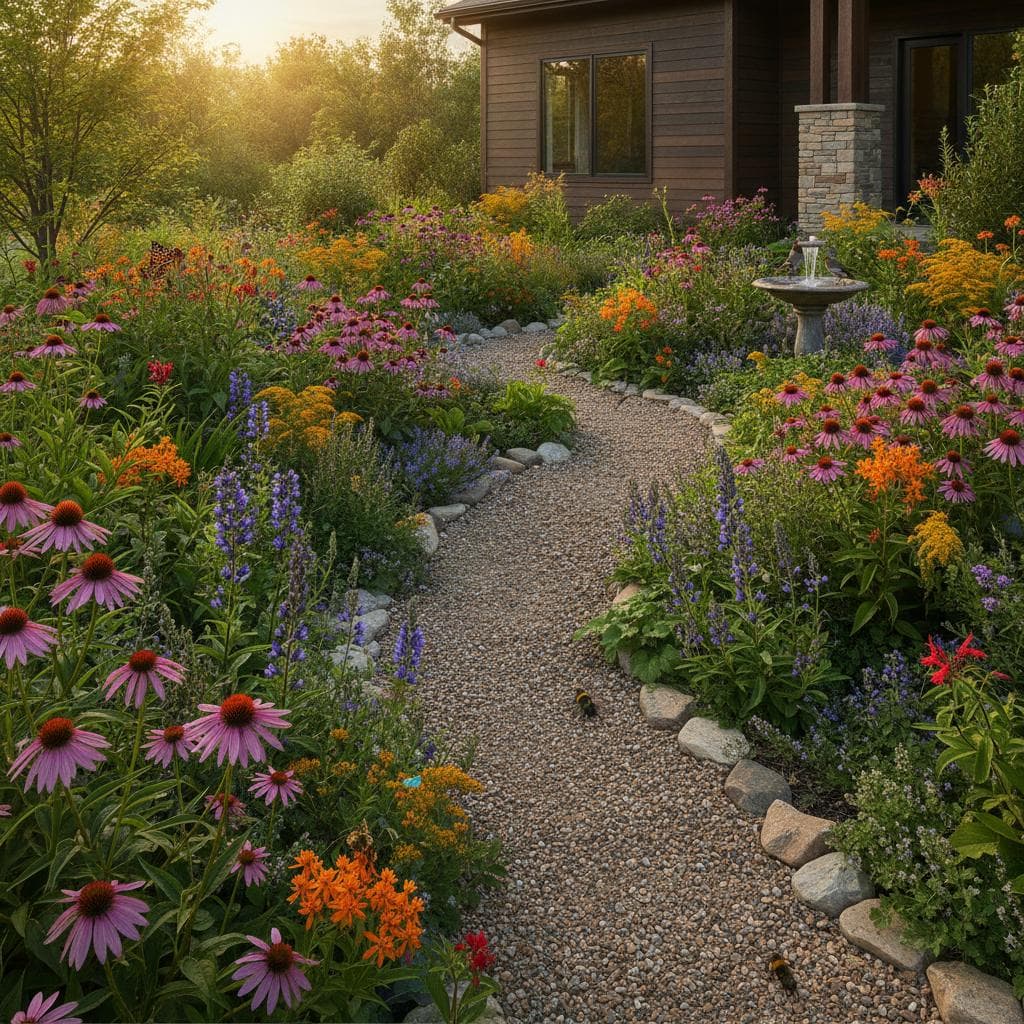
Choose vegetation tolerant of fluctuating moisture levels to ensure resilience. Native species excel due to their adaptation to local climates and ability to attract pollinators. In moderate zones, incorporate blue flag iris for wetland accents, swamp milkweed for butterfly support, and black-eyed Susans for vibrant color.
Structure the planting in tiers: taller perennials like switchgrass in the center to manage deeper water, with lower-growing coneflowers and sedges along edges for stability. In wetter regions, prioritize ferns and rushes; in arid areas, select deep-rooted, drought-resistant natives. This layered approach fosters a natural appearance while maximizing filtration.
Maintenance Strategies for Long-Term Success
Initial care focuses on establishment. Weed weekly during the first growing season to allow desired plants to dominate. Mulch applications suppress future weeds and stabilize soil against erosion.
Established gardens demand minimal intervention. Prune dead foliage in spring, and monitor for sediment buildup after major storms, redirecting flow if necessary. Native roots naturally aerate soil over time, enhancing infiltration capacity. In colder climates, plants enter dormancy but rebound vigorously, often requiring division after two years to prevent overcrowding.
Environmental and Community Benefits
Beyond aesthetics, rain gardens yield significant ecological advantages. They filter up to 90 percent of common pollutants from runoff, safeguarding local waterways. Groundwater recharge mitigates drought effects, while diverse plantings create habitats for birds, bees, and butterflies.
On a larger scale, widespread adoption reduces municipal stormwater burdens. Neighborhoods with multiple installations experience less flooding and cleaner streams. These gardens thus empower individuals to contribute meaningfully to watershed health.
Adapting to Site-Specific Challenges
Every yard presents unique conditions, as experienced in Staten Island's clay-heavy soils. Initial designs may require adjustments, such as refining slopes to prevent overflow or spacing plants to accommodate growth. Iterative tweaks ensure optimal function without demanding perfection from the outset.
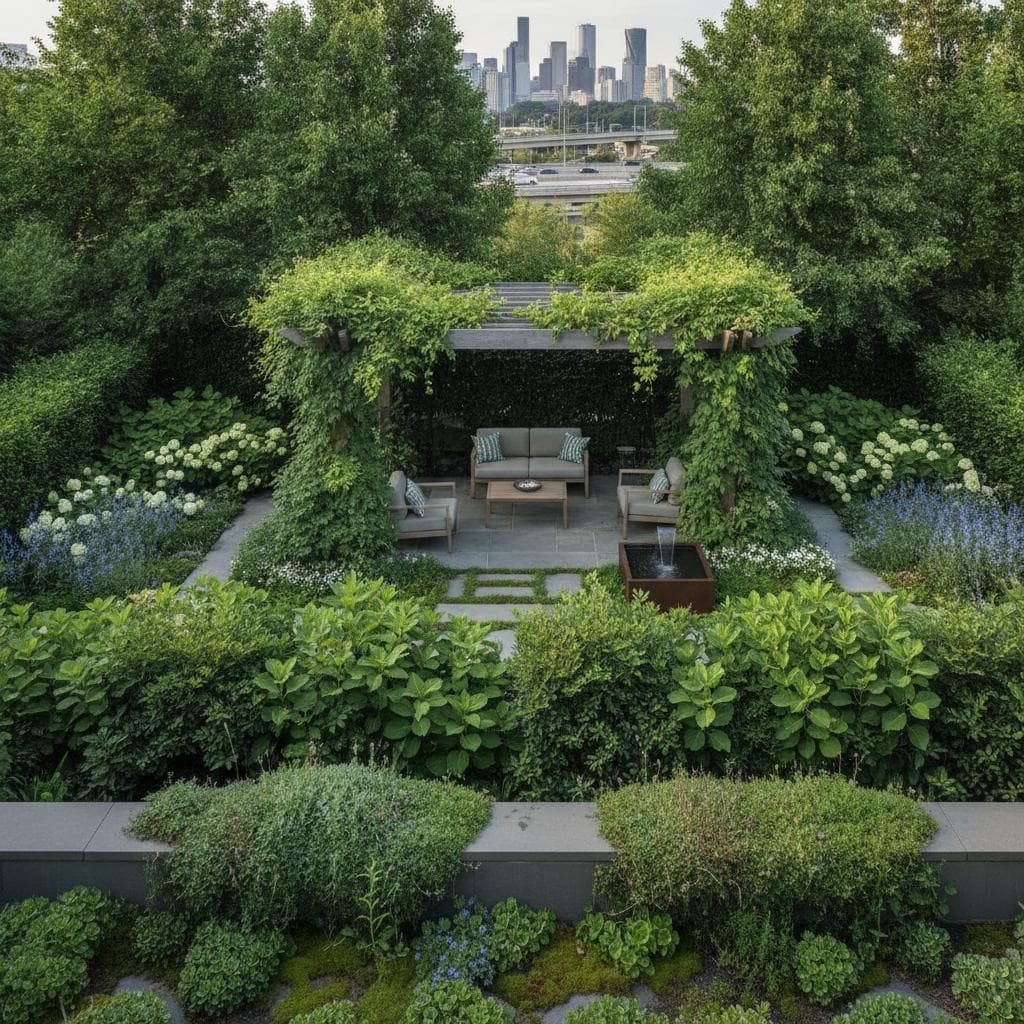
Scale the project to fit available space and skill level. Urban lots suit compact versions near patios, while larger properties allow expansive features. This flexibility makes rain gardens accessible for various homeowners seeking practical improvements.
Cost-Effective Implementation Options
Budget considerations vary with scope. Native plants form the primary expense, yet sourcing divisions from established gardens or nurseries minimizes costs. Soil amendments like compost and sand remain affordable, often under $100 for small projects.
DIY efforts handle most tasks, though professional excavation proves worthwhile for rocky terrain. Long-term savings arise from averted repairs to eroded areas and enhanced property value through improved landscapes. The result justifies investment: a resilient yard that aligns with sustainable living principles.
Implementing Your Rain Garden Project
Assess your yard's water patterns to identify the ideal location. Research region-specific natives through local resources, then proceed with measured excavation and planting. As the garden matures, observe its performance during rains, making refinements as needed.
The transformation extends beyond utility; it cultivates a sense of connection to the environment. Post-storm views reveal balanced water cycles and thriving ecosystems, affirming the value of proactive landscape management.