Edible Yards: Swap Lawns for Food Forests
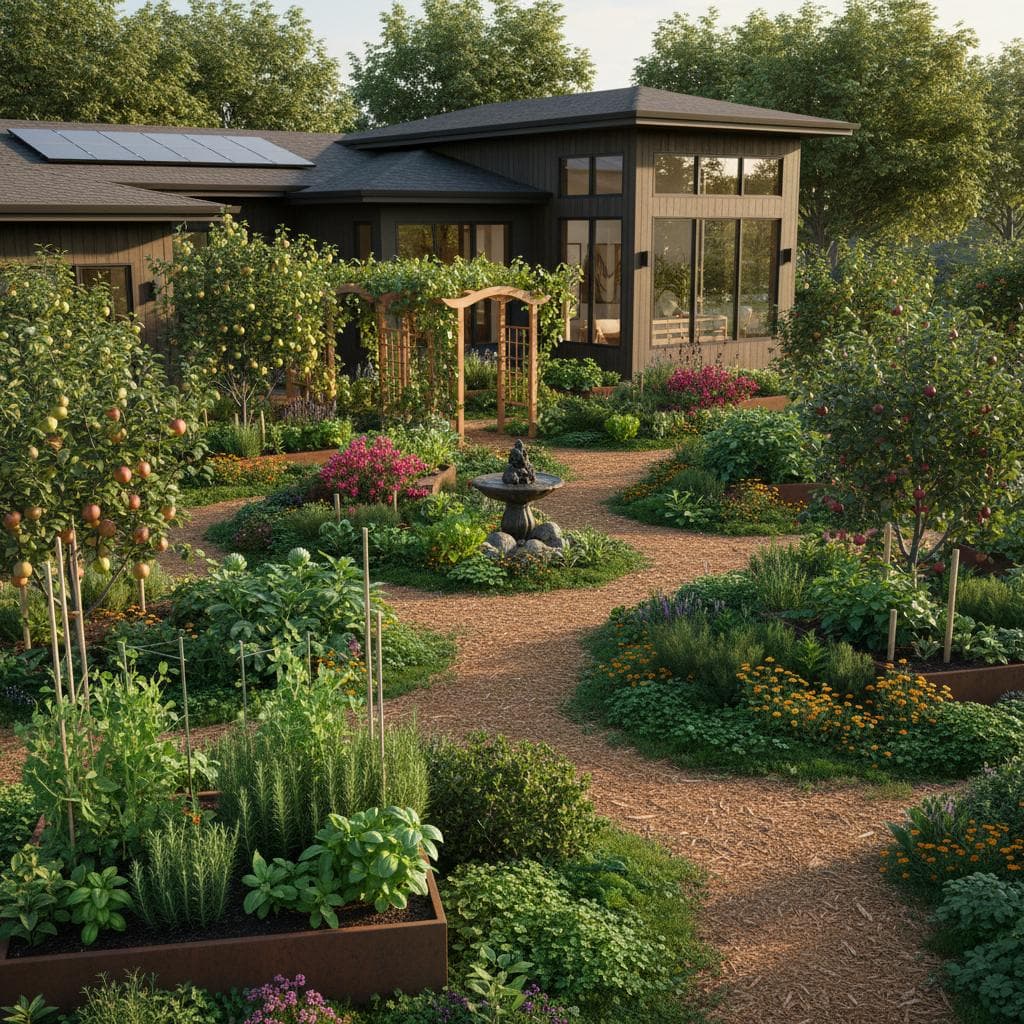
Picture sunlight filtering through a front yard where blueberry bushes stand in place of formal hedges, raspberry canes line a garden path, and a fig tree offers shade over beds of mint and thyme. Bees buzz among the blooms while the air carries scents of basil and wild strawberries rather than exhaust from a mower. This scene represents the edible yard revolution, where standard lawns evolve into productive food forests.
Homeowners and renters now recognize that front yards serve dual purposes: aesthetic appeal and food production. A well-planned edible landscape supports household nutrition, attracts pollinators, and improves soil quality. Through intentional design rooted in ecology, such spaces deliver ongoing harvests with reduced effort.
Rethinking the Modern Lawn
Designing a Food Forest for Your Front Yard
Food forests replicate woodland stratification, integrating trees, shrubs, vines, herbs, and ground covers in mutual support. This approach fosters productivity without the rigidity of row planting. Plants form an interconnected system where companions aid growth and deter issues.
Build layers progressively for stability:
- Canopy Layer: Select fruit or nut trees like apples, peaches, or hazelnuts to anchor the design and provide overhead cover.
- Understory Layer: Position dwarf varieties such as cherries or elderberries to utilize filtered light below taller trees.
- Shrub Layer: Incorporate blueberries, currants, and gooseberries to occupy mid-height zones and yield berries seasonally.
- Herbaceous Layer: Introduce perennials including comfrey, oregano, and kale for texture, color, and culinary use.
- Groundcover Layer: Use strawberries, clover, or creeping thyme to shield soil, retain moisture, and limit weed growth.
- Root Layer: Plant garlic, onions, or sweet potatoes to harvest from underground while aerating the earth.
- Vertical Layer: Train grapes or kiwi on trellises or existing structures to maximize vertical space.
These elements interact to build resilience, minimizing external needs as the system matures.
Choosing the Right Plants
Select plants based on personal preferences and local conditions. Prioritize natives that align with your climate, as they require less maintenance and bolster local wildlife. In warm areas, figs, pomegranates, and artichokes establish quickly; cooler zones favor apples, currants, and rhubarb for consistent yields.
Balance perennials for enduring framework with annuals for prompt results. Sage, thyme, and rosemary offer year-round utility, while tomatoes and peppers occupy gaps in shrubbery for summer abundance. Group varieties by sunlight needs: full-sun spots for peppers, partial shade for mint.
For ornamental value, vary textures and hues. Pair purple basil with the fuzzy leaves of lamb's ear, or position squash beneath cherries for contrasting forms. This combination ensures the yard remains visually engaging throughout seasons.
Natural Care and Maintenance
Sustain an edible yard through ecological methods rather than synthetic aids. Begin with soil testing to identify nutrient levels, then amend with compost to promote beneficial microbes. Apply mulch from fallen leaves or clippings to conserve water and suppress competitors.
Invite allies like ladybugs by sowing calendula and nasturtium, which lure pollinators and repel aphids. Address minor infestations with a diluted soapy water rinse applied in the evening. Deep, infrequent watering via drip lines strengthens roots and cuts evaporation.
Monitor progress seasonally: prune shrubs in late winter, divide perennials in spring. As layers establish, the forest demands less intervention, with improved soil structure handling droughts and floods.
Bringing Beauty to the Neighborhood
Concerns about a 'wild' appearance fade with structured planning. Define beds using reclaimed bricks or timber for clean lines, and lay mulch paths to guide foot traffic. Repeat plant motifs, such as clusters of lavender, to unify the layout.
Such yards spark interactions: passersby inquire about raspberry yields or sunflower heights. Distribute surplus greens or fruits to foster goodwill and encourage similar projects nearby. Over time, collective efforts enhance community green spaces.
Creative Additions for Function and Fun
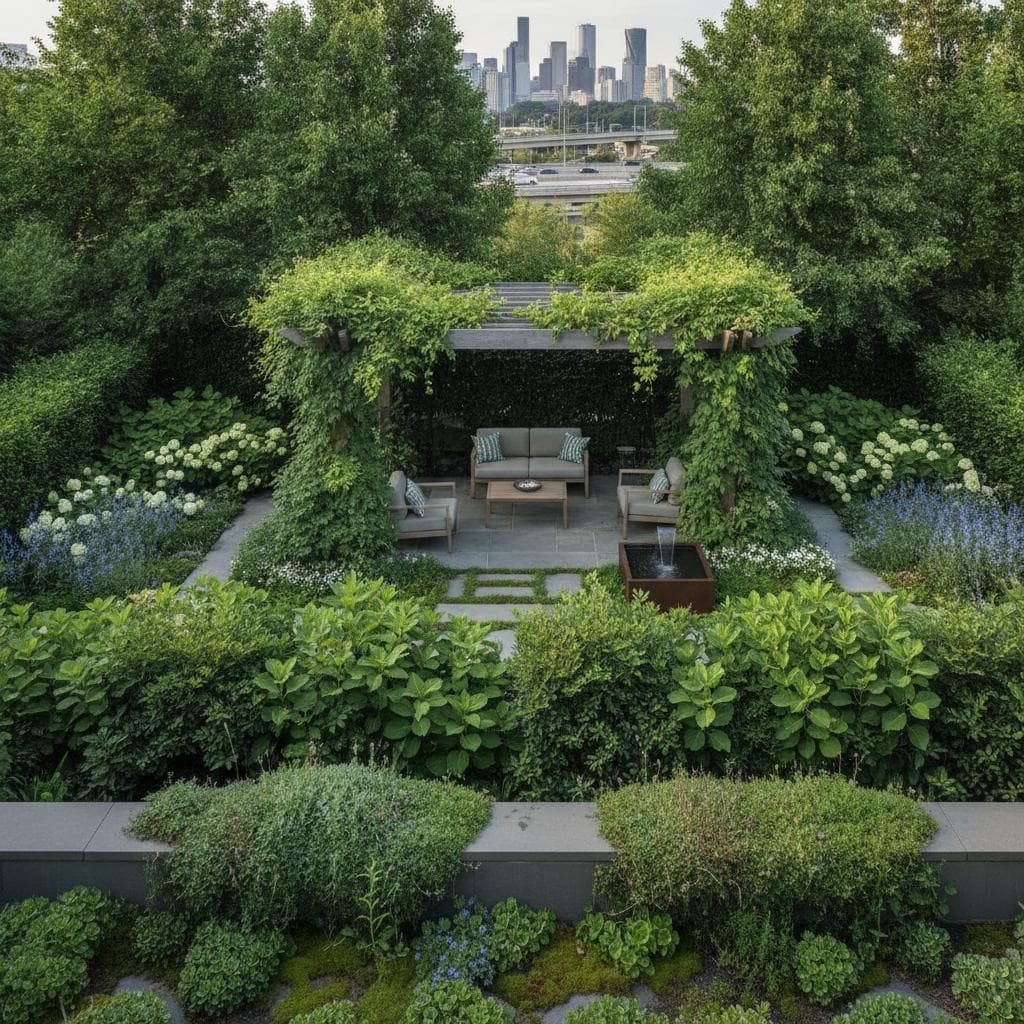
Extend utility beyond harvest by incorporating leisure elements. Surround a bench with lemon balm and chamomile for a relaxing herb nook, or add a shallow basin for birds that also aids bees. Grape-laden arbors form shaded retreats ideal for reading.
In compact areas, mount wall pockets for herbs along fences or cluster pots of chilies and basil on entryways. These setups transform utilitarian zones into vibrant, multi-sensory extensions of the food forest.
Pro Tips for Success
- Begin modestly by converting one 10-foot-square area to test soil and sun patterns.
- Establish woody plants first, allowing two years for rooting before denser underplanting.
- Track daily light exposure with a journal to match plants accurately.
- Invest in perennials early to minimize annual labor and accumulate organic matter.
- Exchange produce with neighbors to build support networks and gain diverse seeds.
Sustaining the Harvest Cycle
As your food forest matures, it reveals seasonal patterns: early strawberries yield to mid-summer tomatoes, followed by autumn apples. Adjust based on observations, such as thinning aggressive mint or supporting heavy grape loads. This ongoing dialogue with the landscape deepens appreciation for natural processes.
The yard evolves into a dynamic resource, blending nourishment, education, and respite. Harvesting replaces routine chores, while stewardship supplants control. In this setup, every element underscores harmony between human needs and environmental health.