Zen Meets Scandi: Japandi Spring Garden Trends
When serenity meets simplicity, beauty blooms effortlessly. The Japandi garden trend continues to expand, providing a soothing fusion of Japanese minimalism and Scandinavian functionality. This design approach adapts seamlessly to outdoor settings, where structured calm encounters organic textures. For those seeking a balanced, timeless, and restorative garden, spring presents an ideal opportunity to incorporate Japandi elements into your landscape.
The Calm Appeal of Japandi Gardens
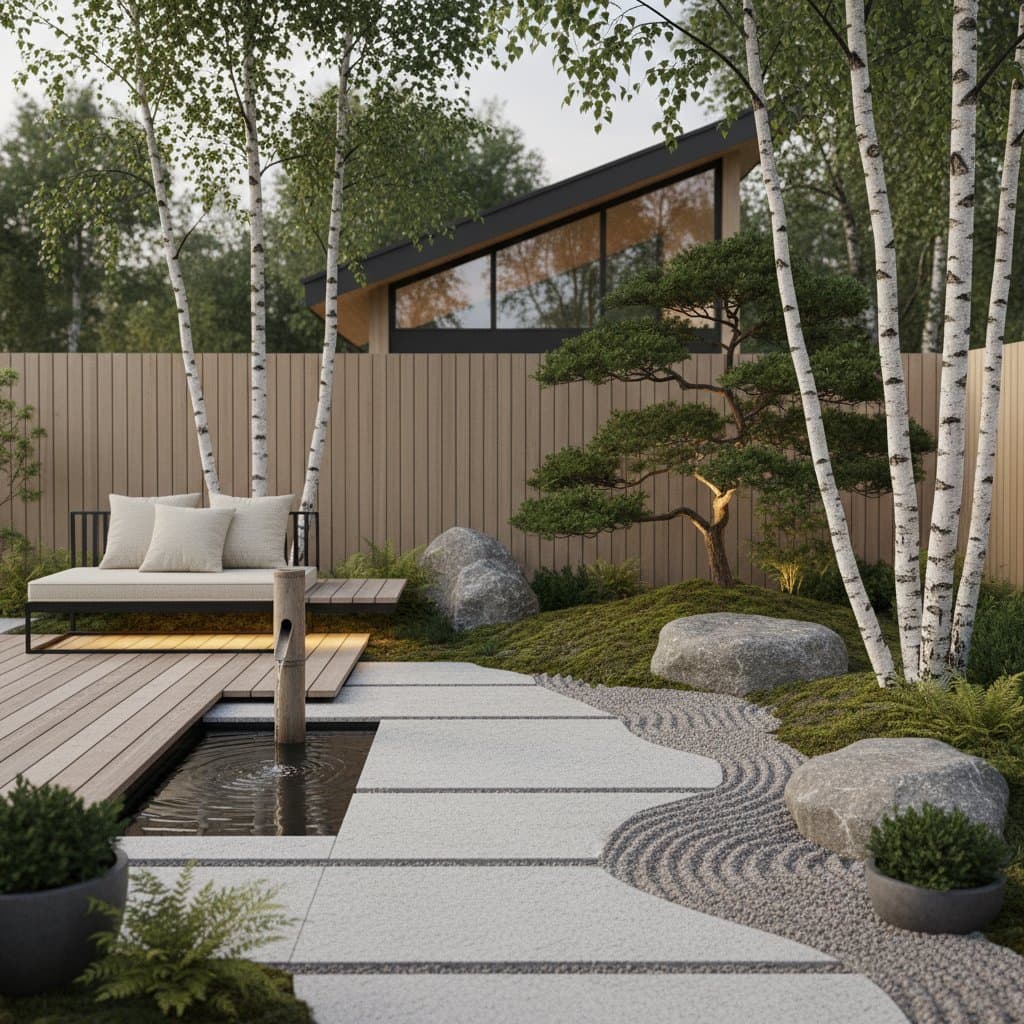
A Japandi garden extends beyond mere aesthetics. It embodies a philosophy that prioritizes quiet elegance, deliberate choices, and natural progression. Scandinavian gardens emphasize light, texture, and utility, whereas Japanese gardens stress harmony, transience, and rhythmic peace. Their convergence produces a space that feels anchored yet vibrant.
Start with Natural Foundations
Establish the garden's base before introducing ornaments. Japandi principles begin with the terrain itself, considering soil quality, bed contours, and daily light patterns. The objective lies in accentuating nature's subtle features rather than dominating them.
Tips for setting the foundation:
- Design pathways with gentle curves to promote organic flow, avoiding straight or angular lines.
- Select materials such as gravel, reclaimed wood, or fieldstone for edging and paths to blend with the environment.
- Opt for earthy, subdued colors in hardscape elements, steering clear of vibrant or glossy surfaces.
- Prioritize subtraction over addition by clearing distractions that obscure plant forms and surface textures.
Scandinavian designer Lina Berg of NordHome Garden Design notes, "A Japandi garden does not demand notice. It conveys tranquility through layered textures and harmonious shades." This understated quality originates in the foundational materials and the pathways that shape navigation.
Minimalist Planting with Maximum Impact
Overcrowding represents a frequent pitfall in garden planning. Japandi planting promotes discipline, granting each specimen space and intent. The color scheme favors greens, pale whites, and softened earth tones, accented sparingly with muted pinks or rusts.
Plant combinations that work beautifully:
- Pair Japanese maple with ornamental grasses to introduce dynamic form and subtle motion.
- Combine hostas and ferns in shaded areas for lush yet controlled depth.
- Incorporate lavender and sage to provide fragrance and attract pollinators.
- Position moss or low groundcovers amid stepping stones to temper hard lines.
Texture diversity drives the design, surpassing color variety. Designer Thomas Yuki of GardenScale recommends, "Blend velvety foliage with polished stones or textured bark. Such juxtapositions generate understated interest without disorder."
In compact gardens, employ vertical elements like slim trees or bamboo partitions to elevate focus, while maintaining sparse ground-level growth. This technique fosters perceived expansiveness and tranquility, particularly in city environments.
Water and Stone: The Heart of Japandi Calm
Water and stone evoke profound peace in both traditions. They symbolize resilience, repose, and endurance. Compact areas like courtyards or balconies accommodate modest water installations that deliver gentle audio and visual reflection.
Ideas for integrating water and stone:
- Install a low stone basin featuring a gradual drip to produce soothing murmurs.
- Arrange rounded river rocks in fluid patterns to direct circulation.
- Construct a modest pond bordered by moss-covered boulders and understated vegetation.
- Place a compact water vessel on surfaces suitable for elevated patios.
Select rocks with irregular contours and faint tonal variations. Shun polished or embellished options. The aim involves replicating natural processes rather than ornamentation. Coupled with diffused illumination, these features form contemplative zones that evolve gracefully across seasons.
Furniture That Feels Grounded
Japandi garden furnishings integrate as landscape extensions, not isolated accents. Favor low profiles, unadorned forms, natural substances, and restrained finishes. Functionality pairs with moderation to encourage unhurried use.
Look for:
- Benches crafted from timber with streamlined outlines.
- Chairs woven from rattan or bamboo, paired with linen padding.
- Side tables in concrete or terracotta, rendered in pale neutrals.
- Basic lanterns as alternatives to elaborate luminaires.
Allocate resources to a focal item, such as a robust timber seat or artisanal ceramic container. Such pieces stabilize the composition and promote leisurely pauses. In limited areas, portable timber stools or cushioned mats offer adaptability minus excess visibility.
Designer Sofia Lindgren of House & Haven states, "Superior Japandi furnishings appear inherent to the site. They complement rather than contend with the surroundings."
Lighting That Enhances, Not Overpowers
Garden illumination in Japandi style directs ambiance and navigation without dominating. View it as subtle emphasis rather than dramatic display. Soft, warm glows foster closeness and extend usability into evenings, free from stark contrasts.
Lighting principles to follow:
- Deploy solar-powered lanterns or concealed path illuminators to delineate routes gently.
- Maintain modest intensity with warm-toned bulbs.
- Site fixtures adjacent to tactile surfaces like timber or rock to amplify inherent shadows.
- Eliminate ceiling-mounted options that diminish atmospheric nuance.
Strategic placement outperforms widespread brightness. The intent preserves dusk's allure while ensuring practicality and appeal.
Sustainable Choices that Reflect Japandi Values
Japanese and Scandinavian traditions honor durable craftsmanship and environmental stewardship. Sustainability integrates as a core tenet, not an add-on. In Japandi gardens, select enduring materials and nurturing routines.
Ways to keep your garden eco-conscious:
- Repurpose salvaged bricks, lumber, or rocks in fresh applications.
- Plant species indigenous to your region for effortless adaptation.
- Transform clippings into compost to enrich the earth.
- Gather precipitation for watering needs.
- Replace synthetics with organic alternatives like woven containers or earthenware.
These measures minimize environmental impact and enhance genuineness. Thoughtful construction yields greater serenity through authentic regard for the ecosystem.
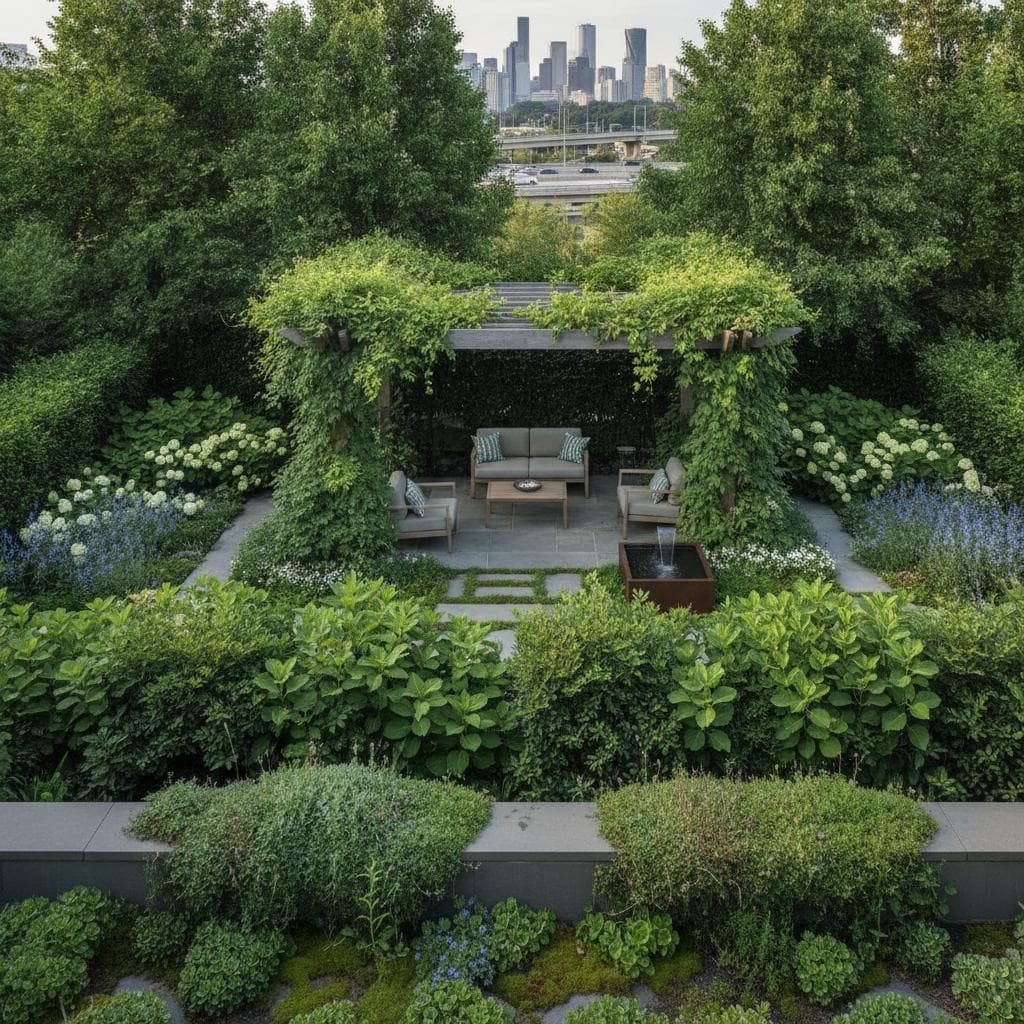
Bringing Japandi Style to Small Spaces
Expansive grounds prove unnecessary for Japandi expression. The style excels in confined or interior-adjacent zones. Balconies, terraces, or ledges capture minimalist poise through precise selections.
For compact outdoor spaces:
- Install wall-mounted planters or staggered racks for foliage display.
- Feature a singular striking specimen in an elegant vessel over multiple diminutive ones.
- Maintain uniform hues in containers and seating.
- Introduce pliable fabrics such as linen drapes or fabric pads for ease.
A concise arrangement suffices to evoke Japandi essence. One boulder, a taper candle, and a dwarf tree can elevate an overlooked nook to a haven of repose.
Seasonal Simplicity and Maintenance
Japandi gardens appear unforced, yet demand attentive upkeep for their poised allure. Spring suits renewal of earth, light trimming, and decluttering. Refrain from excessive feeding or cutting; permit organic development.
Maintenance habits that keep the calm:
- Sweep foliage sparingly to retain natural patina.
- Clip solely elements impeding equilibrium or illumination.
- Renew stone surfaces and verify runoff post-storms.
- Update fabrics and pads with weather shifts.
Designer Hiro Akiyama of Calm Studio captures it: "Peaceful gardens thrive on cadence. Align with nature's pace, not oppose it."
Regularity sustains the effect. Brief, intentional sessions weekly preserve serenity devoid of burden.
Living with Your Design
Engage directly with a Japandi garden. Savor coffee upon the timber perch at dawn. Absorb water's cadence at dusk. Observe sunlight piercing bamboo or swaying reeds. Gradually, the area aligns with personal cadences.
As weather changes, implement minor tweaks. Exchange coverings, reposition vessels, or adjust seating to track solar paths. This fluid adaptation maintains vitality and individuality.
Harmony supersedes flawlessness. Scattered foliage or verdant patinas contribute to the narrative. They underscore beauty in ordered natural variance.
Making It Happen
Commence modestly. Target one zone for enhancement instead of wholesale overhaul. Introduce organic surfaces, streamline shades, and add motion via cascades or upright stems. Progressive refinements approximate Japandi's composed essence.
A equilibrated garden transcends scenery. It integrates into routines, replenishing clarity and delight. Regardless of scale, from vast plots to sunlit ledges, Japandi underscores that tranquility derives from purpose, stewardship, and the elegance of restraint.
When Zen meets Scandi, gardens gain enduring vitality. This spring, permit your domain to respire, refine vistas, and welcome composure to flourish nearby.