Why Gravel Gardens Lead 2025 Trends in Low-Maintenance Landscaping
Homeowners often examine their lawns and recognize the need for a simpler solution. The constant cycle of mowing, watering, and repairing damaged areas after dry periods discourages even dedicated gardeners. Gravel gardens address these challenges effectively, emerging as a prominent alternative for those seeking aesthetic appeal with reduced effort.
A thoughtfully planned gravel garden not only diminishes upkeep but also introduces texture, form, and tranquility absent in many traditional lawns. This section examines the factors driving their popularity and provides guidance for implementation in personal outdoor spaces.
Achieving Lower Water Consumption and Greater Durability
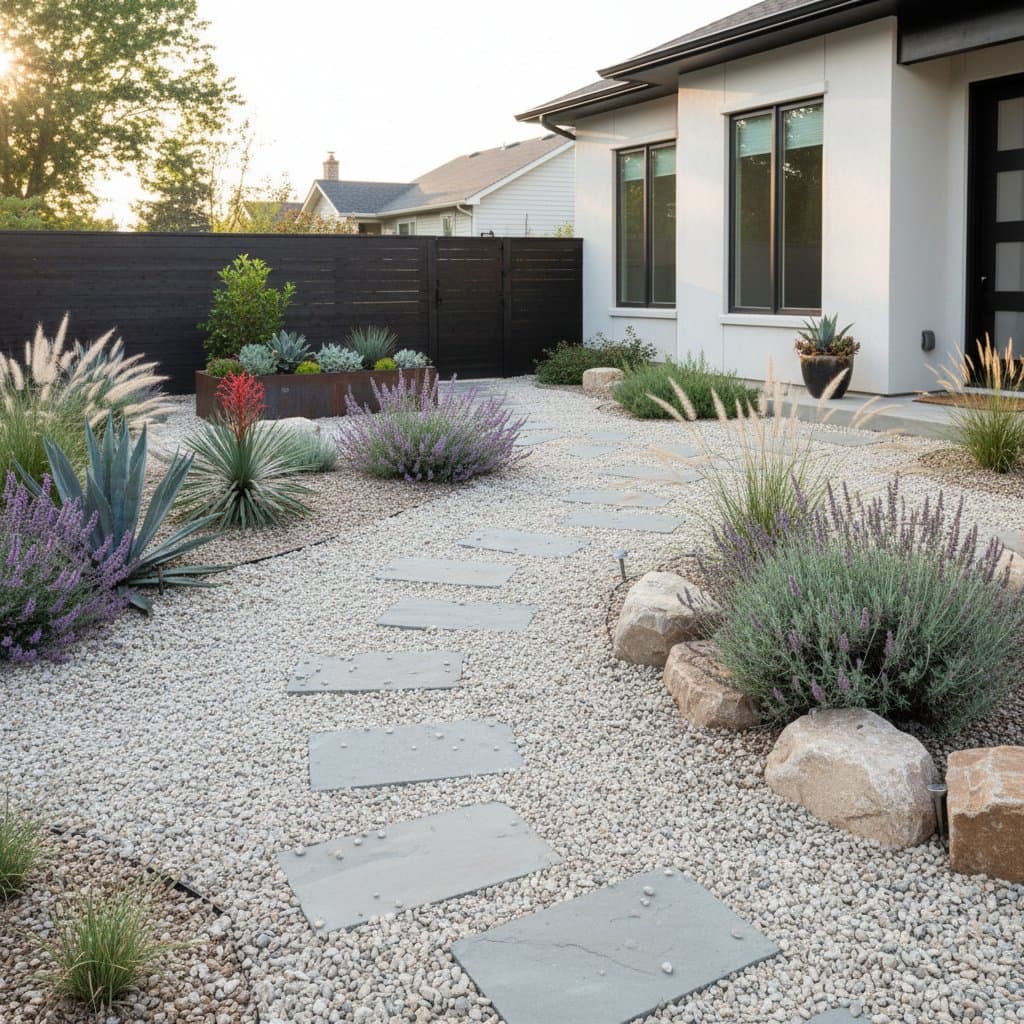
Water efficiency stands as a primary advantage. Traditional lawns demand substantial irrigation, whereas gravel gardens incorporate plants adapted to arid environments. Examples include lavender, sedum, thyme, and ornamental grasses, which flourish in nutrient-poor soil with infrequent watering.
Maintaining Beauty with Reduced Effort
The appeal of gravel gardens lies in their straightforward care requirements, a key driver of their adoption. After establishment, these gardens demand far less attention than lawns. Weekly mowing becomes unnecessary, as does adherence to fertilization routines or concerns over rain-induced mud.
Initial weeding proves essential during the first growing season as plants establish, yet a thick gravel layer effectively inhibits most weeds. As plants mature and spread, they form a natural cover that sustains low maintenance levels.
The following outlines typical ongoing tasks:
- Watering: Limited to prolonged droughts
- Weeding: Periodic inspections as needed
- Pruning: Annual or biannual trimming of perennials
- Gravel replenishment: Infrequent additions every several years to maintain appearance
These responsibilities suit individuals with demanding schedules who desire vibrant, purposeful outdoor areas.
Versatile Designs to Match Diverse Aesthetics
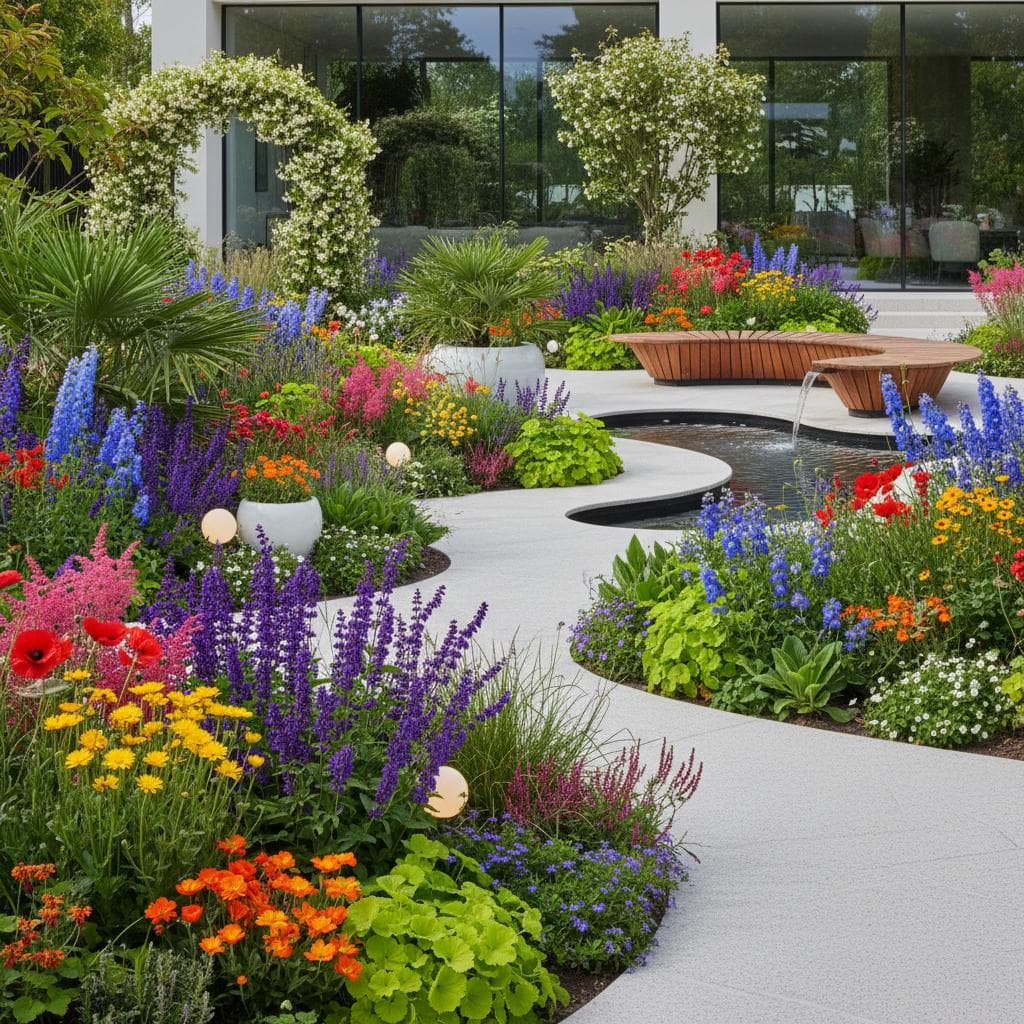
Many assume gravel gardens appear barren or strictly modern, yet their adaptability proves otherwise. Success depends on strategic plant and material combinations.
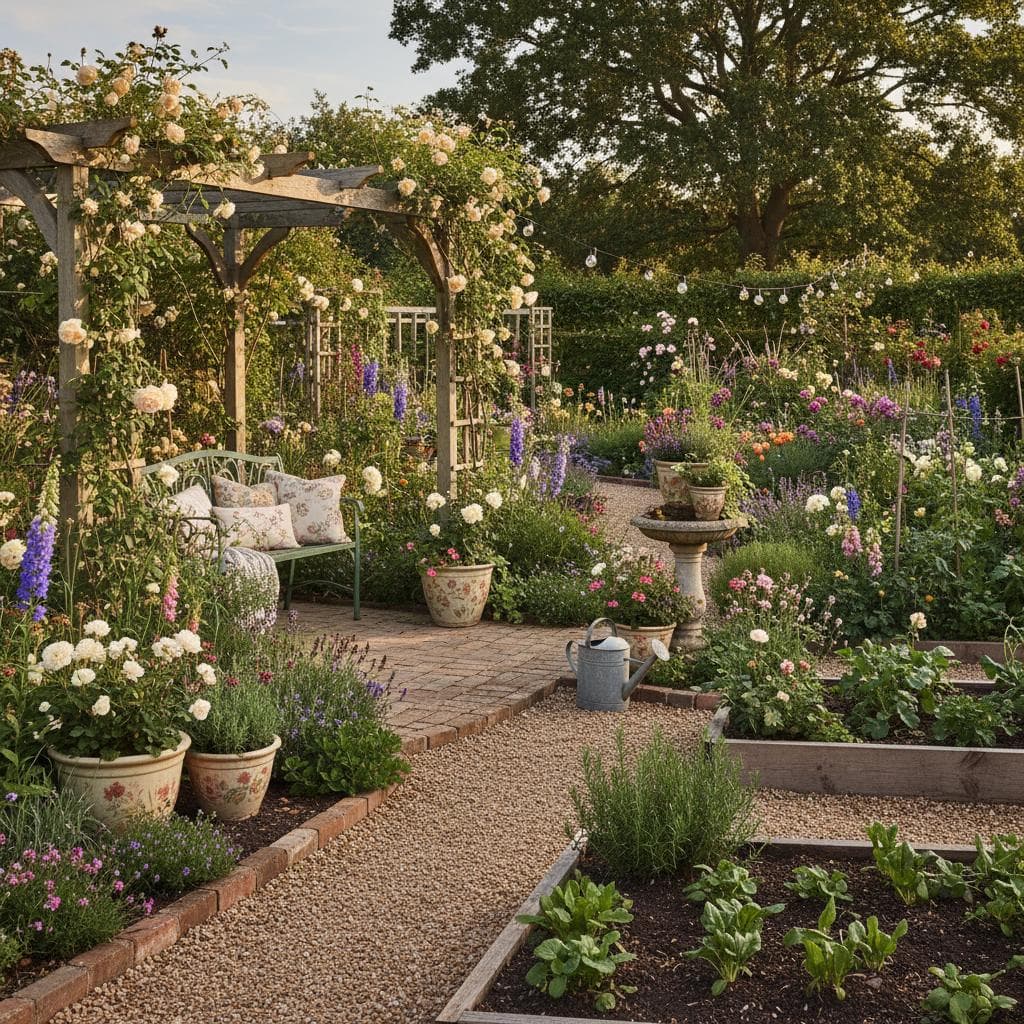
For a Mediterranean aesthetic, select crushed limestone or light pea gravel paired with rosemary, sage, and agapanthus. A contemporary style benefits from dark graphite gravel alongside striking forms like yucca or allium. To evoke a cottage garden, blend warm gravel tones with delicate flowers such as catmint, salvia, and pink yarrow.
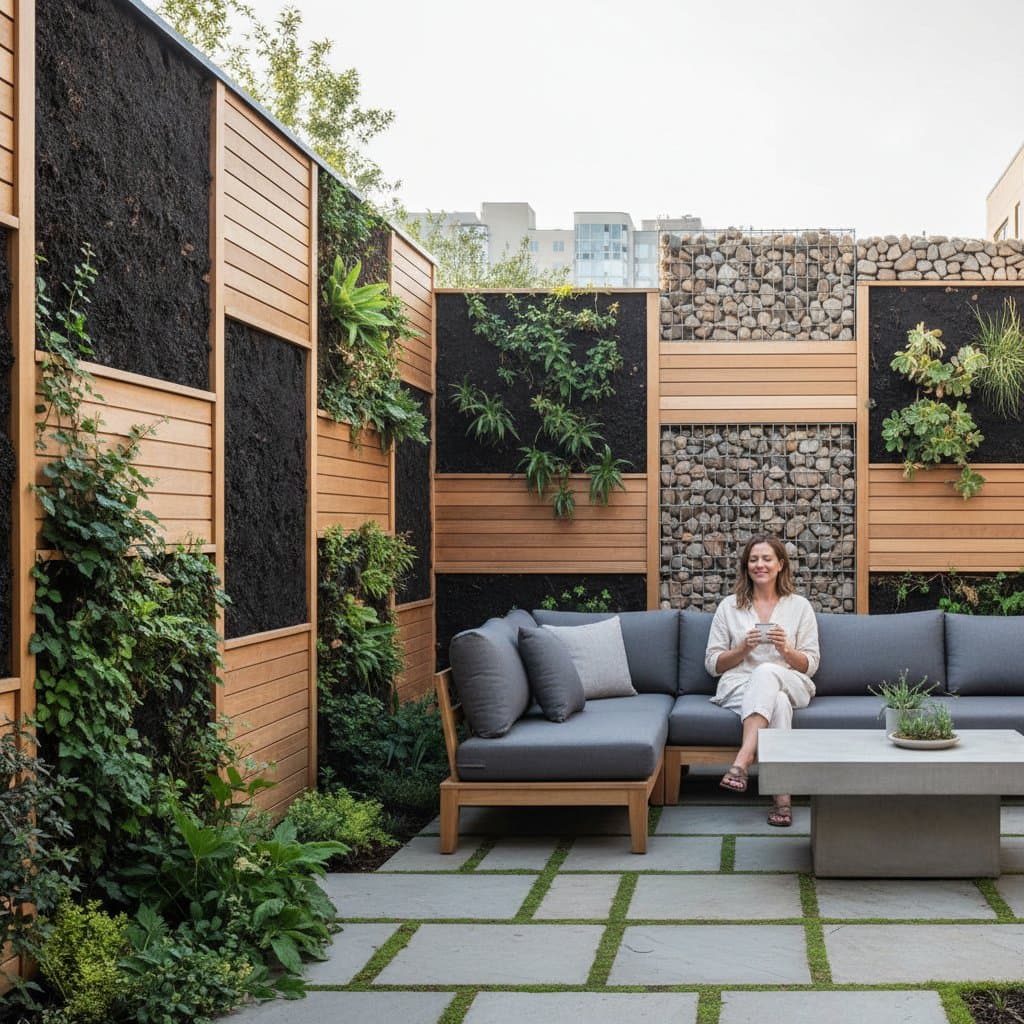
Gravel serves as a versatile foundation that accentuates plant hues and forms. Simple additions like terracotta pots or a timeworn bench enhance the composed, peaceful quality of the space.
Cost-Effective and Environmentally Sound Choices
Gravel gardens accommodate various budgets with scalable implementation. Professional installation offers comprehensive results, while gradual DIY efforts allow progressive development. Gravel costs less than sod or extensive hardscaping and endures without frequent major investments.
Environmentally, these gardens promote conservation by minimizing water usage, avoiding chemical fertilizers, and improving drainage in runoff-prone locations. Selecting appropriate plants draws pollinators and beneficial insects, fostering a balanced microhabitat superior to monoculture grass.
Steps to Establish a Gravel Garden
Planning ensures successful creation of a gravel garden. Begin modestly, targeting a lawn border or underutilized area. Follow this sequence:
- Site preparation: Eliminate grass and weeds completely to avert future intrusion.
- Base layering: Install a weed-suppressing permeable fabric, followed by a 2- to 4-inch gravel depth.
- Plant selection: Choose drought-resistant options suited to well-drained soils, including Mediterranean herbs, ornamental grasses, and succulents.
- Compositional variety: Integrate tall specimens with ground-hugging varieties for dynamic visual interest.
- Accent elements: Incorporate stepping stones, large rocks, or containers to delineate paths and enhance movement.
Consult a regional nursery focused on arid-adapted plants for tailored recommendations on local performers.
Experiencing the Benefits of a Gravel Garden
Installation of a gravel garden alters outdoor usage patterns profoundly. The space assumes a more leisurely character, free from high demands and infused with individuality. Sensory details, such as gravel's texture, the aroma of heated thyme, and insect activity, cultivate an understated elegance.
As seasons progress, the garden matures with spreading plants, self-sowing, and edge softening. Annual adjustments, like introducing new species or repositioning features, sustain vitality. This adaptability renders the design resilient and accommodating.
Gravel gardens liberate weekends previously dominated by lawn care. They embody sophistication, ecological harmony, and enduring appeal. Initiate with a modest project, refine through trial, and align your landscape with preferred lifestyles.
These gardens demonstrate that simplicity enhances rather than compromises elegance. They encourage intelligent design that collaborates with natural processes, yielding outdoor environments that blend innovation with classic charm.