The Rise of Edible Front Yards
Homeowners nationwide are converting manicured lawns into multifunctional edible gardens that integrate visual appeal with practical yields. This trend gains momentum amid escalating grocery prices and heightened environmental concerns, prompting individuals to cultivate herbs, fruits, and vegetables directly in visible front spaces. Edible landscaping not only elevates property aesthetics but also serves as a resource-efficient substitute for resource-intensive turf.
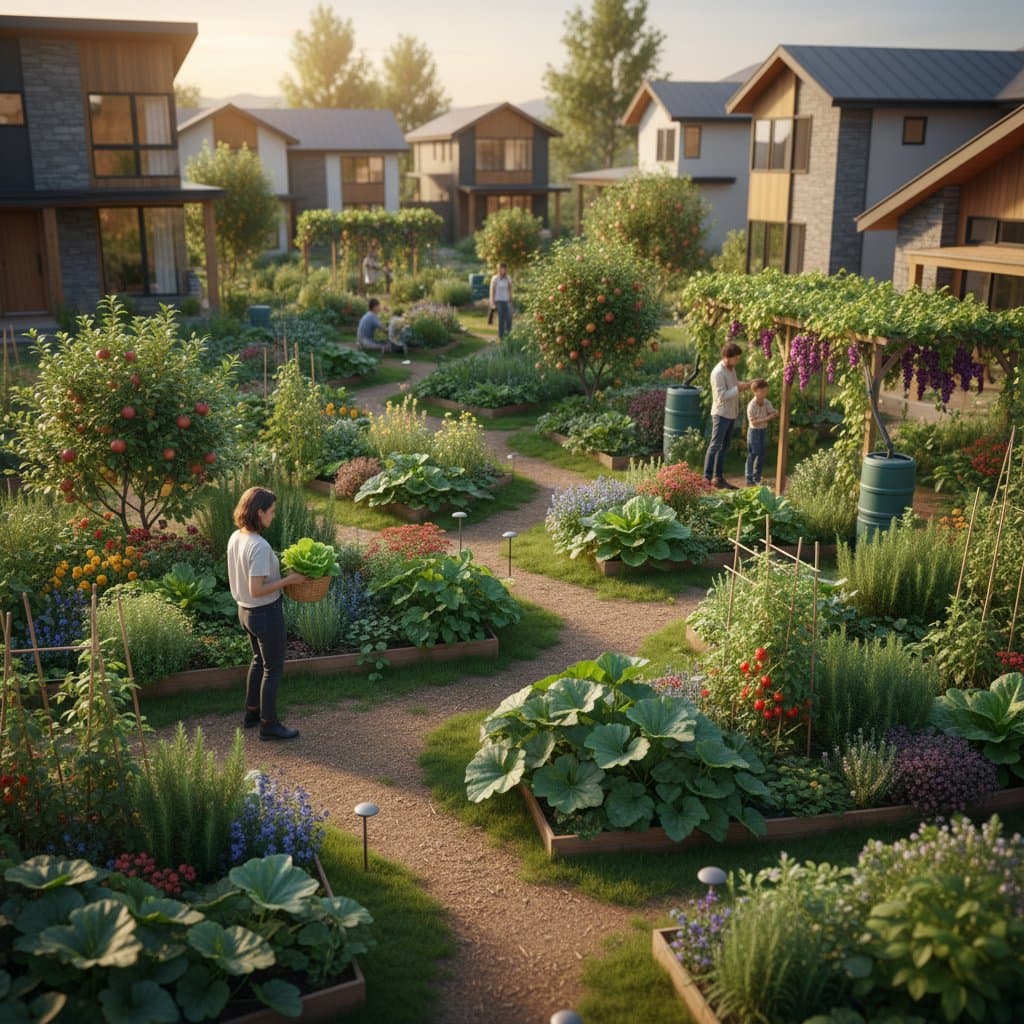
Experts observe that these gardens strengthen neighborhood bonds and expand the meaning of self-sufficiency. Consider a typical suburban block where uniformity once prevailed. Now, vivid rows of rainbow chard intermingle with marigolds under sunlight, while a compact fig tree shelters strawberry patches. Rosemary shrubs release pine-like scents as bees pollinate nearby blooms, evoking a harmonious blend of artistry and utility.
A Cultural Shift in Front Yard Design
Manicured lawns long represented status and conformity, prized for their tidy appearance yet yielding minimal benefits beyond ornamentation. Contemporary gardeners challenge this norm, opting instead for spaces that sustain rather than merely decorate. Why invest in thirsty grass requiring constant upkeep when that area could supply fresh ingredients for meals?
This evolution draws participants from diverse backgrounds, including city dwellers, leaseholders, and emerging families seeking intimacy with their sustenance. Media influences accelerate the change: culinary programs, online garden showcases, and influencer content render home cultivation glamorous and accessible.
Landscaping designer and horticulturist Maria Chen reports a surge in consultations for edible layouts. "People want their homes to work harder for them," she explains. "A front yard can be beautiful and productive at the same time. It just takes a little imagination."
From Ornamental Space to Functional Pantry
Edible landscaping merges decorative elements with food-producing flora, yielding gardens that please the eye while serving daily needs. Rather than confining blooms to separate beds, cultivators intersperse kale with lavender, pair strawberries and petunias, or substitute blueberry shrubs for formal hedges.
Success hinges on equilibrium. Effective designs mimic traditional gardens rather than evoking agricultural fields, employing color contrasts, vertical layering, and textural diversity to sustain manageability. Fragrant thyme or oregano forms resilient ground covers, whereas compact fruit trees offer both shelter and stature.
This approach draws from permaculture principles, which prioritize resilient, interdependent plant communities. Gardeners stack species with complementary roles to form compact food ecosystems, even on modest lots. Organic mulch supplants synthetic inputs, pollinator-friendly species draw beneficial insects, and on-site composting revitalizes earth.
Practical Advantages of Edible Landscapes
Beyond harvesting fresh items, edible front yards deliver economic and ecological gains. A modest plot might produce produce valued at several hundred dollars annually, diminishing dependence on commercial sources and associated waste.
These setups excel in resource efficiency, particularly regarding hydration. Lawns demand substantial irrigation, especially in arid zones, whereas native edibles and deep-rooted choices like artichokes, rhubarb, or fruit trees conserve water through superior retention.
The emotional uplift proves equally compelling. Studies associate soil work with reduced anxiety and enhanced well-being. Cultivators frequently cite a sense of agency and rootedness, with the tangible growth of basil or ripening tomatoes offering swift affirmation amid fast-paced routines.
Fostering Neighborhood Connections
Positioned for public view, edible yards naturally invite dialogue. Passersby inquire about varieties, exchange propagation materials, or discuss preparation methods, turning cultivation into a subtle connector.
In certain communities, individual efforts evolve into group initiatives, such as communal composting, propagation trades, or harvest gatherings. This momentum influences regulations; restrictive ordinances on front-yard edibles gradually relax as the practice achieves broader legitimacy.
Sociologist and urban ecologist Dr. Rafael Ortiz views the phenomenon as profound. "It represents a cultural redefinition of what prosperity looks like," he states. "Instead of valuing appearance alone, people are valuing productivity, health, and ecological balance."
Intentional Design Strategies
Constructing an edible front yard demands deliberate assessment of light exposure, soil composition, and local surroundings. Beginners might initiate by substituting a border strip with durable herbs such as sage or parsley. Ambitious projects incorporate elevated planters, vertical supports, and fruit-laden perennials.
Essential guidelines include:
- Establish framework: Position dwarf fruit trees or berry shrubs to outline edges and generate dappled shade.
- Vary elevations: Integrate upright options like corn or sunflowers with trailing herbs and leafy greens to optimize area.
- Plan for cycles: Blend returning perennials with seasonal annuals to ensure ongoing yields.
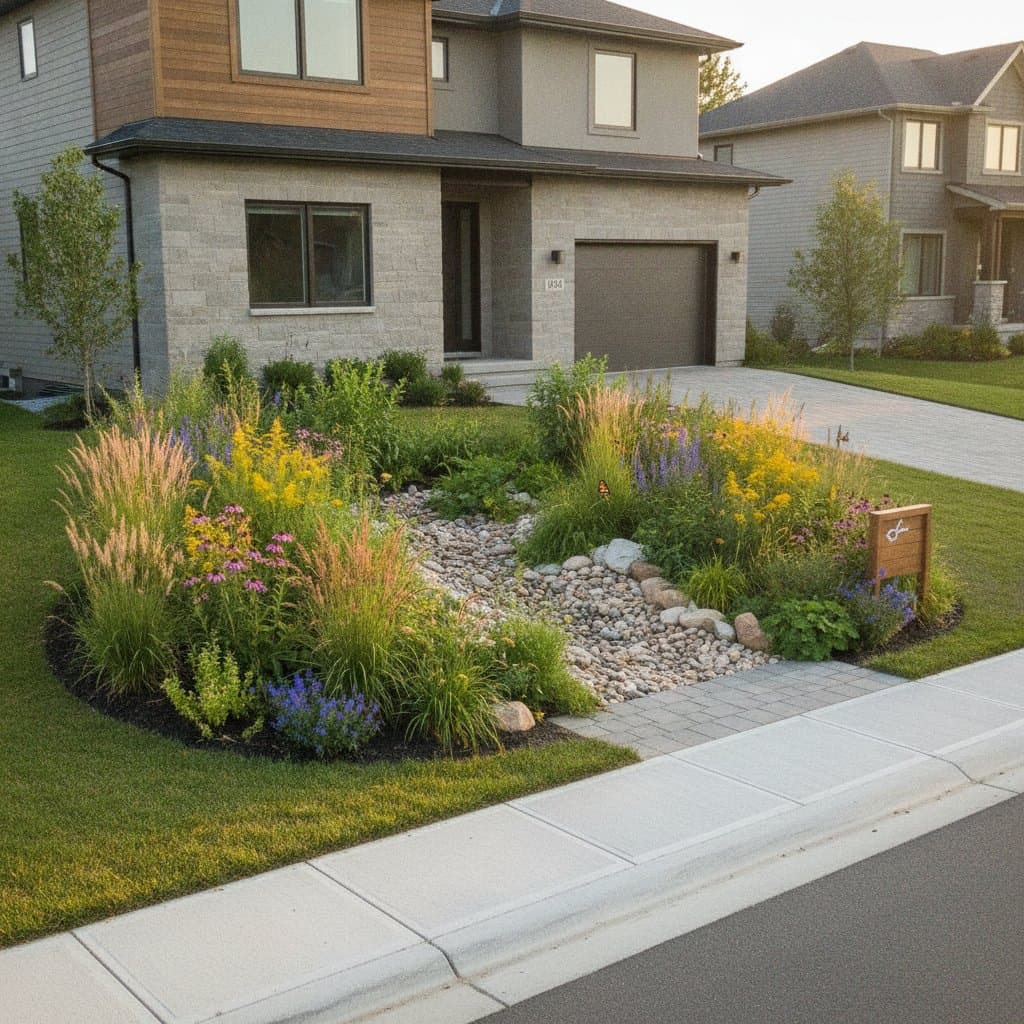
- Maintain neatness: Employ edging, mulched walkways, and clustered arrangements to preserve attractiveness from the curb.
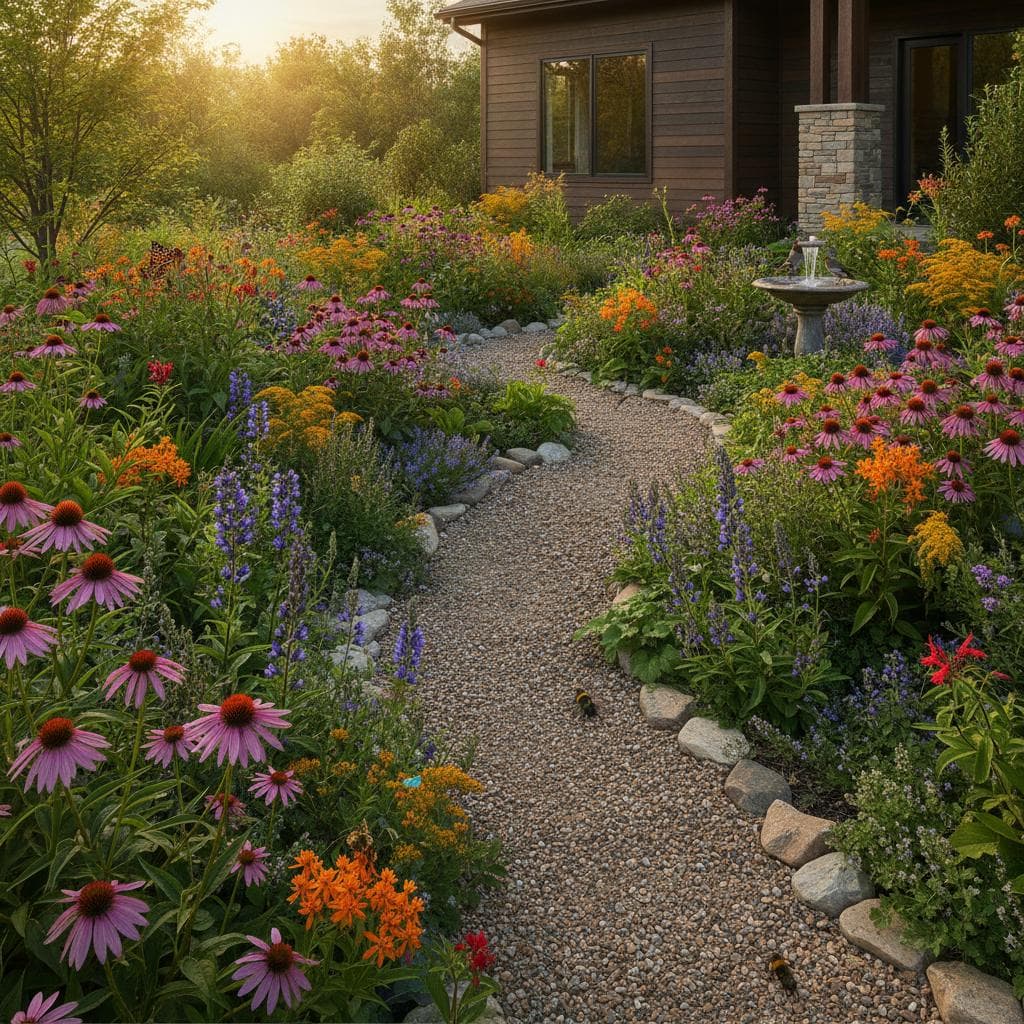
- Incorporate attractors: Include blooms such as calendula or echinacea to summon pollinators and add vibrancy.
Thoughtful execution ensures the yard appears purposeful, complementing home architecture while bridging form and function.
Technology and Cultural Influences
Online networks propel the edible yard surge, brimming with transformation footage from sparse turf to bountiful plots. Virtual forums disseminate regional planting schedules, amendment advice, and global motifs.
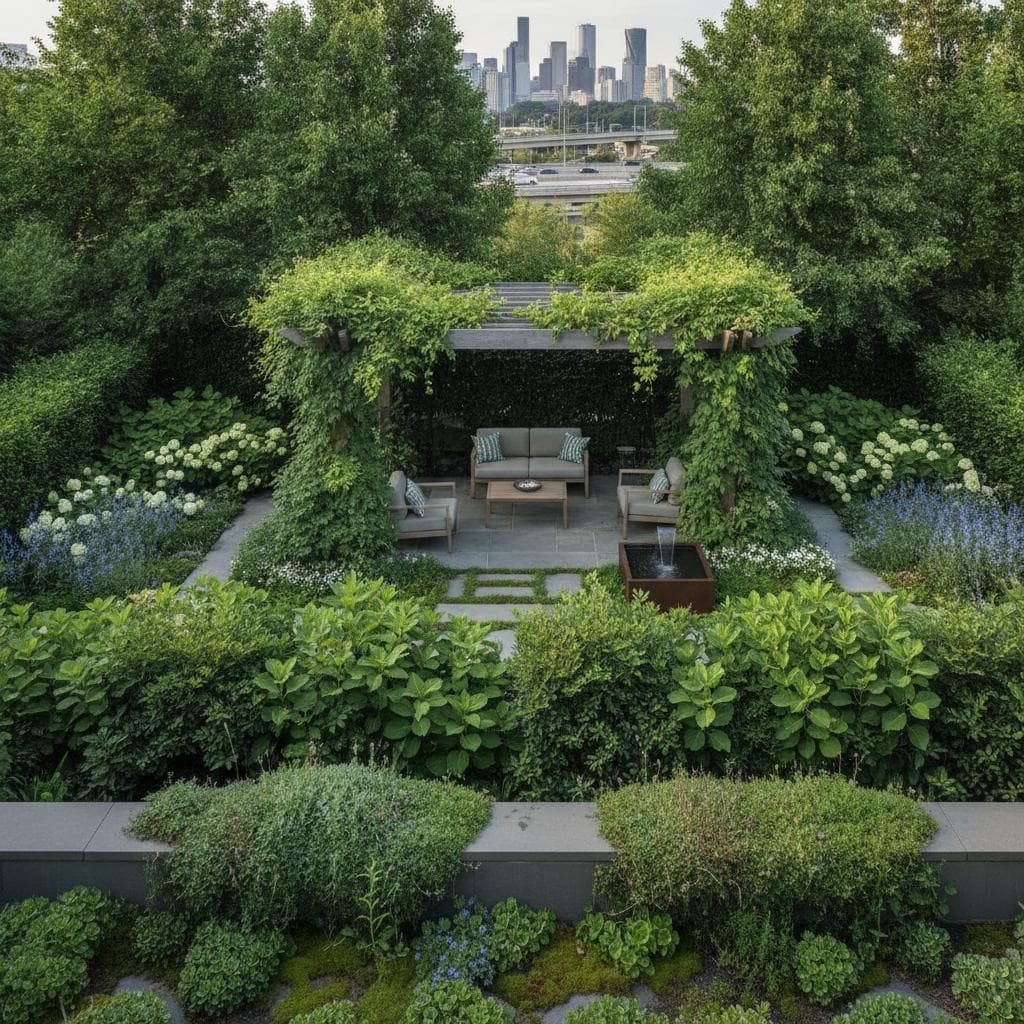
Broadcast media and films further embed the ethos of localized provisioning, captivating audiences with narratives of environmental stewardship via balcony plots or yard groves.
Public figures contribute visibility; performers and artists reveal their verdant setups, elevating edibles from marginal to modish.
Steps to Launch Your Edible Yard
Embarking requires reframing the front space as potential rather than prettification. Select flora aligned with culinary preferences; herbs provide quick wins with low demands. Progress to climate-suited vegetables or petite trees as confidence builds.
Regional nurseries and extension services supply no-cost aids, including earth analysis and varietal recommendations. Many organize sessions on eco-friendly methods, facilitating peer learning.
Sustaining the Harvest and Beyond
This grassroots evolution unfolds along streets and pathways, reenvisioning territory, allure, and intent. Homeowners craft living tableaux that supplant inert grass, enriching personal narratives and collective landscapes. Edible front yards affirm that vitality and provision can flourish in plain sight, yielding enduring rewards for individuals and surroundings.