Key Principles of Grandmillennial Gardens
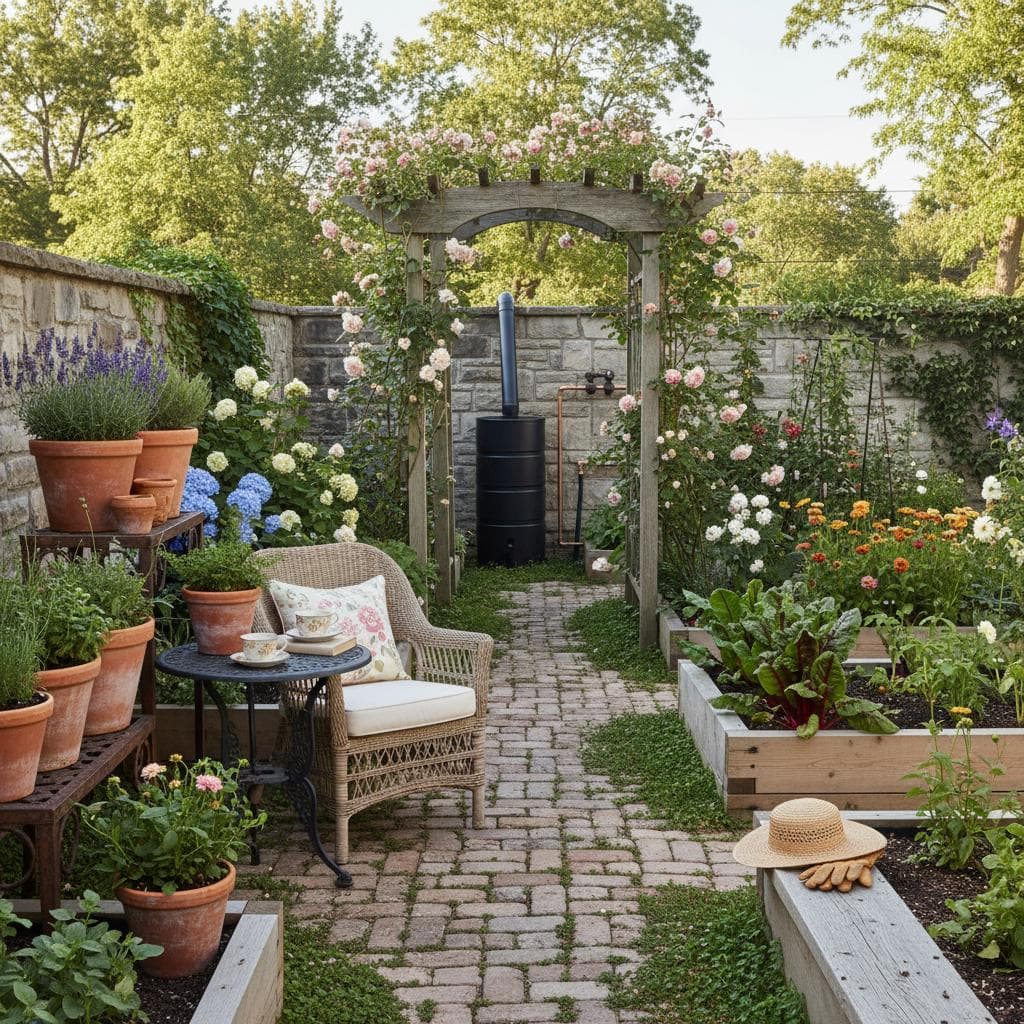
Grandmillennial gardens represent the refined progression of cottagecore aesthetics, fusing nostalgic warmth with deliberate elegance. This style integrates heirloom plants, antique-inspired furnishings, and abundant blooms alongside structured pathways and water-efficient systems. Homeowners achieve harmony by prioritizing spatial efficiency, durable materials, and plants that demand minimal intervention. Such gardens reveal personal character, proving that classic allure adapts seamlessly to contemporary routines.
Historical and Aesthetic Foundations
Cottagecore emerged as a celebration of countryside ease and artisanal elements. It echoed the abundant perennial borders, herb gardens, and climbing vines of traditional English and French landscapes, where cultivated areas merged fluidly with natural surroundings. The movement offered emotional solace, providing escape from urban haste through connection to seasonal cycles and tactile simplicity.
Initial Site Evaluation
Homeowners embarking on a grandmillennial garden project must first analyze the property's current state. This step ensures informed decisions and avoids costly revisions.
- Assess sunlight and water flow: Map areas with direct sunlight for six or more hours daily, partial coverage for four hours, or consistent moisture retention. These details guide species choices and soil enhancements.
- Examine current vegetation: Preserve established trees and bushes that offer framework or shelter. Eliminate aggressive plants that overshadow desired additions.
- Review hard surfaces: Evaluate decks, borders, and walks for stability. Restore faded pavers or bricks through cleaning to enhance their patina.
- Define usage areas: Outline zones for relaxation, culinary herbs, or ornamental displays. Establish distinct perimeters and accessible paths to support routine activities.
This evaluation parallels site surveys in building projects, enabling precise material estimates, financial planning, and timeline development.
Preparation and Design Strategy
Effective grandmillennial gardens arise from meticulous groundwork, encompassing sketches, choices, and precautions.
Essential Equipment and Supplies
- Spades, trowels, and shears for digging and trimming.
- Tape measures, cords, and markers to outline designs.
- Carts for moving earth and coverings.
- Natural amendments like compost, enriched dirt, and bark layers.
- Recycled pavers, fine stones, or field rocks.
- Classic flowers including digitalis, aromatic herbs, larkspur, and bushy blooms.
- Neat evergreens such as clipped hedges or flowering bushes for form.
- Aged pots or recycled vessels for accents.
Core Design Elements
- Balance form and flow: Create neat plots edged by flowing petal clusters. Line formal walks with fragrant borders to direct movement while preserving allure.
- Select hues thoughtfully: Employ gentle tones in pinks, sages, and ivories. Add richer shades via hybrid flowers or sages for dimension.
- Incorporate furnishings: Opt for woven seats, forged metal, or coated timber to echo eras past. Complement with resilient textiles in botanical motifs.
- Add illumination: Install energy-efficient fixtures or sun-powered globes to accent routes and foster nocturnal serenity.
Practical and Safety Measures
Approach digging and paving with attention to secure bases. Wear protective gear for hand and joint support during soil work. For added features like powered lights or drip lines, comply with regional codes on cabling and conduits. Time installations for temperate periods to ease plant acclimation and boost survival.
Step-by-Step Garden Creation
Garden conversion proceeds methodically, aligning artistic vision with botanical principles.
- Prepare the ground: Clear unwanted growth and litter. Aerate earth to 8-10 inches deep for better root penetration. Blend amendments at one-third volume to native soil.
- Build foundational paths: Establish routes early to set boundaries. Firm the sublayer of coarse fill, then set surfaces with a gentle incline for runoff.
- Form planting zones: Define beds with organic contours that draw gazes onward. Employ guides to ensure uniform dimensions and seamless joins.
- Position flora strategically: Place high growers rearward, intermediates mid-level, and trailers forward. Layering fills views without obstruction.
- Install and hydrate: Excavate pits double the root spread and just below crown depth. Soak thoroughly post-planting, then cover with organic layers to hold dampness.
- Set accents: Add rests or ornaments once earth compacts. Site them by highlights such as trellises or water features for equilibrium.
Performance Checks
Grandmillennial gardens excel through integrated form and purpose. Monitor advancement with targeted reviews:
- Test soil absorption: Post-irrigation, earth should drain in hours. Standing water signals dense layers or uneven slopes needing correction.
- Verify plant intervals: Allow mature spread to avoid congestion, fostering circulation and health.
- Inspect alignments: Confirm walks level and edges uniform. Adjust shifted elements promptly.
- Gauge visual unity: Observe from varied perspectives. Elements should cohere, with motifs repeating to lead the sight.
These verifications resemble quality controls in development, securing longevity and appeal.
Ongoing Care Practices
Regular attention sustains the intricate beauty of grandmillennial gardens. Develop a cycle-based routine for trimming, nourishment, and protection.
- Trim flowering plants post-bloom to spur regrowth and shape.
- Enrich ground yearly with natural matter to maintain vitality sans chemicals.
- Renew surface covers biannually to block intruders and stabilize climate.
- Polish and protect outdoor items against elements, focusing on timber and alloys.
- Inspect water delivery for faults that squander resources or stress flora.
Vigilant monitoring detects concerns swiftly, rendering care straightforward and economical.
Embracing Seasonal Evolution
Grandmillennial gardens encourage active engagement over passive viewing. They shift with weather patterns, prompting adjustments to vessels, textiles, or seed introductions. As climbers thicken and surfaces mellow, the area embodies individual heritage and ease.
For those cherishing legacy alongside order, this approach unites reminiscence with current needs. It respects artisanal roots while facilitating simple oversight. Each laid stone and petal line embodies equilibrium between recollection and advancement. The garden emerges as a testament to discernment, diligence, and rejuvenation, offering a sanctuary that resonates with enduring grace and vital ease.