AI Robots Revolutionizing Effortless Front Yard Care
The author once viewed mowing the front yard as a burdensome task. In Staten Island, even a modest lawn expanded into a significant effort during humid weather. Delaying cuts led to extended sessions of physical labor, prompting thoughts of replacing grass with low-maintenance alternatives. Observing a neighbor's robotic mower operate independently sparked curiosity about automated yard technology.
This encounter initiated an exploration into AI-powered lawn care systems. Testing several models revealed their impact on maintenance routines and perceptions of outdoor responsibilities.
Challenges of Conventional Lawn Maintenance
Conventional mowing appears straightforward yet often proves problematic. Engines fail to start, clippings accumulate and block mechanisms, and the physical demands equate to intense exercise. Gasoline-powered units generate noise and weight issues, while electric versions demand direct oversight. Infrequent mowing results in irregular growth, weed proliferation, and diminished aesthetic appeal.
Initial Experience with Robotic Lawn Mowers
Acquiring the first robotic lawn mower elicited amusement from the author's spouse, who likened it to employing a mechanical assistant for vegetation. Prior exposure to smart home appliances prepared the author somewhat, yet the concept of an autonomous mower evoked futuristic imagery.
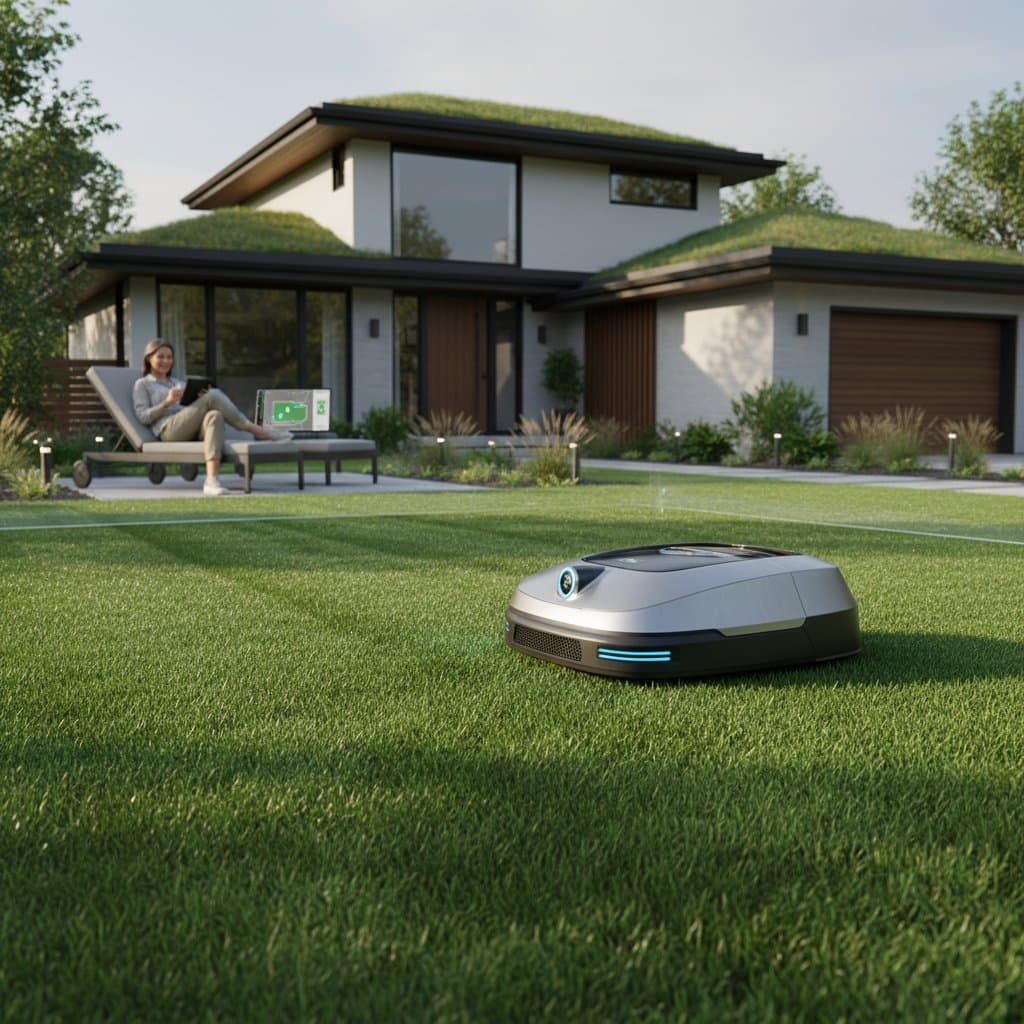
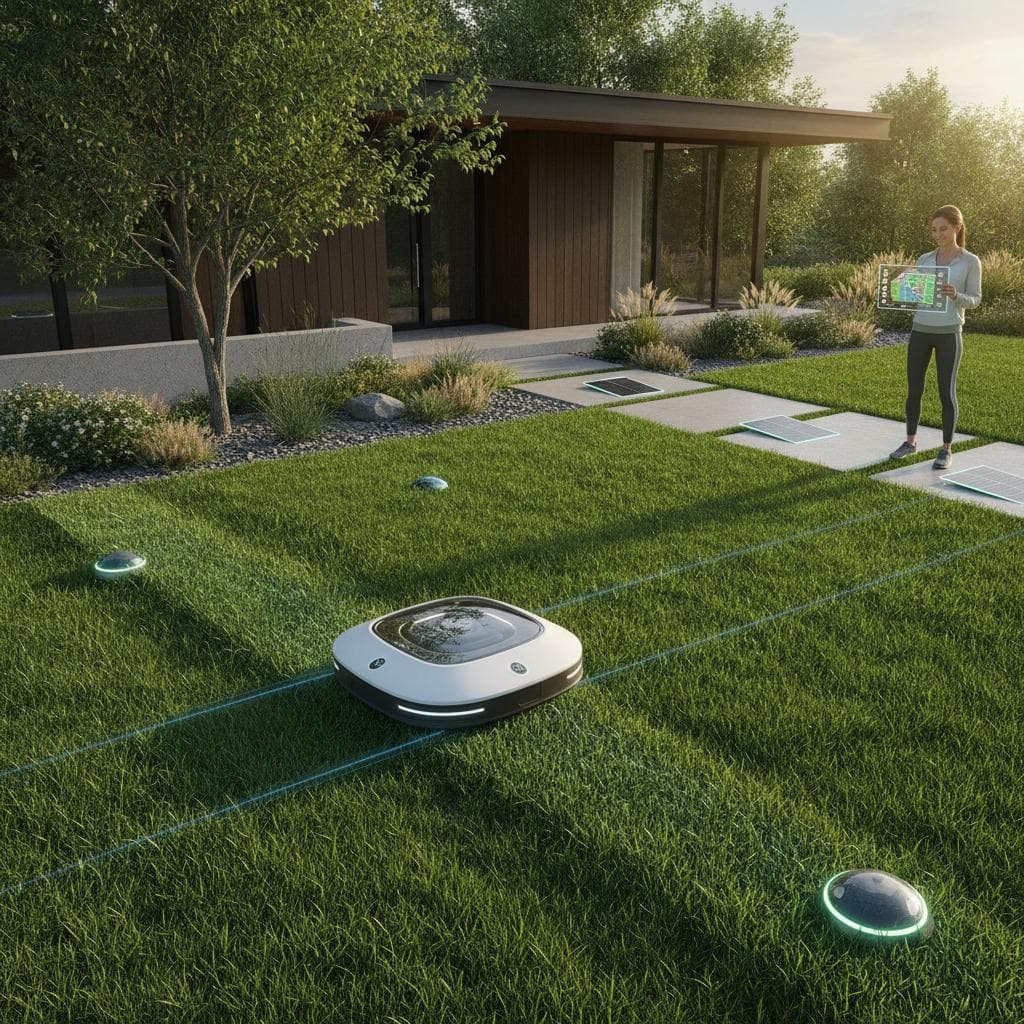
Installation proved simpler than anticipated. Many units require boundary wires to delineate operational zones, although advanced models employ satellite positioning and onboard sensors for wire-free navigation. After initial charging, app connectivity, and programming, the device commenced operation with a subdued humming sound, contrasting sharply with traditional equipment. Observing from the front steps with a beverage in hand evoked a sense of liberation.
Operational Mechanics of AI Lawn Robots
These robots integrate sensors, imaging devices, and algorithmic mapping to traverse yards methodically. They identify and avoid barriers including trees, planted borders, and scattered objects. Progressive models memorize terrain configurations, optimizing routes for comprehensive coverage. Mobile applications enable users to define operational timetables, restricted areas, and blade elevations. Precipitation detection prompts the unit to retreat to its base station.
Consistency defines their primary advantage. Regular incremental trimming promotes healthier turf compared to sporadic intensive sessions, yielding a perpetually groomed appearance akin to professional venues. Homeowners achieve comparable results without specialized personnel.
Observed Outcomes in Practical Application
Within weeks, the lawn exhibited superior condition relative to manual efforts. Edges appeared precise, coloration uniform, and the surface tidy. The author underestimated the benefits of steady maintenance until witnessing them firsthand.
Imperfections surfaced occasionally. An initial run encountered difficulties on a sloped driveway section. On another occasion, collision with a decorative statue halted progress, triggering an alert via the application. Such incidents necessitated minor configuration adjustments, after which performance stabilized.
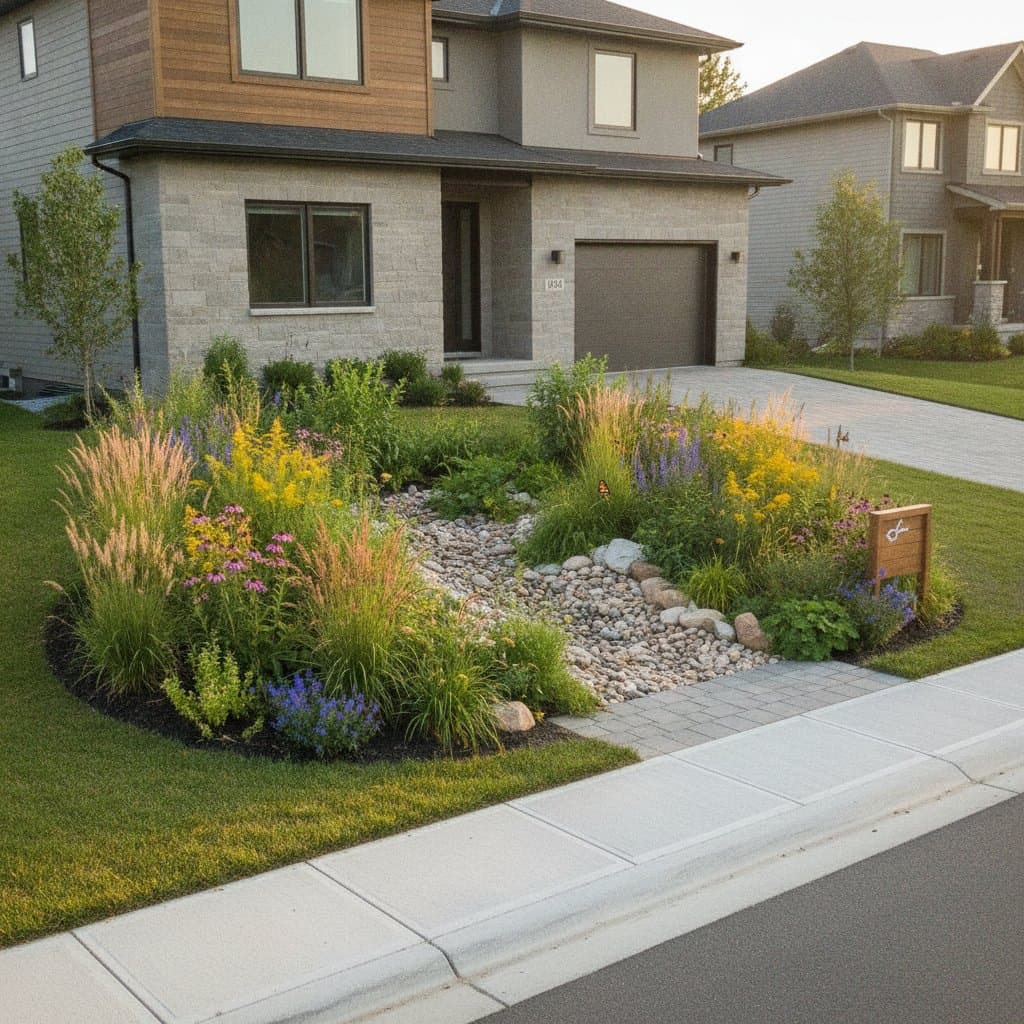
To enhance results, consider integrating complementary technologies. For instance, AI irrigation controllers modulate water distribution according to meteorological data, optimizing resource use. Precision weed eliminators distinguish and remove invasives selectively, preserving desirable plants. Collectively, these systems foster resilient, low-intervention landscapes.
Frequent travelers or those managing professional and personal commitments gain reassurance from remote oversight capabilities. The author maintains productivity or enjoys local outings, confident in the yard's upkeep.
Essential Considerations for Robotic Systems
Full autonomy remains elusive. Users must remove debris, inspect cutting elements, and intervene during entrapment in dense growth. Initial investments parallel those for standard equipment, though costs decline over time. Runtime limitations may necessitate upgraded batteries or supplementary units for expansive areas.
Implementing Robotic Mowing Effectively
Follow these steps for optimal integration:
- Maintain clear boundaries by removing hoses, playthings, and fallen limbs.
- Program frequent sessions to support turf vitality and avert excessive accumulation.
- Inspect and sharpen blades periodically to ensure clean severance rather than ragged edges.
- Leverage application tools for tailoring schedules, segmenting zones, and selecting patterns.
Embracing these innovations alters yard care dynamics profoundly. The satisfaction of a well-kept lawn without personal exertion proves compelling. On serene afternoons, relaxation replaces toil, underscoring the value of technological advancement in domestic landscapes.