Wildflower Meadows: Cottage-Core's Lawn Revolution
The image of a pristine, evenly cut lawn long represented suburban ideals of order and prosperity. Today, however, many homeowners opt for a more untamed alternative that captures the essence of rural simplicity. Wildflower meadows, traditionally found along rural paths, now anchor the cottage-core aesthetic in urban and suburban settings. These landscapes draw nature into daily life, support essential pollinators, and blur the lines between garden and wilderness.
This change extends beyond visual appeal. Homeowners create environments that pulse with life, reflect personal taste, and require far less effort. A meadow invites observation of buzzing bees and shifting seasonal colors, replacing the endless cycle of lawn upkeep with moments of quiet appreciation.
Starting Small: Turning a Corner Into a Mini Meadow
Completely overhauling a lawn can seem overwhelming, so initiate the process on a modest scale. Select a sunlit corner or an underused edge along a fence to experiment without major commitment. This approach allows observation of local soil types, sunlight patterns, and plant responses before expanding.
Garden stylist Nora Vale advises, "Treat your first meadow patch as a test garden. You will see which native plants thrive and how the space evolves over time. It is less pressure and more fun."
Prepare the site by mowing the grass closely, clearing debris and thatch, and raking the soil lightly to create a receptive surface. Choose a seed mix featuring regional natives such as black-eyed Susans, coneflowers, or lupines, depending on your climate zone. Broadcast the seeds evenly, then firm them into the ground using foot pressure or a lawn roller. Provide gentle irrigation during the initial weeks to promote germination, after which the plants largely sustain themselves.
Expect a somewhat ragged appearance in the first year as roots establish. By the second or third season, the meadow develops density and color, revealing its mature form with layered blooms and swaying grasses.
Rethinking Maintenance: Less Work, More Reward
Newcomers to meadow gardening often discover the ease of upkeep once plants take hold. Eliminate the need for frequent mowing or irrigation schedules that dominate traditional lawns. Instead, adopt a calendar-based routine that aligns with natural cycles.
Most meadows require trimming just one or two times annually. Perform this task in late summer or early fall, after flowers set seed to ensure propagation for the next year. Employ a manual scythe for larger areas or a string trimmer for precision, cutting to a height of four to six inches to maintain an organized yet natural silhouette.
Weed management remains minimal, targeting only aggressive intruders like dandelions or bindweed in the early stages. Native species typically outcompete others over time, reducing intervention. This unhurried pace allows gardeners to engage mindfully, turning maintenance into a reflective practice rather than a chore.
"People think going wild means messy," says Jensen. "But a managed meadow still has structure. It is just a softer, more forgiving kind of beauty."
Supporting Pollinators and Local Wildlife
Wildflower meadows serve as vital ecological assets, far surpassing the limited role of monoculture grass. They provide nectar and pollen for bees and butterflies, while seed heads offer winter forage for birds. In turf-dominated communities, even a modest meadow can sustain a diverse array of species, from hoverflies to finches.
For those motivated by conservation, meadows deliver tangible impact. Select varieties with accessible flower structures, such as yarrow, bee balm, or coreopsis, which allow pollinators easy access. Steer clear of chemical pesticides to protect these allies; opt for organic methods like companion planting with pest-repelling herbs if needed.
Enhance the habitat with simple additions: place a birdbath with varied water depths for drinking and bathing, or create a rock pile for ground-nesting bees. Incorporate native shrubs like serviceberry for berries that attract songbirds. These elements transform the space from ornamental to functional, buzzing with activity.
As Rios says, "Every wild patch is a lifeline. When you plant one, you are not just creating beauty, you are creating habitat."
Overcoming Common Fears About Going Wild
Prospective meadow creators frequently worry about perceptions of disorder or increased pest presence. Such concerns arise from misconceptions, yet strategic planning addresses them effectively.
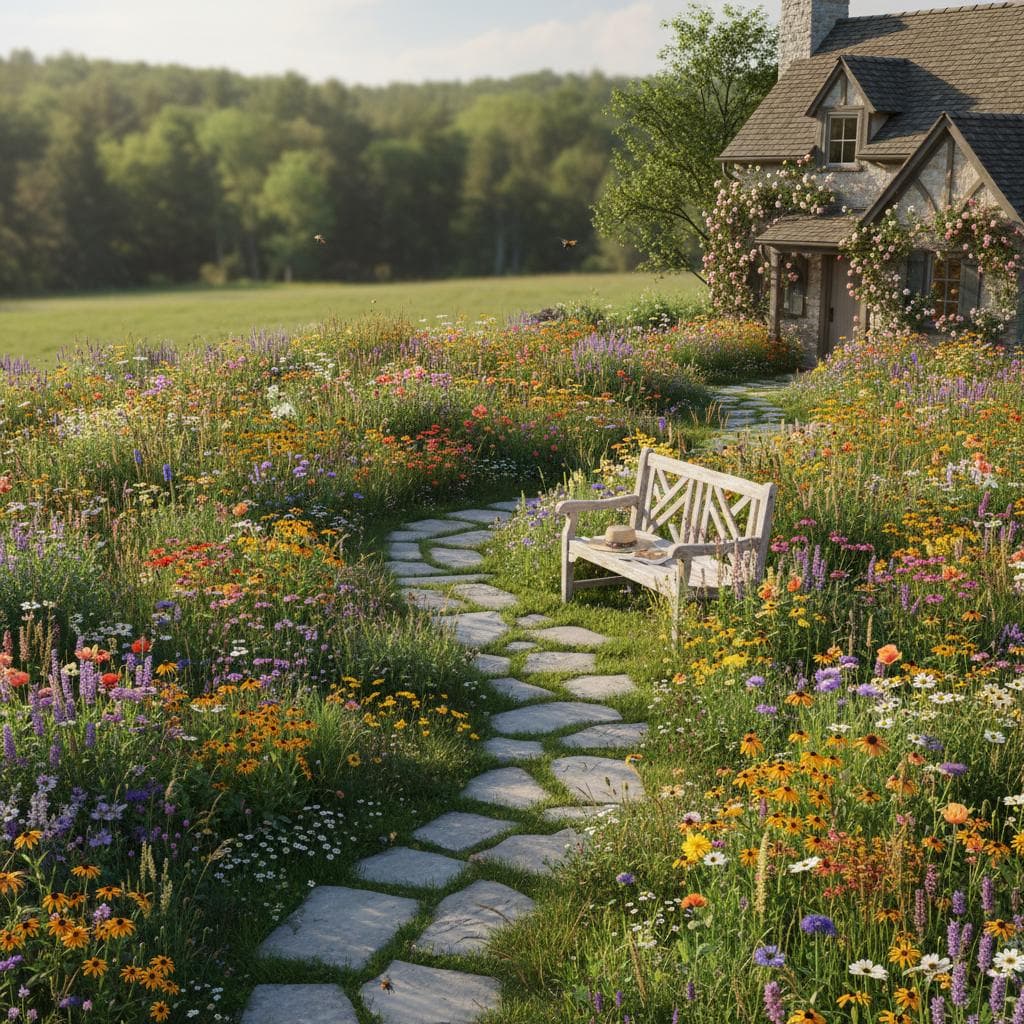
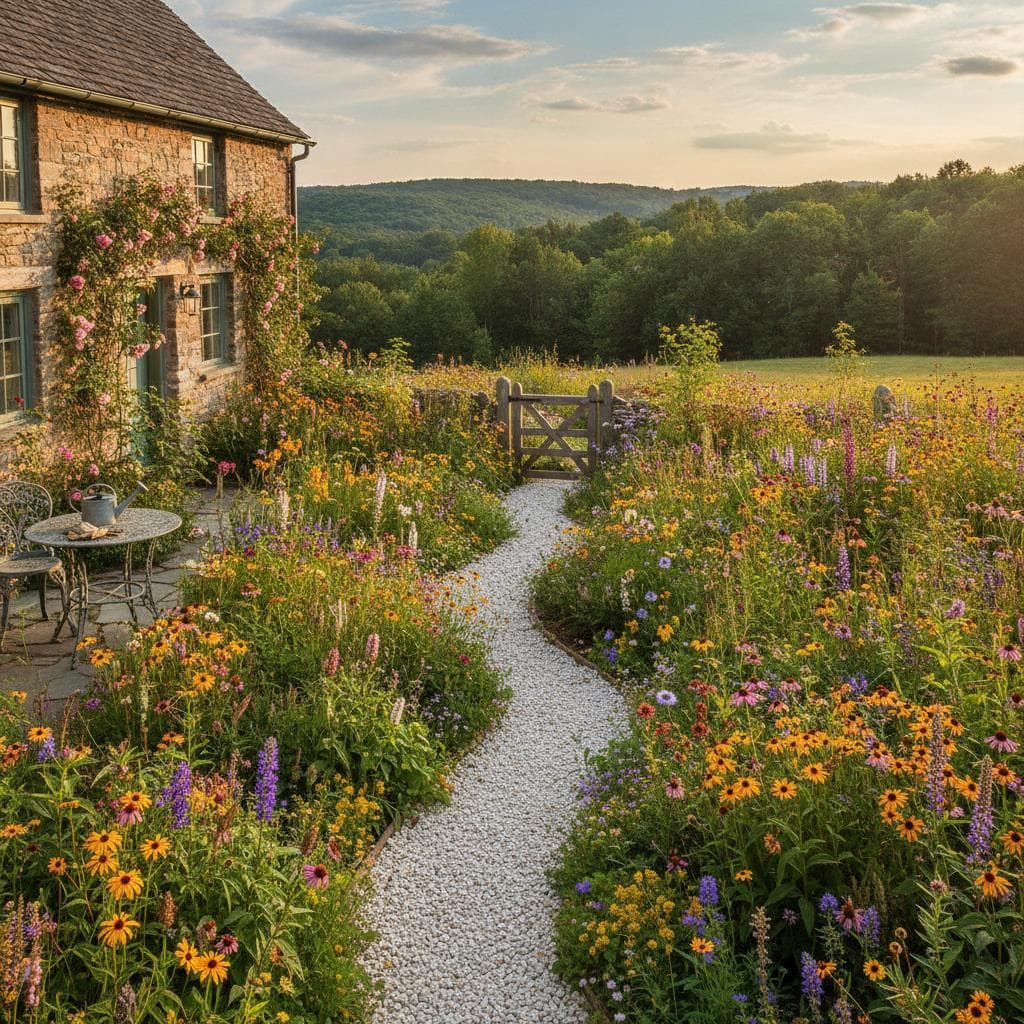
Incorporate deliberate design features to convey intention. Maintain mowed paths that wind through the planting for accessibility and visual definition. Position benches, trellises with climbing natives, or decorative stakes to frame the area, signaling thoughtful curation over abandonment.
In areas governed by homeowners associations or strict ordinances, begin with discreet zones like rear yards or shaded borders. Educate neighbors through casual conversations or shared resources on the advantages, including water savings and carbon sequestration. Visual proof, such as vibrant pollinator activity, often converts skeptics.
"Good design tells a story," says Vale. "When a wildflower garden looks loved, people understand it is a choice, not neglect."
Steps to Create Your Wildflower Meadow
Transitioning to a meadow begins with assessment and preparation. Evaluate your yard's sunlight, soil drainage, and hardiness zone using local extension service guides to select appropriate seeds or plugs. Clear the chosen area thoroughly, suppressing grass with cardboard mulch for several weeks if sod persists.
Source quality seeds from reputable suppliers specializing in natives; aim for a blend that includes perennials for longevity and annuals for quick coverage. Sow in fall for regions with cold winters to leverage natural stratification, or spring in milder climates. Monitor for the first few months, thinning overcrowded seedlings to promote even growth.
As the meadow matures, document changes with photos to track progress and adjust as needed. Integrate it with existing features, such as edging with low stones or pairing with a vegetable plot for a cohesive yard. Over time, this shift cultivates not only plants but also a sense of stewardship and delight in nature's unfolding patterns.
The appeal of wildflower meadows lies in their invitation to participate in ecological renewal while enjoying a landscape that evolves gracefully. Homeowners report greater outdoor time, reduced stress, and a profound sense of place. Embrace this approach to foster a yard that thrives independently, rewarding you with color, life, and lasting serenity.