Edible Front Yards: A Sustainable Alternative for 2025
I once took pride in my small lawn, comparable in size to a patch from Staten Island. I devoted considerable effort to maintaining those uniform green blades, viewing them as an extension of my personal discipline. However, one summer, after expending a significant portion of my writing earnings on fertilizer and water, I examined that grass and questioned why I invested so much in something inedible. This realization initiated my gradual transition to an edible front yard.
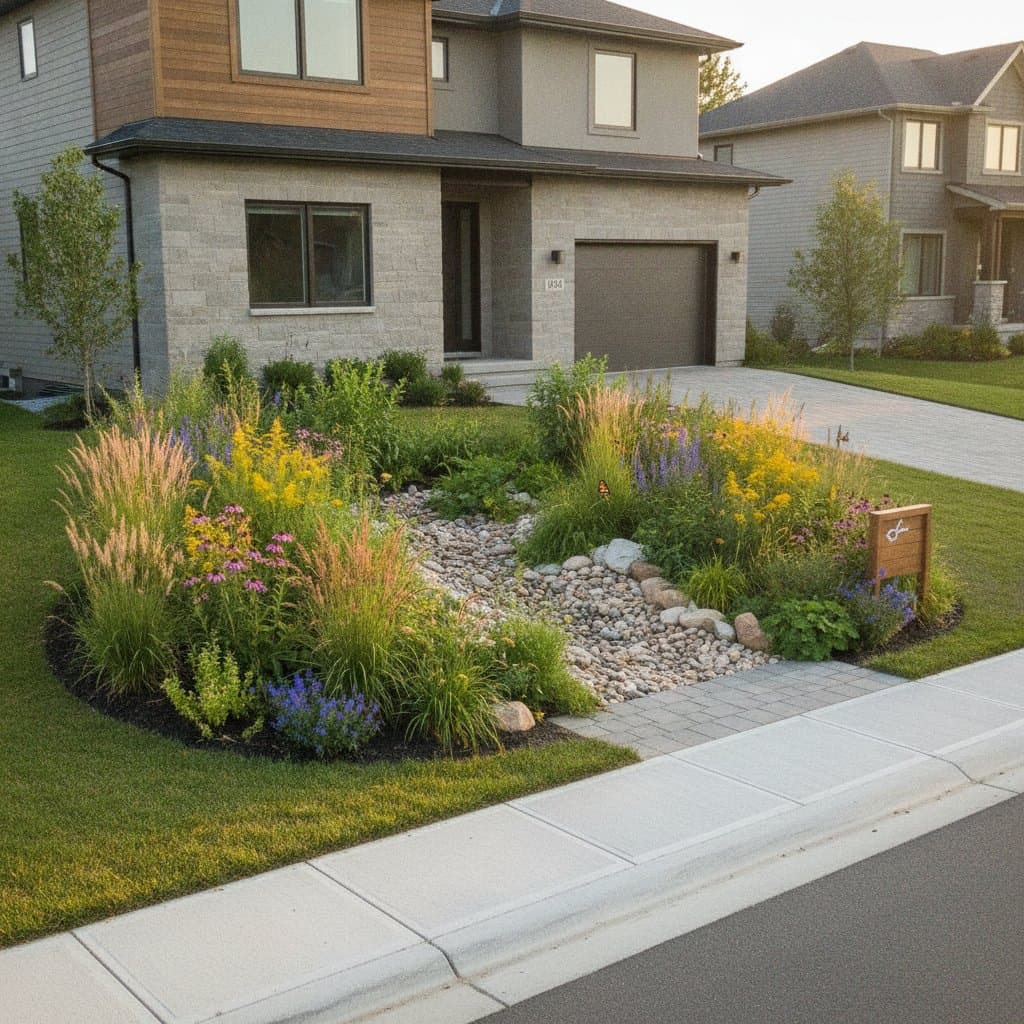
Many individuals share this sentiment when contemplating their lawns. From neighborhoods in the Northeast to those along the Pacific Coast, homeowners and renters alike exchange ornamental grass for front yard gardens that nourish families and local pollinators. The benefits extend beyond water conservation and reduced mowing; such landscapes convert the prominent area of a home into a practical, attractive, and relatively low-maintenance feature once established.
Rethinking the Traditional Lawn
Launching My Initial Front Yard Garden
My inaugural effort at an edible front yard proved somewhat disorganized. Overeager and impatient, I aimed to demonstrate the feasibility of cultivating a viable garden in place of grass. I positioned tomatoes adjacent to blueberries, incorporated kale, and experimented with strawberries as ground cover. Although imperfect, this endeavor marked advancement. By mid-summer, neighbors inquired about the raspberries ascending the existing fence rather than critiquing any untidiness.
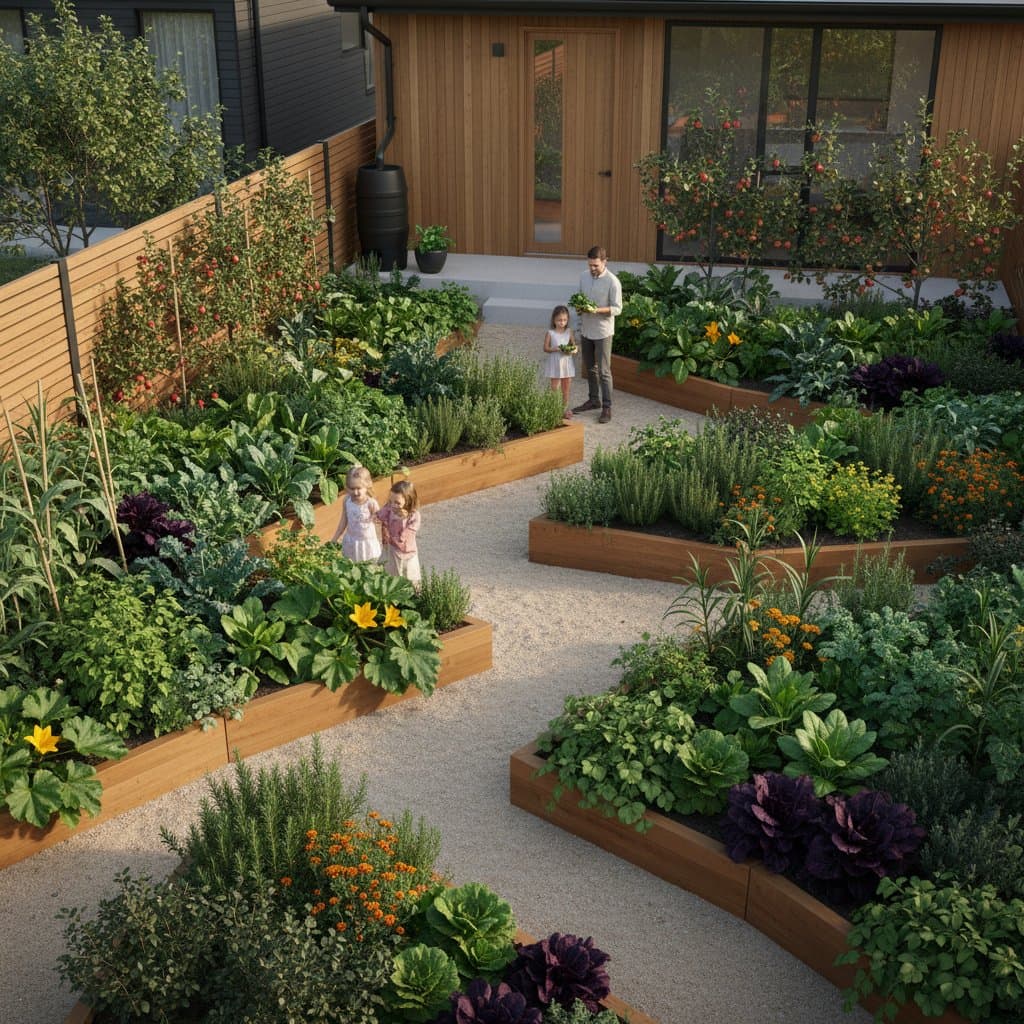
This experience revealed a key insight: an edible front yard need not resemble a farm. Designers can approach it with the same deliberate intent as conventional landscapes, incorporating layers, borders, and color variations. Combining herbs with flowers, fruit trees with shrubs yields a refined appearance suitable for enhancing property appeal.
Principles for Designing an Edible Front Yard
Developing an intentional edible front yard requires planning, yet remains straightforward. Through trial and error, I identified essential design principles that elevate the outcome.
Establish a structural foundation.
Consider the core elements of the landscape. Dwarf varieties of apple or cherry trees provide vertical interest and change with the seasons. Berry bushes serve as effective natural hedges. Herbs like rosemary or lavender function admirably as borders, offering pleasant aromas and excelling in sunny conditions.
Incorporate plant layers.
Similar to structured garden beds, edible landscapes thrive on stratification. Position taller specimens, such as tomatoes or vertically supported beans, at the rear. Place mid-sized options like peppers or kale centrally. Deploy low-growing herbs or lettuces along walkways for accessibility. This arrangement fosters depth and equilibrium.
Balance aesthetics and utility.
Initially, I feared a utilitarian appearance, but edible plants possess striking qualities. Red chard features vibrant stems. Purple basil introduces visual contrast. Nasturtiums cascade over edges with consumable flowers. Approaching the garden as an artistic endeavor rather than a task enhances enjoyment in its upkeep.
Maintain defined pathways.
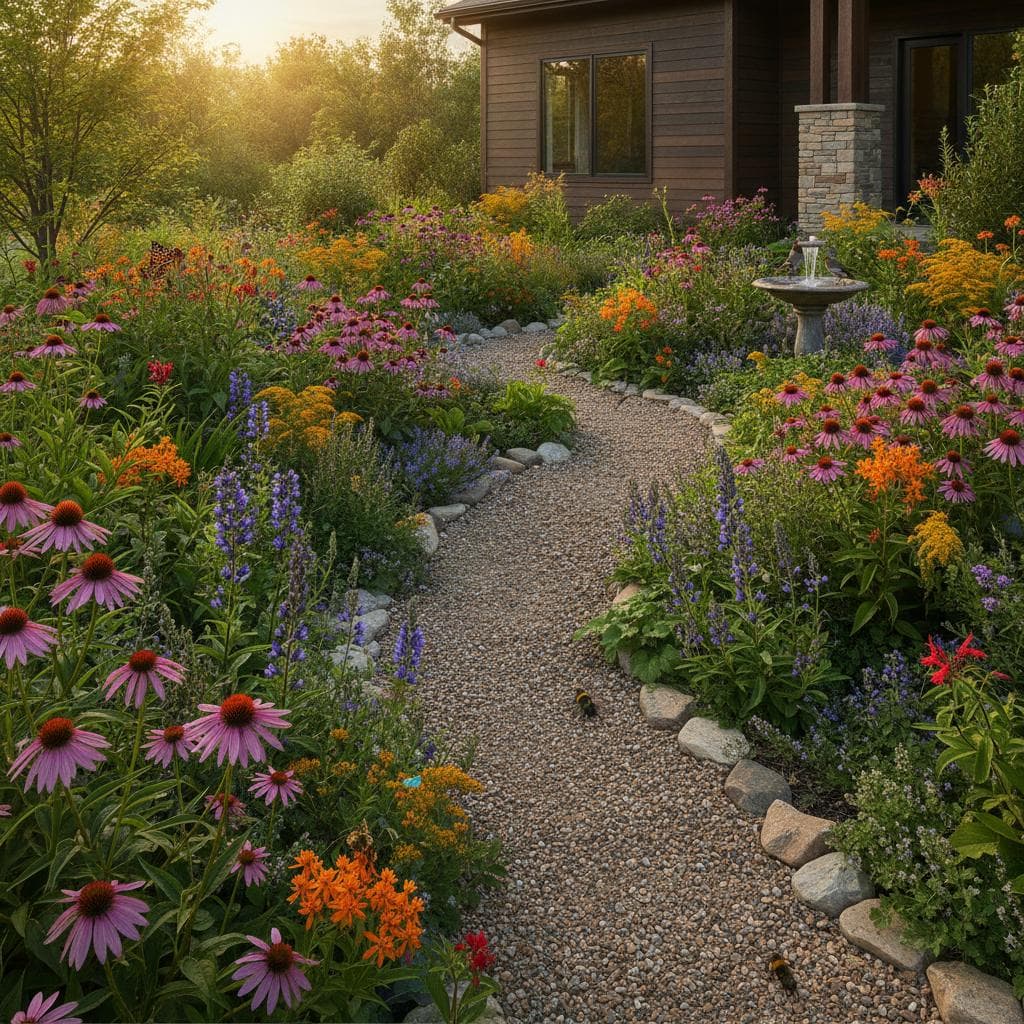
Structure preserves the polished look of edible front yards. Gravel or stone paths impose order amid potentially exuberant growth. This design choice proves practical during harvests, particularly after summer showers.
Benefits for Sustainability
Edible front yards surpass mere visual appeal and the pleasure of homegrown meals; they promote environmental sustainability. Substituting turf with productive plants diminishes irrigation demands and obviates the need for synthetic fertilizers common in lawn care. Enriching soil with compost and organic materials creates a self-perpetuating system that sustains plants and attracts pollinators.
Upon implementing this change, my water expenses decreased noticeably. Additionally, biodiversity flourished in my yard, with bees, butterflies, and birds appearing regularly. This transformation turned my modest Staten Island-inspired space into a thriving micro-ecosystem.
For renters or those hesitant about comprehensive alterations, container gardening offers comparable advantages. Position large pots containing basil, dwarf citrus trees, or salad greens along paths or porches to achieve edible yields without overhauling the entire area.
Addressing Common Concerns
Discussions about my edible yard with acquaintances elicit recurring queries: Will it appear unkempt? How will neighbors react? What of pest issues? I encountered these apprehensions myself, and each proves addressable.
Preventing a messy appearance:
Structure holds the key. Employ edging, delineated beds, and repetitive plantings. A row of three lavender shrubs conveys purpose rather than haphazardness. Tidy pathways ensure the design appears deliberate.
Managing neighbor perceptions:
Skepticism prevailed initially in my community, where front yards typically mimic pristine turf. However, as visitors observed the blooms, pollinator activity, and abundant produce, interest grew. One neighbor exchanged zucchini for basil from my garden last summer.
Controlling pests:
Attracting insects occurs, but plant diversity mitigates most problems. Companion planting aids prevention. Position marigolds beside tomatoes, mint near cabbage, and distribute garlic broadly to repel intruders organically.
Beginner-Friendly Crop Selections
If excavating a front lawn intimidates, commence modestly. Select dependable plants for initial triumphs and growing assurance.
- Cherry tomatoes: Compact forms yield abundantly in colors; ideal for pots or beds.
- Herbs such as thyme, oregano, and basil: Aromatic and resilient, suited for pathway edges.
- Leafy greens: Lettuce, spinach, and chard mature swiftly for repeated harvesting.
- Strawberries: Attractive as ground cover, delivering sweet fruits.
- Blueberries or raspberries: Shrubs that integrate edibles with landscaping while drawing pollinators.
Success with these builds momentum; I began with one raised bed and expanded to a productive front yard sharing surplus with others.
Integrating an Edible Landscape into Daily Life
Harvesting dinner ingredients from one's yard fosters profound contentment. This practice reshapes connections to home and sustenance. I now align meals with seasonal growth, establishing a calming routine amid a hurried existence.
Steps to Implement Your Edible Front Yard
Follow these actionable measures to begin:
- Evaluate sunlight exposure. Edibles generally require a minimum of six hours of direct sun daily. Observe light patterns prior to planting.
- Analyze soil quality. Robust soil underpins garden productivity. Incorporate compost for enhancement before sowing.
- Initiate modestly. Construct one or two raised beds or an herb border. Expansion follows naturally.
- Select consumable favorites. Avoid cultivating kale if household preferences exclude it.
- Incorporate seasonal variety. Blend annuals and perennials to maintain vitality year-round.
An edible front yard transcends decorative intent. It challenges inefficiency, promotes autonomy, and enacts ecological stewardship at home. Passing neighboring lawns, I respect their preferences while appreciating my vibrant, living space.