Edible Front Yards: Replacing Lawns with Food Forests
For many years, I believed that an ideal front yard consisted of a lush, meticulously maintained expanse of grass. Raised in Staten Island, I observed how such lawns served primarily as symbols of status rather than functional spaces. However, after dedicating countless hours to mowing, irrigating, and applying fertilizers to a lawn that offered no tangible returns, I began to reevaluate its value. One sweltering afternoon, I posed a simple question to myself: Why invest so much effort and resources into a feature that fails to sustain me in any meaningful way?
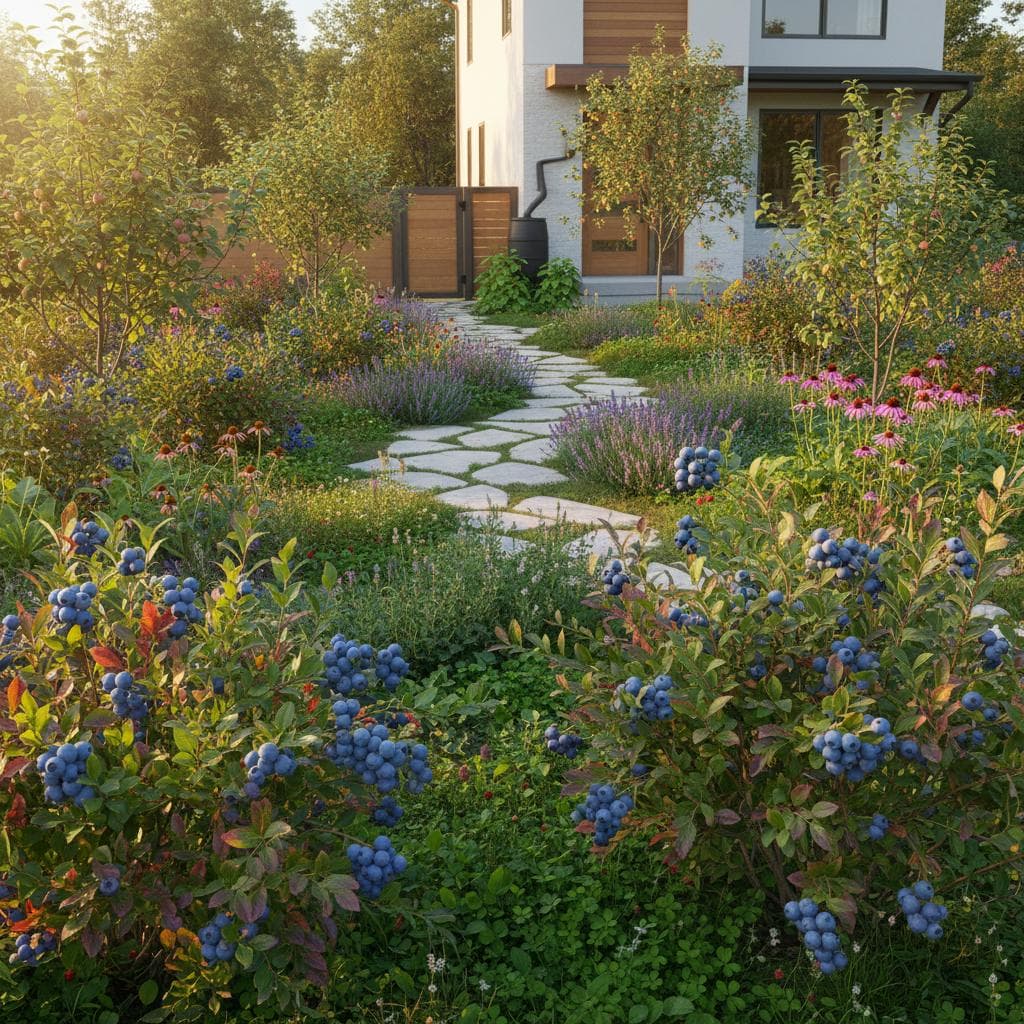
This inquiry propelled me into a world of educational videos on edible landscaping and articles about permaculture principles. Soon, I transformed half of my front lawn into a planting of blueberry bushes and dwarf fruit trees. My neighbors initially responded with intrigue, and some with doubt, but their interest grew as strawberries began to spread beneath the fence line, prompting inquiries about my methods.
The Rationale for Exchanging Grass for Edible Plants
Constructing the Layers of a Food Forest
A thriving food forest integrates several distinct strata, each fulfilling specific roles while interacting beneficially:
-
Canopy Layer (Tall Trees): These provide overarching structure, shade, and wind protection. In compact urban settings, select dwarf varieties of fruit trees like apples, pears, or plums, or nut producers such as hazelnuts. Plant them at least 10 to 15 feet apart to allow for mature growth, ensuring they receive full sun exposure for optimal fruiting.
-
Understory Layer (Shrubs): Mid-height plants occupy this level, offering berries and foliage. Blueberries thrive in acidic soil with a pH of 4.5 to 5.5; amend your soil with pine needles or sulfur if needed. Other options include currants, gooseberries, or serviceberries, spaced 4 to 6 feet apart to form natural hedges that define yard boundaries.
-
Ground Cover Layer (Herbs and Vegetables): Replace grass with low-growing edibles that suppress weeds and enrich the soil. Perennials like thyme, mint, or sorrel spread gently, while annuals such as lettuce, radishes, or bush beans provide quick harvests. Interplant these to create a living mulch that retains moisture and deters pests.
-
Climbing Layer (Vines): Utilize vertical space with vining plants that ascend structures. Grapes or kiwis on sturdy trellises add dimension and yield; train them along fences for privacy screening. Pole beans or peas offer nitrogen fixation, improving soil fertility for neighboring plants.
-
Root Layer (Underground Crops): Beneath the surface, cultivate tubers and bulbs. Potatoes in fabric pots prevent soil compaction, while garlic and onions naturally repel harmful insects. Rotate these annually to maintain soil health and avoid disease buildup.
When arranged with intention, these layers create symbiotic relationships. Fallen leaves decompose into nutrient-rich humus, pollinators facilitate cross-fertilization, and the system delivers a continuous supply of harvests directly accessible from your home.
Implementing the Approach in Staten Island
My project commenced modestly by converting a strip of lawn adjacent to the pathway into a herb garden featuring essentials for daily cooking, such as rosemary, basil, and parsley. Next, I introduced a dwarf fig tree, selected for its resonance with the Italian heritage of my local community and its compatibility with the sandy, coastal soils prevalent in the area. By the second growing season, honeybees frequented the blooming lavender patches, tomatoes ascended the porch trellis in orderly rows, and a profound satisfaction emerged, surpassing any achieved through pristine turf maintenance.
Challenges arose, of course. Squirrels claimed portions of the early peach crop, necessitating the installation of netting for future protection. Additionally, the expansive growth of zucchini varieties required more pruning than anticipated to prevent overshadowing smaller plants. These experiences, however, enhanced my knowledge and enjoyment. Adaptation occurs through observation, and the tangible outcomes, in the form of bountiful meals, far outweigh initial setbacks.
Steps to Establish Your Own Edible Yard
To embark on this journey, begin with a targeted area to minimize overwhelm. Assess your local climate zone using resources from your regional extension service; for instance, USDA zones 7 to 9 suit many berry crops in temperate regions. Select plants suited to your sun patterns and soil type, prioritizing low-water perennials if your schedule limits frequent attention.
Prepare the site by removing sod through sheet mulching: layer cardboard over grass, top with 4 to 6 inches of organic compost, and plant directly into it. This method smothers turf without tilling, preserving soil microbiology. Apply 2 to 3 inches of mulch, such as wood chips or straw, around new plantings to conserve moisture and suppress weeds. Water deeply but infrequently to encourage robust root development, and monitor for pests using organic controls like neem oil sprays.
Incorporate companion planting for resilience; for example, pair blueberries with azaleas, which share similar acid-loving preferences and provide year-round interest through foliage color changes. As your forest matures, thin overcrowded areas annually and amend soil with compost to sustain productivity.
Harvesting Benefits from a Productive Landscape
The true reward unfolds gradually. Gaze out your window to witness a space that pulses with life, offering generosity through its yields. Maintenance persists, yet it now accompanies the pleasure of gathering raspberries mid-task. This shift not only enriches your diet with nutrient-dense foods but also fosters environmental stewardship, reducing water usage by up to 50 percent compared to traditional lawns and enhancing local biodiversity. Embrace the process, and your yard becomes a legacy of sustainability and self-sufficiency.