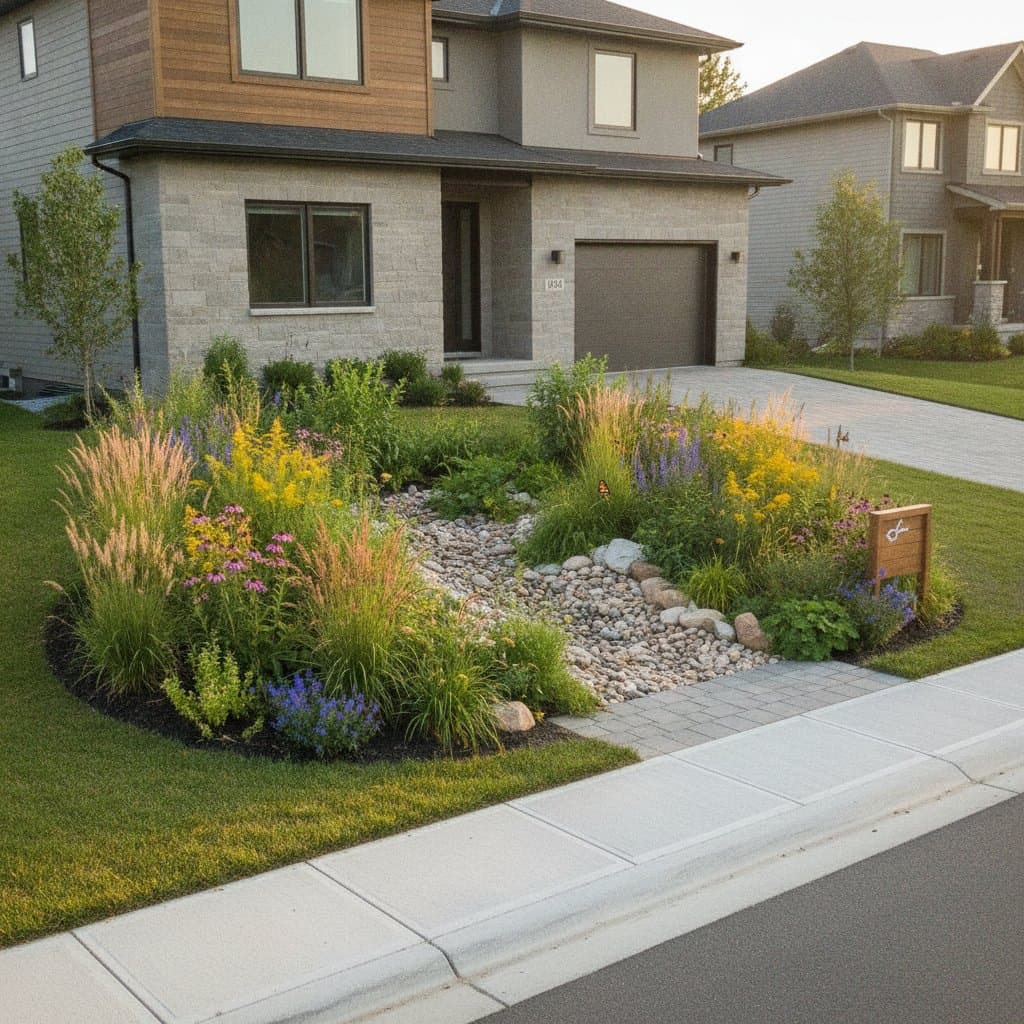
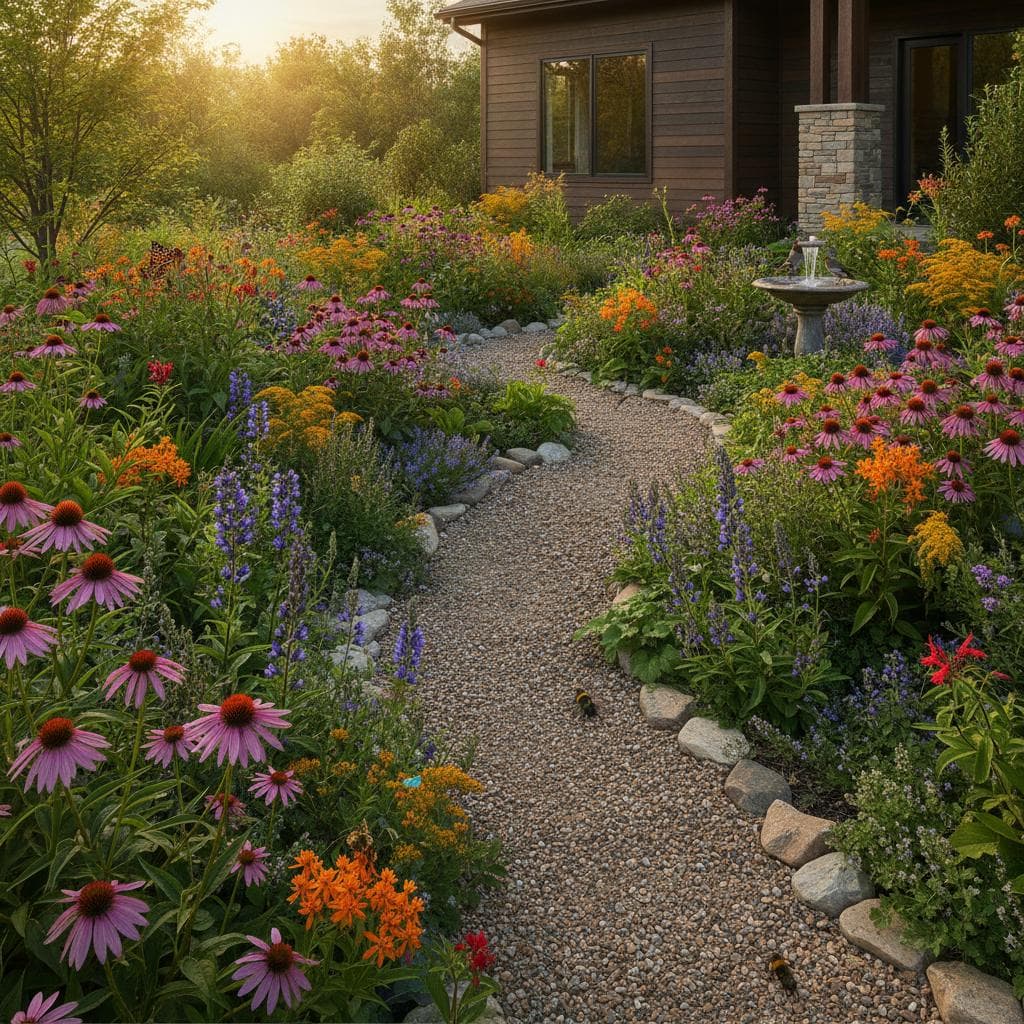
Gravel Gardens: Effortless Beauty in Drought-Prone Yards
Homeowners frequently dismiss alternatives to artificial turf or sparse cactus arrangements when confronting arid, uneven lawns. A gravel garden presents a harmonious option that delivers varied textures and hues with scant irrigation or trimming. Properly executed, this approach converts desolate spaces into sturdy landscapes that thrive where turf fails.
Landscape professionals craft harmonious and vibrant gravel gardens by thoughtfully combining soil, stones, and vegetation. Individuals can achieve comparable outcomes with meticulous preparation and consistent application. Drawing from over twenty years of guiding homeowners through arid yard transformations, experts note that established gravel gardens demand minimal ongoing attention.
Honest Assessment: What This Project Involves
Step-by-Step Process: Building a Gravel Garden That Lasts
1. Remove Existing Turf and Weeds
Start by eradicating all grass, root systems, and invasive plants. Utilize a flat-edged shovel to strip the surface layer, or secure a sod cutter rental for larger expanses. This essential, if tedious, step prevents future intrusions, as residual roots inevitably breach gravel coverings.
2. Grade and Level the Soil
Proper water movement underpins gravel garden viability. Employ a rake to create a subtle incline guiding moisture clear of buildings. Aim for a two percent slope, meaning a two-inch decline across every eight feet. Firm the ground lightly with a tamper to establish a solid base.
3. Improve Soil Structure
Plants adapted to dryness prefer sparse substrates, but heavy clay or dense zones benefit from amendments. Mix in compost or gritty sand to encourage root breathing. Integrating a three-inch layer into the upper six inches of earth generally provides adequate support.
4. Lay the Weed Barrier
This element separates successful gravel gardens from persistent labors. Choose durable, water-permeable landscape fabric designed for such uses. Avoid impermeable plastics, which trap humidity and damage root development. Secure overlaps of at least six inches with metal staples.
5. Define Edges and Pathways
Install border materials before adding gravel. Options like metal or synthetic strips halt stone spread into neighboring grass or routes. For trails, outline shapes using a flexible hose, adjust as needed, then finalize. Select smaller gravel particles for footpaths to ensure stability, reserving coarser types for planted sections to aid percolation.
6. Spread the Gravel
Apply the aggregate evenly to reach a three-inch thickness over the entire area. Level it smoothly using a rake to obscure the underlying fabric completely. In areas of frequent use, press the gravel gently with a tamper to limit movement. Stones with sharp edges bind together better than smooth ones, curbing unwanted shifts.
7. Plant Through the Gravel
Cut X-shaped openings in the fabric at designated spots. Dig pits slightly larger than the root masses and backfill with a mixture of local soil and gravel. Arrange specimens according to their full-grown spread, rather than present dimensions. Allow generous gaps to emphasize the tactile and visual qualities inherent to gravel designs.
8. Water Deeply, Then Sparingly
Drench the site completely after planting to settle the roots. Gradually extend intervals between waterings as vegetation establishes. Deliver occasional, thorough soakings to promote deep root penetration, resulting in stronger, more resilient growth.
Common Problems and How to Solve Them
Even thoughtfully planned gravel gardens face occasional hurdles. Prompt identification enables simple fixes.
Weeds Breaking Through Fabric:
Inadequate seam connections typically trigger this. Pull weeds by hand and restore gravel depth, or patch the fabric with extra overlapping sections.
Ponding Water After Rain:
Flawed slopes often account for accumulation. Identify depressions, remove the gravel, reshape the soil beneath, and replace the stones. Uniform inclination ensures effective drainage.
Plants Struggling to Establish:
Overwatering commonly plays a role. The gravel's quick drainage demands adaptation for roots. Cut back on moisture and confirm the soil below remains free of undue packing.
Gravel Migration into Lawns or Paths:
Strengthen boundaries with deeper anchors or introduce weightier stones in high-movement areas to resist relocation.
Pro Tips for Long-Term Success
Insights from extensive gravel garden projects highlight these reliable practices:
- Refresh the gravel periodically, every few years. Weather and activity gradually diminish the layer. Adding a light topcoat revives appearance and reinforces barriers against weeds.
- Trim plants regularly. Clean lines amplify the style of gravel gardens. Clip back overgrowth to sustain intended shapes.
- Avoid piling thick organic covers over stones. These hold excess wetness and attract insects. Limit bark mulch to narrow circles directly at plant stems for natural touches.
- Inspect after heavy weather. Sudden flows can displace material. Quickly reposition scattered gravel to prevent washouts.
- Keep borders sharp. Renew divisions between gravel and adjacent features once or twice yearly for a polished finish.
Implementing Your Gravel Garden Design
Gravel gardens emphasize synergy with the environment over fleeting ornamentation. They cultivate aesthetics that respect regional realities, sparing the struggle against inherent conditions. The early commitment of time frees individuals from constant hydration and cutting duties.
Experiment on a small patch if uncertainty lingers. Select a sunny nook or border area to start. Observing the low demands firsthand encourages expansion. Deliberate pacing and planning, over rushed actions, produce gravel gardens that persist for years.
Refinement unfolds over time, not at once. A carefully initiated area matures with the seasons, as plants develop, stones settle, and balance emerges naturally. No manufactured substitute matches this genuine evolution.
When tired of wilting grass and rising utility bills, grab a shovel, draft a plan, and begin the preparation. With thorough groundwork, the gravel garden shifts from a mere survival tactic to a symbol of sustained, undemanding grace.