Key Points
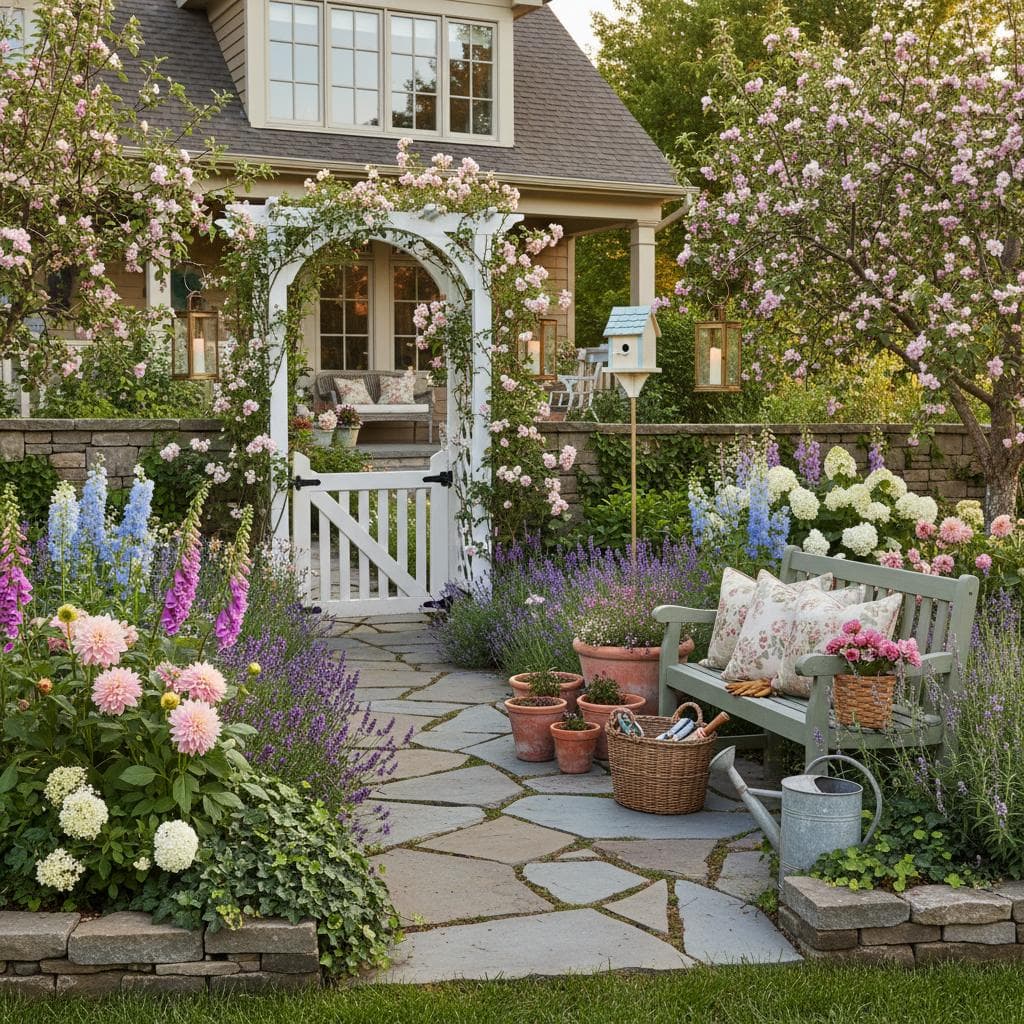
- Grandmillennial gardens revive nostalgic charm in front yards through classic flowers, heirloom plants, and timeless details that evoke earlier eras.
- Homeowners achieve this style affordably by selecting cost-effective plants, incorporating DIY elements, and utilizing repurposed materials.
- Thorough planning and soil preparation promote enduring beauty that persists across seasons.
- Prioritize safety during tasks involving stone, edging tools, or power equipment; wear protective gear and seek professional assistance for substantial structural projects.
Project Overview
Working Time: 1 to 3 weekends, based on yard size
Total Time: 2 to 4 weeks, accounting for planting and establishment
Skill Level: Intermediate
Estimated Cost: $250 to $1,500, varying with plant selections and material choices
When to DIY vs Hire
Homeowners typically manage planting, edging, and minor stonework independently, provided they exercise patience, apply correct methods, and gather essential tools. These activities build satisfaction through hands-on involvement. Begin with modest sections if gardening experience is limited; develop one or two beds initially, then scale up as skills improve.
Engage professionals for challenges like drainage corrections, retaining walls, or irrigation setups. These components demand adherence to safety codes and often specialized machinery. Professional input ensures durability and compliance, preventing costly errors.
Quality emerges from steady maintenance rather than hasty completion. Focus on gradual progress to cultivate a resilient garden.
Materials and Tools
Materials:
- Perennial flowers such as peonies for lush blooms, hydrangeas for voluminous clusters, and foxgloves for vertical accents
- Annuals including cosmos for airy height and zinnias for vibrant, low-maintenance color
- Mulch or pea gravel to suppress weeds and retain soil moisture
- Natural stone or brick edging to define borders with enduring elegance
- Vintage-style planters and trellises sourced from thrift stores or online marketplaces
- High-quality compost or organic soil conditioner to enrich planting areas
Tools:
- Spade for digging beds, hand trowel for precise planting, and garden rake for smoothing soil
- Wheelbarrow to transport soil, mulch, and plants efficiently
- Pruning shears for trimming and gloves for hand protection
- Level and string line to align edging accurately
- Watering can or hose equipped with an adjustable nozzle for controlled irrigation
Step-by-Step Process
1. Plan the Layout
Develop a detailed sketch prior to any digging. Grandmillennial designs frequently incorporate symmetrical beds, gentle curves in borders, and defined walkways that guide movement. Lay a garden hose along proposed curves to visualize shapes; adjust as needed for proportion and flow.
Consider sunlight patterns and existing features like trees or fences. This foresight prevents rework and optimizes plant health. Aim for a layout that frames the home entrance prominently.
2. Prepare the Soil
Robust soil underpins a thriving garden. Eliminate all weeds by hand or with a hoe, aerate compacted zones using a fork, and incorporate compost at a rate of two to three inches per bed. This process enhances nutrient availability, drainage, and microbial activity for sustained plant vitality.
Test soil pH if possible; most heirloom plants prefer slightly acidic to neutral conditions. Amend with lime or sulfur accordingly. Proper preparation minimizes future interventions and supports seasonal resilience.
3. Install Edging and Pathways
Position stone or brick edging before planting to establish clean lines. Excavate a shallow trench, place materials level with the ground, and backfill with soil for secure anchoring. Tamp down firmly to withstand foot traffic and weather.
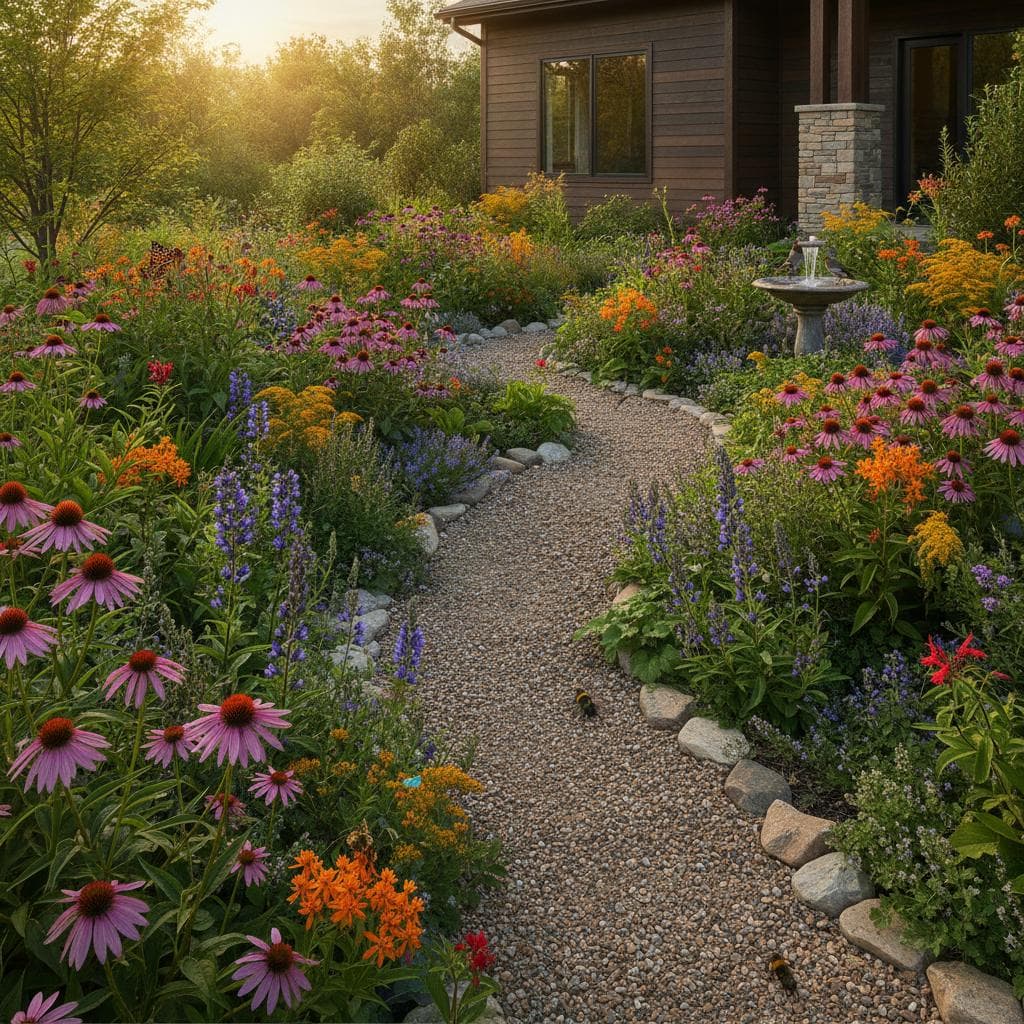
For pathways, spread pea gravel over a compacted base layer of sand, two inches thick, for drainage and vintage texture. Compact the surface to avoid shifting. These elements provide structure while complementing the soft plantings.
4. Plant in Layers
Arrange plants by height to create visual depth: position tall specimens like delphiniums or hollyhocks at the rear, mid-sized options such as salvia in the center, and low-growers or trailers like sweet alyssum along the edges. Space perennials 18 to 24 inches apart, depending on mature size, to allow air circulation.
Dig holes twice the width of root balls, place plants at soil level, and firm soil around roots. Water immediately to settle the ground. Layering replicates the organic evolution of heritage gardens, enhancing aesthetic appeal.
5. Add Nostalgic Details
Integrate elements such as wrought-iron trellises for climbing roses, antique birdbaths for focal interest, or patinated planters for container accents. Source reclaimed wood from local salvage yards to craft benches or arbors, applying a clear sealant for weather resistance.
Install a white picket fence section if space permits, securing posts in concrete footings for stability. These touches infuse personality without excess cost. Select items that harmonize with the home's architecture for cohesive charm.
6. Water and Mulch
Saturate newly planted areas deeply, aiming for the top six inches of soil to penetrate. Apply a two-inch layer of mulch around plants, keeping it away from stems to prevent rot. Organic options like shredded bark decompose beneficially, adding nutrients over time.
Establish a watering routine based on weather; check soil moisture two inches below the surface before adding more. Mulching conserves water and maintains a polished appearance.
Quality Control
Balance defines grandmillennial gardens; maintain even plant spacing to avert overcrowding and pest issues. Clear debris from pathways regularly to uphold crisp lines. After installation, walk the space to assess symmetry and make minor adjustments.
Monitor edging post-rainfall; reset any displaced stones promptly. Refresh mulch annually in spring to safeguard roots and refresh the palette. These habits ensure the garden matures elegantly, deepening in character yearly.
Maintenance and Long-Term Care
Sustain cottage-style gardens through routine tasks. Remove spent flowers weekly to promote continuous blooming and tidy growth. Prune perennials after their peak season, cutting back to healthy buds, and divide overgrown clusters every three to four years in fall.
Irrigate deeply once or twice weekly during dry spells, delivering one inch of water per session to foster strong root systems. Apply compost tea or balanced organic fertilizer at planting and mid-season for nutrient support, avoiding synthetic options that harm pollinators.
Address weeds manually by pulling from the base after rain softens soil; this method preserves ecosystem balance. Rotate tools to prevent soil compaction during upkeep. Consistent care yields a vibrant, low-effort landscape.
Cultivating Enduring Front Yard Appeal
Grandmillennial gardens restore the front yard as a hub of warmth and narrative. Each element, from layered blooms to subtle accents, weaves a tale of continuity between past and present. Homeowners gain not only visual delight but also a nurturing outdoor retreat.
Approach the project with deliberate steps and ongoing attention. The result is a personalized haven that elevates property value and daily enjoyment. Through this blend of tradition and technique, landscapes become living testaments to thoughtful stewardship.