Key Points
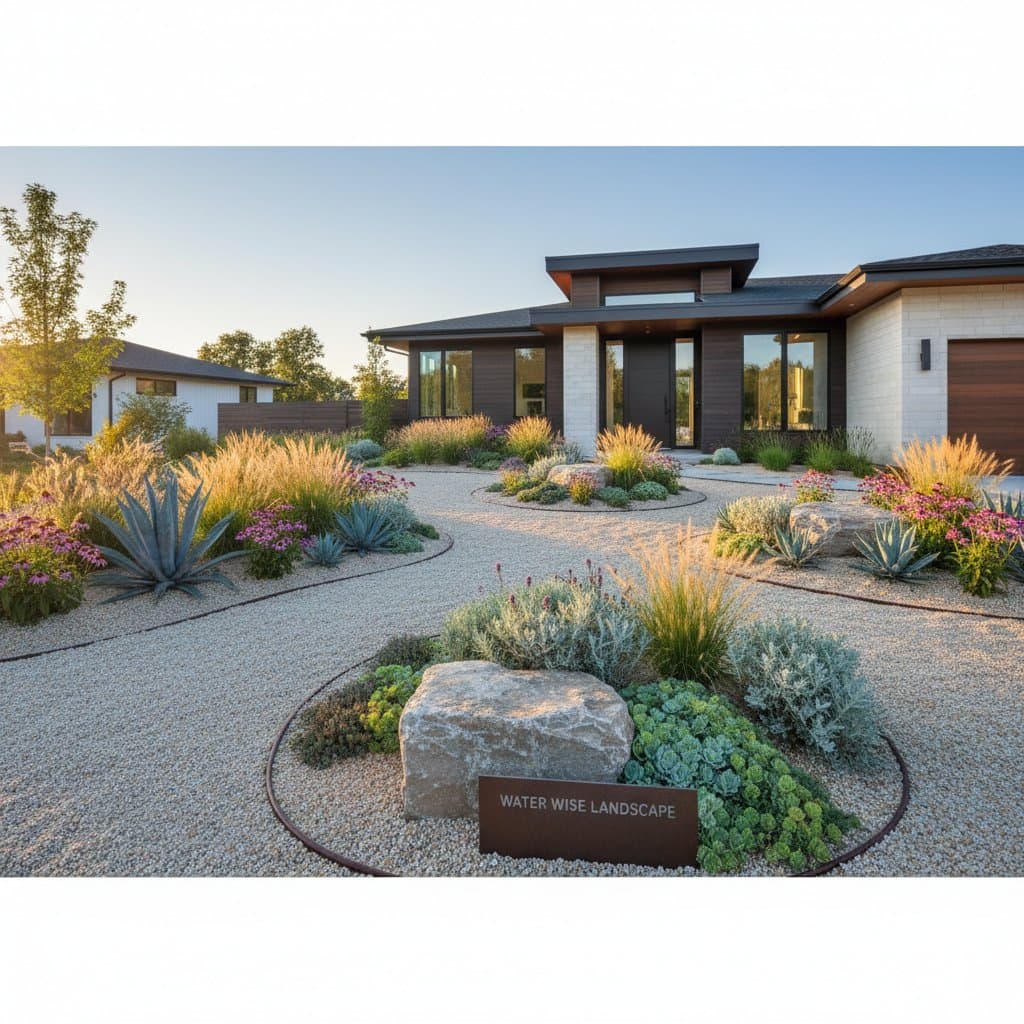
- Gravel gardens demand only a small portion of the water that traditional lawns require, suiting areas where water expenses rise steadily.
- They blend visual charm with reduced care needs, resistance to dry spells, and positive environmental impacts.
- Thorough site evaluation, soil enhancement, and suitable plant choices guarantee enduring results.
- Property owners lower watering needs substantially while upholding attractiveness and species variety.
- Setup expenses for a gravel garden usually balance out in several growing seasons via savings on water and care.
Technical Background
Standard lawns rely on regular watering to sustain their green hue and thickness. Turfgrasses feature roots close to the surface that lose moisture rapidly, which prompts frequent irrigation. As city water prices increase, upholding a vibrant lawn turns expensive and harms the environment.
Site Assessment
Prior to converting a lawn to gravel features, examine the location thoroughly. Note sun patterns, prevailing winds, and how water moves post-rain. Spot zones that hold moisture, as standing water harms dry-adapted plants.
Conduct an easy drainage check: Excavate a one-foot-deep hole and add water. Full drainage in hours indicates compatible soil. If drainage lags, blend in sand or fine rock to boost air flow.
Review current plants as well. Clear all sod and aggressive roots to stop regrowth under gravel. Factor in terrain incline, since slopes risk stone shift in downpours. Use border stones or short walls to secure gravel on such sites.
Planning Phase
Tools and Materials
- Shovel and metal rake
- Wheelbarrow for hauling supplies
- Permeable landscape fabric to deter weeds
- Crushed or ornamental gravel in sizes from 0.25 to 0.75 inch
- Compost or natural soil enricher
- Dry-climate plants including lavender, sedum, yarrow, and decorative grasses
- Hose for initial watering during rooting
- Border options such as bricks, tiles, or metal strips
Site Preparation and Safety
Call utility providers before digging to locate buried lines. Don gloves, eye protection, and firm footwear when working with stones. Outline edges with stakes and cord to map routes, planting areas, and highlights.
Cut sod into pieces and remove with a spade. Recycle or compost clean sections. Till the upper six inches of earth and incorporate compost for better texture and fertility. Level the ground, then install fabric to hinder weeds yet permit water passage.
Budget and Timing
Gravel setups cost less over time than lawns, though initial outlay exists. Buy gravel per cubic yard and plants in units or trays. Select seasons with temperate weather and even rain to ease plant adjustment.
Implementation
Step 1: Lay the Foundation
Apply a two-inch coat of rough gravel or broken stone over the site. This underlayer aids drainage and firms the ground. Press it down with a tamper or shovel flat side for solidity.
Step 2: Place Plants with Purpose
Set potted plants in position to test arrangement and proportions. Cluster types needing alike moisture. Position tall varieties in central or rear spots, low ones along edges or trails. Dig pits twice the root width but matching depth. Insert plants, refill with earth, and firm to eliminate voids.
Step 3: Apply Mulch Layer
Scatter two to three inches of appealing gravel atop, leaving space near stems to avoid decay. Smooth with a rake for evenness. Ensure full soil coverage while keeping openness for precipitation.
Step 4: Irrigate and Observe
Saturate the area post-setup to settle roots. In early weeks, moisten when the surface inch dries. Taper off as growth strengthens to promote extensive roots.
Step 5: Secure Borders and Paths
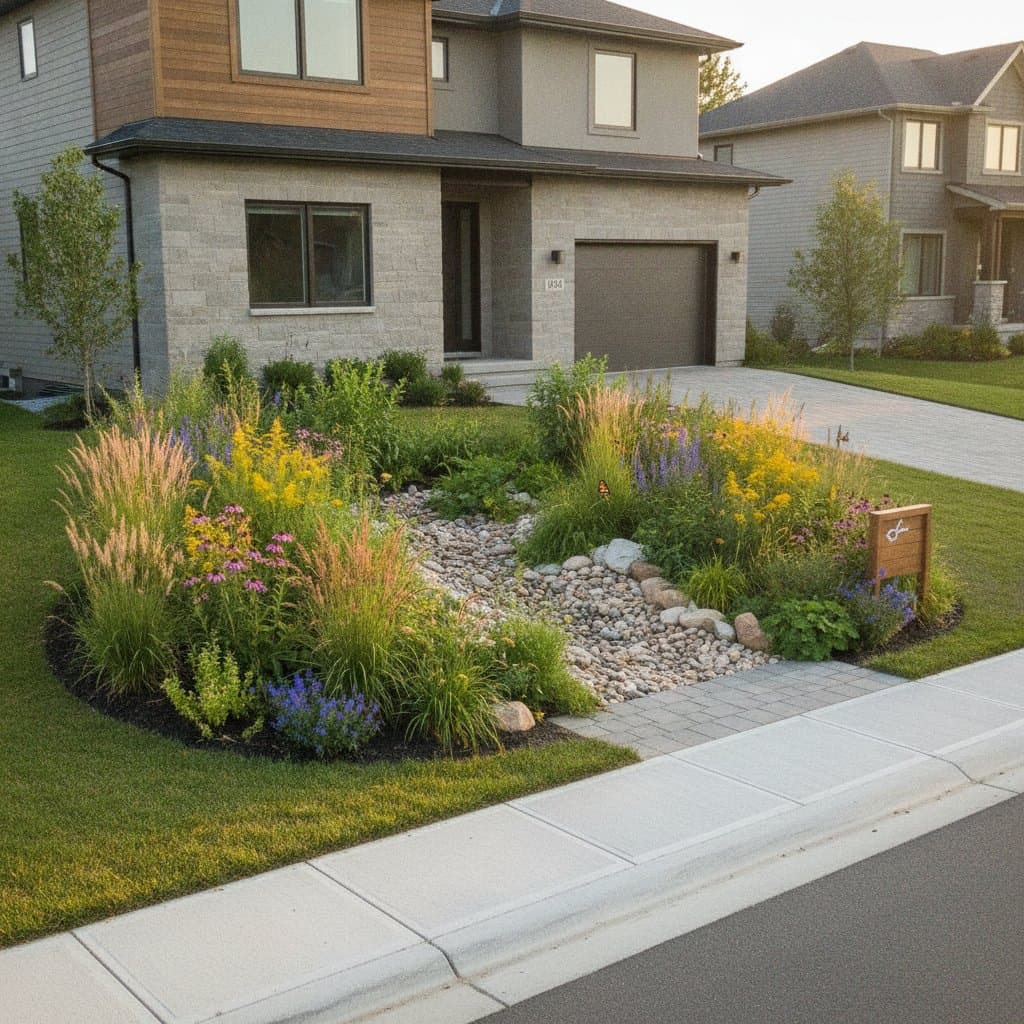
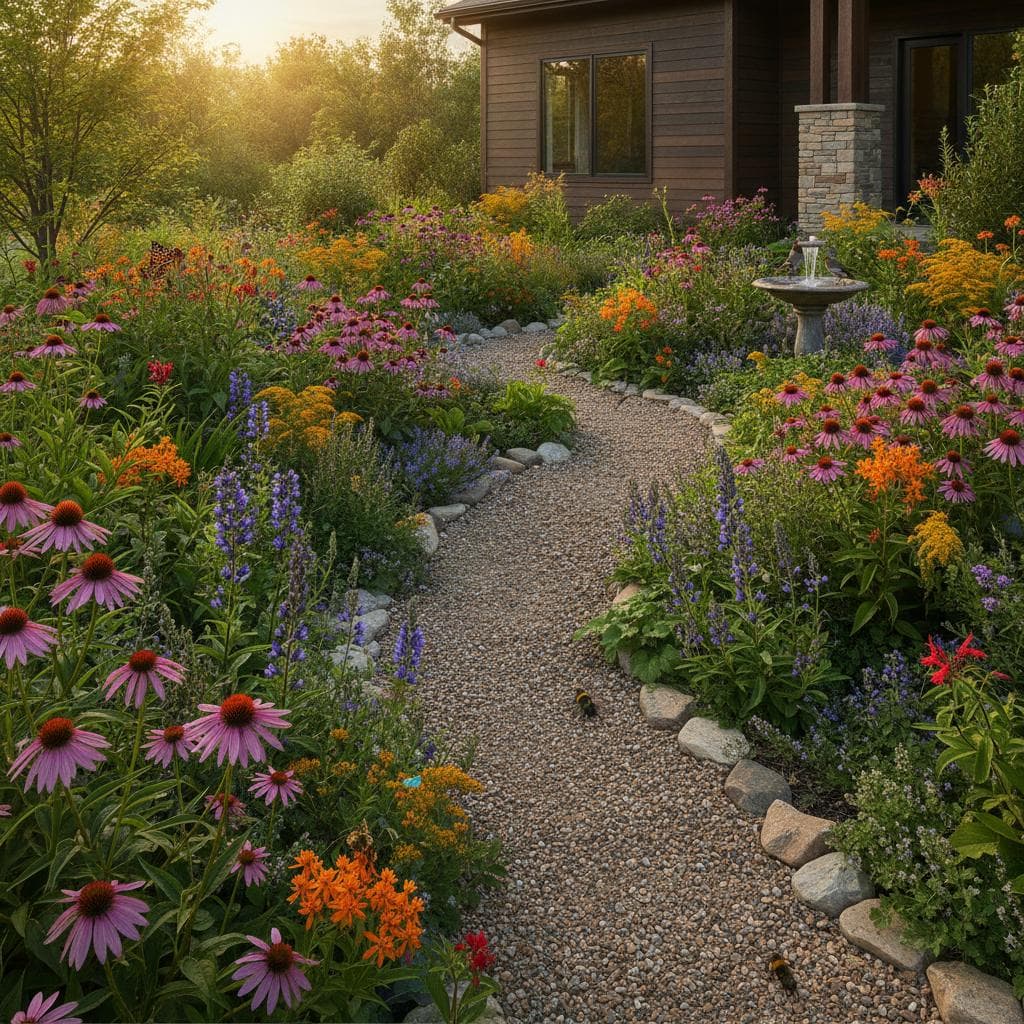
Fit edging at perimeters to divide gravel from remaining grass or beds. Add varied stone shades or flat rocks for trails. These elements boost looks and limit material spread.
Quality Assurance
Examine the gravel regularly for dips or visible fabric. Supplement where thin to keep evenness. Review plants each month for foliage tone, fresh shoots, and blooms.
Weeds stay rare with correct barriers and layers. Pull strays quickly to block rooting. Refresh gravel periodically to hold volume and style.
If rain pools appear, check for over-packed base or heavy soil. Aerate spots and add rough sand to improve flow.
Maintenance
Gravel gardens need little ongoing work compared to lawns, yet routine checks maintain appeal. Clear debris like leaves to avoid weed harbors. Prune perennials once or twice yearly for vigor.
Use targeted systems like drippers or hoses for added water, focusing on roots. Needs stay low, but annual compost layer restores elements.
Weather compacts gravel naturally. Gentle raking revives surface and curbs mold.
Environmental and Financial Benefits
Water savings define gravel gardens' value. Many reduce yard watering by over fifty percent after turf removal. This cuts bills noticeably.
Broader gains include drawing pollinators via blooms. They skip gas mowers, lowering sound and pollution.
Long-view costs support gravel choices. Planning upfront pays via fewer hours and tools.
Pro Tips for Success
- Build Layers Wisely: Place crushed stone below surface gravel for better flow.
- Choose Regional Varieties: Local plants adjust readily with minimal intervention.
- Reinforce Limits: Metal or brick borders halt gravel into nearby zones.
- Accommodate Use: Firm paths serve as usable routes when outlined.
- Track Ground Balance: Check pH periodically; amend with lime or sulfur.
- Vary Elements: Mix gravel hues and feels for dimension.
Achieving Lasting Landscapes
Shifting to gravel gardens saves water and sparks creativity. Through detailed review, structured steps, and consistent care, property owners craft durable, attractive spaces for arid settings.
As rates for water grow, these gardens mark a practical evolution in home grounds. Natural elements, resilient flora, and smart watering yield vibrant, economical, and green areas for the long term.