Gravel Gardens Outperform Traditional Lawns in Water Conservation
During a particularly dry summer in London, the sight of our wilting grass patch prompted a reevaluation of our garden routine. Balancing work demands, childcare for two young children, and frequent watering sessions revealed the inefficiency of maintaining a traditional lawn. This realization sparked an exploration of sustainable alternatives, culminating in the creation of a gravel garden that transformed our outdoor space into a low-effort haven.
Relocating across diverse environments, from compact New York apartments to a rustic French farmhouse and now a Cotswolds cottage, highlighted regional approaches to drought and climate variability. One recurring insight emerged: aesthetic appeal need not rely on intensive irrigation or upkeep. Gravel gardens, originally associated with Mediterranean landscapes, now appeal worldwide to those prioritizing environmental sustainability alongside visual elegance.
The Impracticality of Conventional Lawns
Selecting Drought-Tolerant Plants for Lasting Appeal
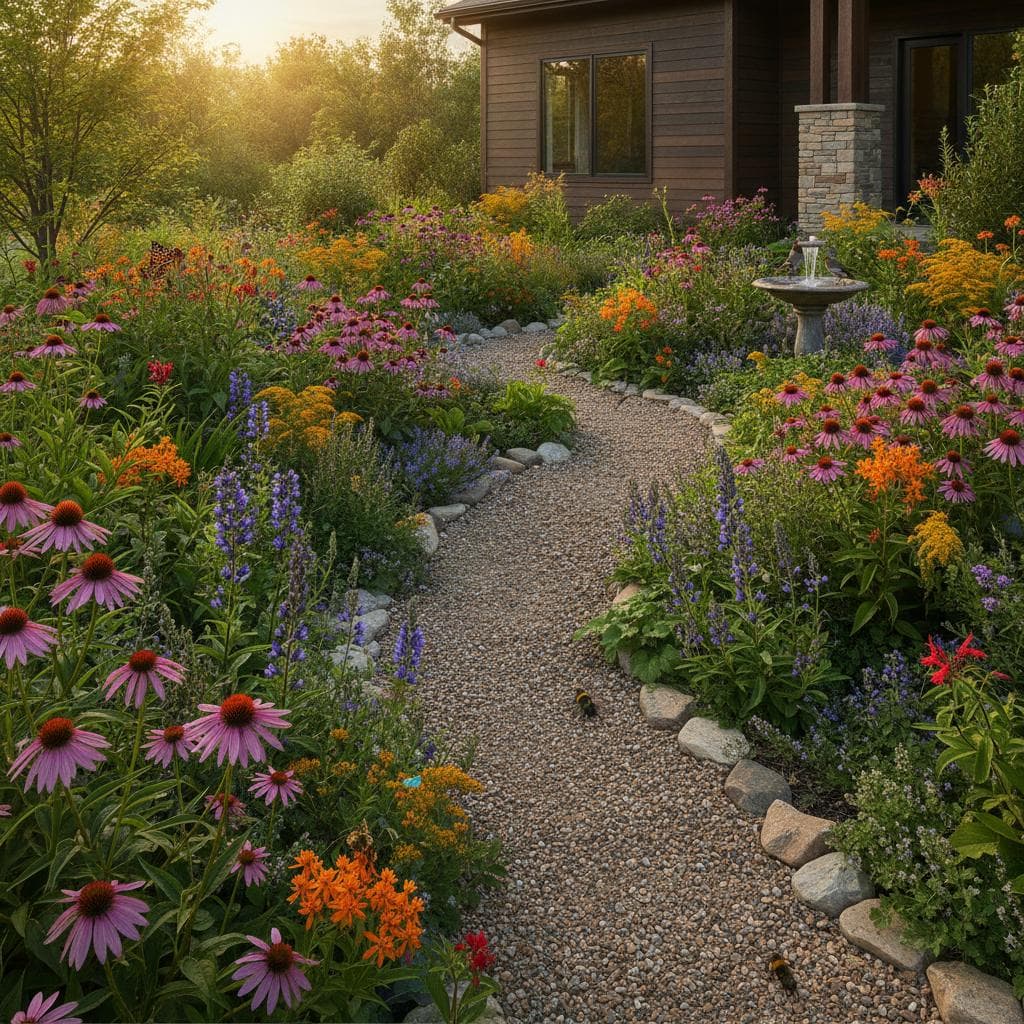
The vitality of a gravel garden hinges on choosing flora suited to arid conditions and lean soils. Mediterranean staples such as lavender, rosemary, and thyme excel due to their aromatic foliage, pollinator attraction, and affinity for intense sunlight. Ornamental grasses like Stipa tenuissima or Festuca glauca introduce dynamic sway and subtle contrast to the gravel's uniformity.
Succulents, sedums, and agaves offer bold, architectural forms, while resilient perennials including echinacea, salvia, and verbena provide seasonal bursts of color. For a wilder aesthetic, incorporate regional wildflowers alongside native shrubs. In our own installation, a curated selection of these plants achieved full coverage without overcrowding, fostering a balanced and evolving display.
Drawing from International Gravel Garden Traditions
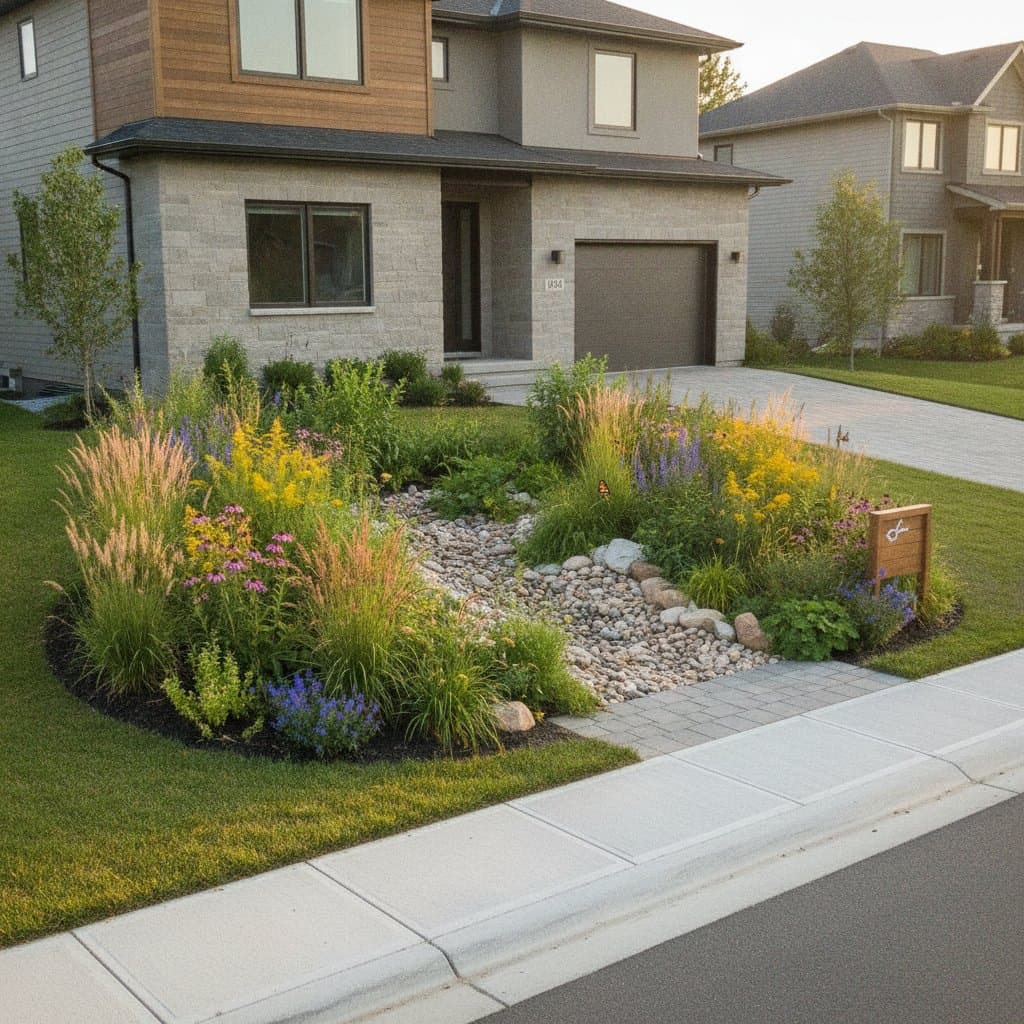
Travels through various locales reveal unique adaptations of gravel-based landscaping. In Provence, gravel borders accentuate orderly lavender fields and venerable olive groves, evoking timeless serenity. London townhouses employ gravel to amplify the perceived scale of confined yards, fostering openness in tight quarters.
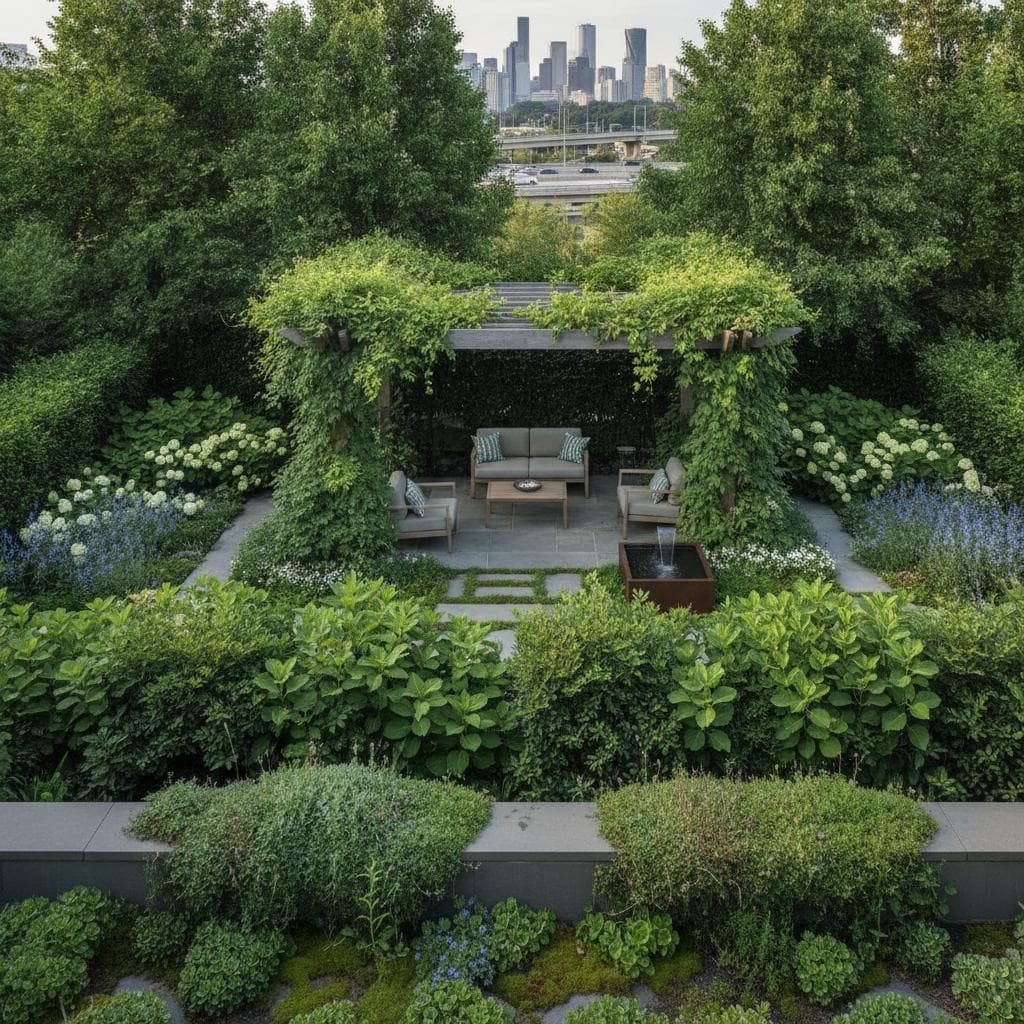
New York professionals merge gravel with elevated beds and seating to craft vibrant, undemanding micro-parks. Japanese zen gardens influence many designs, utilizing gravel to evoke tranquil expanses through minimalist raking patterns. Collectively, these examples underscore gravel's role as a versatile medium that harmonizes functionality with the surrounding terrain.
Advantages for Household Use and Play
Gravel gardens accommodate active family life with ease. The surface withstands play without forming puddles or ruts after showers. Pet owners appreciate the resistance to wear, eliminating bare patches and soiled tracks.
Our family's conversion from turf to gravel prompted the children to explore the area as a living classroom, observing insects and small wildlife amid the plantings. Upkeep simplifies to occasional smoothing with a rake, freeing weekends for relaxation rather than chores. This efficiency proves invaluable for time-strapped caregivers.
Evolving Harmony in Your Gravel Garden
Over seasons, a gravel garden matures into a cohesive, effortless composition. As vegetation expands and stones integrate, the area gains an organic cadence of form and shade. Textural variations and chromatic shifts with the weather, coupled with the satisfying sound of gravel underfoot, enrich the sensory experience.
Should the verdant density of grass be missed, supplement with containerized greenery or modest groundcover islands amid the stones. Such adaptability ensures sustained water efficiency alongside customizable charm, yielding long-term satisfaction for any household.