Gravel Gardens: 2025's Low-Maintenance Lawn Revolution
Traditional lawns demand extensive care, including frequent mowing, fertilization, and irrigation, which strain resources and schedules. Homeowners increasingly seek alternatives that balance aesthetics with practicality. Gravel gardens fulfill this need by substituting grass with durable stone surfaces enhanced by resilient vegetation, resulting in landscapes that require minimal intervention while providing year-round appeal.
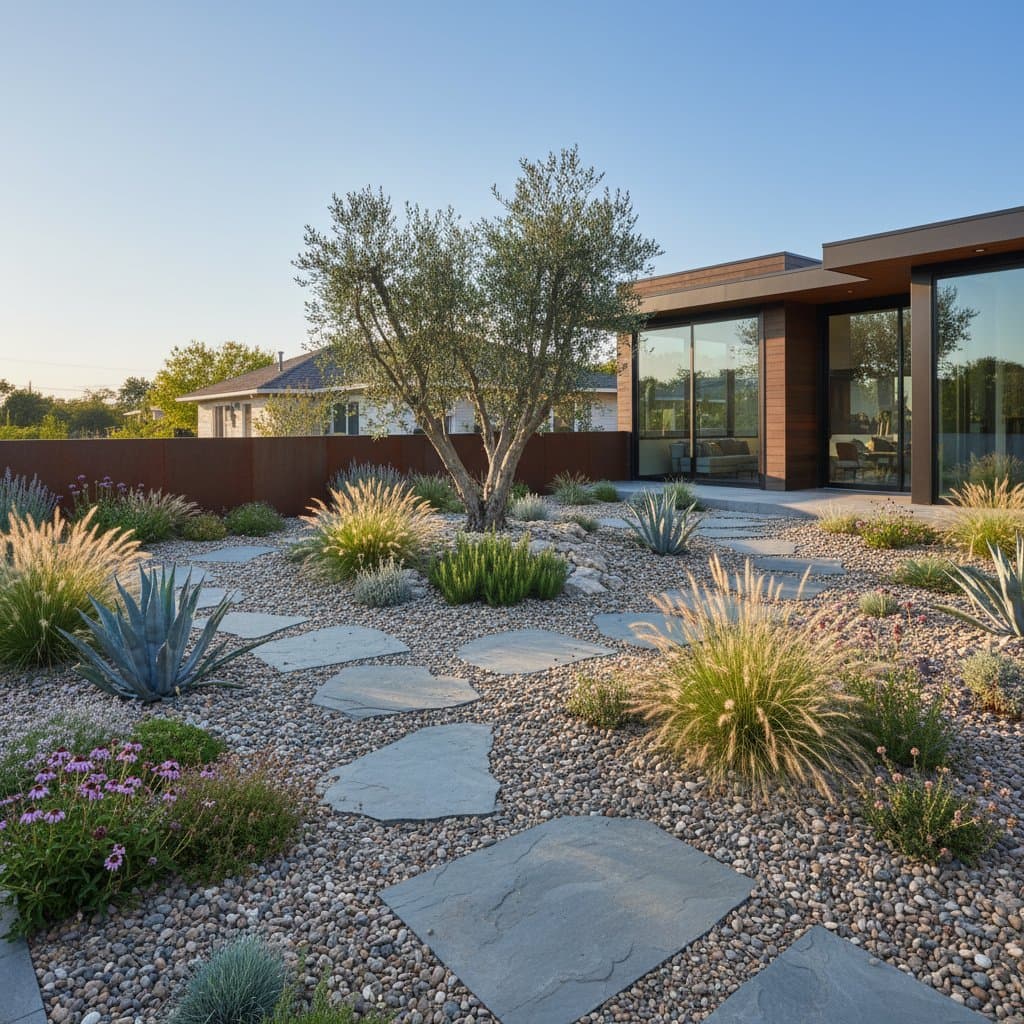
These designs incorporate decorative gravel to form textured foundations suitable for diverse climates. Paired with drought-resistant plants, they maintain vitality without ongoing demands. Landscape designer Carla Reyes of Studio Verde notes, "The beauty of a gravel garden is that it gives structure all year without needing constant attention. It’s a living design that keeps improving over time."
Reasons Gravel Gardens Are Rising in Popularity
Developing a Solid Design Plan
Successful gravel gardens arise from deliberate preparation. Evaluate the yard's size and determine conversion scope, whether a complete overhaul or targeted zones like borders and entryways. This approach maximizes impact while managing effort.
Map the site to identify drainage patterns, sunlight exposure, and usage habits. Integrate open gravel expanses with clustered plantings and defined pathways to guide movement. Prioritize stable surfaces in high-use areas to support furniture or foot traffic.
Soil preparation forms the foundation. Excavate existing grass to a depth of four to six inches, till the subsoil for aeration, and incorporate two inches of coarse sand or gravel base. This layer promotes percolation, averting root damage from excess moisture.
Selecting Appropriate Gravel Types
Gravel selection influences both function and style. Opt for angular stones in sizes from one-quarter to one-half inch to ensure stability and effective weed barrier performance. Rounded varieties suit softer aesthetics but may shift under pressure.
Pea gravel, with its smooth, small pebbles, provides barefoot-friendly paths and patio extensions. Crushed granite offers a contemporary edge, locking together on inclines for durability. Match tones to architectural elements: earthy buffs evoke rustic charm, while cool grays align with minimalist facades.
For expansive projects, request material samples to assess under natural light conditions. Bulk purchases from regional suppliers reduce costs and support local sourcing.
Integrating Plants for Depth and Durability
Plants elevate gravel gardens beyond mere stone displays, introducing organic elements. Select species adapted to dry conditions, such as lavender for fragrance, sedum for ground cover, rosemary for evergreen structure, and feather reed grass for vertical interest. These choices anchor the surface and evolve seasonally.
Designer Maya Chen from Habitat Studio advises, "Clusters of three or five feel balanced but slightly imperfect, which keeps the garden from looking too staged." Vary plant forms: position upright specimens like yucca at the rear and trailing options like catmint along edges.
Plant by excavating holes one and a half times the root ball width, then amend backfill with equal parts soil and gravel. Initial deep watering establishes roots; transition to biweekly sessions as plants adapt, adjusting for regional rainfall.
Leveraging Contrast for Visual Impact
Contrast defines compelling gravel compositions. Juxtapose stone's coarseness against fine-textured leaves, such as silvery artemisia beside robust agave or vibrant echinacea. Shape variations add dynamism: polished river rocks soften edges, whereas jagged basalt introduces tension.
Align designs with home styles. Modern structures favor geometric patterns and monochromatic schemes for harmony. Classic residences accommodate flowing layouts with mixed botanicals. Install borders from corten steel for sleek containment or reclaimed wood for warmth, delineating zones effectively.
Implementing Effective Maintenance Routines
Gravel gardens minimize labor yet benefit from routine attention. Rake surfaces biweekly to redistribute stones and clear organic debris. Employ a leaf blower at minimal power for autumn cleanup, preserving arrangement integrity.
Install landscape fabric under gravel to inhibit weed emergence, though manual removal suffices for stragglers. Mature plantings demand infrequent hydration; deliver one-inch equivalents every two weeks in arid spells. Avoid over-fertilization, as lean conditions promote robust growth in adapted species.
Replenish gravel annually in worn areas, applying a one-inch layer to sustain uniformity. These practices ensure longevity without overwhelming commitment.
Cost-Effective Transformation Strategies
Budget-conscious conversions begin modestly, targeting visible sections like driveways or lounging pads. Bulk gravel acquisitions yield savings of up to 40 percent over bagged options; compare quotes from nearby aggregates.
Incorporate recycled elements: repurpose pavers as accents or integrate native stones for authenticity. Phase plant additions, starting with foundational perennials and expanding with bulbs for seasonal pops.
Personalizing the Space for Comfort
Infuse gravel gardens with individual touches to enhance livability. Position terracotta pots with trailing ivy or install solar lanterns along paths for evening ambiance. A compact fountain introduces subtle sound, masking urban noise.
Designate seating on compacted gravel bases, pairing Adirondack chairs with side tables for al fresco moments. The tactile gravel response and plant whispers cultivate an inviting sanctuary.
Sustaining Beauty Through Seasons
Gravel gardens harmonize utility and allure, delivering resilient textures and hues. Spring blooms yield to summer silhouettes, autumn seeds, and winter frameworks, each phase unveiling fresh nuances.
With intentional setup and light oversight, these landscapes endure as cherished extensions of home, rewarding with enduring serenity.