Gravel Gardens: The 2025 Revolution in Low-Maintenance Landscaping
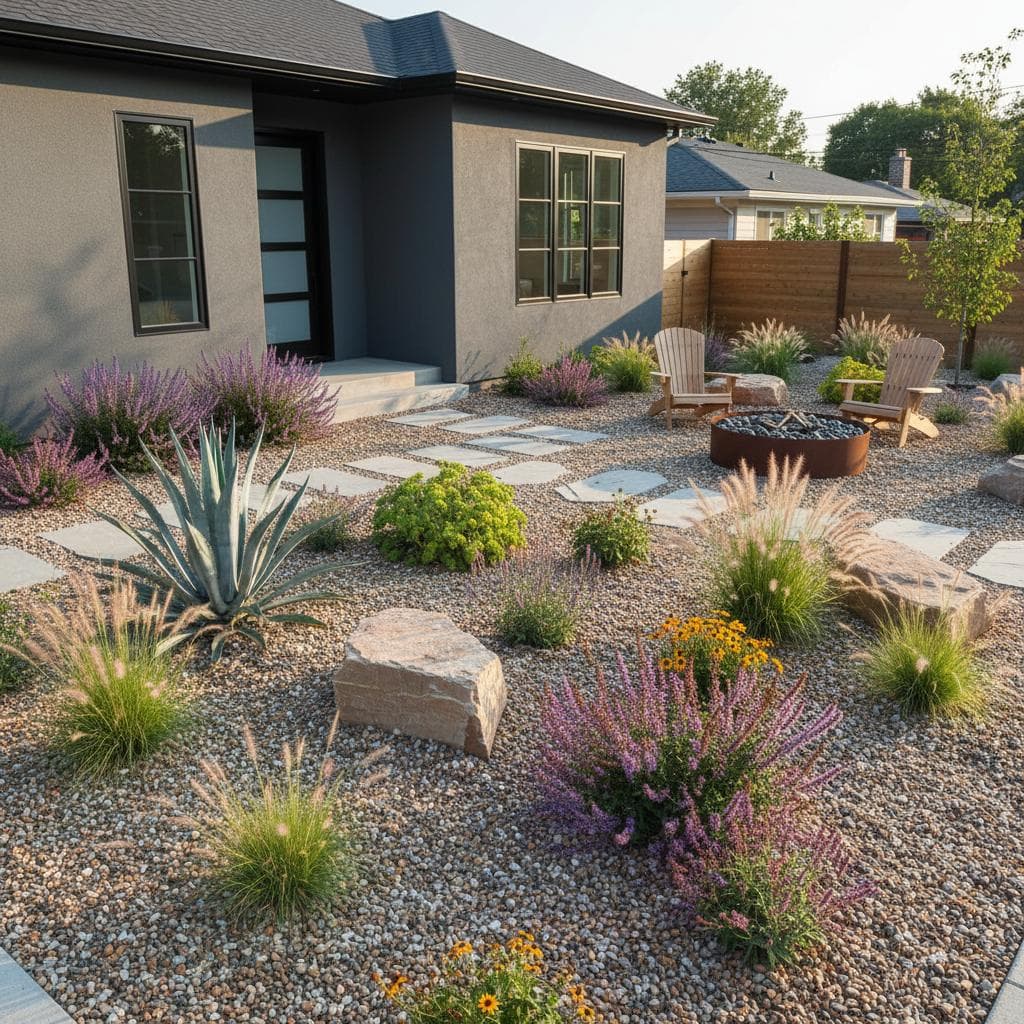
Envision a front yard that captures sunlight with an array of silvery stones resembling scattered jewels. Drought-tolerant plants emerge between the pebbles, while butterflies move gracefully from bloom to bloom, all without a single blade of thirsty grass. This scene represents the evolving essence of modern landscaping, influencing how homeowners approach yard design. Gravel gardens have transitioned from arid concepts or stark minimalism to practical choices that combine visual appeal, durability, and straightforward care.
The Rising Appeal of Gravel Gardens
Traditional lawns embody suburban ideals, yet escalating water limits and the fatigue of constant mowing, fertilizing, and reseeding prompt a shift. Gravel gardens emerge as refined alternatives, delivering sophisticated textures that appear both elegant and organic. Homeowners avoid irrigation systems, persistent weed struggles, and remorse over high water consumption.
Understanding the Structure of a Gravel Garden
Consider layers that build depth and harmony. The foundation consists of sand and soil blended for optimal drainage. A layer of gravel in hues like ivory, slate, or earthy brown forms the primary surface. Drought-resistant plants then ascend like artistic forms amid the stones, such as lavender, sedum, ornamental grasses, and rosemary. These elements contribute motion, fragrance, and vibrancy that complement the gravel's subdued palette.
Contrast defines the appeal. The gravel's firm texture highlights the delicacy of feathery grasses or the striking forms of succulents. Strategic placement of sizable rocks or aged logs establishes stability and continuity. Footsteps on the gravel produce a subtle crunch, enhancing mindfulness during routine paths to the entrance.
Steps to Create Your Gravel Garden
Assembling a gravel garden proves more accessible than anticipated, often without costly tools. Follow this detailed sequence to begin:
-
Prepare the area. Eliminate current turf and weeds. Employ a layer of cardboard or a natural weed suppressor to prevent resurgence, avoiding synthetic chemicals.
-
Contour the ground. Incorporate modest elevations or slight depressions for dynamic visuals. Such variations promote drainage and impart a sculpted quality.
-
Establish the base. Incorporate a combination of sand and compost to facilitate drainage alongside nutrient support. Press it down gently to secure the overlying gravel.
-
Apply the gravel layer. Select stone dimensions and shades that suit the vision. Fine pea gravel offers a gentle feel, whereas coarser crushed varieties convey structure. Distribute evenly to a depth of two to three inches.
-
Incorporate plants thoughtfully. Opt for varieties adapted to arid settings. Examples include Mediterranean herbs, yarrow, coneflowers, and ornamental grasses. Arrange in clusters of odd counts for organic flow, and use trailing groundcovers to fill spaces.
-
Manage watering effectively. Provide deep hydration to newly planted specimens for root development, then reduce frequency. Established plants demand infrequent attention.
-
Enhance with accents. Introduce container plants, a basic seat, or light-emitting fixtures to foster tranquility, preserving the design's essential restraint.
Ecological Advantages and Chemical-Free Appeal
Gravel gardens achieve harmony between form and function. Absent fertilizers or pesticides, the underlying soil sustains vital microorganisms. The gravel holds heat to stimulate roots, while its dryness deters pests drawn to moist turf. Selection of indigenous or resilient plants attracts bees and butterflies, diminishing overall ecological impact.
Upkeep assumes a contemplative quality over labor. Periodic raking restores gravel patterns and averts settling. Manual extraction of occasional weeds maintains order. This approach suits those who value aesthetics through effortless stewardship.
Versatile Design Concepts for Any Area
Gravel gardens adapt seamlessly to diverse settings. Transform a compact courtyard into a tranquil haven using rounded river stones paired with select architectural plants. In expansive areas, design meandering paths lined with native blooms. Even city balconies can adopt the style via gravel pots and resilient succulents.
Hue influences the ambiance significantly. Light gravel illuminates dim spots and glows softly in twilight. Deeper shades like charcoal or brown generate bold contrasts with pale leaves. Combining smooth pebbles and jagged crushed stone builds dimension.
For innovation, weave in repurposed items. Patterns from fragmented terracotta or vintage bricks infuse coziness. Elements like beach wood, patinated metal, or upcycled glass fragments offer bespoke flair.
Professional Perspectives on Durability
Landscaping specialists view gravel gardens as enduring artworks. They develop organically over time, with plants expanding and stones integrating. Success hinges on initial foresight: select robust species matching regional climates, ensure drainage, and renew gravel periodically for uniformity.
Observation across seasons uncovers evolving nuances. Variations in sunlight highlight fresh shades in stones and greenery. Initial simplicity often blossoms into a vibrant, layered habitat rich in form, palette, and subtle activity.
Integrating Gravel Gardens into Daily Life
After rooting, a gravel garden integrates into daily life as a seamless extension rather than an obligation. It encourages unhurried paces, where care remains light and pleasure persists. Savor morning beverages on a stone terrace, sense evening winds through swaying grasses, or note the gravel's sound underfoot as anchors of composure.
This landscaping choice fulfills the pursuit of elegance and utility. It preserves water, lightens tasks, and elevates modest spaces into resilient sanctuaries.