Key Benefits of Gravel Gardens
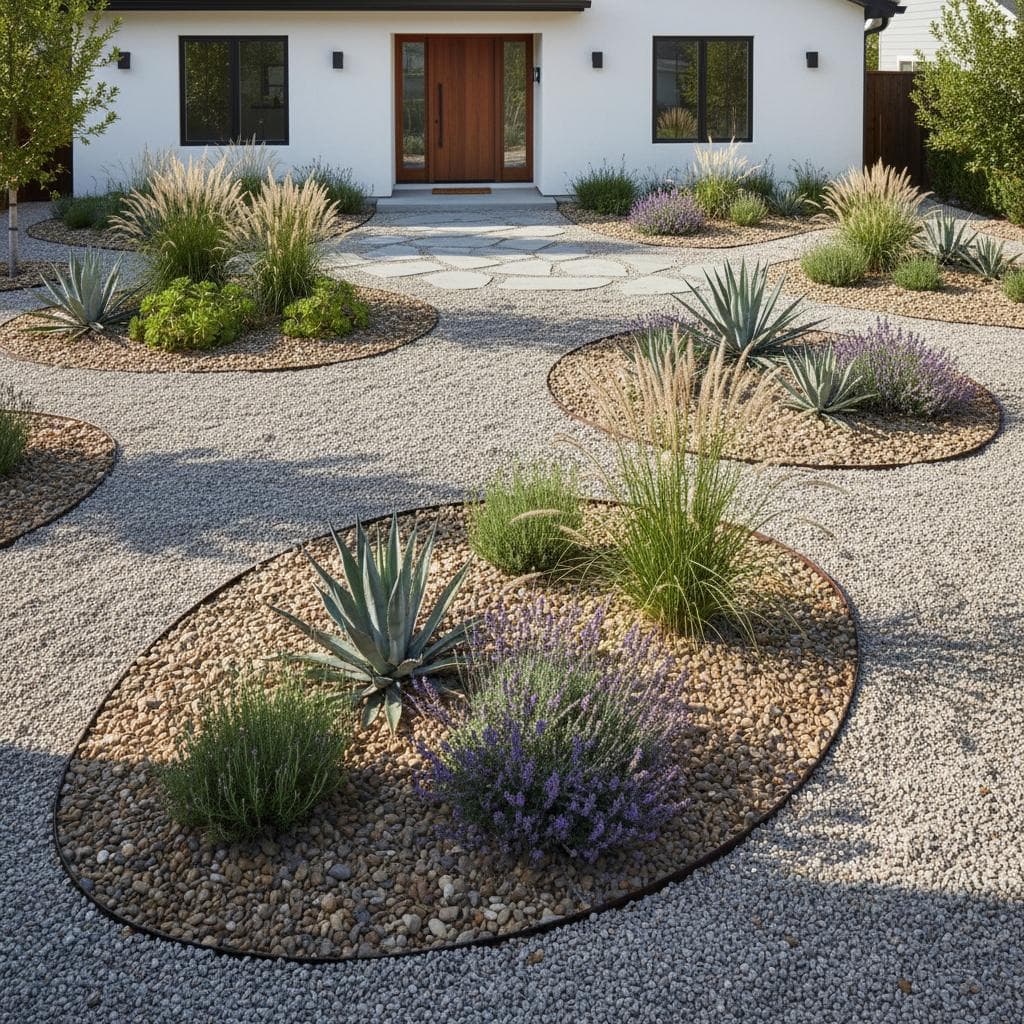
Gravel gardens offer a practical alternative to water-hungry lawns and high-maintenance plantings. These designs emphasize drought tolerance and simplicity, using gravel as a base to support plants adapted to dry environments. Homeowners gain substantial savings on water and labor while achieving a contemporary look that suits diverse climates.
The system integrates well-draining materials with resilient vegetation to form a self-sustaining landscape. Rainwater infiltrates quickly, reducing runoff and irrigation needs. Over time, this setup lowers utility costs and environmental impact without sacrificing aesthetic quality.
How Gravel Gardens Work
Gravel gardens operate on principles of hydrology and soil dynamics. Unlike lawns that demand constant moisture and fertile soil for shallow roots, these gardens promote deep-rooted plants in low-water conditions. The gravel serves multiple roles: it mulches to curb evaporation, reflects heat to cool the soil, and facilitates drainage to prevent waterlogging.
Evaluating Your Site
Assess your yard thoroughly before starting a gravel garden project. Focus on soil drainage, sunlight levels, and current plant cover. These gardens excel in full sun with soils that drain at a moderate rate; heavy clay requires amendments to succeed.
Conduct a simple drainage test to gauge suitability. Excavate a hole one foot deep, fill it with water, and observe. If the water recedes in under an hour, proceed confidently; prolonged pooling signals the need for enhancements like a gravel sub-base or elevated beds.
Clear all existing plants to eliminate competition for scarce moisture. Remove sod, weeds, and root remnants completely. This step ensures the new ecosystem establishes without interference.
Planning Your Design
Detailed planning lays the foundation for an effective gravel garden. Sketch a to-scale diagram incorporating terrain slopes, daily sun paths, and utility access points. Highlight features like walkways, benches, or standout plants to guide the layout.
Texture and contrast drive the visual impact, so plan plant spacing thoughtfully. Avoid overcrowding; allow room for growth and gravel visibility. This strategy creates a balanced, naturalistic composition.
Essential Tools and Materials
- Spade, rake, and wheelbarrow for soil work and transport
- Permeable landscape fabric to suppress weeds while permitting water flow
- Coarse gravel in 3/4-inch size for the top layer
- Crushed stone base, applied 2 to 3 inches thick for stability
- Drought-resistant options including lavender, sedum, thyme, and ornamental grasses
- Edging such as steel strips, bricks, or treated wood to define borders
Safety and Scheduling
Protect yourself with gloves, safety glasses, and sturdy footwear during digging and material handling. Enlist help for heavy loads to prevent strain. Choose a temperate period for installation, giving plants time to root before extreme temperatures arrive.
Cost Analysis
Initial costs depend on gravel type and project scale, yet long-term advantages outweigh them. Water reductions and eliminated mowing or fertilizing yield quick returns. Compare this to ongoing lawn expenses for clear financial benefits.
Step-by-Step Installation
Execute the build in a precise order to blend functionality with style.
-
Clear the Site
Remove vegetation and debris systematically. Dig out the top 4 to 6 inches of soil for a level base. In clay-dominated areas, extend the depth and incorporate a 2-inch layer of crushed stone for better percolation.
-
Amend the Soil
Blend native soil with coarse sand or grit in a 2:1 ratio. This mixture enhances air circulation and resists settling. Steer clear of organic matter, which holds excess water and invites incompatible growth.
-
Install the Barrier
Unroll permeable fabric over the prepared area, overlapping seams by 6 inches minimum. It filters water downward while halting weed emergence. Anchor with metal staples for secure placement.
-
Add the Gravel
Distribute 2 to 3 inches of decorative gravel uniformly, using a rake for even coverage. Select sizes suited to your vision; angular varieties grip better on inclines, while rounded pea gravel suits gentle paths.
-
Position the Plants
Slice X-shapes in the fabric at planned spots. Excavate holes wider than the root systems, insert plants, and refill with the soil-sand blend. Saturate each hole deeply to anchor roots, grouping in odd-number clusters for organic appeal.
-
Finish the Edges
Install borders to secure gravel and maintain clean lines. Lightly tamp the surface to settle materials, taking care not to disturb new plantings.
Verifying the Results
Review the completed garden for uniformity and water flow. Post-rain or after initial watering, ensure infiltration occurs smoothly without standing water. Tweak gravel thickness as needed and verify plant tops sit above the surface to deter decay.
Scan from multiple viewpoints to appraise harmony. Balance heights, textures, and hues for dynamic rhythm. Relocate or swap components that hinder the overall design.
Within the first two weeks, scout for emerging weeds and extract them early. This vigilance preserves the intended drought-resistant profile.
Ongoing Upkeep
Gravel gardens demand little routine care, yet consistent checks sustain their vitality. Irrigate young plants frequently at first, then taper to promote robust roots. Pull weeds by hand to safeguard surrounding flora; avoid broad-spectrum chemicals.
Replenish gravel annually if erosion appears, and inspect for shifts in level. These simple actions keep the space thriving with minimal effort.
Expert Recommendations
- Layer gravel in varied hues and sizes to add dimension and interest.
- Prioritize local native species aligned with regional precipitation for optimal performance.
- Integrate boulders or natural wood accents to interrupt monotony and enhance focal points.
- Employ drip lines or soaker systems for precise hydration in prolonged droughts.
- Conduct yearly reviews to address settling and refresh materials as required.
Establish Your Sustainable Yard
A gravel garden redefines outdoor areas as efficient, attractive retreats that flourish independently. Masterful preparation, effective drainage, and apt plant choices form the core of success. Embrace this method to secure a yard that delivers enduring elegance, water efficiency, and ease for seasons ahead.