Grandmillennial Gardens: Cottage Core's Nostalgic Revival
A garden that appears timeless offers profound comfort. Upon relocating from urban New York to the French countryside, the sight of climbing roses against stone walls and herb borders spilling onto gravel paths captivated me. Similar enchantment now graces my Cotswolds residence, where the grandmillennial garden emerges as a cherished resurgence.
Key Takeaways
- Grandmillennial gardens integrate nostalgia and modern practicality, pairing vintage elements and organized plantings with spaces that accommodate family activities.
- Cottage core influences introduce warmth, texture, and romance via heirloom flowers, gentle color schemes, and multifaceted plant arrangements.
- Practical functionality stays essential, making these gardens suitable for time-strapped homeowners and renters.
Global inspirations infuse uniqueness, incorporating European rural customs and city-based gardening advancements.
Defining the Grandmillennial Garden
The grandmillennial style honors elements cherished by past generations, such as chintz patterns, porcelain vessels, climbing roses, and bold nostalgia. In outdoor settings, it shifts from stark minimalism toward softness and sentiment. This approach favors lived-in layers over precise layouts, incorporating abundant flowers, varied textures, and individual accents.
Interior designer Lucy Madden captures its essence: “A grandmillennial garden feels like a hug. It is orderly enough to function, yet loose enough to breathe.” This equilibrium attracts families and city residents. For instance, plant a lavender and peony border while reserving space for a child’s play area or a kitchen-adjacent herb section.
Origins in Cottage Core
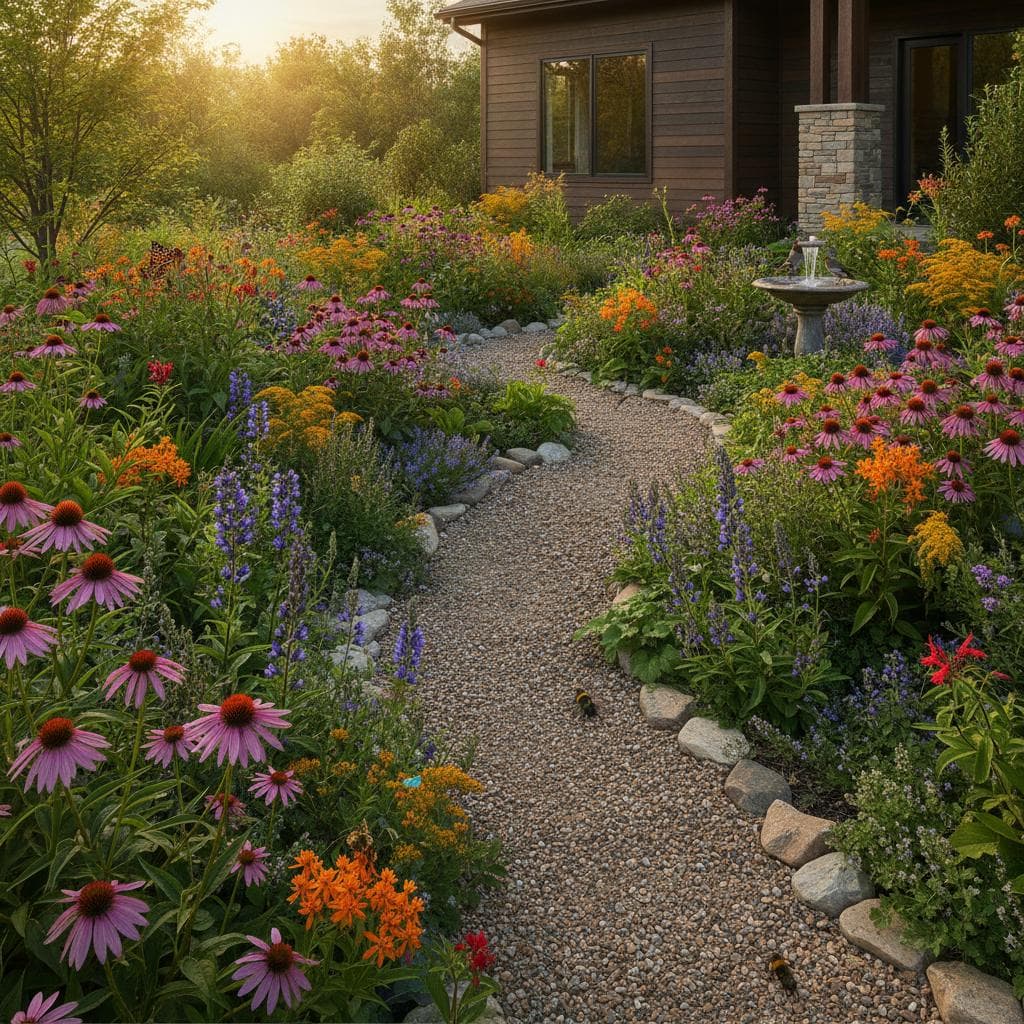
Cottage core gardening highlights the joys of nature’s simplicity. It conjures visions of cascading wisteria, artisanal benches, and bees hovering above foxgloves. In rural France, potager gardens blending vegetables, herbs, and flowers in harmonious disarray first introduced me to this ethos. Informality guides the design, always with purpose.
Florist and garden stylist Clare Hughes notes, “Cottage core is not about letting everything grow wild. It is about creating a sense of abundance and comfort.” Select meaningful plants like sweet peas, dahlias, and hollyhocks for their distinctive traits, pollinator appeal, and adaptability to mixed beds or compact patios. To start, sow seeds in spring for summer blooms, ensuring well-drained soil and partial sun exposure.
Merging Tradition and Innovation
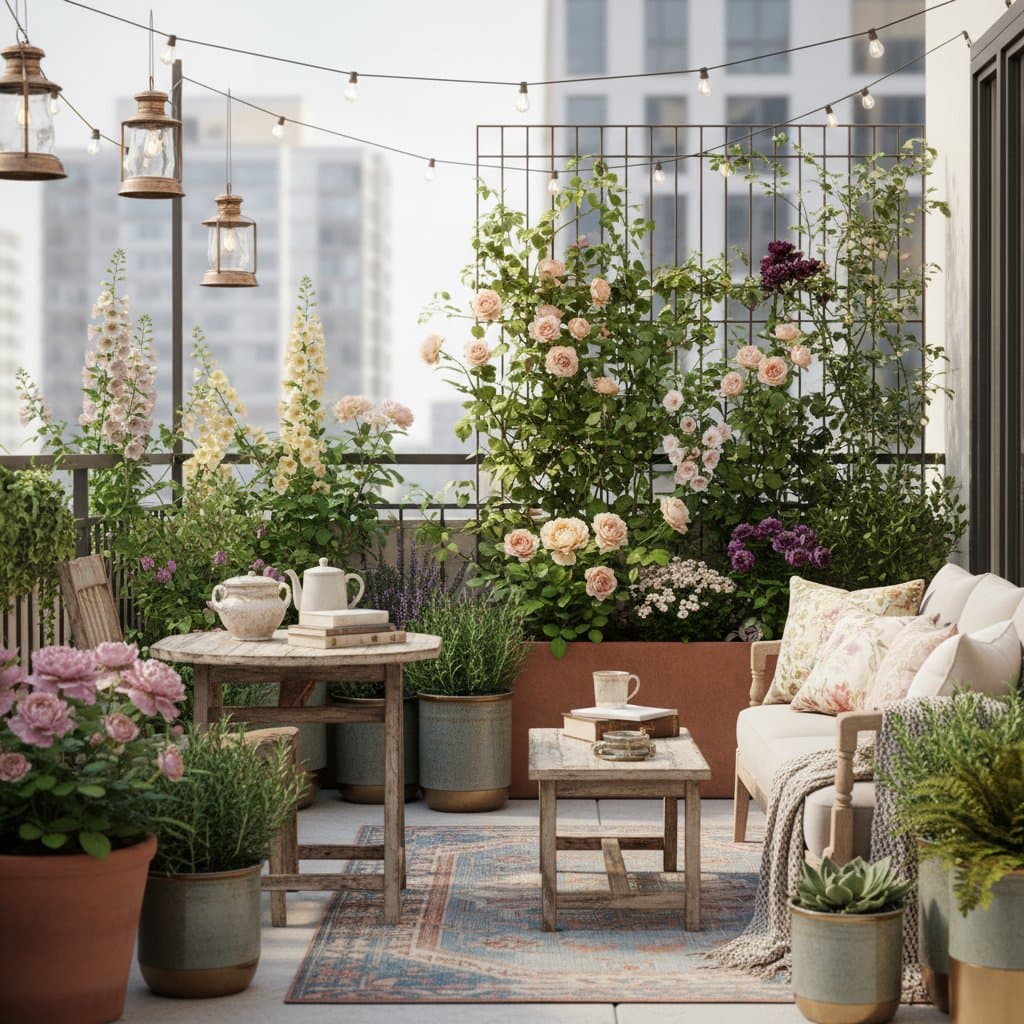
The grandmillennial garden thrives on combining heritage with today’s needs. Pair aged terracotta pots with contemporary outdoor fixtures, or position a patinated wooden table amid sleek woven seating. In a narrow London townhouse, I arranged trailing geraniums and ferns in vintage enamel containers alongside a minimalist black metal bench for stability.
Landscape designer Peter Langley advises layering for harmony: “Combine structured boxwood or rosemary hedges with looser flowers like cosmos or delphinium. The contrast keeps the space interesting without feeling chaotic.” For limited areas like balconies, employ vertical techniques. Install hanging baskets with ivy and pansies to evoke cascading borders, or secure a climbing rose to a trellis for instant fairy-tale ambiance. Secure supports firmly and prune annually to maintain shape.
Achieving Practical Elegance
Family life demands balance amid work, travel, and children’s routines, leaving little time for intensive maintenance. Grandmillennial designs welcome subtle disarray as an asset. Embrace perennials that rebound yearly with ease.
Lavender, catmint, and hardy geraniums demand scant attention yet deliver sustained vibrancy. Incorporate fragrant, useful herbs such as thyme, sage, and rosemary, which flourish in pots for renters or novices. My strategy involves interspersing demanding stars like roses and peonies in spring with resilient supports like sedum and ornamental grasses for autumn persistence. Plant in clusters for impact, water deeply but infrequently, and mulch to suppress weeds.
Drawing from Worldwide Traditions
Experiences across nations reveal diverse approaches to exteriors. New York taught efficient use of space through window ledges and rooftops. France highlighted edible integrations, with parsley neighboring pansies. The Cotswolds inspired stratified beds and gentle edges typical of English countrysides.
Adapt these globally. Place a French bistro set for dawn rituals, or suspend Moroccan lanterns from a pergola for dusk glow. Personalize to reflect your story, building a collected rather than contrived oasis. Source elements locally or repurpose found items for authenticity.
Evolving with Everyday Moments
This garden style rewards adaptation over time. Like family dynamics, it shifts and expands. A young climbing rose may frame future gatherings, while child-picked herbs enhance cherished dishes. Such ties surpass any blueprint in depth.
Proceed gradually: layer across seasons, test hues, and permit gentle untidiness. Savor how aromas and surfaces forge lasting impressions. From vast lawns to solitary sills, grandmillennial principles cultivate a nostalgic essence that transforms any spot into a true refuge.