Front Yards That Conquer Drought and Flood Extremes
Key Points
- Construct a climate-resilient front yard capable of managing extended dry periods and intense rainfall events.
- Select native plants with deep root systems and implement strategic grading to facilitate natural water management.
- Develop a layout that minimizes ongoing maintenance requirements while enhancing visual appeal.
- Determine appropriate tasks for personal execution and identify scenarios requiring professional intervention.
Weather extremes challenge landscapes in profound ways. One season brings prolonged drought that stresses plants and soil, while the next delivers heavy rains that transform yards into temporary water features. A thoughtfully designed front yard addresses these challenges effectively. Proper grading, soil enhancement, and strategic plant selection create an environment where the landscape flourishes regardless of precipitation patterns.
Project Overview
When to DIY vs Hire
Homeowners manage layout planning, soil preparation, and planting with relative ease. Grading and drainage modifications demand caution, however. Professional assistance proves essential if water pools near the home's foundation or if the driveway directs runoff toward the structure. Above-ground elements, including planting beds and mulch application, suit dedicated homeowners prepared to invest physical effort.
Materials and Tools
- Shovel and garden rake for earth-moving tasks
- Wheelbarrow for transporting soil and materials
- Soil amendments or compost to enhance structure and fertility
- Gravel or crushed rock to form drainage layers
- Mulch, such as shredded bark or wood chips, for moisture conservation and weed suppression
- Native plants adapted to fluctuating moisture levels
- Permeable pavers or stepping stones for pathways that allow water infiltration
Step-by-Step Process
1. Assess and Shape the Land
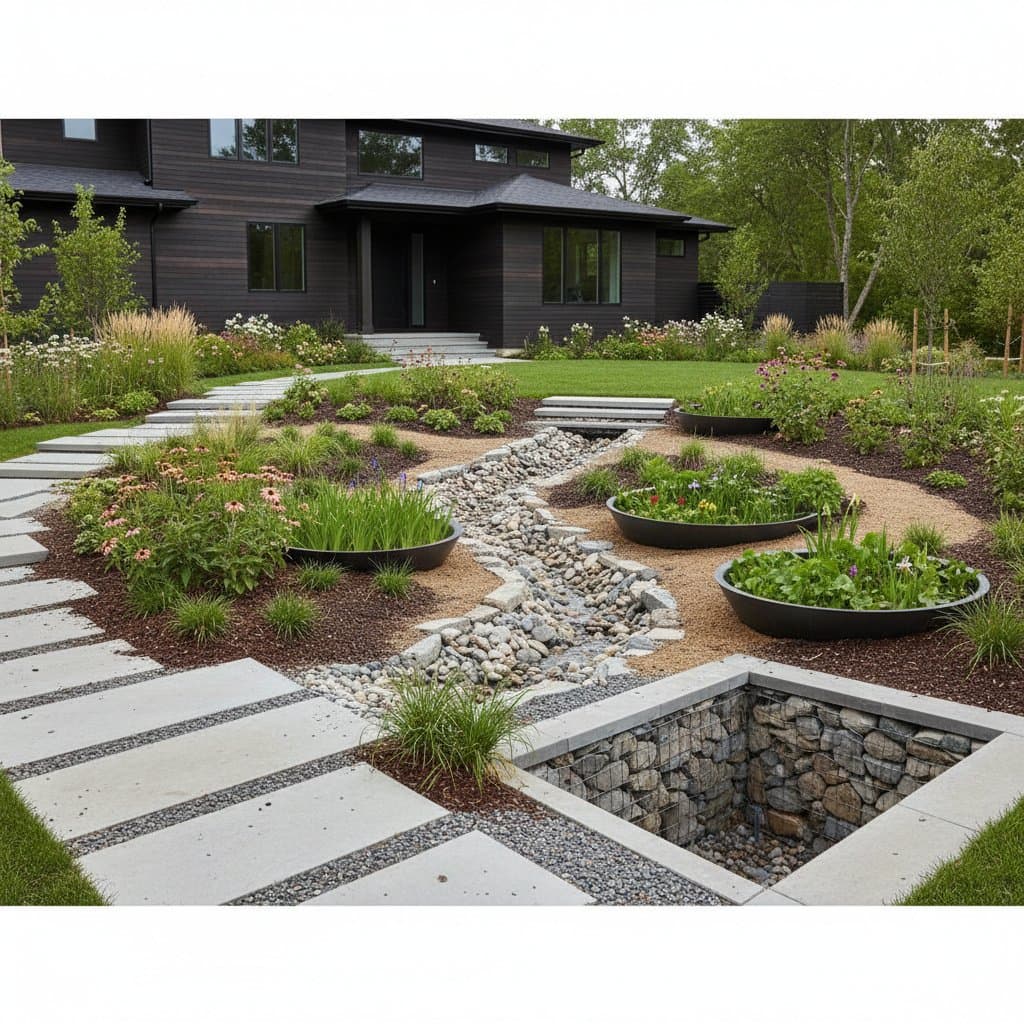
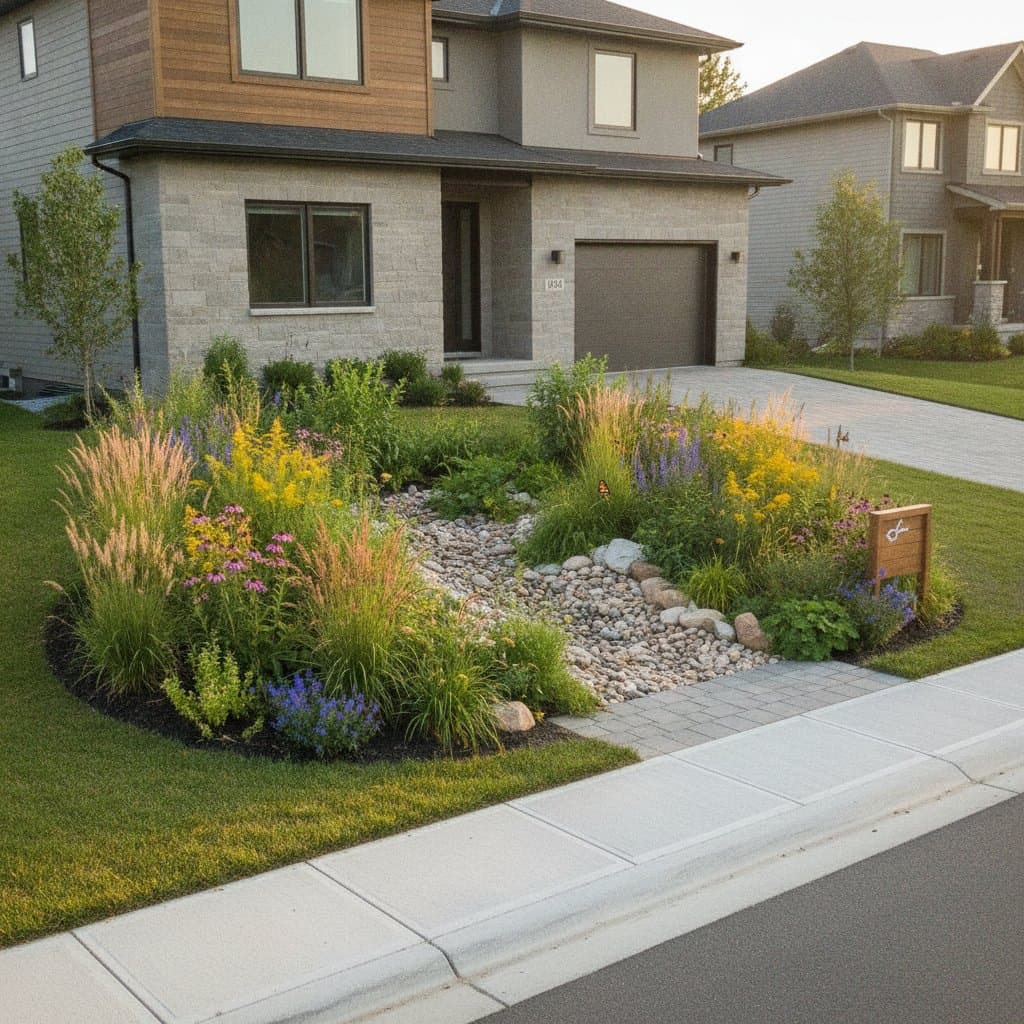
Observe water movement during a significant rain event to understand current patterns. Note areas of accumulation and rapid runoff. Introduce fill dirt or excavate shallow swales to channel flow away from buildings and into permeable zones. Establish a subtle slope, approximately one inch drop per ten feet, to direct water efficiently without promoting soil erosion. This foundational step prevents water damage and sets the stage for resilient planting.
2. Improve the Soil
Well-structured soil forms the backbone of resilience against both excess and scarcity of water. Incorporate organic compost at a rate of two to three inches mixed into the top six inches of existing soil. This addition boosts water-holding capacity during dry spells and promotes percolation during wet conditions. Work the soil gently to avoid compaction, which impedes root penetration and hydrological function.
3. Layer for Drainage and Retention
Target flood-prone zones with a base layer of two to four inches of gravel under planting beds to accelerate excess water removal. In arid sections, apply nutrient-rich topsoil topped with two inches of mulch to sustain hydration. This stratified method regulates water dynamics throughout the yard, mitigating standing water and drought stress alike. Adjust layers based on site-specific soil tests for optimal performance.
4. Choose the Right Plants
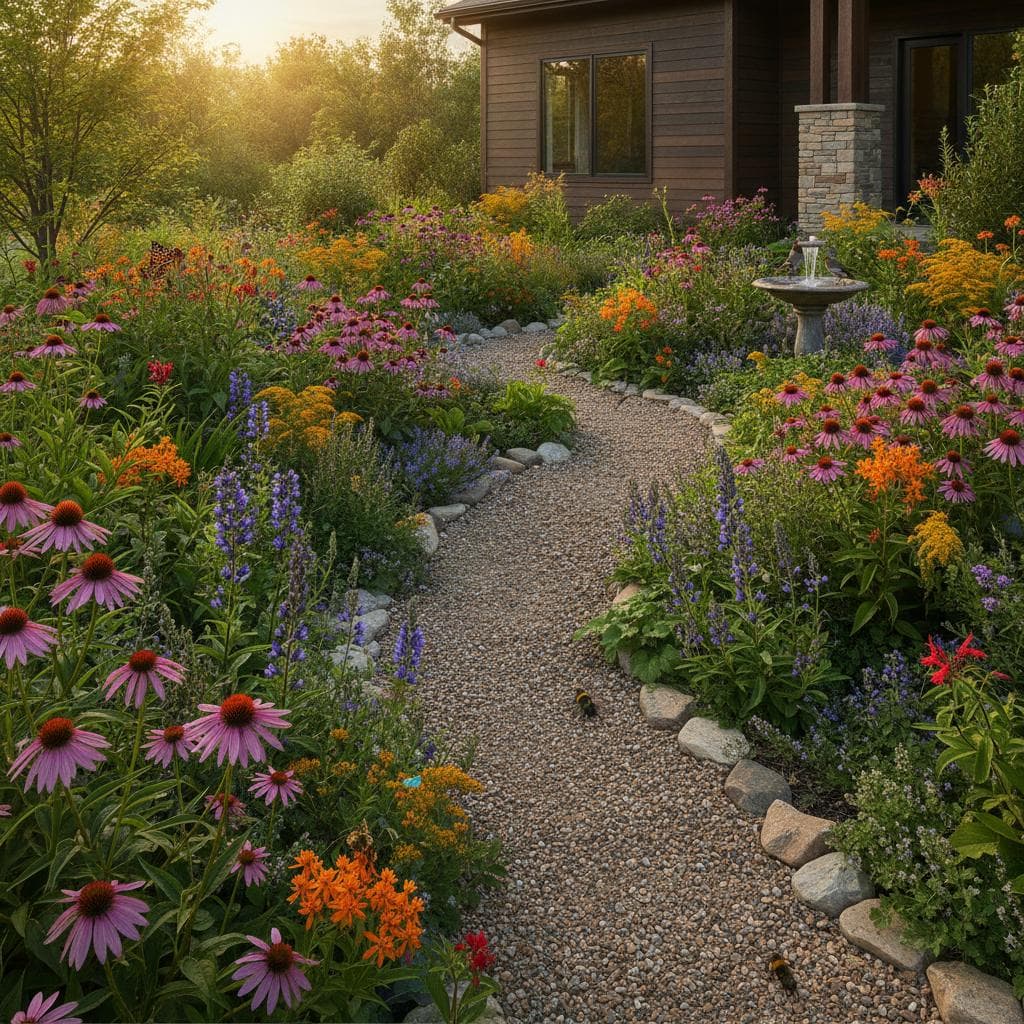
Native species with robust root networks excel in variable conditions. Opt for deep-rooted options like switchgrass (Panicum virgatum), which stabilizes soil and tolerates saturation; purple coneflower (Echinacea purpurea), resilient to both moisture extremes; and black-eyed Susan (Rudbeckia hirta), which thrives in well-drained yet intermittently wet soils. Cluster plants according to hydration preferences, positioning moisture-tolerant varieties near roof downspouts or in depressions. Research local natives through regional extension services to ensure compatibility with your climate zone.
5. Add Hardscaping Wisely
Incorporate permeable pavers or loose gravel for walkways that permit infiltration rather than impervious runoff. Steer clear of expansive concrete surfaces that exacerbate flooding. Install low stone borders around beds to guide water flow precisely. These elements integrate functionality with aesthetics, creating pathways that complement the natural contours of the landscape.
Quality Control
Monitor yard performance following substantial rainfall. Adjust grading or supplement soil in zones where water persists excessively. Maintain uniform mulch depth, typically two to three inches, to shield soil from erosion. As plants mature, their expanding roots enhance stability, reducing the need for frequent interventions over time.
Long-Term Care and Seasonal Adjustments
Perform routine tasks such as pruning overgrown foliage and replenishing mulch annually. In drought phases, apply deep watering every seven to ten days to foster root depth, rather than frequent shallow applications. Should flooding recur, evaluate grading and clear any obstructed channels prior to extensive modifications. These practices sustain the yard's resilience year-round.
Extending Resilience Beyond the Front Yard
This design approach yields more than aesthetic enhancement; it establishes a protective buffer for the home and promotes efficient water use. Apply these principles to side yards or expansive gardens to amplify benefits. Each phase of implementation hones practical skills, equipping you to adapt landscapes to evolving environmental demands with confidence.