Introduction
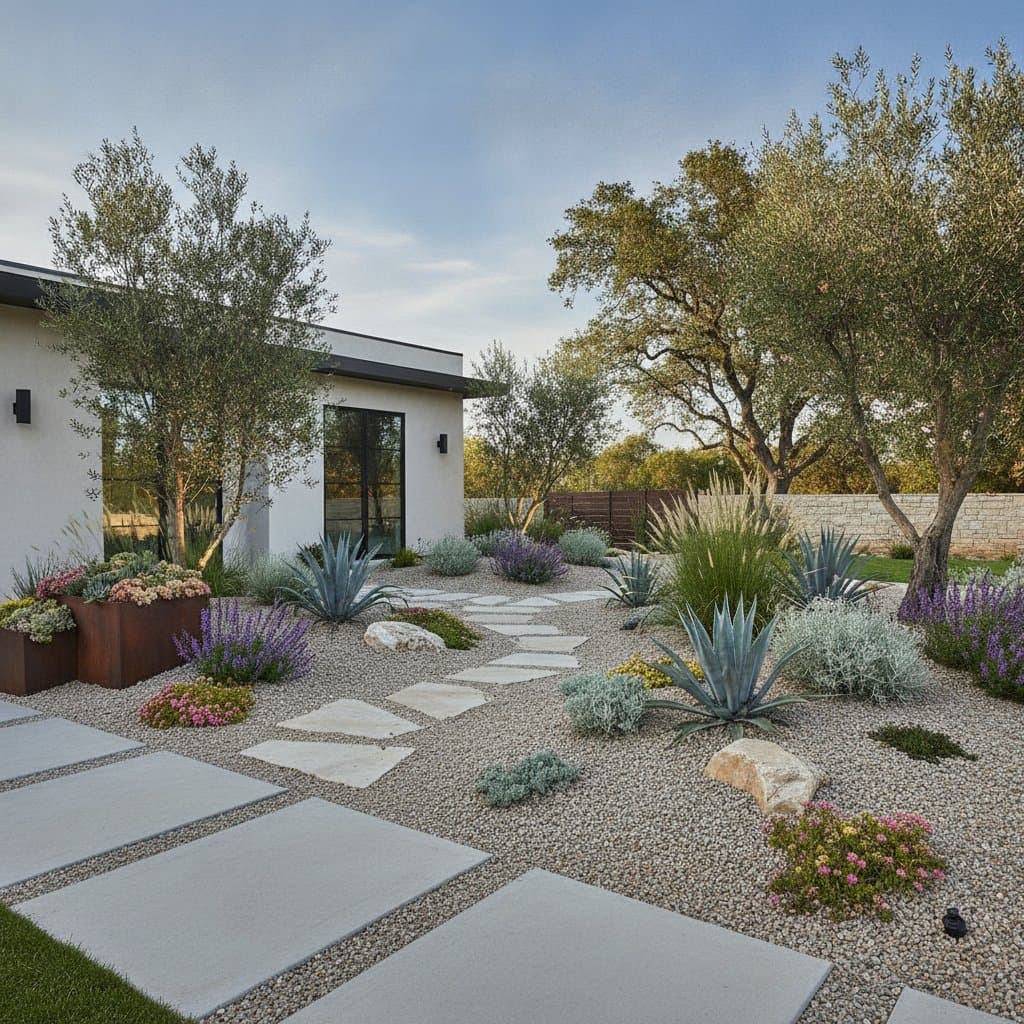
Suburban neighborhoods once defined themselves through uniform expanses of green turf. However, a shift is underway. Pollinator lawns emerge as a compelling alternative, promising ecological benefits alongside aesthetic charm. These gardens integrate native flora to foster biodiversity right in backyards.
Homeowners increasingly recognize the drawbacks of conventional grass, such as high water demands and frequent chemical applications. Pollinator lawns address these issues directly. They invite a return to natural harmony while maintaining modern appeal.
This transformation reflects broader environmental awareness. As climate concerns grow, such landscapes become essential for sustainable living. Readers will discover practical ways to adopt this trend.
Understanding Pollinator Lawns
Key Benefits for Homeowners and the Environment
Pollinator lawns offer multifaceted advantages. They reduce resource consumption while enhancing property value. Consider the environmental impact first.
Supporting Wildlife
These landscapes provide nectar and habitat for declining species. Butterflies lay eggs on host plants, ensuring lifecycle completion. Birds find seeds and insects for sustenance.
Biodiversity strengthens ecosystem resilience. Diverse plantings deter pests naturally, minimizing disease spread. Neighborhoods with such yards often report increased sightings of rare pollinators.
Lower Maintenance Demands
Traditional lawns demand weekly mowing and seasonal fertilizing. Pollinator gardens need trimming only a few times yearly. Native plants resist weeds and droughts, cutting labor by up to 75 percent.
Water savings prove substantial. Many municipalities face restrictions on irrigation. These yards comply easily, preserving municipal supplies.
Enhanced Aesthetic and Property Value
Vibrant colors bloom from spring through fall, outshining static green. Textures vary from soft petals to sturdy stems, adding interest. Neighbors often admire the unique curb appeal.
Real estate trends favor eco-features. Properties with pollinator elements sell faster and at higher prices. Appraisers note the appeal to environmentally conscious buyers.
Steps to Create Your Pollinator Lawn
Transitioning requires planning but yields lasting rewards. Start with site evaluation to ensure success.
-
Assess Your Space: Measure the area and note sunlight patterns, soil type, and drainage. Test soil pH if possible; most natives prefer neutral levels. Identify existing plants worth preserving.
-
Select Native Plants: Research species suited to your region through local extension services. Include a mix: 40 percent grasses for structure, 30 percent perennials for color, 20 percent shrubs for shelter, and 10 percent ground covers. Popular choices include coneflowers, milkweed, and little bluestem.
-
Prepare the Ground: Remove turf using solarization or manual methods to avoid chemicals. Amend soil with compost for nutrients. Avoid tilling deeply to protect microbial life.
-
Plant Strategically: Sow seeds in fall for natural stratification, or plant seedlings in spring. Space according to mature sizes to prevent overcrowding. Water initially to establish roots.
-
Maintain Thoughtfully: Mulch to retain moisture and suppress weeds. Mow heights to 4-6 inches annually if needed. Monitor for invasives and remove promptly.
Patience pays off. The first year focuses on establishment; full vibrancy appears by year three.
Overcoming Common Challenges
Skeptics worry about neatness or allergies. Proper plant selection addresses these. Choose low-pollen varieties for sensitive individuals.
Initial costs may exceed sod installation. However, long-term savings on water bills and tools offset expenses. Community resources, like seed swaps, reduce outlays.
Local regulations sometimes restrict non-turf areas. Check ordinances and seek variances for eco-projects. Many areas now incentivize such initiatives.
The Future of Suburban Greenery
By 2025, pollinator lawns will dominate new developments. Builders incorporate them into master plans, blending sustainability with luxury. Urban planners promote them to combat heat islands.
Technological aids emerge, such as apps for plant identification and care reminders. Community gardens expand the model, fostering neighborhood collaboration.
Global trends amplify this movement. International conferences highlight pollinator conservation. Suburbs lead by example, inspiring rural and urban adaptations.
Cultivating Lasting Impact
Adopting a pollinator lawn transforms more than landscape; it shapes legacy. Families enjoy watching wildlife thrive, creating educational moments. The yard becomes a sanctuary of color and life.
Sustainability integrates seamlessly into daily routines. Reduced chores free time for enjoyment. Neighbors may follow suit, amplifying collective environmental gains.
Start small if overwhelmed. A single bed yields benefits. Over time, the entire property evolves into a haven. This choice honors nature while elevating home life.