Modern Gravel Gardens: Low-Maintenance Yard Wins
I will admit, I used to believe that a real garden required grass. Lush, green, high-maintenance grass demanded weekly mowing and constant watering. I grew up in Staten Island, where most yards followed traditional designs, and my childhood vision of a perfect outdoor space featured perfectly edged lawns and flower beds that prompted my father to grumble every spring. However, now as a homeowner who writes about home and lifestyle topics professionally, I have come to value the quiet genius of a modern gravel garden.
The Day I Gave Up on Grass
The turning point arrived one sticky summer afternoon when I realized my front yard had surrendered to neglect. The grass had devolved into a patchy blend of crabgrass and bare dirt, regardless of how frequently I watered, fertilized, or offered silent encouragements. I recall standing there with my hose, perspiring, and pondering, This cannot define my weekends.
What Exactly Is a Gravel Garden?
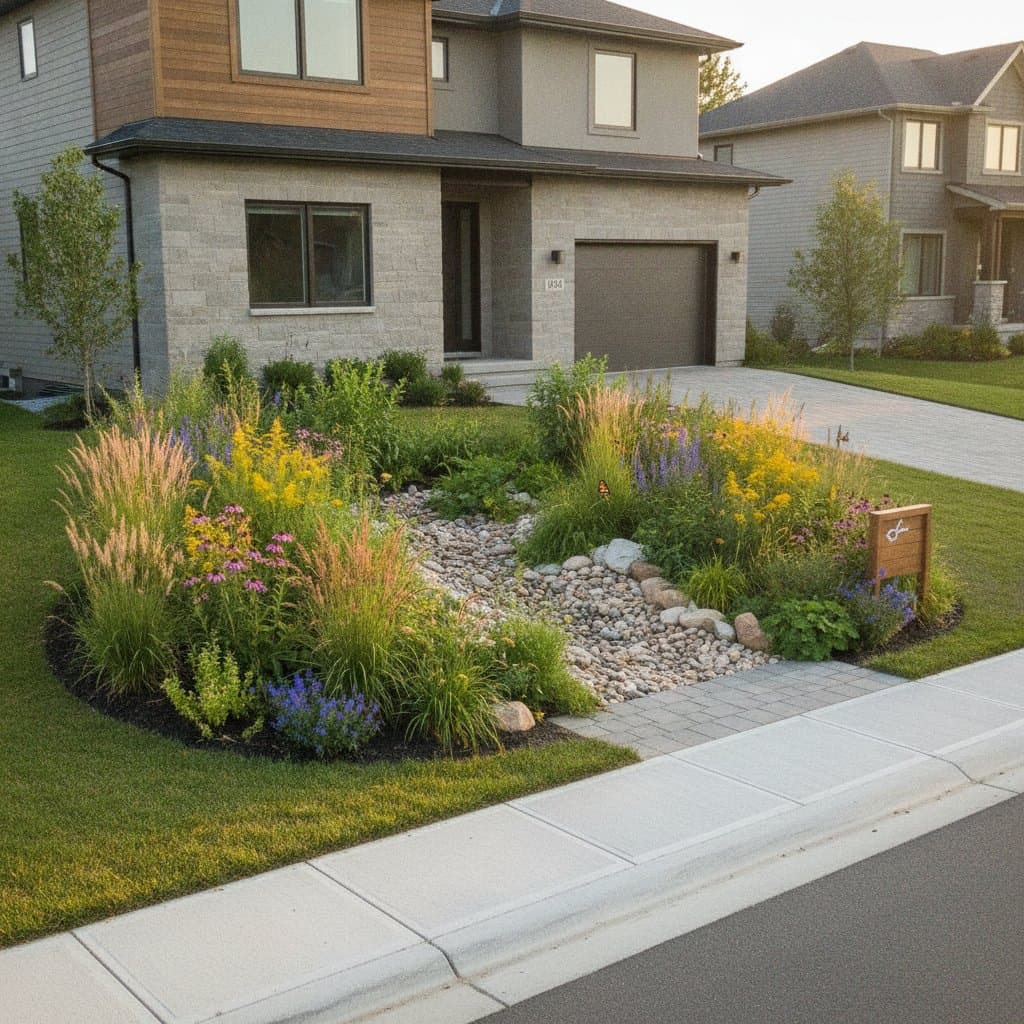
A gravel garden replaces most or all traditional turf and soil-based planting beds with layers of gravel. Designers select plants that flourish in well-drained conditions with minimal irrigation, evoking a Mediterranean or desert-inspired setting. The outcome yields a visually compelling area that appears modern and deliberate, while feeling soft and organic when executed well.
Gravel gardens extend beyond mere appearance. They demand low maintenance, promote environmental benefits, and suit individuals lacking time, energy, or enthusiasm for yard care. The gravel functions as mulch to suppress weeds and conserve moisture. It also mitigates soil erosion, offering significant advantages for sloped terrains.
My First Attempt (And What I Did Wrong)
I must confess that my initial effort fell short of perfection. I purchased several bags of gravel from a local hardware store and spread them over the patchy lawn, assuming a simple rake would suffice. Within days, weeds emerged, and the surface resembled a desolate parking lot.
Humility and further investigation revealed the need for proper preparation. The foundation determines success in a gravel garden. Professionals recommend complete removal of existing grass and weeds, followed by installation of breathable landscape fabric, and then application of several inches of gravel. Once I followed these steps, the change proved immediate and striking.
Choosing the Right Gravel
Gravel varies widely in quality and suitability. I discovered this through experience when my initial purchase proved too coarse and unsteady for foot traffic. For pathways, select smaller, rounded varieties such as pea gravel to ensure comfort. In decorative zones or near plants, opt for angular gravel, which interlocks securely and resists shifting.
Color influences the overall aesthetic. Lighter shades reflect sunlight to illuminate shaded spots, whereas darker options deliver a bold, contemporary vibe. In my Staten Island community, residents pair pale gray gravel with brick exteriors and charcoal tones to refresh older structures. I chose a combination of warm beige and soft gray to harmonize with my home's facade.
The Right Plants for Gravel Gardens
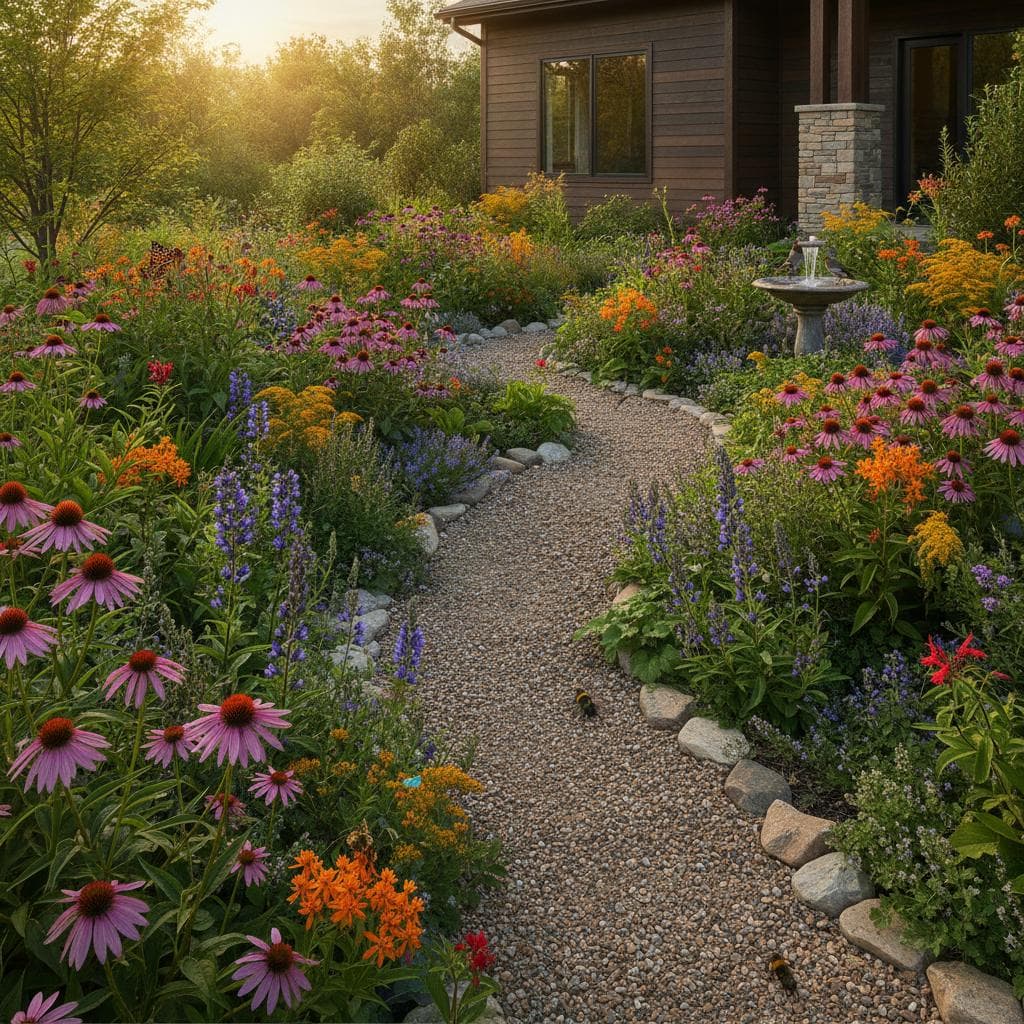
Gravel gardens need not appear stark. Appropriate plants prosper in these settings and provide striking contrast against the gravel's texture. Consider resilient, drought-tolerant options like lavender, sedum, thyme, and ornamental grasses. I incorporated low-growing junipers to supply year-round evergreen accents.
For added lushness, integrate Mediterranean herbs such as rosemary or sage. These thrive in the enhanced drainage and release pleasant aromas when brushed. Succulents perform exceptionally well in suitable climates; I positioned hens-and-chicks along my front path, where they have propagated into clusters of petite green rosettes.
Maintenance: Easier Than You Think
After establishment, a gravel garden requires minimal upkeep. Occasional weed removal or gravel replenishment every few years suffices. I now devote more time to enjoying the space than tending it, a welcome shift from prior routines of perpetual mowing and irrigation.
Raking the gravel periodically maintains even distribution and tidiness. This task offers a meditative quality, akin to grooming a Zen sand garden. For fallen leaves or debris, employ a leaf blower on low power to clear without disruption.
Making It Feel Inviting
Without thoughtful additions, a gravel garden risks seeming austere. Introduce warmth through large planters filled with seasonal blooms for vibrant color. Incorporate natural stone pavers to form guiding paths that direct movement and focus.
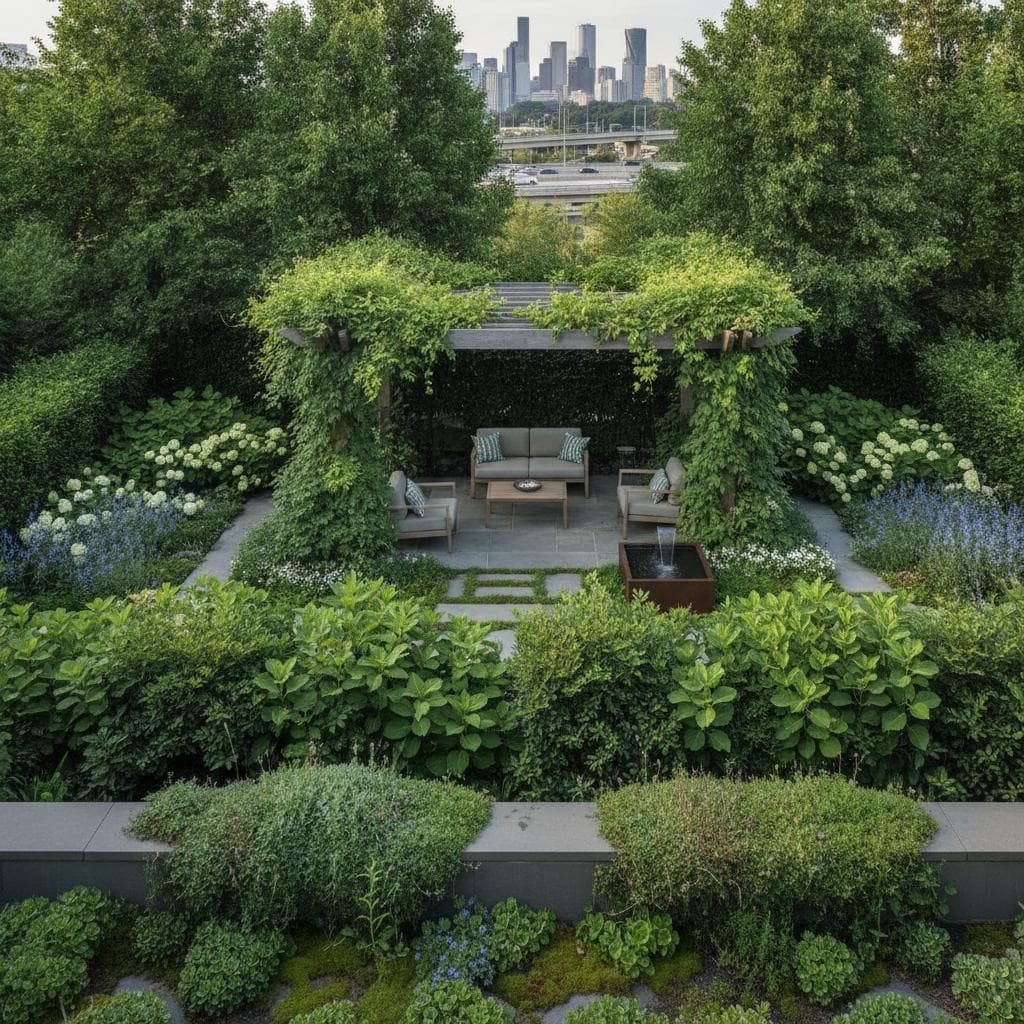
I situated a simple bench beneath my hydrangea, instantly creating a serene nook. Lighting enhances ambiance as well. Solar stake lights cast a gentle glow over the gravel after dusk and improve nighttime navigation. For sophistication, install low-voltage fixtures along path borders; the result remains understated yet captivating.
Why Gravel Gardens Work for Real Life
In my career covering home trends, I have observed many fads fade quickly. Gravel gardens endure because they align with practical lifestyles. They conserve water, reduce labor, and retain visual appeal. Moreover, they accommodate diverse aesthetics, from sleek minimalism to relaxed cottage styles.
For urban residents like myself with compact yards, these designs instill order and tranquility. They withstand Northeast weather fluctuations better than turf. Following heavy rain, the surface avoids mud, standing water, and indoor tracks from pets.
Living With Your Gravel Garden
Years have passed since I converted my lawn to gravel, and satisfaction persists. The area exudes purpose, simplicity, and subtle elegance. My husband jests that this marks the first project I completed without ensuing complaints. Neighbors now inquire, intrigued by the negligible ongoing care.
Steps to Create Your Own Gravel Garden
Begin by assessing your yard's size, slope, and sunlight exposure to select compatible materials. Clear the site thoroughly, install landscape fabric, and layer gravel evenly at 2 to 4 inches deep. Plant drought-tolerant species in pockets, then add paths and accents for functionality and charm. With these measures, enjoy a resilient, beautiful outdoor haven that enhances daily life.