Cottage-Core Yards: Transforming American Lawns
I must confess a truth that might challenge suburban expectations: I struggle with lawn maintenance. When my husband and I purchased our home in Staten Island, visions of leisurely weekend mowing filled my mind, complete with crisp green lines. Reality proved different. Patches of brown grass appeared, crabgrass invaded, and the mower gathered dust in the shed. This experience revealed that the ideal lawn often demands excessive effort, expense, and anxiety rather than true beauty.
One afternoon, while browsing images of wildflower gardens on my phone, I encountered the cottage-core aesthetic. These spaces evoke meadows over manicured fields, personality over precision. The tangled blooms suggested tranquility, reminiscent of English gardens from classic literature and the untamed edges of Staten Island parks where nature flourishes freely. In that moment, I resolved to convert my neglected lawn into a vibrant, relaxed haven.
The Challenges of the Traditional Lawn
Embracing the Cottage-Core Philosophy
Cottage-core embodies the allure of imperfection through hand-nurtured gardens, eclectic elements, and aged structures. It prioritizes comfort over dominance. In landscaping, this translates to a bold departure from uniform turf toward dynamic habitats.
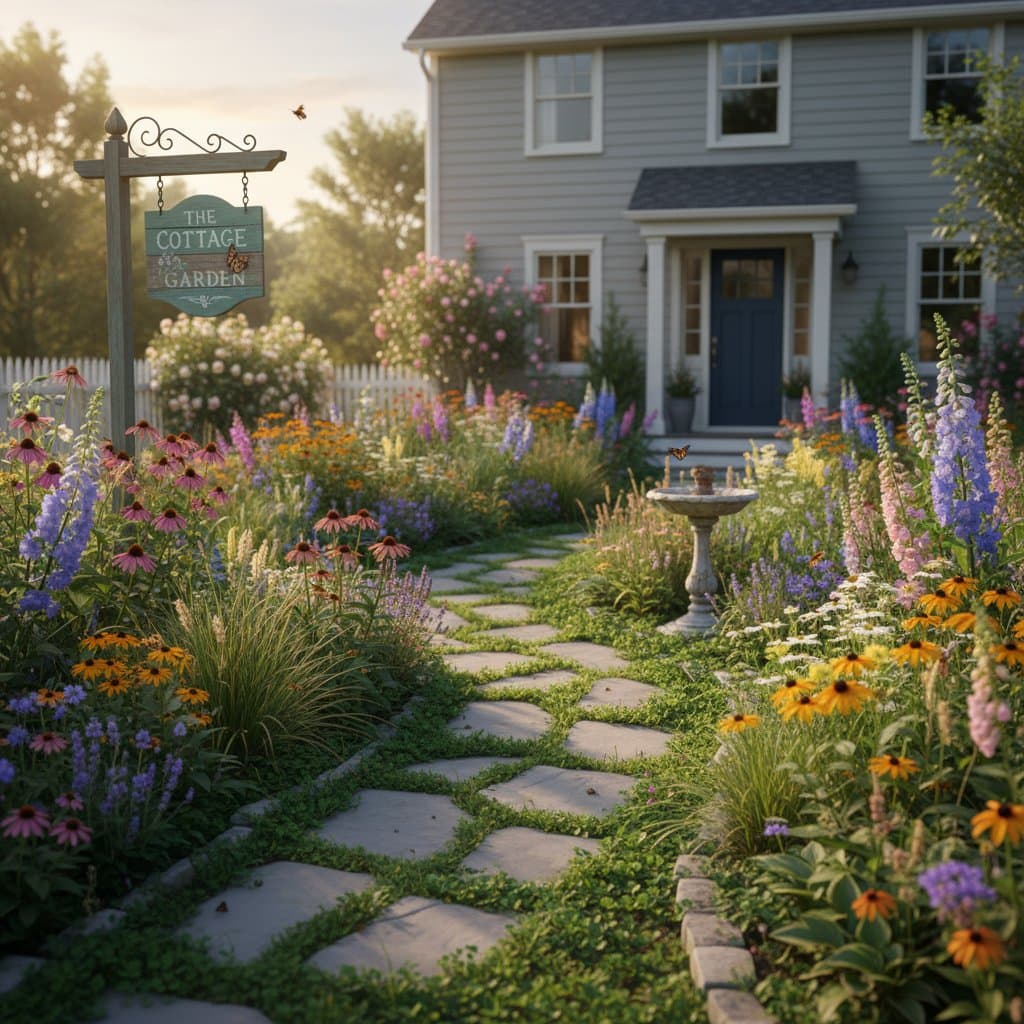
My transformation started modestly. I acquired wildflower seeds from a nearby nursery and interplanted clover amid the sparse grass. Repurposed wooden planks formed simple borders. Expectations remained low that initial year, yet by midsummer, the front yard resembled a fairy-tale scene. Blooms sprawled unevenly, but pollinators thrived. Neighbors paused to admire, one inquiring about professional design services. In truth, success stemmed from reduced mowing.
Steps to Build Your Cottage-Core Yard
Ready to exchange lawn tools for garden essentials? These insights from my experience guide the creation of a functional cottage-core yard in typical American settings.
1. Release the Grip on Perfection
Traditional lawns condition us to equate control with appeal. Cottage-core flourishes through diversity, texture, and gentle disorder. Shift focus from grooming to fostering an ecosystem.
Initially, halting mowing triggered unease, as if neglecting duty. Gradually, signs of vitality emerged: birds foraged in former wastelands, and uninvited wildflowers appeared alongside clover. This acceptance marked the true shift.
2. Select Native and Adapted Plants
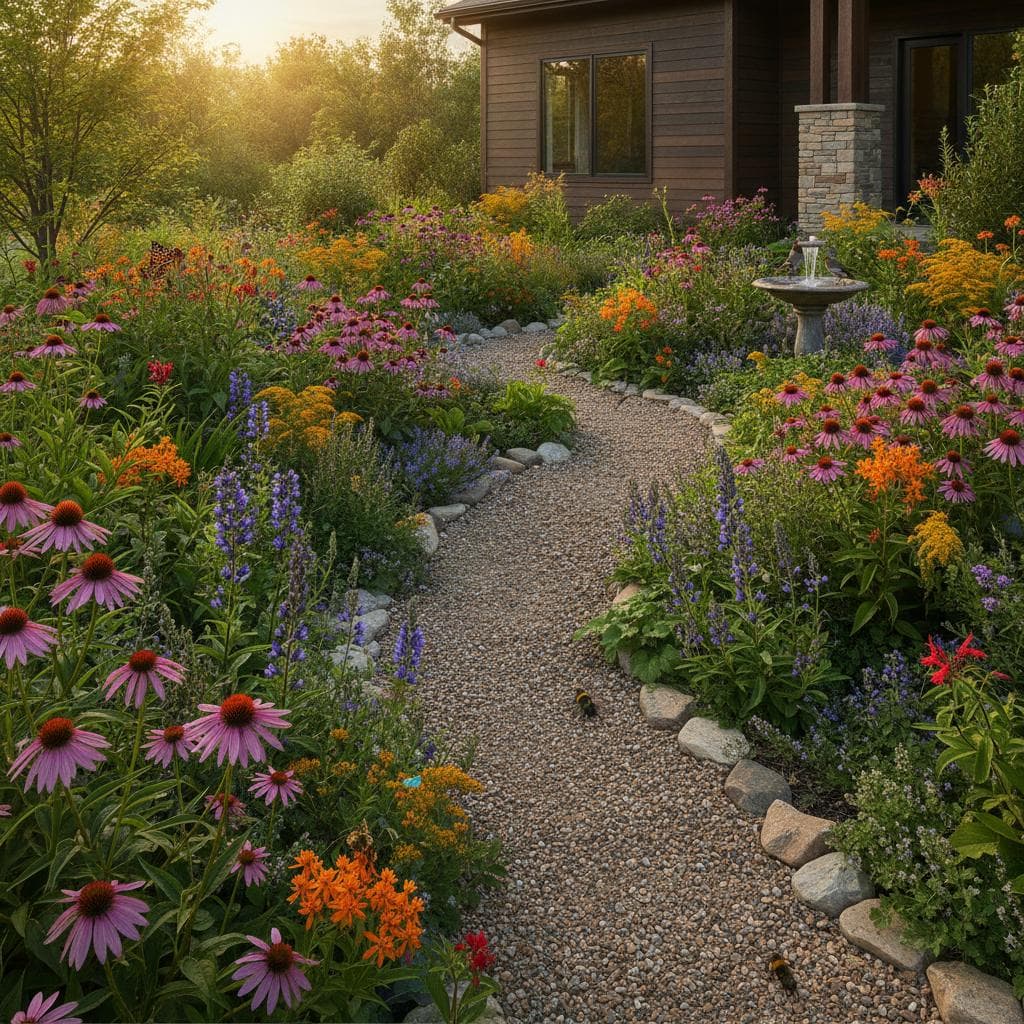
In Staten Island or similar Northeast areas, clay-loam soils suit diverse natives that require no synthetic aids. Opt for black-eyed Susans, coneflowers, milkweed, yarrow, and bee balm to form the foundation.
For arid or warm climates, choose regional equivalents like California poppies or Texas bluebonnets. Arrange in informal clusters varying in height and hue for a spontaneous yet navigable layout. This method aids pollinator navigation while enhancing visual interest.
3. Introduce Subtle Structure
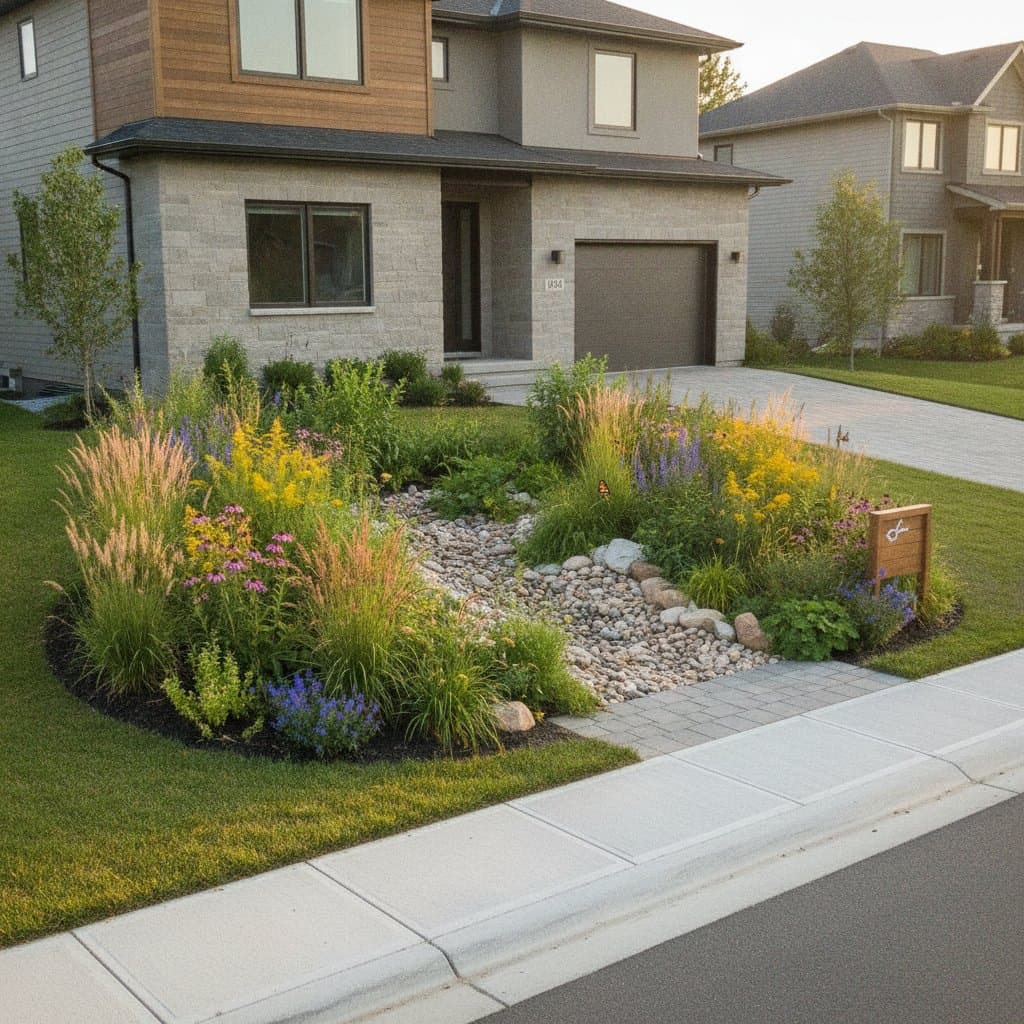
Unrestrained growth risks overwhelming the space. Simple additions provide balance without complexity. Consider gravel walkways, wooden benches, or stone edgings to convey purpose.
In my garden, a vintage iron stand serves as a centerpiece, offering respite amid the floral abundance. Trellises, birdbaths, or natural accents like branches impose gentle order on the organic flow.
4. Redefine Mowing Practices
Eliminate mowing entirely if possible, but adapt as needed. I now trim paths through taller sections, ensuring accessibility and visual harmony. This delineates patterns naturally.
In regulated communities, such paths satisfy oversight while preserving the aesthetic. Clear borders demonstrate deliberate design over abandonment.
5. Plan for Seasonal Progression
Effective cottage-core yards display evolution year-round. Incorporate early bloomers like daffodils, summer perennials such as echinacea, and autumn grasses for ongoing appeal.
Retain dried seed heads into winter; they nourish birds and add stark elegance against frost. Initial concerns about tidiness faded upon observing wildlife interactions, affirming the choice.
6. Foster Wildlife Integration
The essence of cottage-core lies in its vitality: chirps, buzzes, and flutters. Install shallow water features, native shrubs for cover, and brush piles for ground dwellers.
Former bee sightings caused alarm; now they signal achievement. Increased biodiversity strengthens the ecosystem, fostering a sense of broader connection beyond property bounds.
The Personal Transformation
This yard redesign unexpectedly altered my view of home life. Peace arises from allowing natural growth. Tasks like weeding and pruning now inspire rather than burden.
As a former teacher, I likened writing to discovering personal cadence. Gardening mirrors this: the space harmonized once I abandoned imitation. Ambient sounds and varied textures now define its unique character.
Addressing Common Concerns
Discussions on alternative lawns prompt familiar queries: pest risks, perceived disorder, neighbor reactions. These mirror my early doubts.
Pests: Balanced habitats deter outbreaks, with predators maintaining equilibrium. Limit mulch near buildings and edge neatly to minimize rodent appeal.
Perceived Messiness: Boundaries clarify intent. Rocks or low fences frame the wildness effectively.
Neighbor Reactions: Begin incrementally and communicate goals. Labels like "Pollinator Garden" or "Native Plant Area" spark interest. Several locals have adopted similar designs after observing results.
The Broader Significance
Cottage-core yards signal a reevaluation of land stewardship. The classic American lawn once represented status and conformity. Today, sustainability challenges that narrative, favoring harmony with the environment.
In Staten Island, modest lots now bloom with wildflowers, tempering urban hardness. Nationwide, initiatives promote no-mow practices and natives, blending heritage with progress.
Seasonal Care Routines
Established gardens demand attentive stewardship over rigid oversight. Observe plant responses annually; some dominate, others recede naturally.
Spring: Prune remnants to encourage emergence. Apply compost for nourishment.
Summer: Irrigate thoroughly yet sparingly. Remove spent blooms to prolong flowering.
Fall: Allow seeds to disperse; harvest extras for propagation.
Winter: Preserve forms for wildlife and aesthetic depth.
This rhythm integrates into daily life, viewing home as an unfolding narrative.
Experiencing the Rewards
Morning coffee now reveals dynamic scenes: light filtering through Queen Anne's lace, grasses undulating in breeze. Imperfections persist, yet joy prevails in the living tapestry.