Edible Front Yards Supplanting Traditional Lawns by 2026
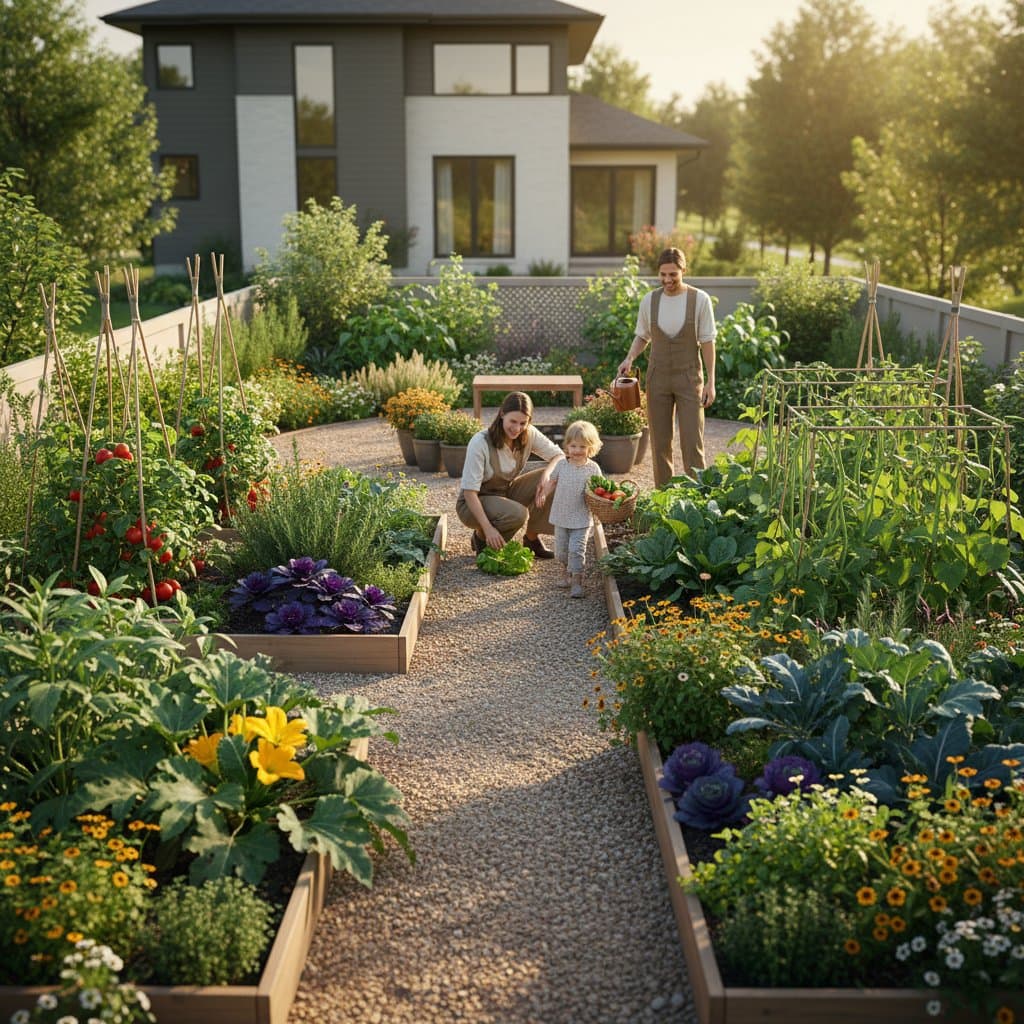
I will admit that I once derived satisfaction from maintaining my front lawn. It was not a professional turf, yet it appeared sufficiently verdant to affirm my role as a diligent homeowner. One humid summer in Staten Island, however, after expending considerable effort watering the area, I examined the grass and questioned its true value. The lawn offered no sustenance, emitted no pleasant aroma, and provided little visual interest. At that point, I observed a subtle transformation on my street: lawns diminished in size while raised beds emerged in their stead. Tomatoes supplanted sod. Kale bordered pathways. My neighbor installed blueberries along his entry steps.
Challenges Posed by Conventional Lawns
Conventional lawns have served as emblems of suburban achievement for generations, yet they exact a significant toll. These expanses require persistent irrigation, frequent mowing, and regular application of fertilizers. Chemical treatments often endanger pollinators and contribute to contamination of nearby water sources. Despite this investment of time and resources, lawns deliver minimal reciprocity. As grocery prices escalate and ecological consciousness intensifies, numerous homeowners reevaluate this imbalance. Edible front yards present a compelling substitute that aligns with contemporary priorities.
Personal Transition to Foodscaping
Steps to Establish Your Edible Front Yard
Initiating a foodscape requires neither expansive acreage nor advanced horticultural expertise. The following steps provide a structured approach for novices:
- Begin modestly. Select a modest area of grass to convert, incorporating herbs or salad greens that thrive in partial shade.
- Integrate edibles with ornamentals. Pair colorful Swiss chard with marigolds for borders, ensuring year-round visual harmony.
- Incorporate vertical elements. Install trellises for climbing beans or indeterminate tomatoes, maximizing space while adding architectural interest.
- Select resilient varieties. Opt for herbs like rosemary, strawberries that spread naturally, and leafy greens such as spinach, all of which tolerate variable conditions and enhance aesthetics.
- Maintain neatness. Employ defined edging with stones or bricks, supplemented by mulched pathways, to convey deliberate design rather than haphazard growth.
- Assess sunlight and soil. Map your yard's light patterns—most vegetables prefer six hours of sun daily—and amend soil with compost for optimal drainage and nutrients.
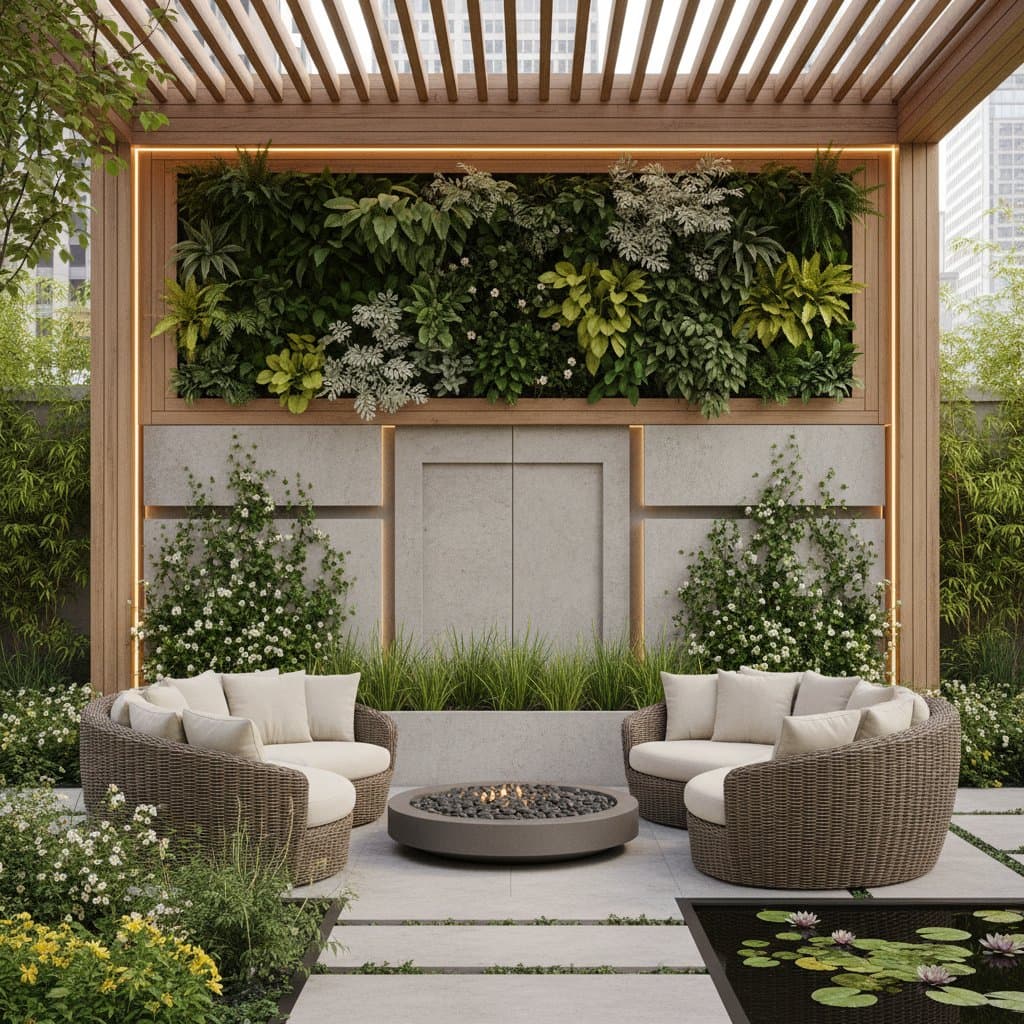
Even container gardening suits urban settings. For instance, place pots of dwarf fruit trees or vertical herb walls along fences. Design principles ensure compatibility with diverse home styles, from classic colonials to sleek contemporaries. Focus on symmetry and color coordination to achieve a polished appearance.
Benefits of Sustaining an Edible Landscape
The primary reward of replacing grass with greens lies in heightened engagement with one's surroundings. Each morning, I harvest mint for tea and discuss impending harvests with passersby. This practice alters neighborhood dynamics. Residents move beyond rivalry over lawn perfection toward exchanging propagation techniques and surplus yields. The fulfillment derives from a yard that sustains both personal needs and communal interactions.
Environmentally, these gardens mitigate urban heat islands by shading soil and supporting biodiversity. Pollinators flock to flowers like borage interplanted with vegetables, boosting overall ecosystem health. Financially, initial setup costs—around $200 for basic raised beds and seeds—yield returns through avoided grocery expenses and potential water bill reductions.
Advancing Your Yard's Purposeful Evolution
If you ponder whether your lawn could contribute more substantially than mere ornamentation, consider this an invitation to experiment. Dedicate a single corner, erect one raised bed, or position a solitary container. Observe the transformations as your front yard assumes a role that enriches daily life and environmental stewardship.