Gravel Gardens: 2025’s Low-Maintenance Alternative to Traditional Lawns
Key Points:
- Gravel gardens replace water-intensive lawns with a sustainable option that demands minimal effort.
- These designs provide resistance to drought, effective weed suppression, and consistent visual appeal throughout the year.
- Integrate gravel with drought-tolerant native plants, succulents, and ornamental grasses to achieve a contemporary, environmentally responsible outdoor space.
- Focus on meticulous planning and layered installation to ensure optimal drainage and enduring performance.
- Adapt this approach to minimalist styles or more vibrant Mediterranean-inspired layouts.
The Rise of Gravel Gardens
Grass lawns demand ongoing attention through mowing, trimming, irrigation, and nutrient applications. Gravel gardens offer a stark contrast by flourishing with minimal intervention. After initial setup, they require only periodic removal of weeds and occasional updates to preserve their appearance.
Broader Implications for Outdoor Living
This transition to gravel gardens signals a fundamental evolution in how individuals approach their properties. Traditional lawns once represented status and uniformity, yet they now conflict with growing ecological consciousness and resource limitations. The current preference emphasizes harmony: landscapes that remain visually striking without constant labor or high costs.
Media and online communities amplify this change. Design professionals, television programs, and online enthusiasts showcase tranquil stone-based exteriors that appear sophisticated yet practical. The style appeals across demographics. New property owners value the reduced workload, whereas experienced horticulturists enjoy the opportunities for creative expression.
Gravel gardens align with prevailing residential design principles. Subdued color schemes, organic textures, and sustainable selections characterize indoor spaces, and these elements now extend to exteriors. Such a garden seamlessly connects the serene interior with the relaxed ambiance outside, creating a cohesive living environment.
Professional Advice on Implementation and Care
Landscape architect Carla Mendoza, recognized for her work in eco-friendly city gardens, emphasizes that gravel gardens function best as interactive ecosystems rather than fixed installations. “Individuals often view gravel as barren, but it possesses vitality. Plants transform across seasons, sunlight varies moment to moment, and surfaces develop patina over time,” she observes.
Horticultural advisor Aaron Lee highlights selection of appropriate gravel thickness and plant arrangement for sustained results. “Excessive gravel depth may compact the earth below, while insufficient coverage encourages invasive growth. Aim for two to three inches as a standard,” he advises. He suggests replenishing the surface layer every two to three years to sustain vibrancy and uniformity.
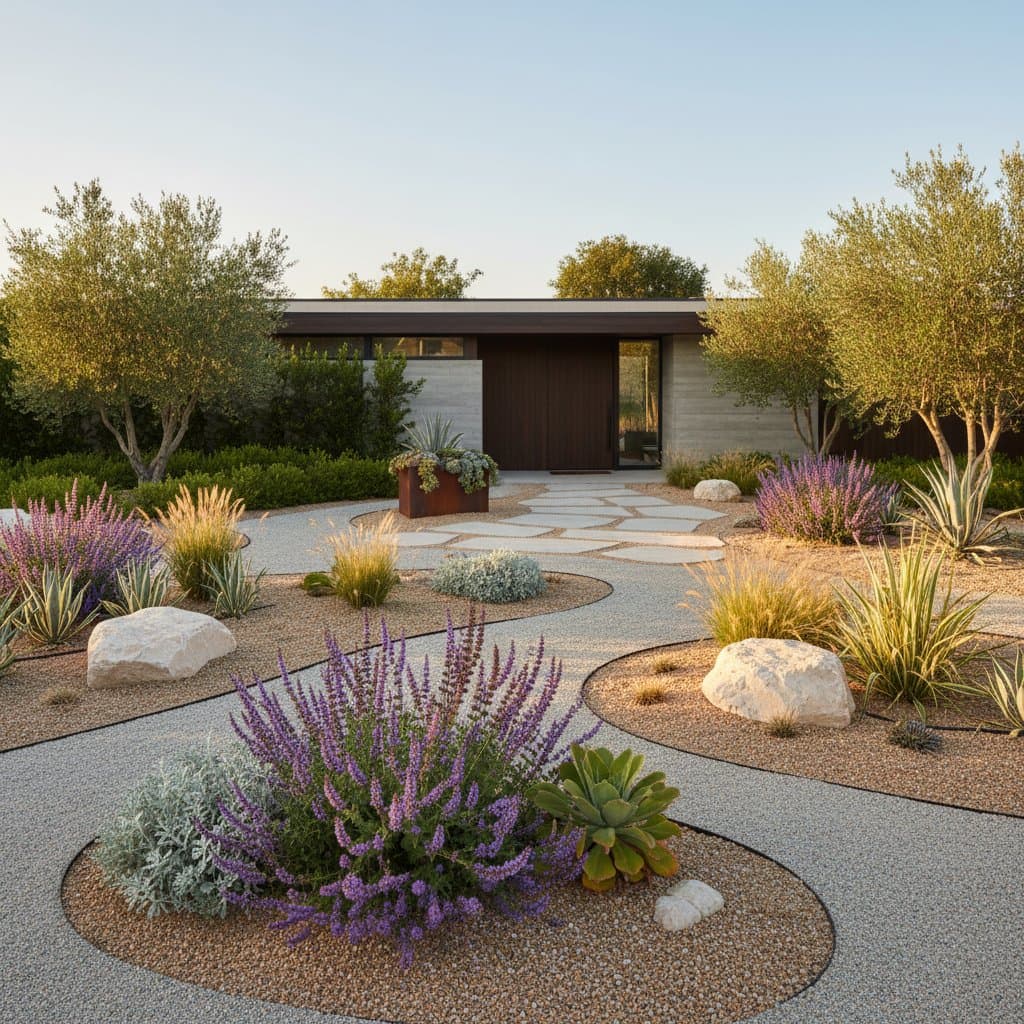
Professionals also recommend deliberate color matching. Neutral beige gravel harmonizes with reddish clay containers and deep green succulents, such as agave or lavender. Cooler gray tones pair well with silver-leaved varieties like lavender cotton or artemisia, elevating the ground plane into an intentional artistic feature.
Steps to Create Your Gravel Garden
Consider beginning with a modest area, such as a narrow pathway, enclosed patio, or container setup, to experiment with gravel elements. Follow this structured guide to build effectively:
1. Assess and Design the Space
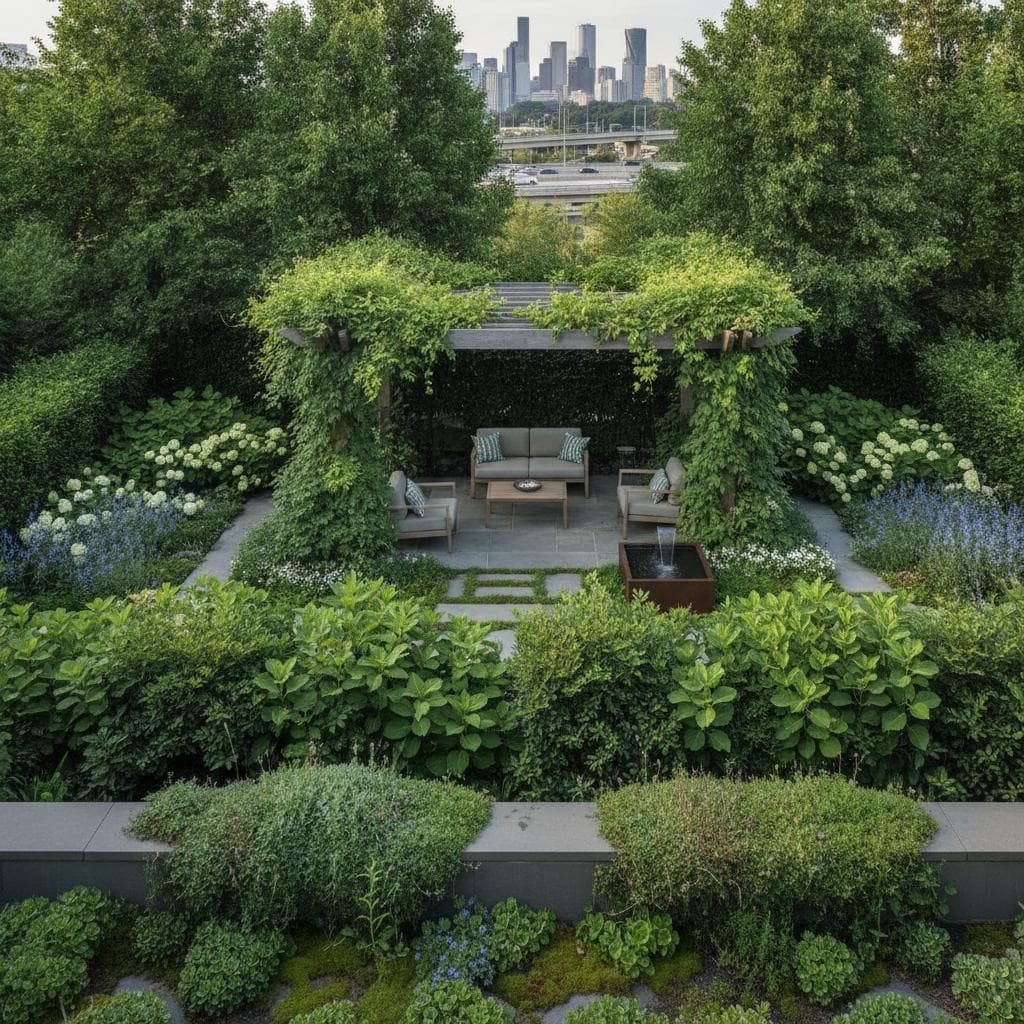
Evaluate sunlight levels and water flow across the site. Gravel gardens perform optimally in bright conditions but accommodate dappled light through selections like hostas or ferns for shaded zones.
2. Select Regional Resources
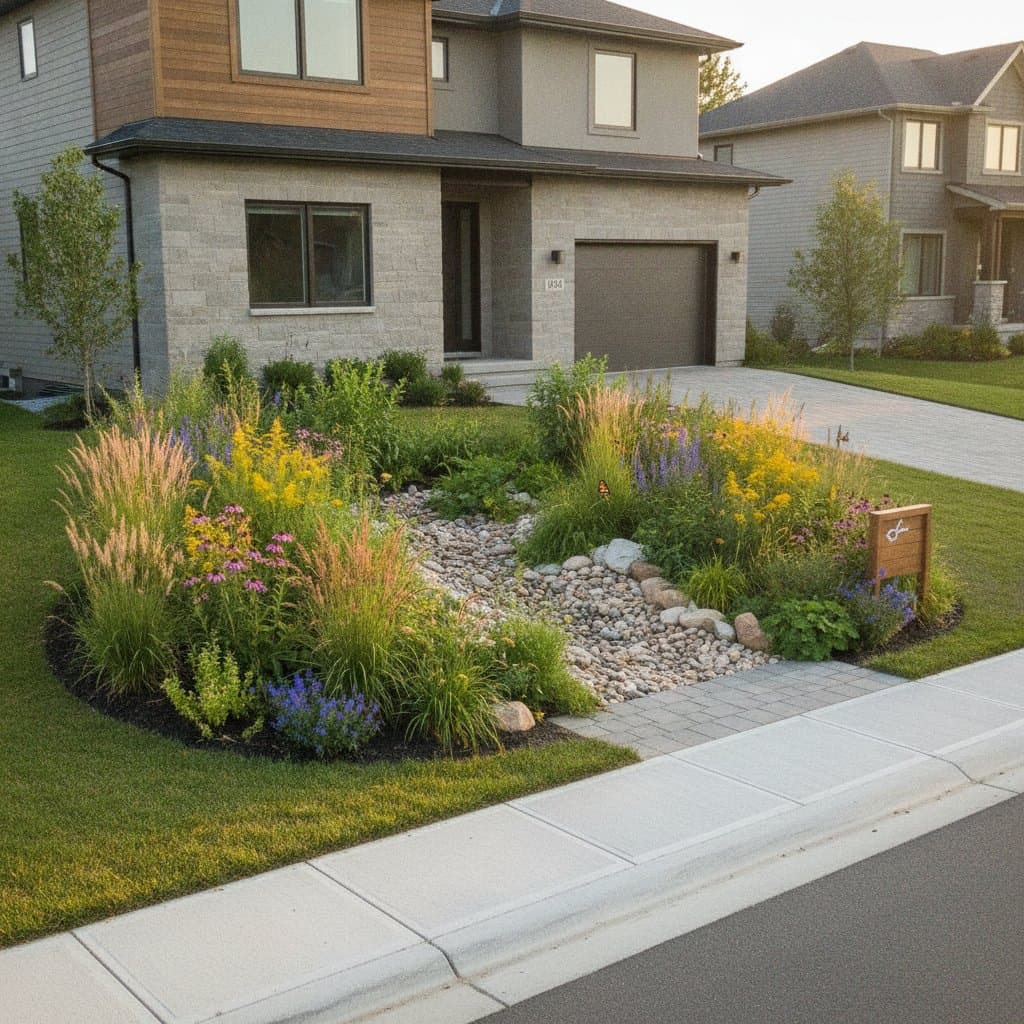
Opt for gravel quarried nearby to match local geology and lessen environmental transport effects. Consult suppliers to examine samples, evaluating particle size from fine pea gravel to larger river stones for varied effects.
3. Build in Layers for Stability
Install a breathable fabric barrier to deter weeds, followed by a base of coarse sand or crushed rock for percolation. Finish with the chosen decorative gravel to foster robust plant growth and avoid water accumulation.
4. Incorporate Diverse Plantings
Blend low-growing options like creeping sedum with medium perennials such as fountain grass and statement pieces like yucca. This combination establishes depth and movement, avoiding a flat appearance.
5. Establish a Simple Care Routine
Periodically smooth the gravel surface to even distribution and clear fallen leaves. Prune overextended growth in spring and fall, replacing underperformers with hardier alternatives. Strive for equilibrium rather than flawless uniformity.
Experiencing the Rewards of a Gravel Garden
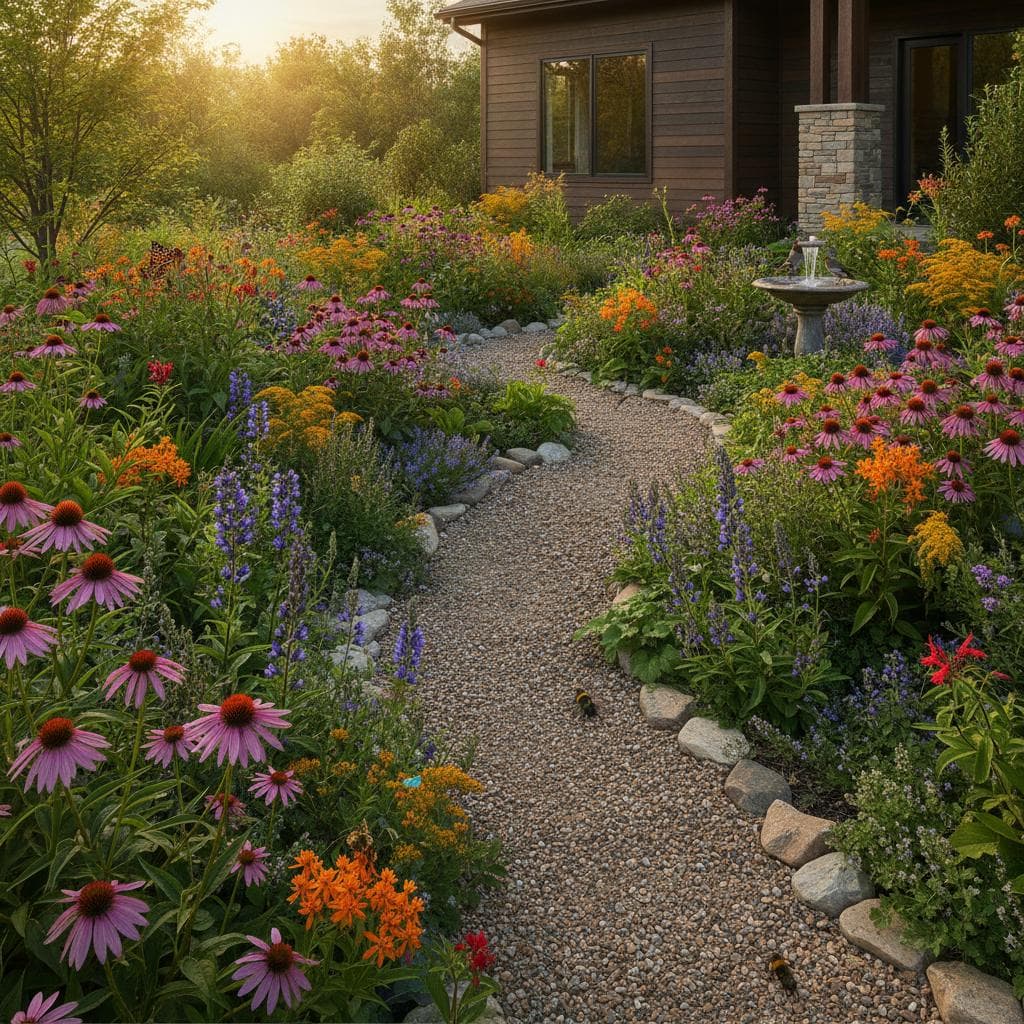
A well-crafted gravel garden invites quiet observation rather than intensive management. As seasons progress, witness how moisture enhances stone hues, how dawn illuminates swaying ornamental plumes, and how aromatic blooms like rosemary infuse the air. This setup transforms routine upkeep into a mindful practice, fostering a deeper connection to the natural surroundings while delivering lasting environmental and aesthetic advantages.