The Rise of Edible Yards Over Traditional Grass Lawns
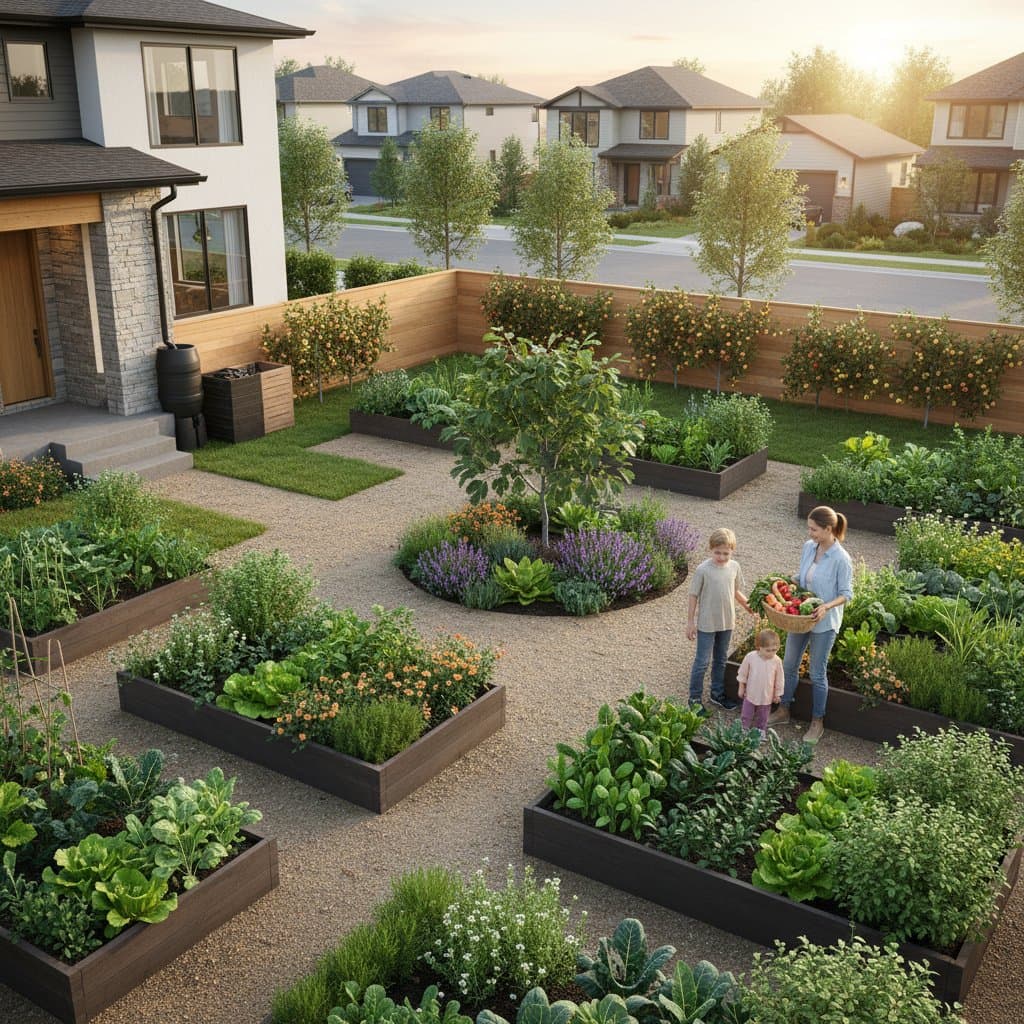
Homeowners observe a subtle transformation in their communities. A once-uniform expanse of green grass gives way to raised beds brimming with leafy greens, berry bushes, and root vegetables. This change spreads as neighbors adopt similar approaches, turning suburban blocks into shared oases of productivity. The result proves both visually striking and functionally rewarding.
For generations, the grass lawn served as an emblem of order and affluence. Yet, many now recognize its drawbacks: excessive resource demands and minimal practical value. Edible yards offer an alternative that prioritizes utility alongside beauty. They transform underutilized land into sources of fresh food while aligning with contemporary values of sustainability and self-sufficiency.
The Drawbacks of Maintaining Grass Lawns
Conventional lawns demand significant effort for limited benefits. Several key issues prompt homeowners to reconsider this practice:
- Excessive water use. In arid climates, lawns account for up to 30 percent of residential water consumption during peak seasons.
- Reliance on chemicals. Synthetic fertilizers and herbicides degrade soil quality and contaminate waterways, disrupting natural habitats.
- Ongoing labor demands. Weekly mowing, trimming, and repairs consume hours that could serve other pursuits.
- Lack of ecological value. Grass provides no edible yield and supports few native species compared to diverse plantings.
In contrast, an edible yard yields tangible rewards. Harvesting basil for pesto or observing bees on blooming squash flowers delivers immediate gratification. These spaces enhance property value through their multifunctional design.
Fostering Environmental Stewardship Through Edible Gardening
Cultivating food outdoors builds a profound bond with nature. Gardeners track seasonal patterns, such as optimal planting times based on local frost dates or soil amendments suited to regional pH levels. This attentiveness cultivates mindfulness that extends beyond the garden gate.
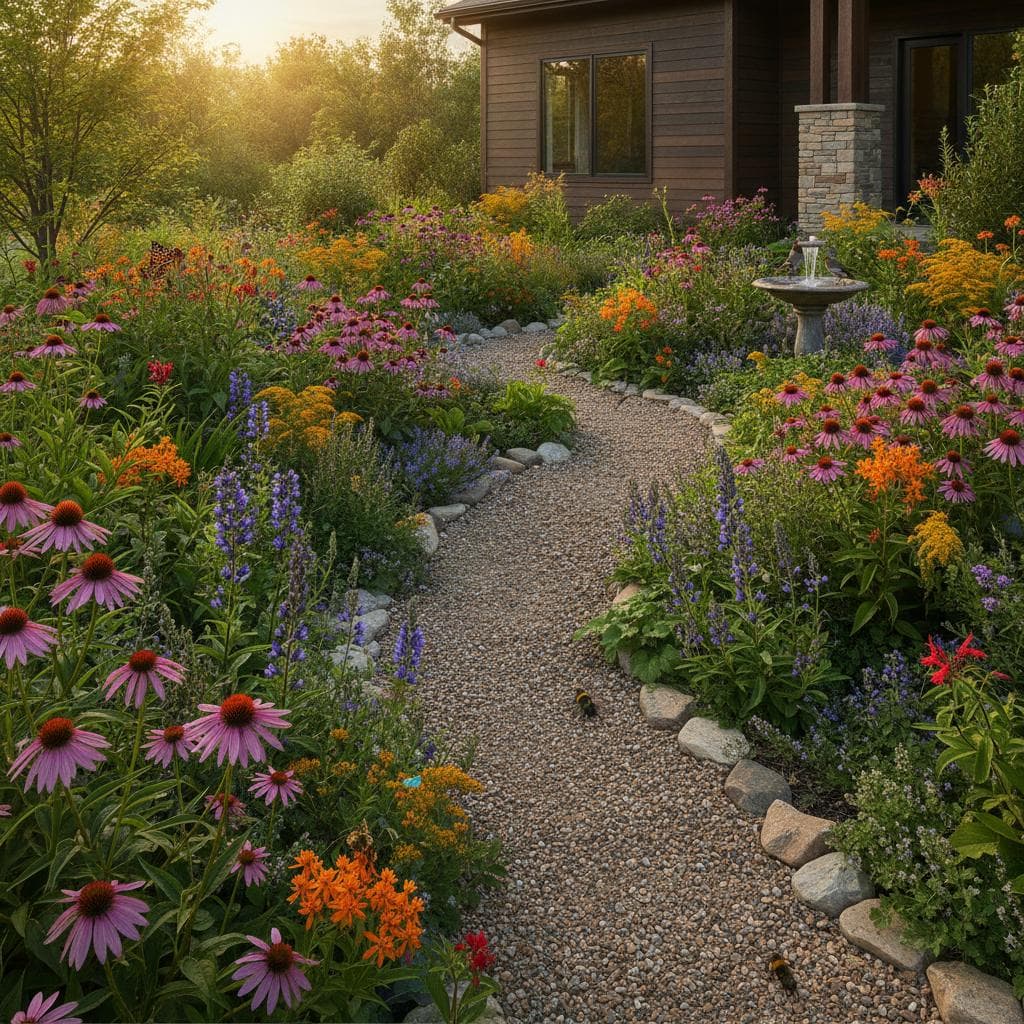
Edible landscapes bolster local biodiversity. Flowers like bee balm and sunflowers draw essential pollinators, while native berry shrubs shelter small mammals. Compost systems enrich the ground with organic matter, promoting microbial activity. Even modest plots play a role in mitigating urban heat islands and reducing food miles.
Designing Edible Gardens with Contemporary Style
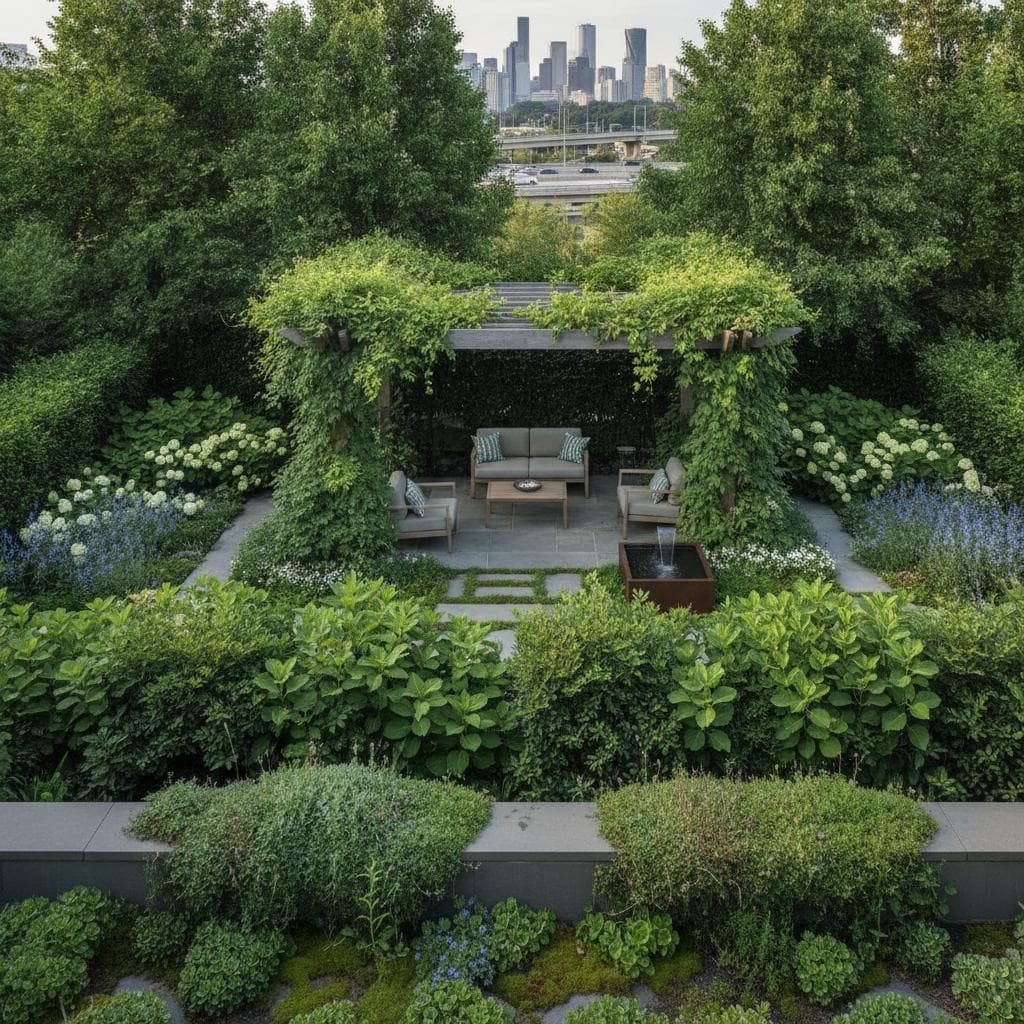
Modern edible gardens transcend utilitarian appearances. Designers incorporate sleek elements such as modular planters in galvanized metal or espaliered fruit trees against walls for a sculptural effect. These features ensure the yard complements the home's facade without overwhelming it.
Strategies for Stylish and Productive Integration
- Maximize vertical space. Install sturdy trellises for climbing peas or espalier frames for apples, freeing ground area for other crops and creating focal points.
- Combine edibles with ornamentals. Interplant salad greens amid low-growing flowers like violas, or use edible evergreens such as bay laurel as hedges.
- Employ rhythmic patterns. Group identical pots of chives or lemon balm in odd-numbered clusters to establish visual harmony.
- Incorporate illumination. Solar-powered lanterns along borders accentuate foliage shapes and allow evening enjoyment of the space.
Tailor the layout to your property's scale and orientation. South-facing spots suit sun-loving tomatoes, while shaded areas thrive with ferns and shade-tolerant greens like spinach.
Addressing Practical Obstacles in Edible Landscaping
Transitioning to an edible yard involves navigating certain challenges, including upkeep, pest management, and social dynamics.
- Upkeep considerations: Select low-maintenance varieties, such as self-seeding arugula or drought-tolerant sage, and automate watering with timers connected to rain barrels.
- Pest control: Promote balance by planting companion species, like marigolds near carrots to deter nematodes, and inspect plants weekly for early intervention.
- Community perceptions: Address HOA restrictions by submitting detailed plans showing neat borders and pollinator benefits; demonstrate through pilot areas how the design elevates neighborhood aesthetics.
With thoughtful planning, these issues become manageable. Many find the initial investment yields long-term savings in time and resources.
Nurturing and Evolving Your Edible Landscape
As plants establish roots, the garden adapts to your preferences and the site's conditions. Annuals like radishes offer quick wins, while perennials such as asparagus provide enduring harvests. Seasonal rotations prevent nutrient depletion and introduce variety.
Sustain vitality with these practices:
- Alternate plant families yearly to break pest cycles and restore soil nutrients.
- Apply organic mulch layers in spring to conserve water and inhibit weed growth.
- Trim branches on stone fruit trees post-harvest to encourage airflow and fruit set.
- Clear debris from walkways monthly to maintain an inviting atmosphere.
Engage actively with the space. Prepare salads from just-picked lettuces or invite friends for a tour of ripening figs. This integration enriches routines and deepens appreciation for homegrown abundance.
Steps to Launch Your Edible Garden Transformation
Begin the shift with targeted changes rather than a full overhaul. Assess your yard's sunlight, soil type, and water access to select suitable starters, such as container herbs on a sunny patio.
Map out zones: dedicate a 4-by-8-foot bed for staples like potatoes and beans, or line a walkway with berry bushes. Source plants from local nurseries for climate-adapted stock. Track progress in a journal to refine future efforts.
The rewards extend beyond produce. These gardens cultivate resilience, spark conversations, and contribute to a greener future. Start planting today to reap the benefits tomorrow.